Landmark: Lost Creek State Park
City: Anaconda
Country: USA Montana
Continent: North America
Lost Creek State Park, Anaconda, USA Montana, North America
Lost Creek State Park is a protected natural area located in Deer Lodge County, Montana, near the city of Anaconda.
The park encompasses approximately 4,700 acres and features a significant geological formation known as the Lost Creek Arch.
Visual Characteristics
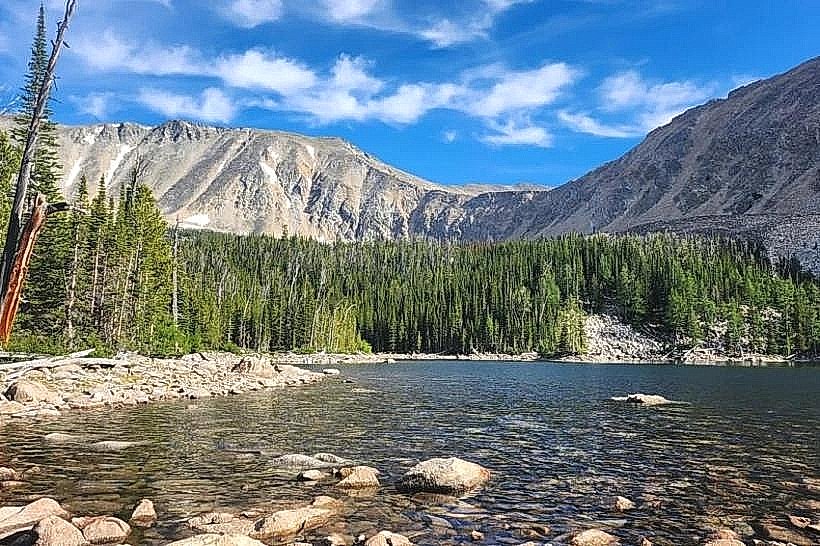
The dominant feature is the Lost Creek Arch, a natural sandstone bridge formed by erosion. The arch spans approximately 100 feet and stands about 50 feet high. The surrounding landscape consists of rugged, eroded sandstone formations in shades of tan and red. Vegetation is sparse, primarily consisting of sagebrush, juniper, and scattered ponderosa pine trees.
Location & Access Logistics
Lost Creek State Park is situated approximately 15 miles northwest of Anaconda, Montana. Access is via County Road 501 (also known as Lost Creek Road), which is a paved road for the initial portion and transitions to a well-maintained gravel road. The park entrance is clearly marked. Parking is available at designated lots near the trailhead for the arch. There are no public transport options directly serving the park.
Historical & Ecological Origin
The Lost Creek Arch is a product of natural geological processes, specifically differential erosion of the sandstone bedrock over millennia. The area is part of the broader geological formations of the Rocky Mountains. Historically, the land was utilized by indigenous peoples and later by prospectors and ranchers.
Key Highlights & Activities
The primary activity is hiking to the Lost Creek Arch. A well-marked trail, approximately 1.5 miles roundtrip, leads from the parking area to the base of the arch. Visitors can walk under the arch. Photography is a common activity. Limited dispersed camping is permitted in designated areas outside the immediate vicinity of the arch.
Infrastructure & Amenities
Basic amenities include vault toilets located at the main parking area. There are no picnic tables or developed shelters. Shade is minimal, provided only by scattered trees. Cell phone signal is unreliable within the park boundaries.
Best Time to Visit
The best time for photography is during the morning or late afternoon when the sun's angle creates shadow and highlights on the sandstone formations. The park is accessible year-round, but winter conditions can make the gravel road impassable. The months of May through October offer the most favorable weather for hiking and exploration.
Facts & Legends
A local legend suggests that the arch was formed by a giant's hammer striking the rock. Geologically, the arch is a remnant of a larger sandstone formation that has been sculpted by wind and water.
Nearby Landmarks
- Anaconda Smelter Stack (15km Southeast)
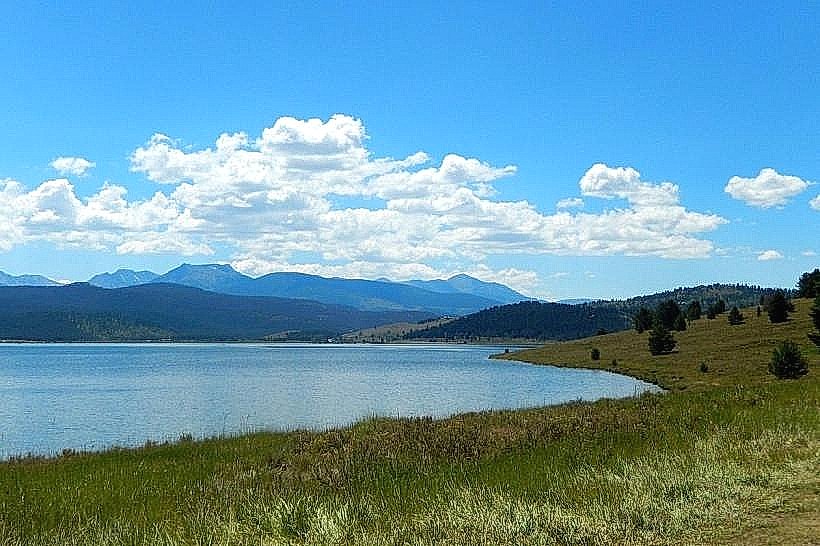
- Georgetown Lake (25km Northwest)
- Old Montana Prison Museum (20km Southeast)
- Pintler Scenic Route (Access point 10km West)