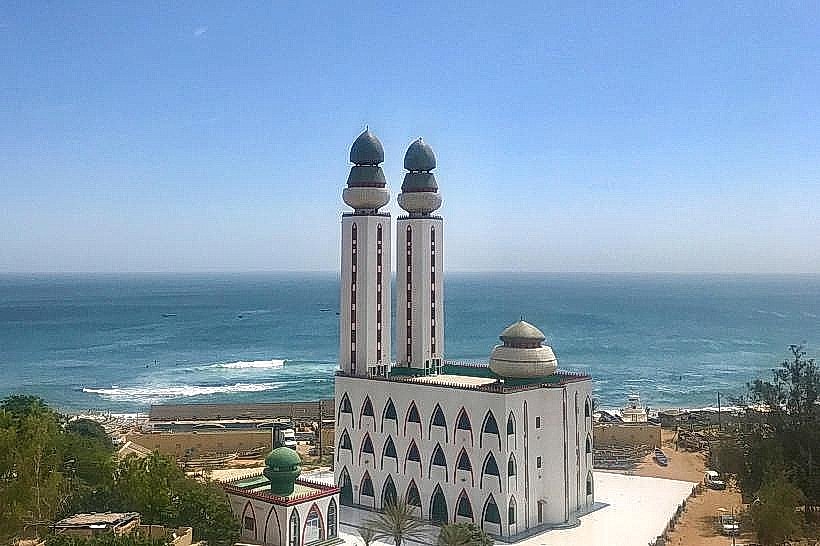
Landmark: Mosqué de l'Ile de Gorée
City: Dakar
Country: Senegal
Continent: Africa
Mosqué de l'Ile de Gorée, Dakar, Senegal, Africa
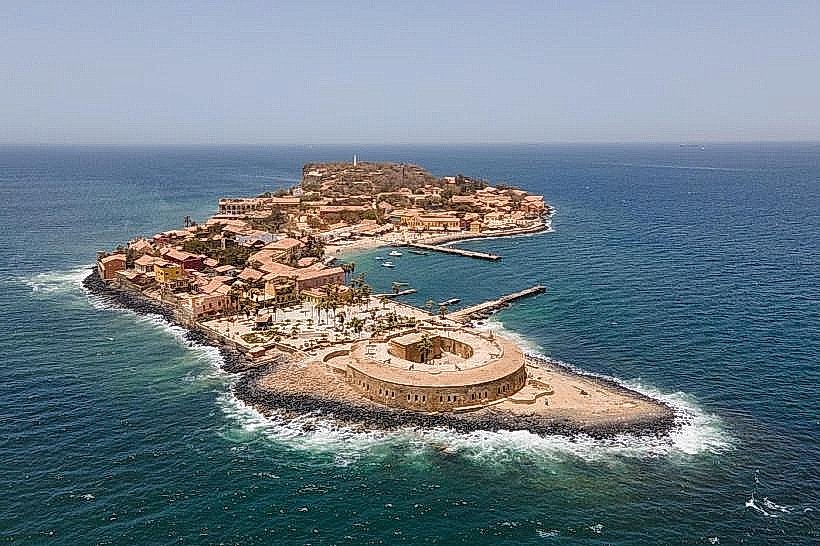
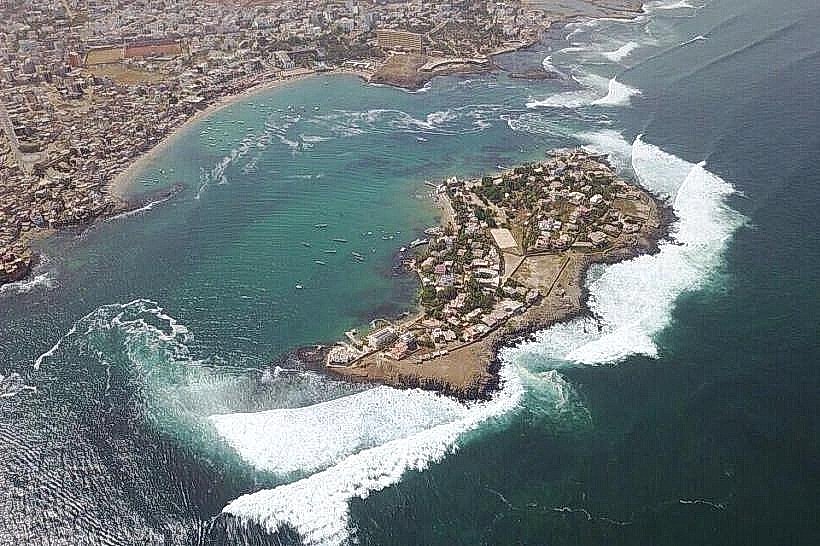
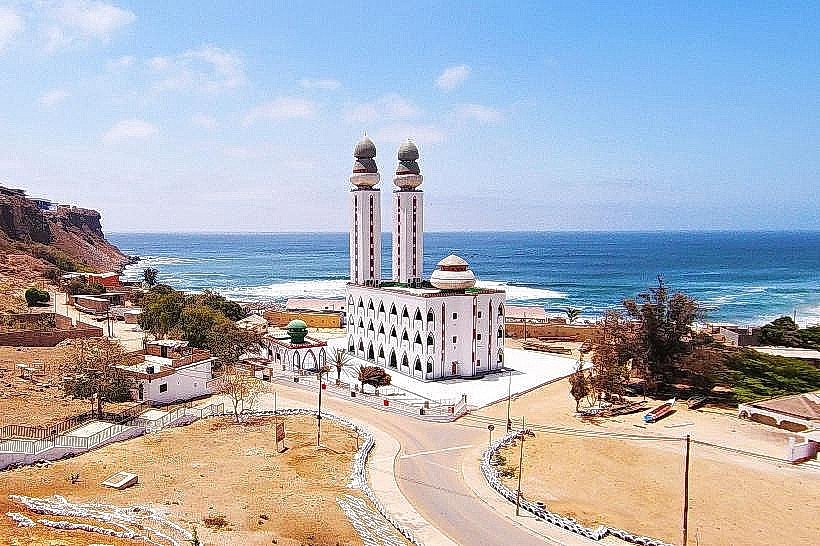
The Mosqué de l'Ile de Gorée, is one of the oldest stone mosques in Senegal, located on the eastern shore of Gorée Island. It serves as the primary place of worship for the island's Muslim community and stands as a significant landmark of Islamic heritage in the region.
Visual Characteristics
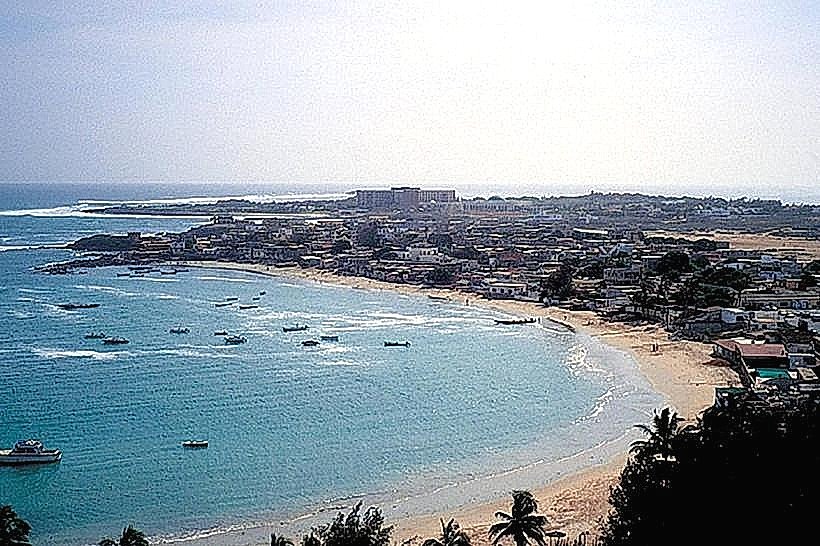
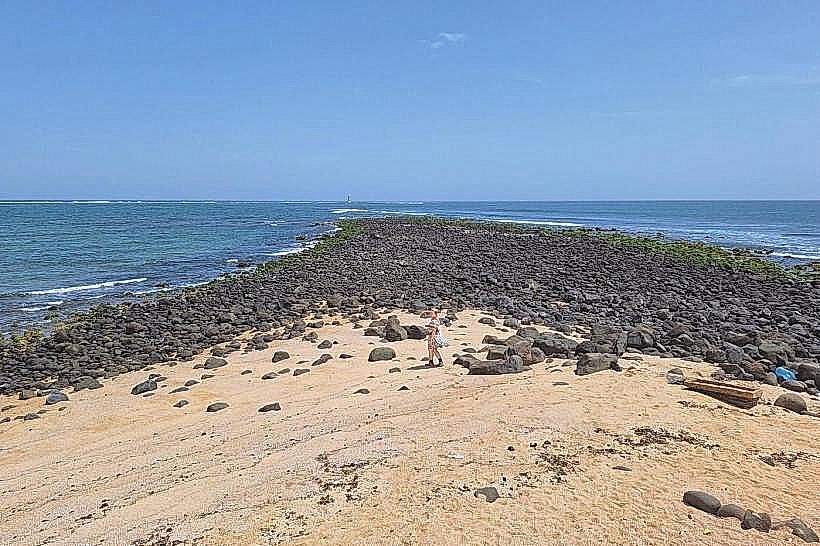
The mosque is constructed from dark basalt rock, a volcanic stone native to the island, which gives the exterior a somber, rugged appearance. The architectural style is traditional and functional, featuring a square minaret and a flat-roofed prayer hall. Small, arched windows provide natural light and ventilation, while the interior is characterized by simple white-washed walls and matted floors. The building is positioned on a slight elevation, overlooking the rocky Atlantic coastline.
Location & Access Logistics
The site is situated on the eastern side of Gorée Island, approximately 0.3km east of the main ferry pier. Access to the island requires a 20-minute ferry crossing from the Dakar-railway-station_dakar" class="underline">Dakar Railway Station pier. From the Gorée harbor, the mosque is reached via a 5-minute walk through the narrow, sand-paved streets of the village. There are no motorized vehicles on the island. The ferry (Liaison Maritime Dakar-Gorée) departs roughly every 90 minutes.
Historical & Ecological Origin
The mosque was constructed in 1890, during a period when the Muslim population on the island was growing alongside the established Christian community. It was built using the island’s abundant basalt stone, reflecting the local geological composition. The structure has undergone several minor restorations to protect the masonry from the corrosive effects of the salt-heavy Atlantic air and spray.
Key Highlights & Activities
The mosque is a functioning religious site where the five daily prayers and Friday communal prayers (Jumu'ah) are held. Visitors can observe the traditional West African Islamic architecture from the exterior and the surrounding plaza. Non-Muslims are generally not permitted to enter the prayer hall, especially during service times, but may view the courtyard. The coastal area immediately behind the mosque offers views of the open ocean and the Dakar mainland.
Infrastructure & Amenities
Infrastructure is basic and integrated into the village grid. There are no public restrooms specifically for the mosque; facilities are available near the harbor or in local restaurants. 4G and 5G cellular coverage is strong throughout the area. Shade is provided by the thick stone walls of the mosque and a few nearby trees. Small shops selling local crafts and refreshments are located within a 100-meter radius in the village.
Best Time to Visit
The exterior is best viewed in the morning (08:00 to 10:30) when the sun illuminates the eastern facade. Friday afternoon is the most active time for religious and communal observation, though the area becomes very crowded. For a quiet visit, weekday mornings are recommended. The dry season (December to May) provides the best weather for walking the island's paths.
Facts & Legends
A verified historical oddity is that the mosque was built during the French colonial administration, which initially restricted the construction of stone mosques but eventually granted permission due to the persistence of the local Lebu community. Local lore suggests that the basalt used for the mosque was hand-carried from the Castel plateau at the southern end of the island to symbolize the community's dedication.
Nearby Landmarks
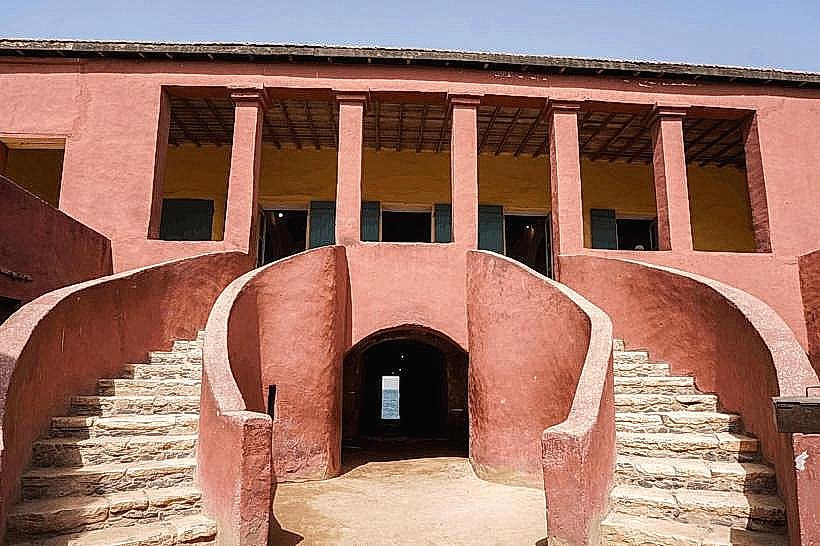
House of Slaves: 0.2km South
Saint Charles Church: 0.1km West
Gorée Police Station: 0.2km West
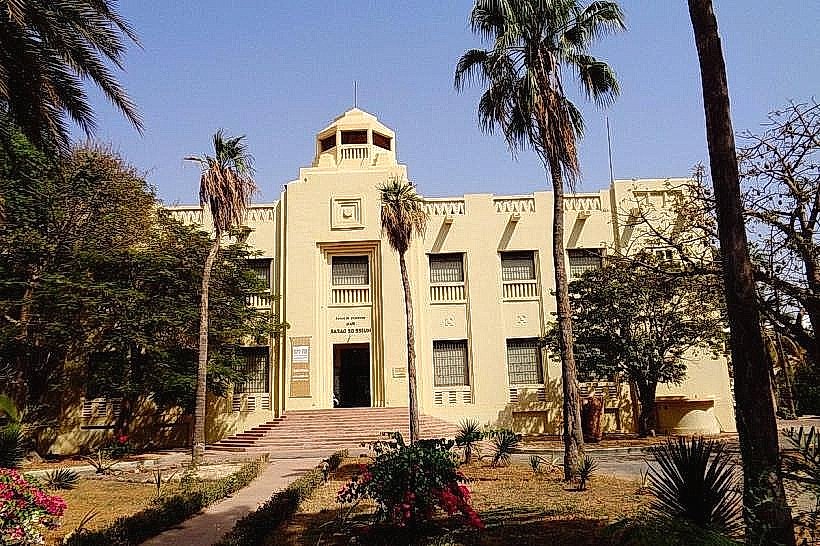
IFAN Historical Museum: 0.4km Northwest
Place du Gouvernement: 0.2km Northwest