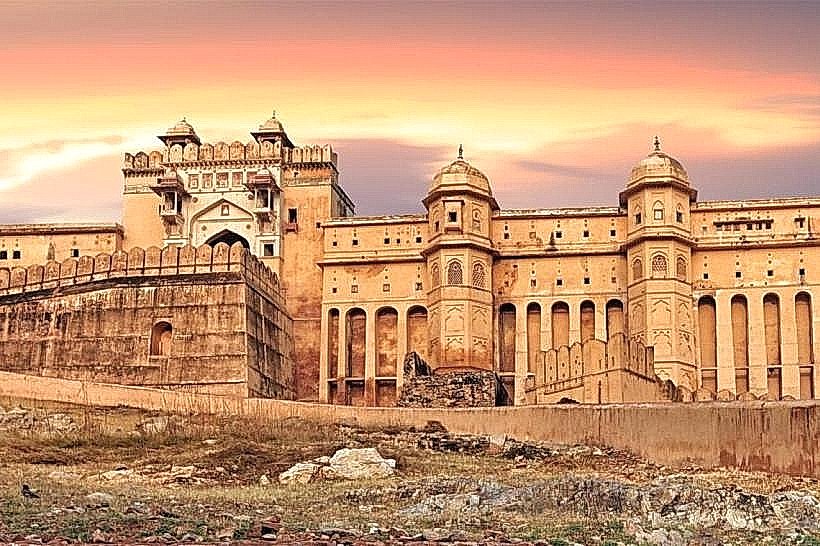
Landmark: Nahargarh Fort
City: Jaipur
Country: India
Continent: Asia
Nahargarh Fort, Jaipur, India, Asia
Nahargarh Fort is a historical fortification situated on the Aravalli Hills overlooking Jaipur, Rajasthan, India.
It was originally named Sudarshangarh and was later changed to Nahargarh, meaning 'abode of tigers'.
Visual Characteristics
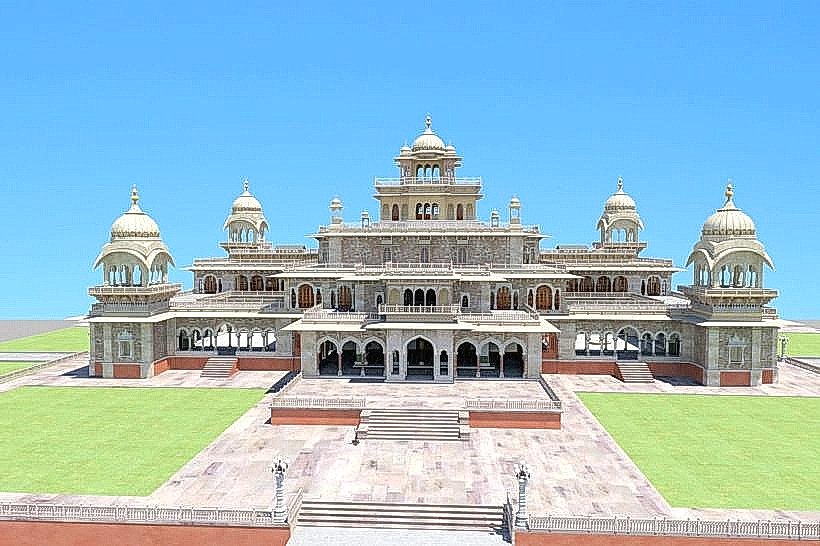
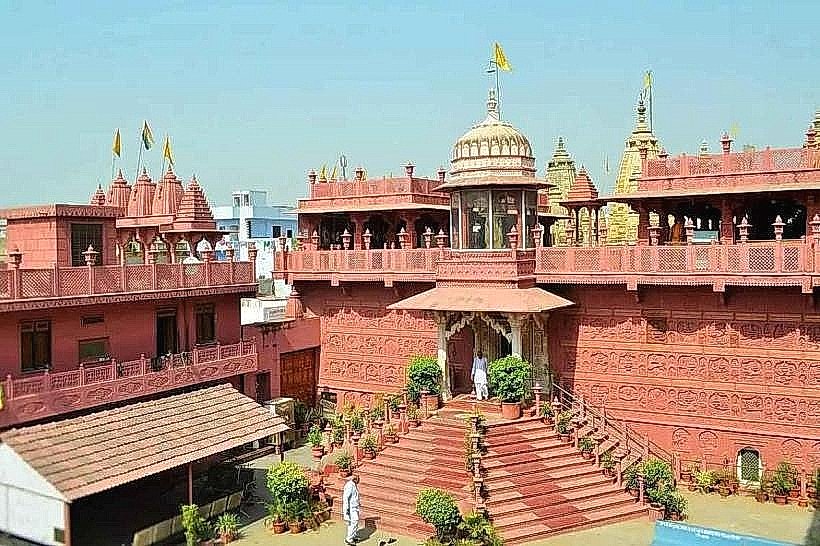
The fort is constructed primarily from sandstone. Its ramparts extend along the ridge, punctuated by bastions. The architecture incorporates Rajput and European styles, evident in the palaces within the complex. The main structure is a series of interconnected buildings, including the Madhavendra Bhawan, which features a central courtyard and suites for the king's queens.
Location & Access Logistics
Nahargarh Fort is located approximately 7 kilometers northwest of Jaipur's city center. Access is via the Nahargarh Road, a paved but winding route suitable for vehicles. Parking is available at the fort's entrance. Public transport options to the fort itself are limited; taxis or auto-rickshaws are the most common methods of reaching the site from Jaipur.
Historical & Ecological Origin
Construction of Nahargarh Fort began in 1734 under the direction of Maharaja Sawai Jai Singh II, the founder of Jaipur. It was initially built as a defense outpost and later expanded to serve as a royal retreat. The fort's location on the Aravalli range is a result of the region's geological formation, characterized by ancient folded mountains composed of metamorphic and igneous rocks.
Key Highlights & Activities
Visitors can explore the Madhavendra Bhawan, known for its interconnected suites and frescoes. The Diwan-e-Aam (Hall of Public Audience) offers views of the city. Walking along the fort's ramparts provides panoramic vistas. The Jaipur Wax Museum and the Sheesh Mahal (Mirror Palace) are also located within the complex.
Infrastructure & Amenities
Restrooms are available within the fort complex. Limited shaded areas are present, particularly within the palace structures. Cell phone signal (4G/5G) is generally available. Food vendors and small eateries are located near the parking area and at the fort's entrance.
Best Time to Visit
The best time of day for photography is during the late afternoon, approximately 1-2 hours before sunset, for optimal lighting on the fort and the city. The most favorable months for visiting are from October to March, when temperatures are cooler. No specific tide requirements apply.
Facts & Legends
A local legend states that the fort was named after Nahar Singh, a Rathore prince whose spirit haunted the construction site. To appease his spirit, a temple dedicated to him was built within the fort, and the fort was renamed in his honor. The fort was never successfully besieged.
Nearby Landmarks
- Jaigarh Fort (1.5km Northeast)
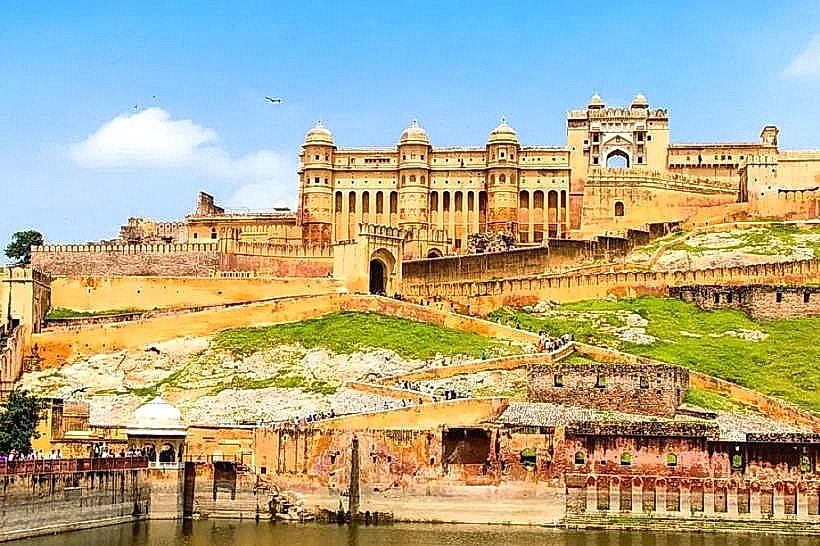
- Amer Fort (5km Northeast)
- Panna Meena ka Kund (4.8km Northeast)
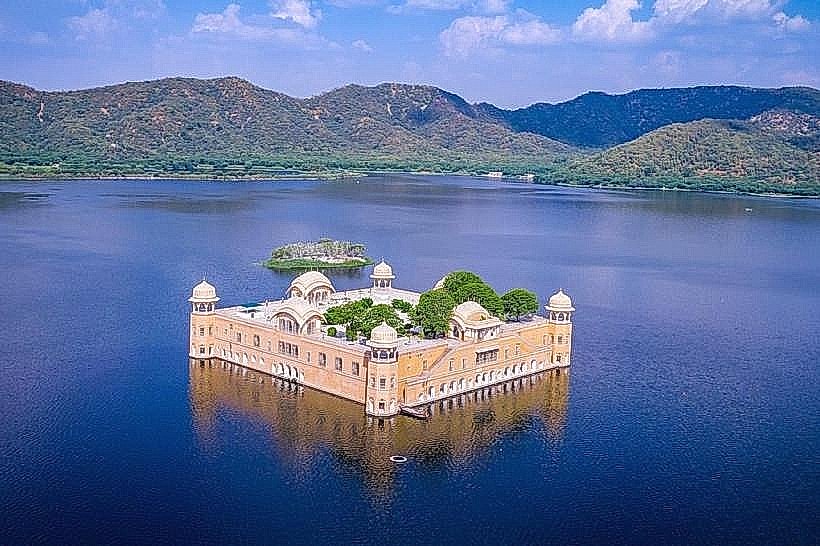
- Jal Mahal (6km Southeast)