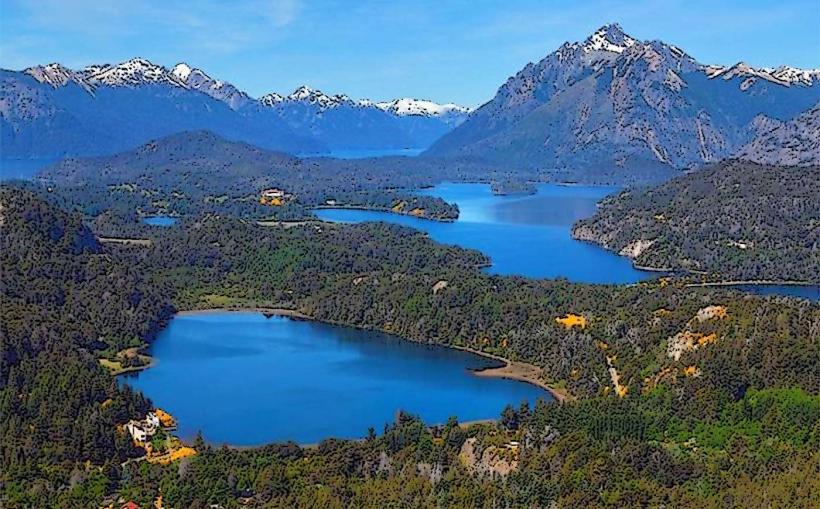
Landmark: Parque Nacional Nahuel Huapi
City: Bariloche
Country: Argentina
Continent: South America
Parque Nacional Nahuel Huapi, Bariloche, Argentina, South America
Parque Nacional Nahuel Huapi is a protected natural area situated in the Patagonia region of Argentina, encompassing portions of the provinces of Río Negro and Neuquén.
Visual Characteristics
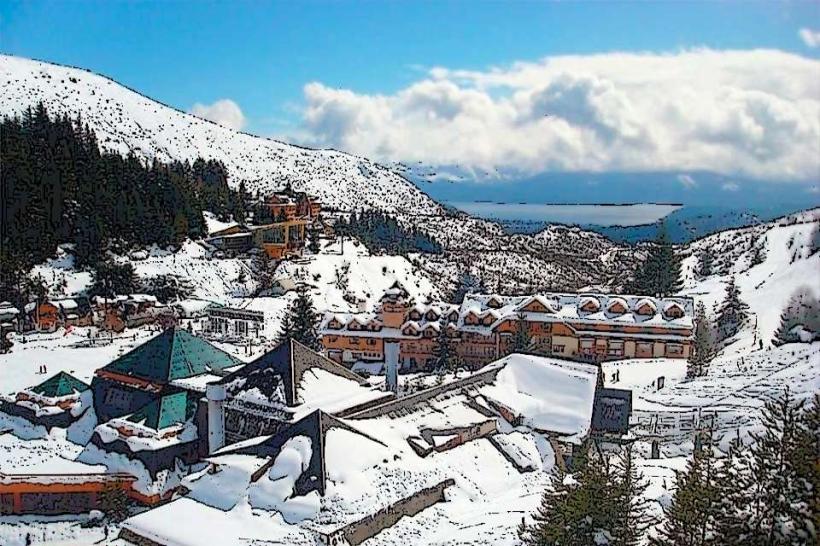
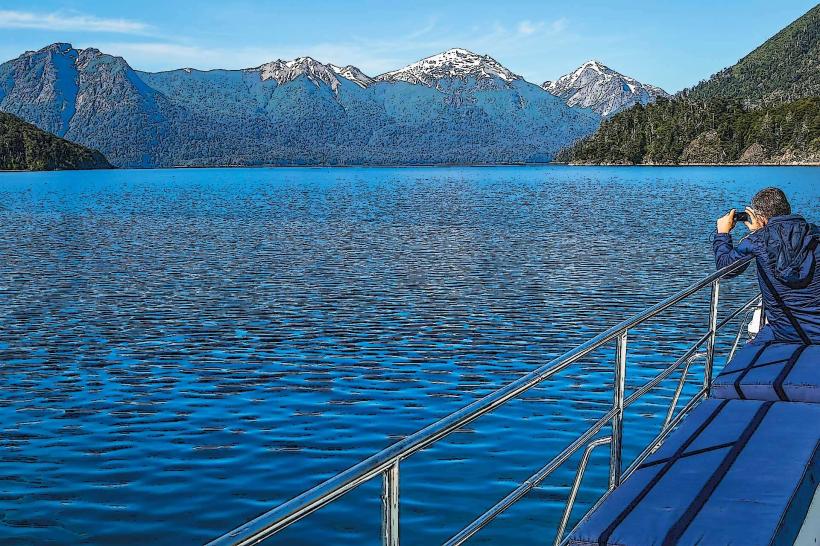
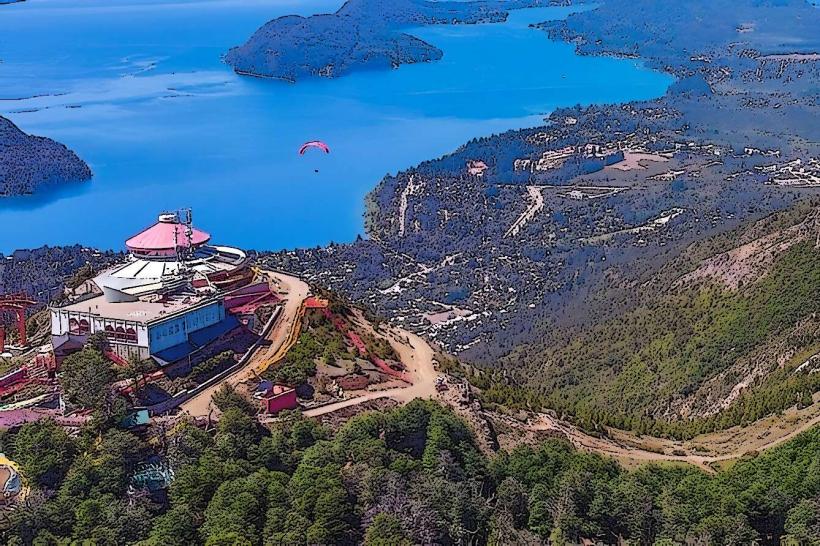
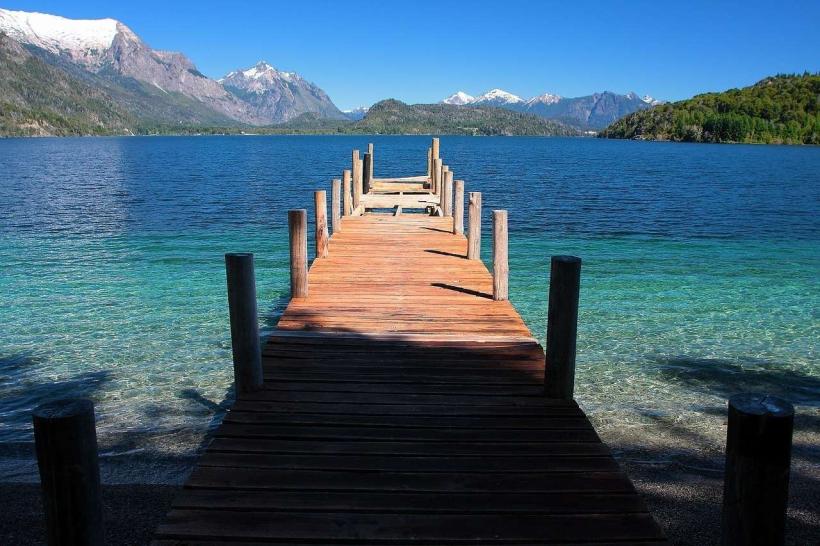
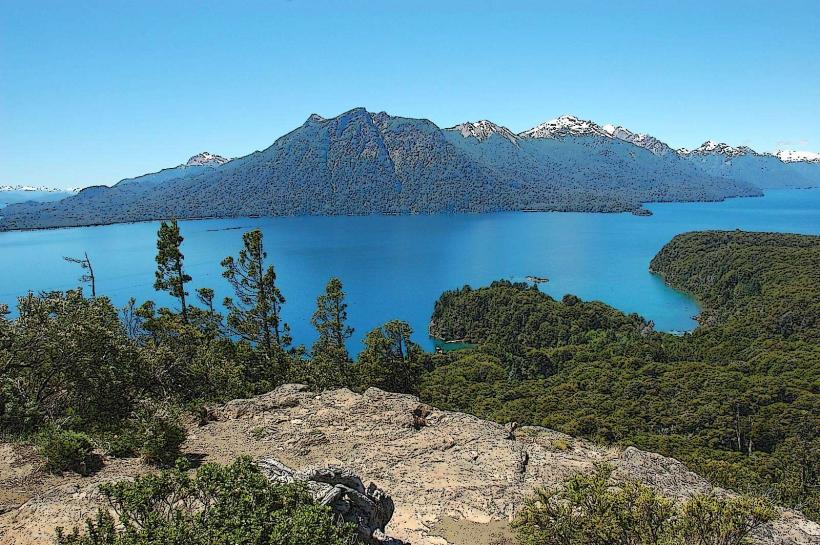
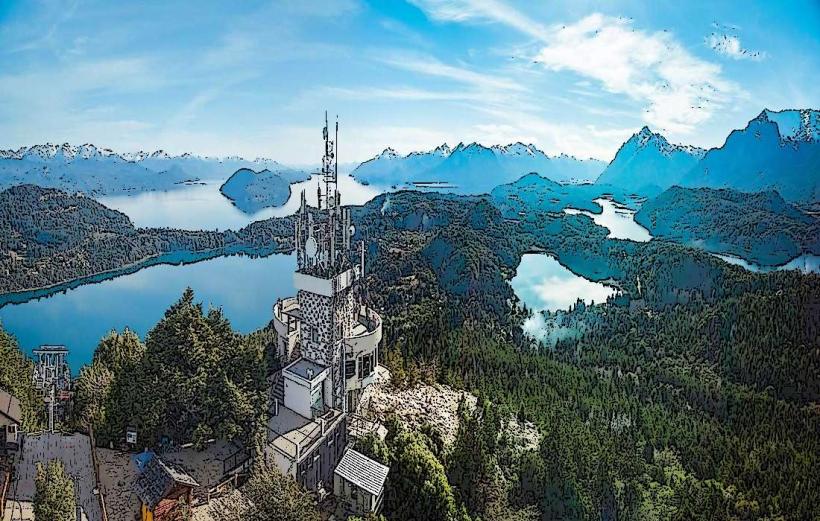
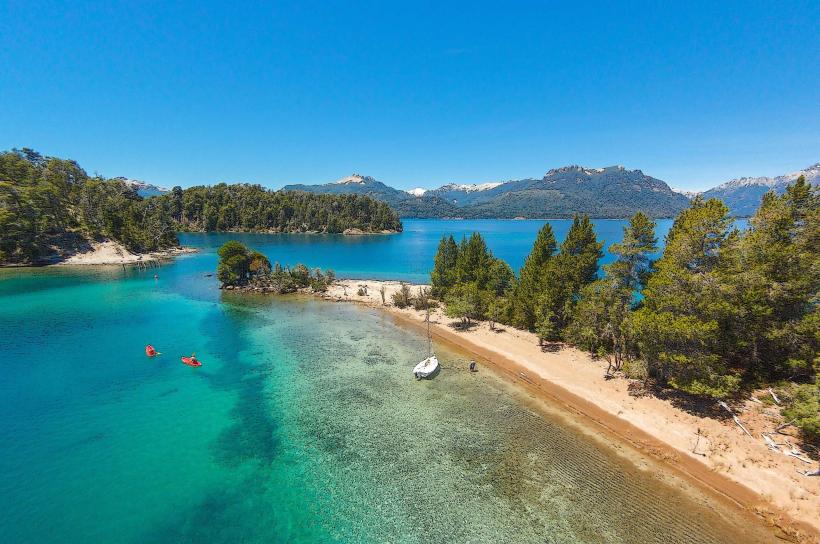
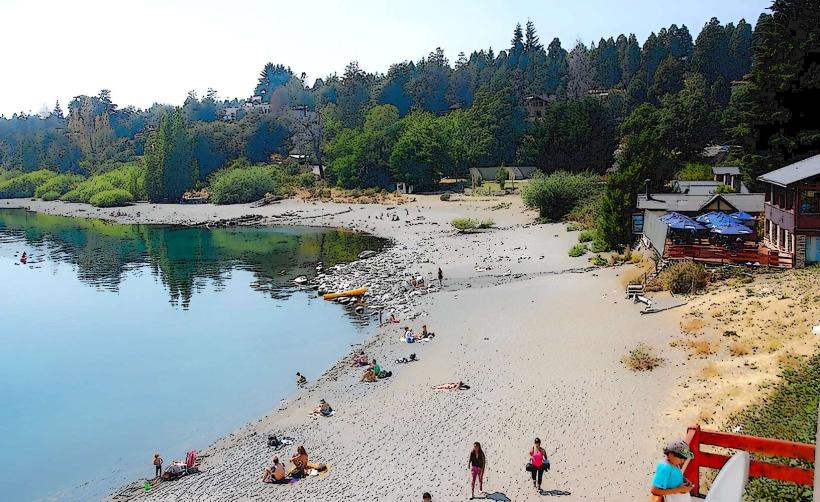
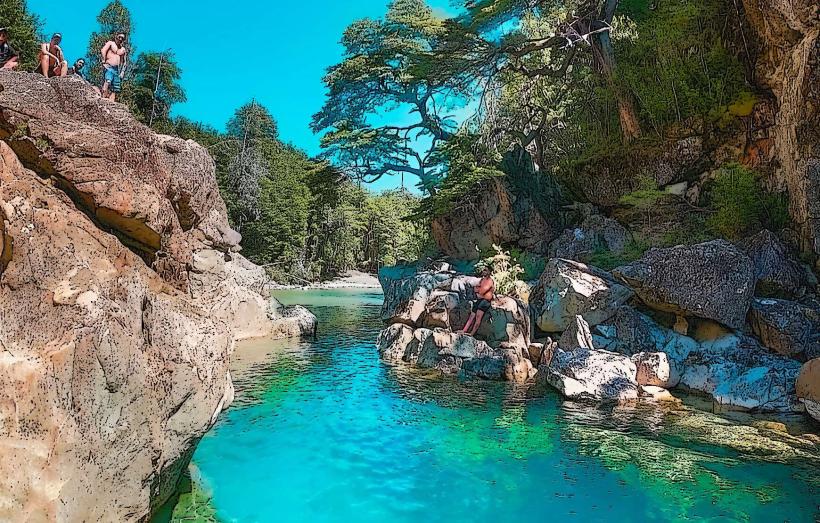
The park features a diverse landscape including Andean-Patagonian forests dominated by lenga and ñire trees, interspersed with open grasslands and rocky outcrops. The Nahuel Huapi Lake, a central feature, exhibits deep blue to turquoise water colors depending on light conditions and depth. Mountain ranges within the park display granite and basalt formations, with snow-capped peaks visible year-round at higher elevations. Glacial cirques and U-shaped valleys are common geological features.
Location & Access Logistics
The main access point is from San Carlos de Bariloche, located approximately 1.5km from the city center. Route 237 connects Bariloche to the park's primary entrances. Parking is available at designated visitor centers and trailheads, with capacity varying by location. Public transport options include local bus lines (e.g., Linea 10, Linea 20) that service routes within and around the park, originating from Bariloche's central bus terminal. Boat transfers are available from Bariloche's port to various islands within Nahuel Huapi Lake.
Historical & Ecological Origin
Established in 1934, Parque Nacional Nahuel Huapi is Argentina's oldest national park. Its creation was driven by conservation efforts to protect the native Andean-Patagonian ecosystem and its unique flora and fauna. Ecologically, the park is classified as a transition zone between the temperate rainforests of the Valdivian ecoregion and the drier Patagonian steppe. The landscape is largely a result of glacial activity during the Pleistocene epoch.
Key Highlights & Activities
Hiking is possible on numerous trails, including the Cerro Llao Llao trail (3km loop) and the Refugio Frey trail (10km one-way). Kayaking and boat tours are available on Nahuel Huapi Lake. Fishing is permitted in designated areas with a valid license. Wildlife observation, particularly of condors and huemul deer, is a common activity. Photography opportunities exist at viewpoints such as Cerro Campanario.
Infrastructure & Amenities
Restrooms are available at major visitor centers and some trailheads. Shaded areas are provided by forest canopy in forested sections. Cell phone signal (4G/5G) is intermittent and generally limited to areas near towns and major visitor centers. Food vendors and restaurants are located in the town of Bariloche and at some tourist hubs within the park, such as Llao Llao.
Best Time to Visit
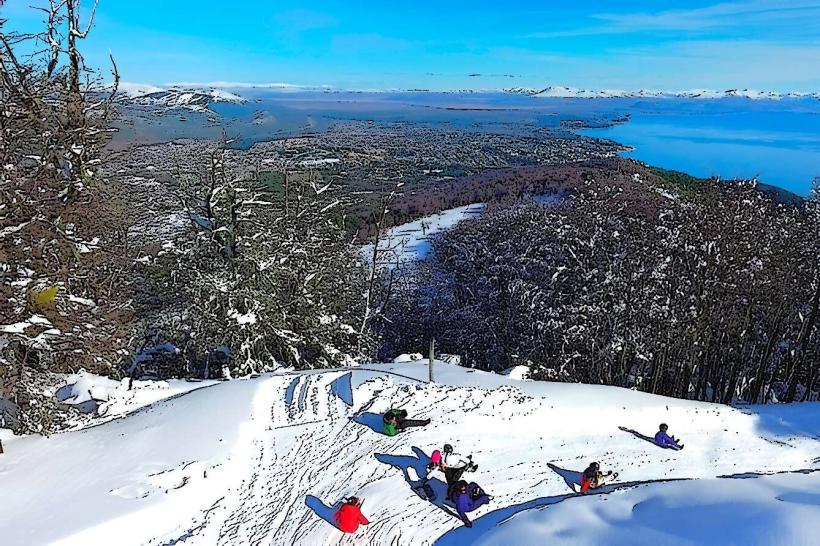
The best months for visiting are from December to March (summer) for optimal hiking conditions and warmer weather. For photography, early morning and late afternoon light provides favorable illumination on the lake and mountains. High tide is not a significant factor for access within the park, but lake levels can influence boat tour availability. Winter (June-August) offers opportunities for snow-based activities but limits access to some trails.
Facts & Legends
A local legend speaks of the "Nahuelito," a creature said to inhabit the depths of Nahuel Huapi Lake, similar to the Loch Ness Monster. Historically, the area was inhabited by the Mapuche people prior to European colonization, who held deep spiritual connections to the land and its natural features.
Nearby Landmarks
- Cerro Catedral (18km Southwest)
- Bosque de Arrayanes (Boat access, approx. 1 hour from Bariloche)
- Isla Victoria (Boat access, approx. 45 minutes from Bariloche)
- Parque Nacional Los Arrayanes (Adjacent to Isla Victoria)
- Llao Llao Hotel & Resort (3km West)