Landmark: Piedras Blancas
City: Bariloche
Country: Argentina
Continent: South America
Piedras Blancas, Bariloche, Argentina, South America
Piedras Blancas is a viewpoint and recreational area located in San Carlos de Bariloche, Argentina.
It offers panoramic views of the surrounding landscape and serves as a point of access for various outdoor activities.
Visual Characteristics
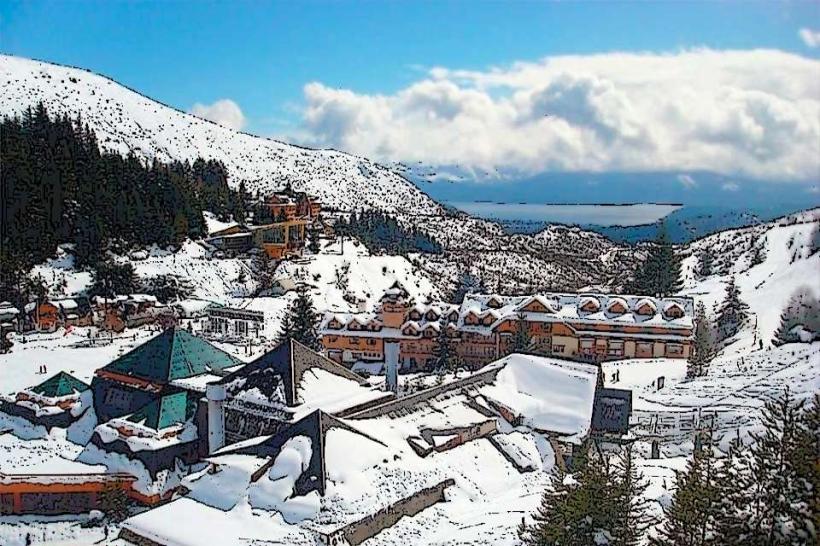
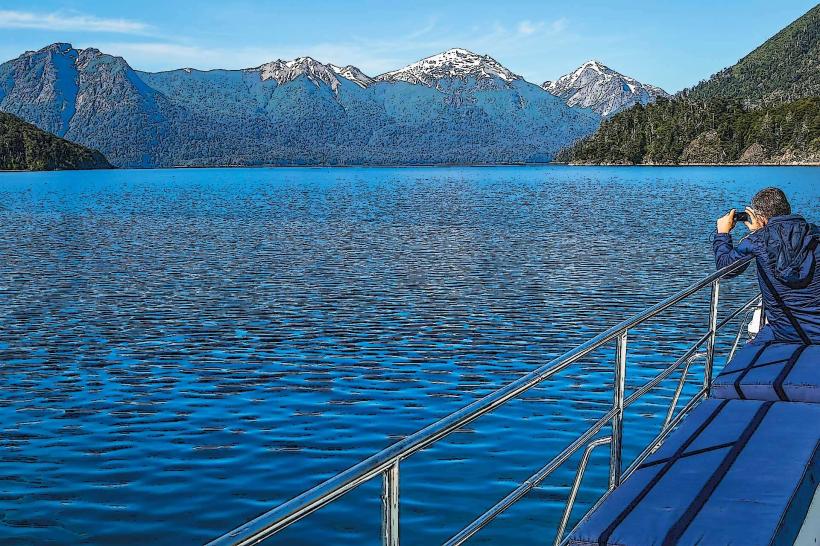
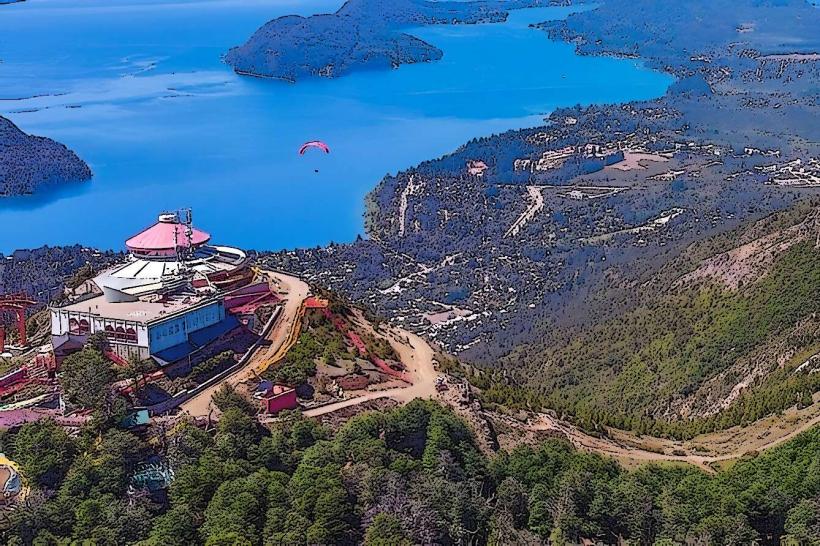
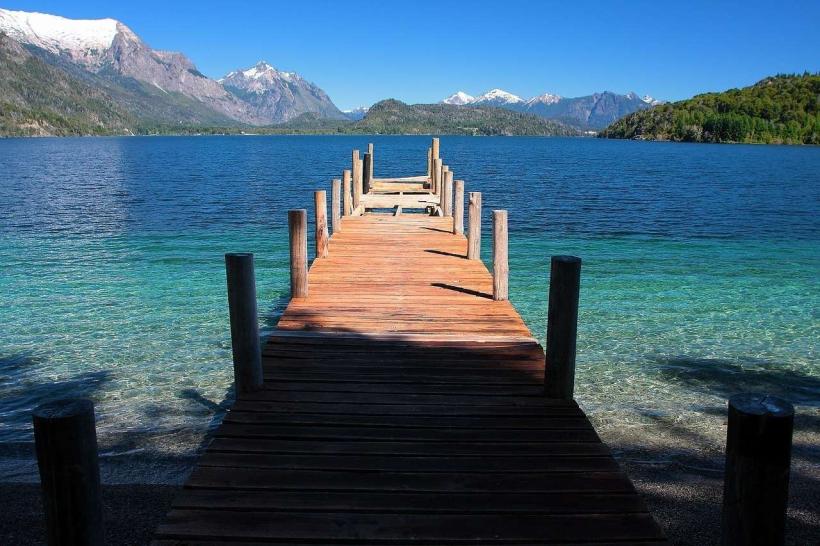
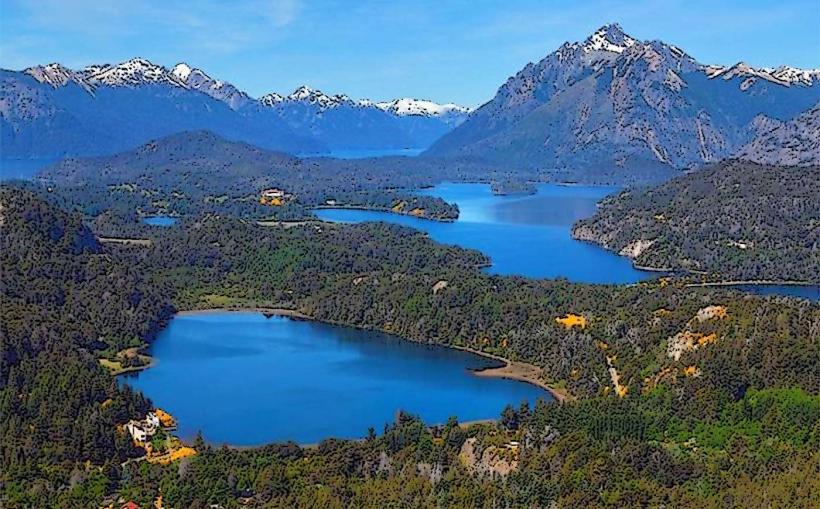
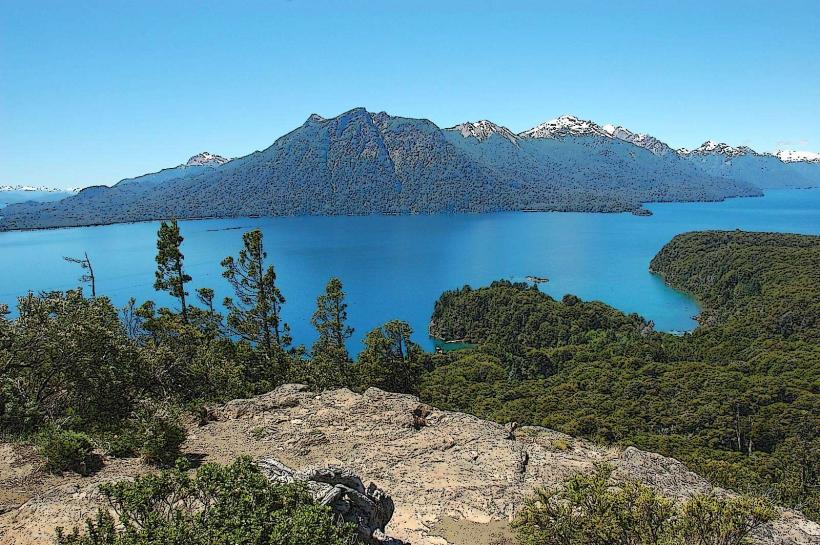
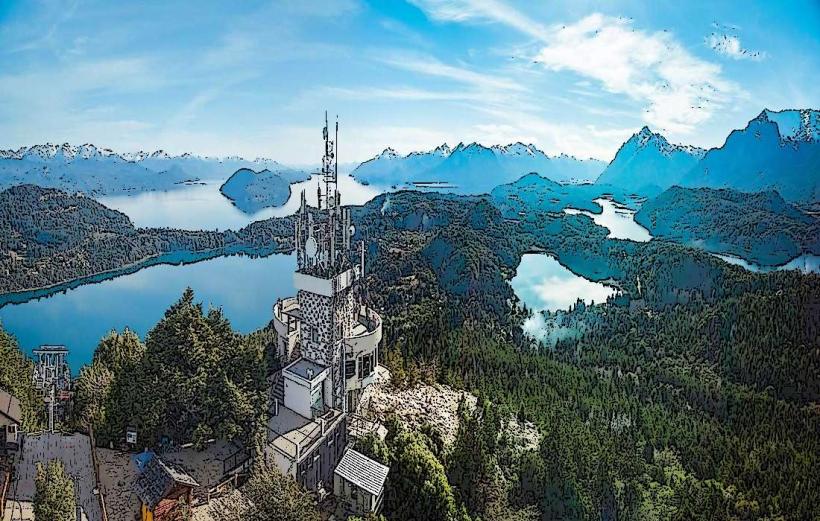
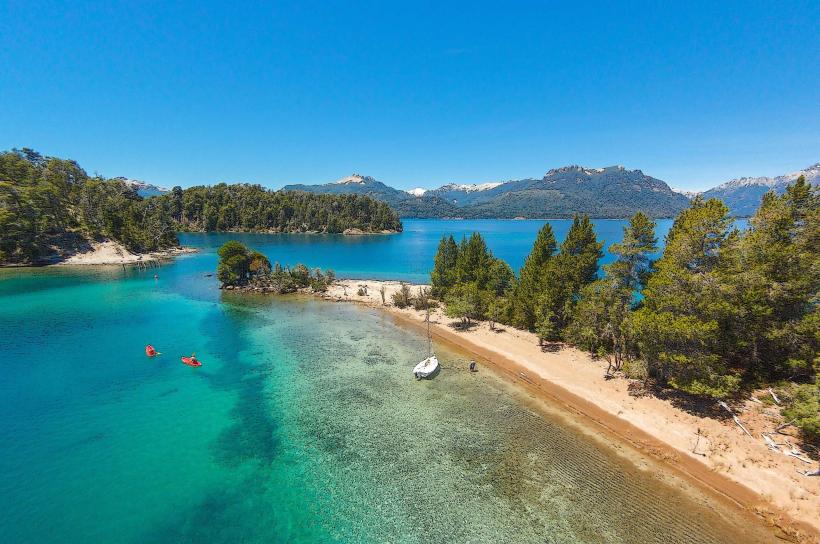
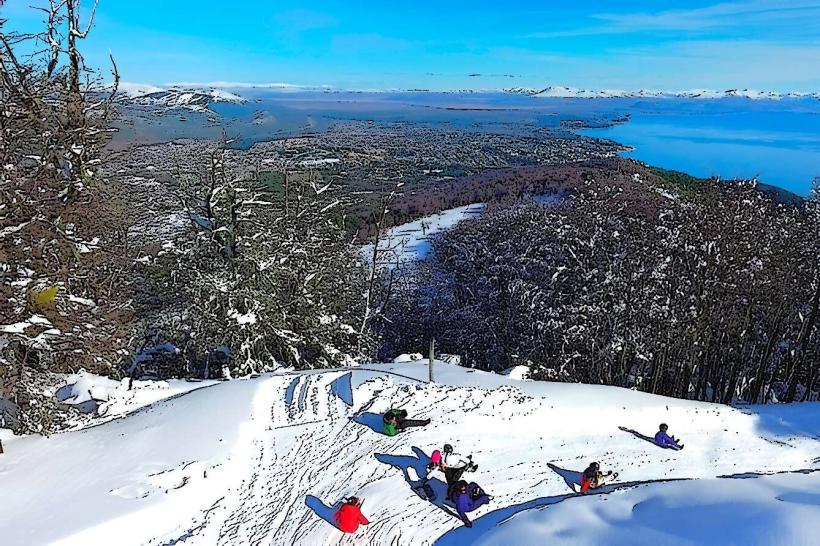
The area features a large, open plateau with sparse Patagonian vegetation, primarily low shrubs and grasses. The ground is composed of gravel and rock. The dominant visual element is the expansive vista of Nahuel Huapi Lake and the Andes Mountains. During winter months, the higher elevations are often snow-covered.
Location & Access Logistics
Piedras Blancas is situated approximately 15 kilometers west of Bariloche's city center, along National Route 77 (Ruta Nacional 77). Access is via a paved road. Parking is available in designated lots adjacent to the main viewpoint area. Public transport options include the local bus line 20, which stops at the Piedras Blancas station.
Historical & Ecological Origin
Piedras Blancas is a natural geological formation, part of the Patagonian steppe ecosystem. Its formation is linked to glacial activity and subsequent erosion processes that shaped the Andean foothills. The area has historically been used by indigenous peoples and later by settlers for grazing and as a natural observation point.
Key Highlights & Activities
Activities include panoramic photography from the viewpoint. During winter, it serves as a base for ski touring and snowshoeing. Hiking trails are accessible from the area, leading into the surrounding hills. In warmer months, birdwatching is possible.
Infrastructure & Amenities
Restrooms are available at the main viewpoint complex. Limited shade is provided by natural rock formations and a few strategically placed structures. Cell phone signal (4G) is generally available. Food vendors are typically present during peak tourist seasons, offering snacks and beverages.
Best Time to Visit
For photography, early morning or late afternoon light provides optimal illumination of the landscape. The best months for clear weather and accessibility are generally from October to April. For snow-related activities, the period from June to September is recommended.
Facts & Legends
A local legend suggests that the large, smooth stones scattered across the plateau are the petrified tears of a giant who wept for his lost love. Geologically, these are glacial erratics, rocks transported and deposited by ancient glaciers.
Nearby Landmarks
- Cerro Catedral (2.5km Southwest)
- Lago Nahuel Huapi (Adjacent)
- Parque Nacional Nahuel Huapi (Surrounding area)
- Llao Llao Hotel & Llao Llao Municipal Park (7km West)