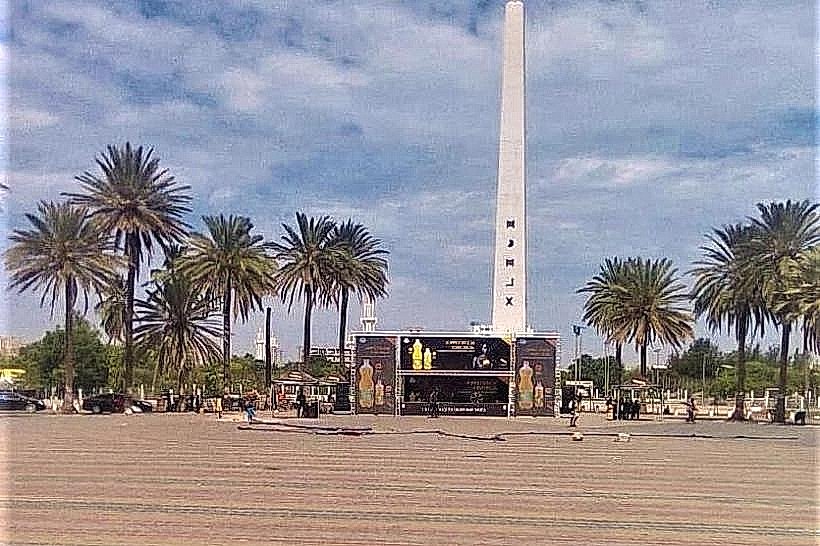
Landmark: Place de l'Obélisque
City: Dakar
Country: Senegal
Continent: Africa
Place de l'Obélisque, Dakar, Senegal, Africa
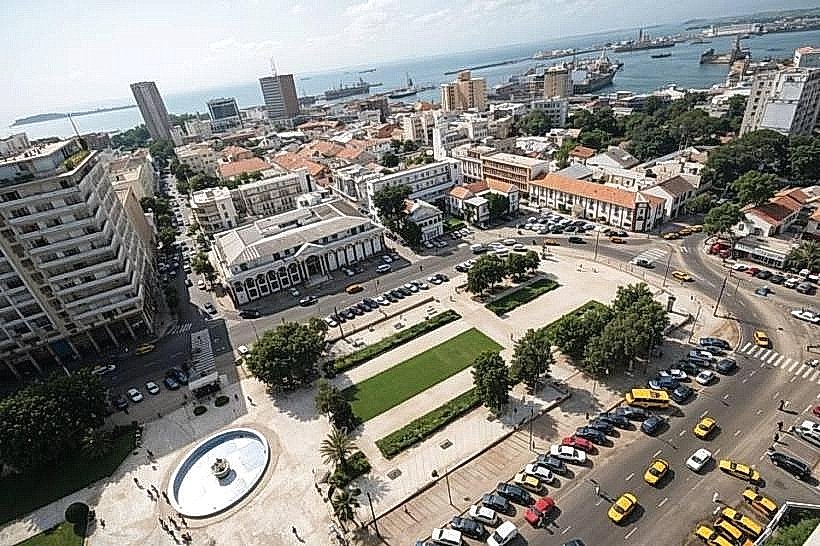
Place de l'Obélisque, also known as Place de la Nation, is a large public square and commemorative site located in the Colobane district of Dakar, Senegal. It serves as a central hub for national celebrations, political demonstrations, and civic gatherings.
Visual Characteristics
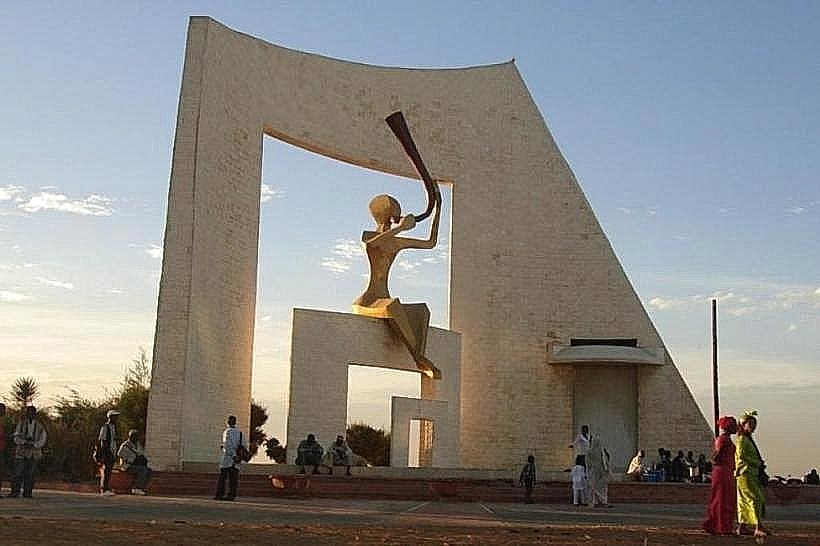
The central feature is a white concrete obelisk standing approximately 20 meters tall, situated on a raised pedestal. The monument is characterized by clean, vertical lines and a tapered peak, reflecting a modernist interpretation of traditional Egyptian forms. The surrounding plaza is paved with interlocking concrete stones and lacks significant vegetation, providing an open, unobstructed space for large crowds. The perimeter is defined by metal railings and broad asphalt roadways.
Location & Access Logistics
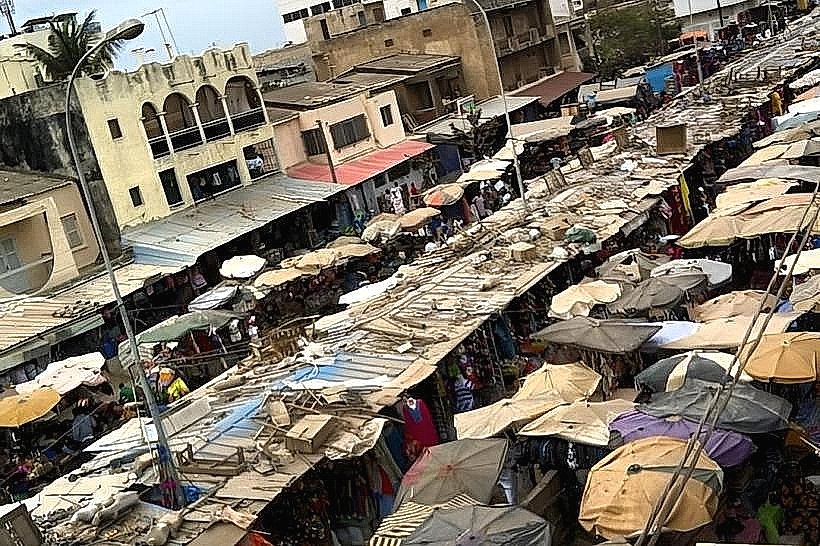
The site is positioned at the intersection of Avenue Cheikh Anta Diop and Boulevard du Général de Gaulle, approximately 3km north of the Plateau district. It is accessible via numerous Dakar Dem Dikk bus routes, including lines 1, 6, and 18, which stop at the Colobane or Place de la Nation stations. Taxis are the most frequent form of access; there is no dedicated parking lot, but street parking exists in the adjacent Colobane market area.
Historical & Ecological Origin
The obelisk was erected in 1960 to commemorate Senegal's independence from French colonial rule. It was designed to symbolize the birth of the new nation and its sovereignty. The square was later renamed Place de la Nation, though the original name remains in common local usage. The area sits on a flat coastal plain with no significant geological formations.
Key Highlights & Activities
The square is primarily used for walking and photography of the central monument. On Independence Day (April 4th), it hosts major military parades and government ceremonies. During the evenings, the plaza serves as a community space for local exercise, casual football matches, and skating. Guided tours are not standard, but the site is a frequent stop on city-wide historical circuits.
Infrastructure & Amenities
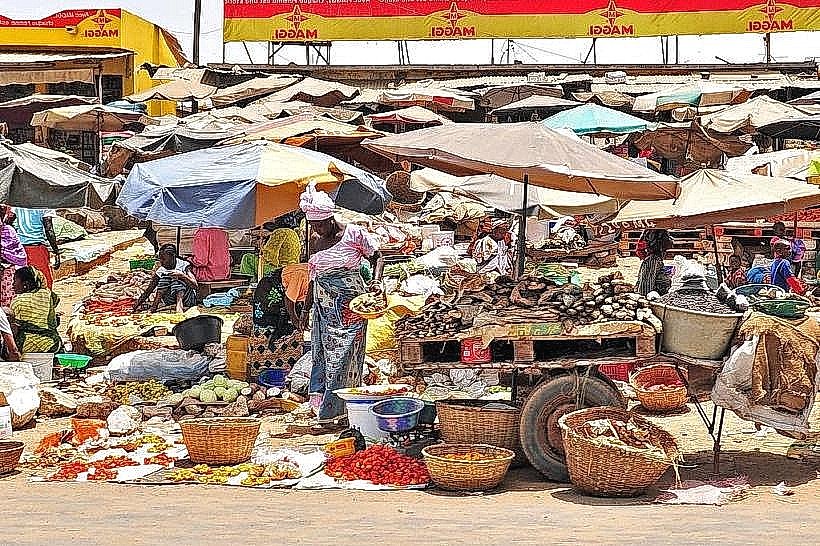
Infrastructure is minimal, consisting primarily of the open paved plaza. There are no public restrooms or dedicated shade structures on the square itself. 4G and 5G cellular signals are strong across the entire site. While there are no on-site food vendors, the adjacent Colobane Market offers extensive street food and beverage options within a 200-meter walk.
Best Time to Visit
The square is an open public space accessible 24 hours a day. For photography, the late afternoon (16:00 to 18:00) provides the best lighting on the white concrete surfaces without the harsh glare of the midday sun. The dry season (December to May) is the most comfortable period for visiting due to the lack of shade and high heat during the rainy months.
Facts & Legends
The obelisk features the inscription "1960," marking the year of independence, yet it has become a modern symbol of "Sopi" (change) in Senegalese politics, serving as the primary staging ground for major civil rights movements and presidential campaign rallies. It is considered the "barometer" of Senegalese public opinion due to its historical role in political shifts.
Nearby Landmarks
Colobane Market: 0.3km East
Gassane Cultural Center: 0.8km South
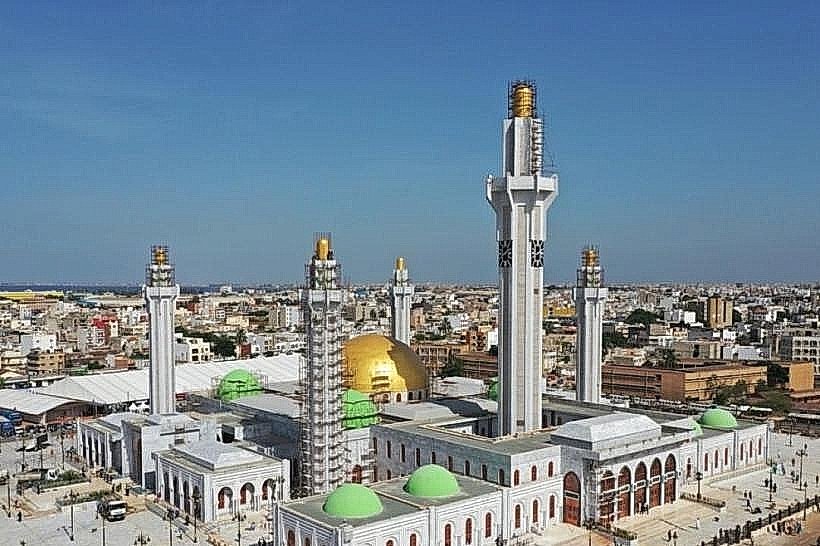
Dakar Grand Mosque: 2.1km South
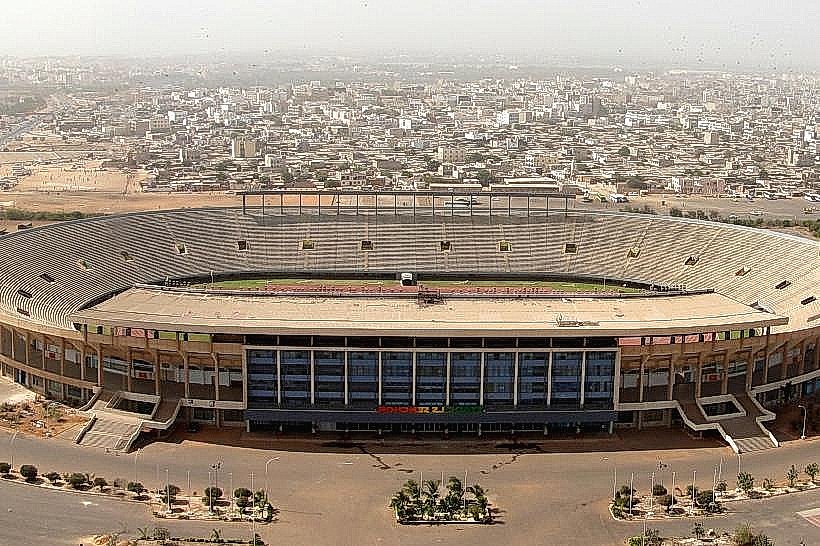
Stade Iba Mar Diop: 1.5km Southwest
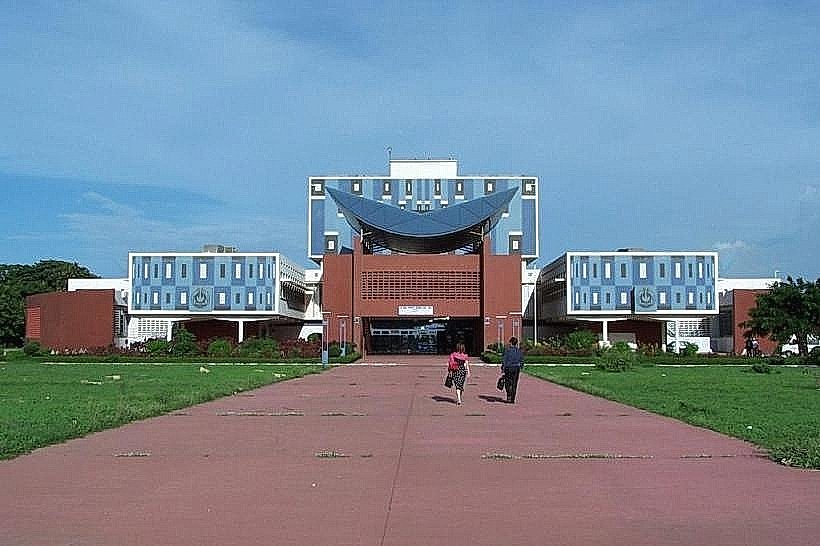
University Cheikh Anta Diop (UCAD): 2.2km West