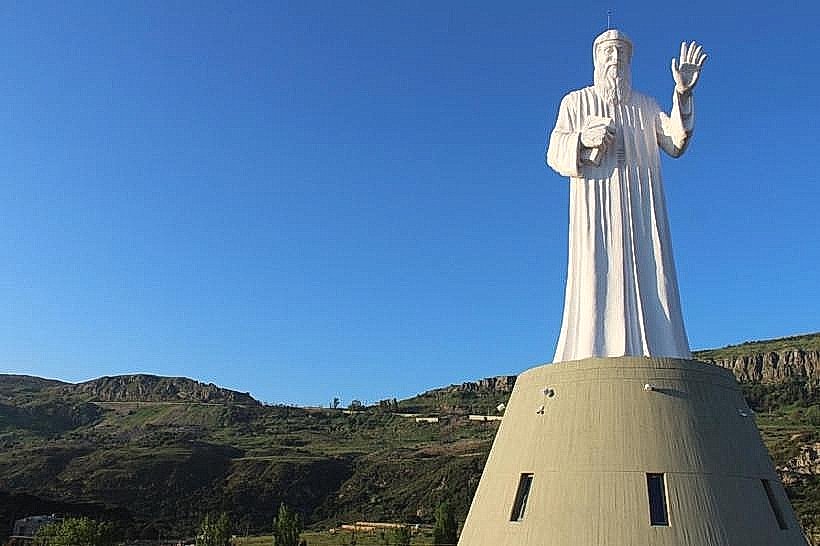
Landmark: Saint Charbel Statue
City: Faqra
Country: Lebanon
Continent: Asia
Saint Charbel Statue, Faqra, Lebanon, Asia
The Saint Charbel Statue is a monumental religious monument positioned on an elevated mountain peak within the municipality of Faraya, located in the Keserwan District of the Mount Lebanon Governorate, Lebanon. This high-altitude pilgrimage site stands at an elevation of roughly 1,950 meters above sea level on a rocky mountain ridge overlooking the ski resort corridors of the region.
Visual Characteristics
The monument consists of a massive, 24-meter-tall fiberglass and resin sculpture depicting the Maronite monk Saint Charbel Makhlouf dressed in traditional black habit and cowl, with his right hand raised in a gesture of blessing. The statue is anchored to a reinforced concrete octagonal pedestal base that rises an additional 11 meters, bringing the total structural height to 35 meters. The structural shell is colored in charcoal grey and black tones to withstand high UV exposure and intense mountain wind shear. The surrounding landscape features jagged, exposed grey limestone formations and barren alpine gravel slopes completely devoid of tall trees.
Location & Access Logistics
The site is located approximately 52 kilometers northeast of Beirut and 6 kilometers uphill from the center of Faraya village. Access from Beirut is via the Northern Maritime Highway to the Nahr el-Kalb interchange, turning inland onto the regional highway passing through Ajaltoun, Ashqout, and Kfardebian toward the Mzar Ski Resort. The final approach involves a steep, winding paved mountain road branching off the main resort thoroughfare. A large, unpaved gravel parking area is situated directly at the base of the summit stairs. Public transit does not serve the monument, requiring private 4WD vehicles or regional taxi service.
Historical & Ecological Origin
The creation of the monument was initiated in 2017 under the direction of Lebanese sculptor George Makhlouf. The massive statue was cast in segments at a workshop in the coastal town of Jounieh before being transported up the mountains in a specialized multi-vehicle convoy on August 20, 2017. The site was formally inaugurated on September 14, 2017, to coincide with the Feast of the Exaltation of the Holy Cross. Geologically, the mountain peak is part of the Cretaceous limestone formation of the Mount Lebanon range, which experiences extreme alpine weather, including heavy snow pack that completely surrounds the base from December to April.
Key Highlights & Activities
Ascending the wide stone monumental staircase leading from the parking zone to the elevated viewing platform.
Examining the architectural integration of the internal chapel built directly inside the concrete pedestal base.
Observing panoramic viewpoints that encompass the Faraya-Chabrouh valley, the ski slopes, and the distant Mediterranean coastline.
Participating in outdoor religious services and candle-lighting vigils organized on the surrounding stone-paved esplanade.
Infrastructure & Amenities
The site features basic religious tourism infrastructure, including a paved walking plaza, metal safety railings along the steep cliff edges, and a designated zone for votive candles. Public restrooms are located adjacent to the parking area at the base of the summit. Due to the high altitude and open ridge topography, cell phone connectivity is strong, delivering stable 4G and 5G signals across the entire perimeter. No permanent indoor restaurants operate on the summit proper, but small seasonal kiosks selling devotional items and refreshments are located near the entrance, with extensive commercial options available 2 kilometers down the ridge.
Best Time to Visit
The ideal months for visitation are from May to November when the access roads and summit staircases are completely clear of heavy mountain snowpack. Photography is most effective during the late afternoon hours between 17:00 and 19:00, when the setting sun illuminates the front face of the statue and projects dramatic shadows across the surrounding limestone canyons.
Facts & Legends
The logistics of moving the statue in 2017 required the temporary dismantling of overhead utility wires, traffic lights, and road barriers along the 40-kilometer route from the coast to the mountains due to the sheer width of the torso sections. Local residents frequently note that during winter blizzards, the high wind patterns around the ridge keep the upper half of the dark monument clear of accumulating ice, making it visible across the white mountain peaks from kilometers away.
Nearby Landmarks
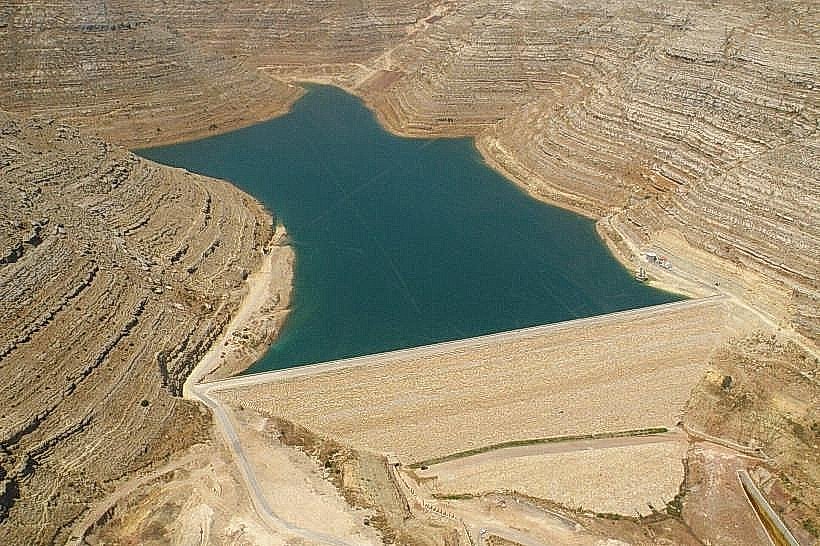
Chabrouh Dam: 2.5km Southeast
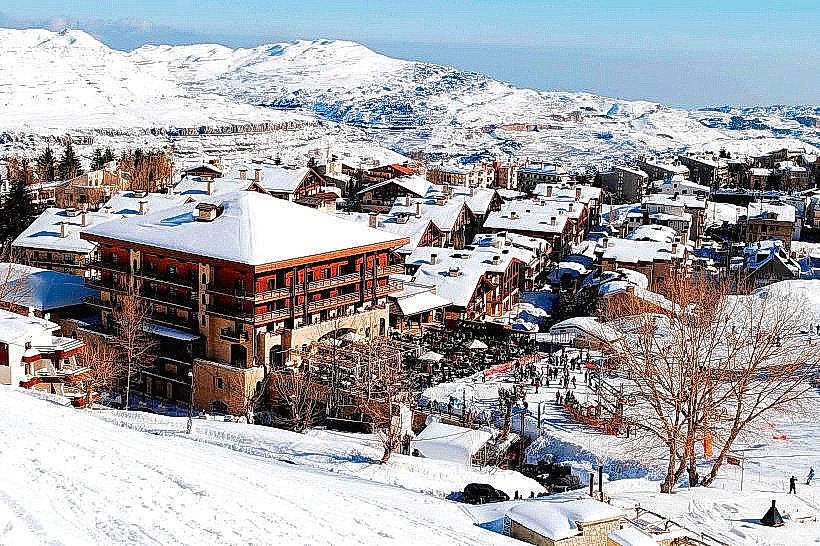
Mzar Ski Resort: 3.5km North
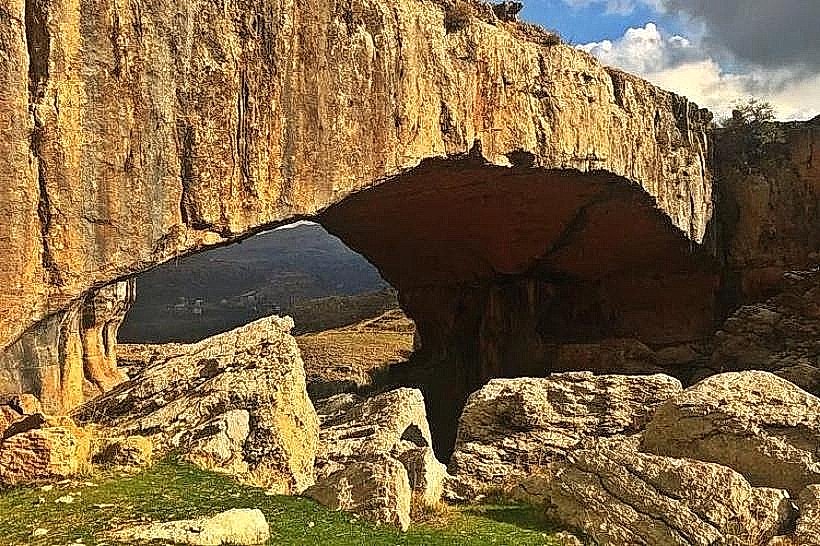
Faqra-natural-bridge_faqra" class="underline">Faqra Natural Bridge: 4.2km West
Faraya Village Square: 6.0km Southwest