Landmark: Tenorio Volcano National Park
City: Guanacaste
Country: Costa Rica
Continent: North America
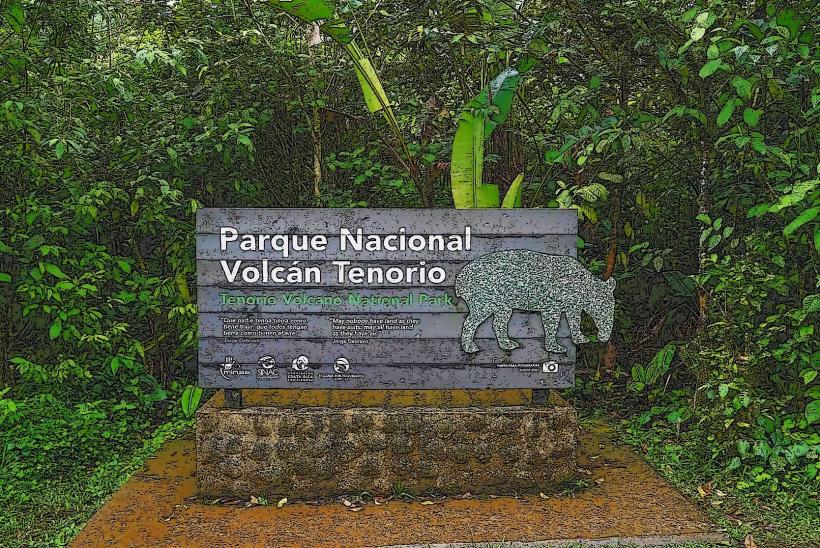
Tenorio Volcano National Park, Guanacaste, Costa Rica, North America
Tenorio Volcano National Park is a protected area located in the Guanacaste province of Costa Rica. It encompasses the Tenorio Volcano and surrounding rainforest ecosystems.
Visual Characteristics
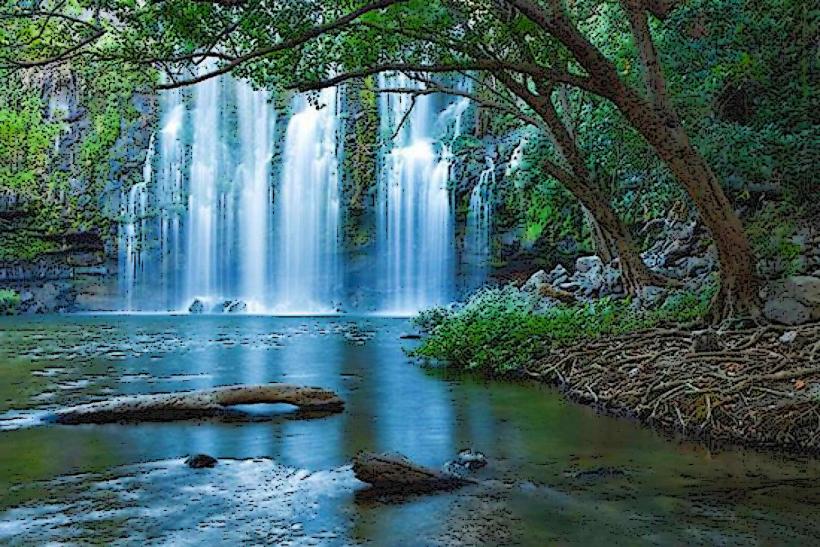
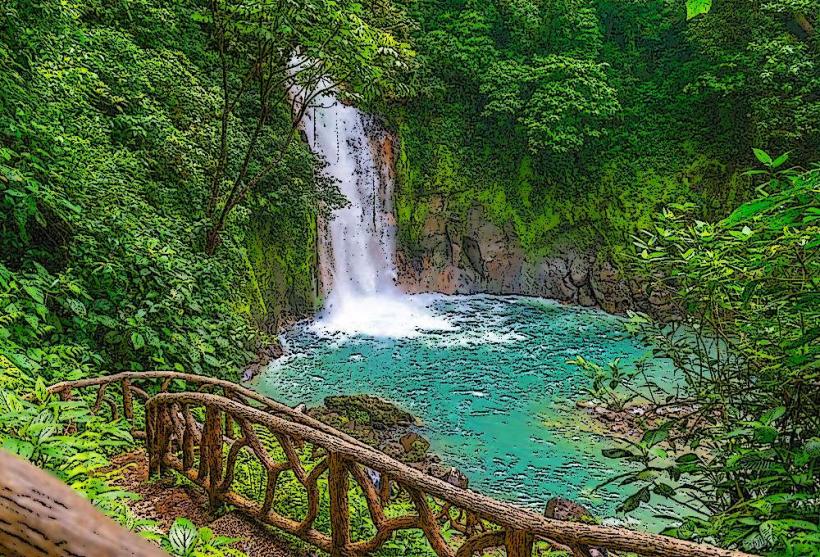
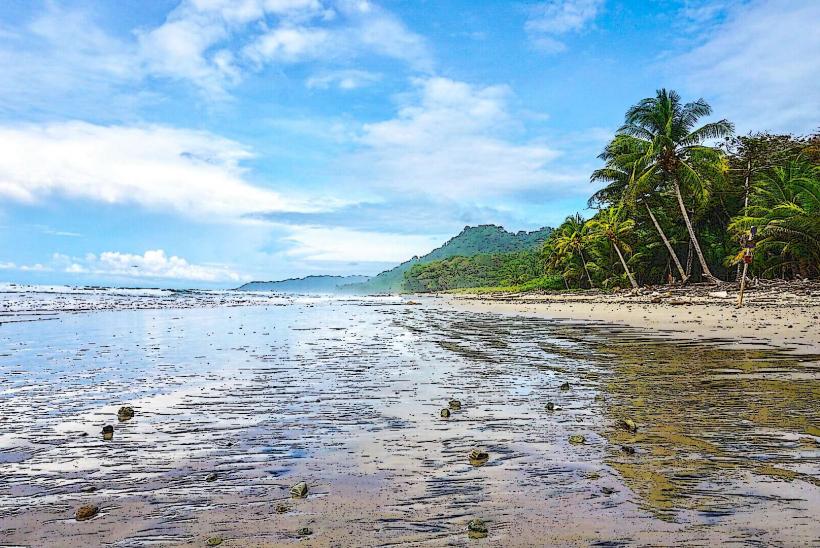
The park features dense tropical rainforest with a high canopy. The terrain is characterized by volcanic slopes, rivers, and waterfalls. The most notable visual element is the Rio Celeste, a river that exhibits a striking turquoise-blue color due to the presence of silica and sulfur compounds reacting with sunlight. The volcano itself is a dormant stratovolcano with two peaks.
Location & Access Logistics
The park entrance is approximately 25 kilometers from the town of Bijagua. Access is via unpaved roads, specifically the Route 6, then turning onto a local road towards the park entrance. Driving from Liberia International Airport (LIR) takes approximately 1.5 to 2 hours. Parking is available at the main entrance. Public transport options are limited; a combination of local buses to Bijagua and then a taxi or pre-arranged shuttle is the most feasible public transit method.
Historical & Ecological Origin
Tenorio Volcano is a stratovolcano formed by volcanic activity over thousands of years. The park was established in 1976 to protect the volcanic massif and its biodiverse rainforest. The unique coloration of the Rio Celeste is a result of a natural chemical reaction between volcanic minerals (aluminosilicates) and the water's pH, a phenomenon studied by geologists.
Key Highlights & Activities
Hiking the main trail to the waterfall and the "Teñideros" (where the river's color originates) is the primary activity. Observing the Rio Celeste's blue color is a key highlight. Wildlife viewing opportunities include monkeys, sloths, and various bird species. Swimming is prohibited in the Rio Celeste within the park boundaries.
Infrastructure & Amenities
Restrooms are available at the park entrance. Limited shade is present along the main trail. Cell phone signal is intermittent to non-existent within the park. No food vendors are located inside the park; visitors should bring their own provisions. Basic visitor services are concentrated at the entrance station.
Best Time to Visit
The best time of day for photography of the Rio Celeste is between 10:00 AM and 2:00 PM, when sunlight is most direct. The dry season, from December to April, offers the most stable weather conditions. The rainy season (May to November) can lead to muddy trails and reduced visibility, though the river's color is often more intense after rainfall.
Facts & Legends
Local folklore suggests the river's color is due to a divine painter who dipped his brush in the sky and then into the river. Scientifically, the color is attributed to the interaction of light with suspended particles of aluminum and silicon. A specific tip for visitors is to wear sturdy, waterproof footwear as trails can become slippery, especially after rain.
Nearby Landmarks
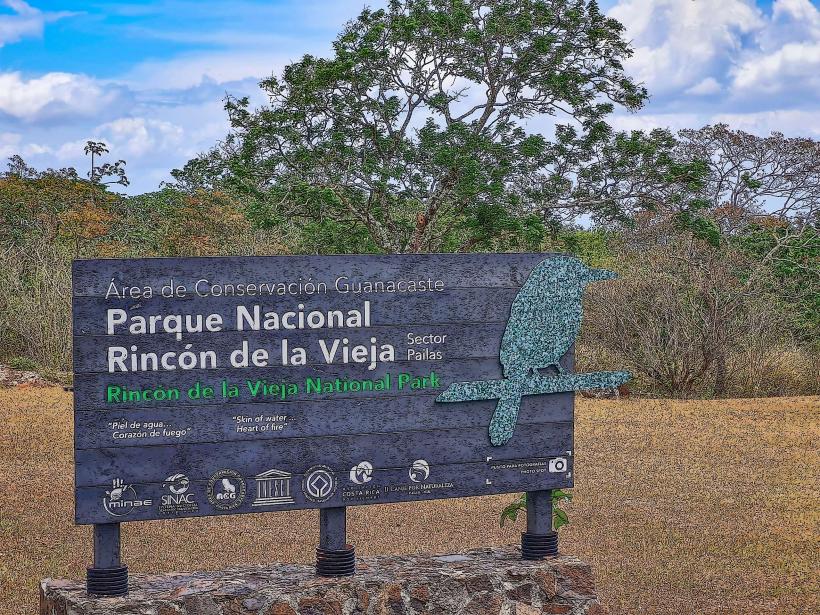
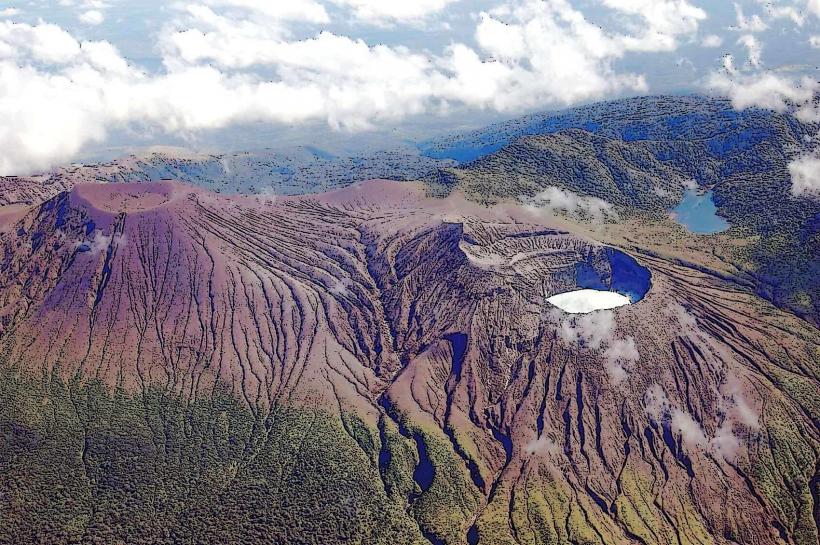
- Rincón de la Vieja National Park (30km Southwest)
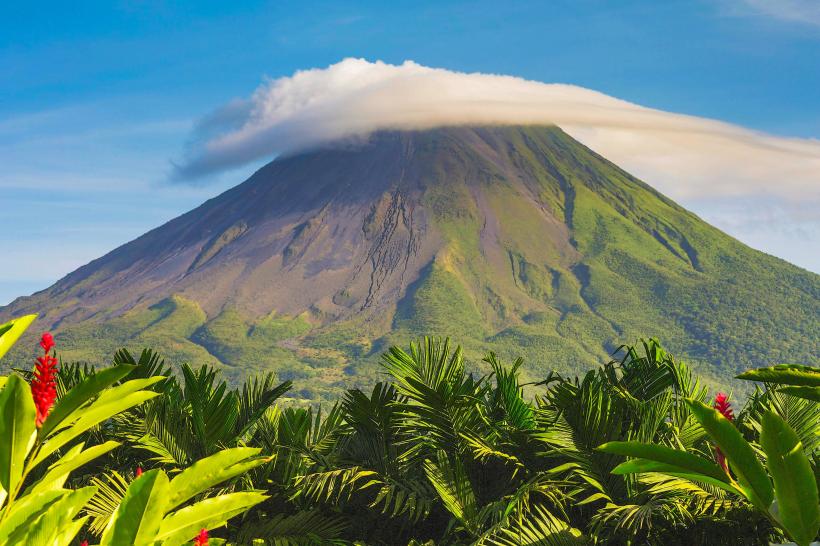
- Arenal Volcano National Park (50km Southeast)
- La Fortuna Waterfall (55km Southeast)
- Lake Arenal (50km Southeast)
- Caño Negro Wildlife Refuge (60km North)