Landmark: Turkish Bath Museum
City: Akko
Country: Israel
Continent: Asia
Turkish Bath Museum, Akko, Israel, Asia
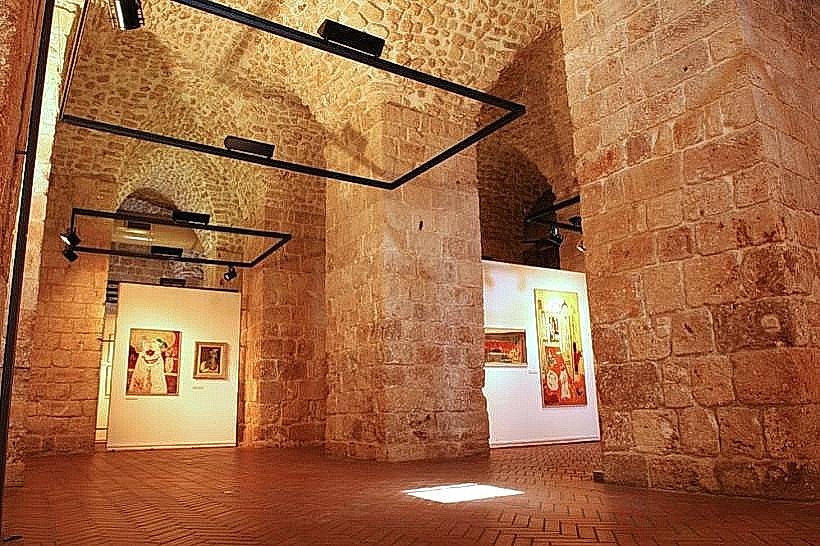
The Turkish Bath Museum (Hamam al-Basha) is a preserved 18th-century bathhouse in Old Acre. It served as a social and hygienic center during the Ottoman period and currently functions as a museum using multimedia to illustrate the city's history and traditional bathing culture.
Visual Characteristics
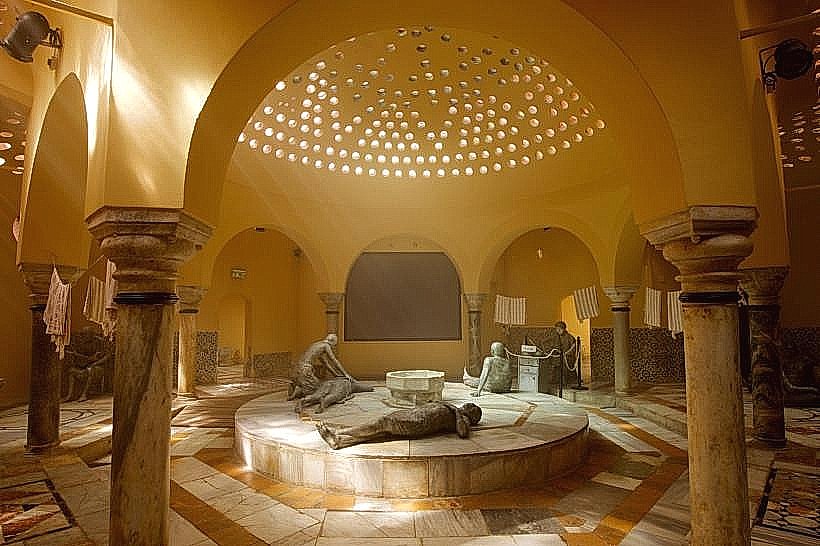
The museum is housed in a classic Ottoman structure with a large central dome and several smaller domes inset with colored glass "eyes" that filter natural light. The interior is divided into three main sections: the Summer Room (dressing area), the Intermediate Rooms, and the Hot Room (steam room). The walls feature marble tiles and ceramic mosaics, while a central marble massage platform sits under the main dome. The stone floors originally concealed an underfloor heating system.
Location & Access Logistics
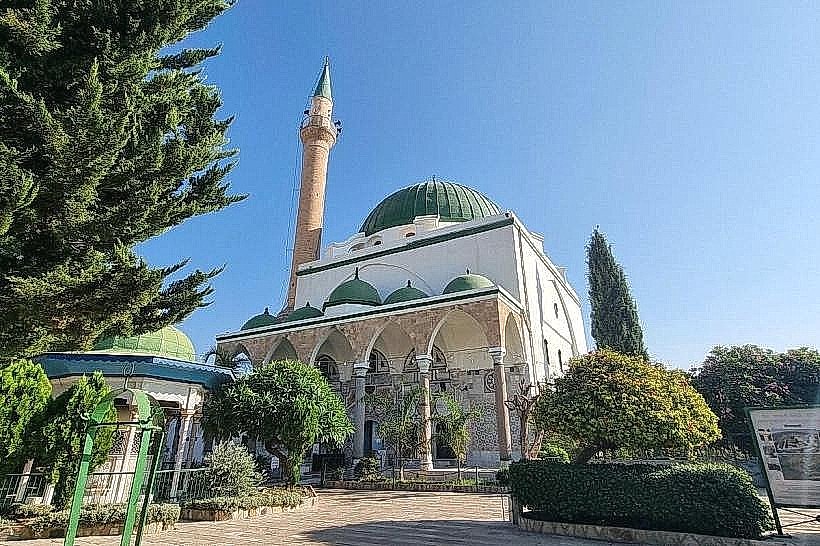
The museum is located on Portsei ha-Mivtsar Street, positioned between the Al-Jazzar Mosque and the Turkish Bazaar. It is situated at the northern end of the Old Acre Market. Access is pedestrian-only within the Old City. The nearest public parking is at the northern moat area, a 5-minute walk from the entrance. The site is approximately a 15-minute walk from the Acre Railway Station.
Historical & Ecological Origin
The bathhouse was built in 1795 by Ahmed al-Jazzar Pasha, the Ottoman governor of Acre. It was constructed using sandstone (kurkar) and marble salvaged from ancient ruins. Historically, the bathhouse operated until the 1940s. Geologically, it sits on the coastal sandstone ridge of the Akko peninsula. The design prioritized thermal efficiency, using thick stone walls and subterranean furnaces to maintain high temperatures.
Key Highlights & Activities
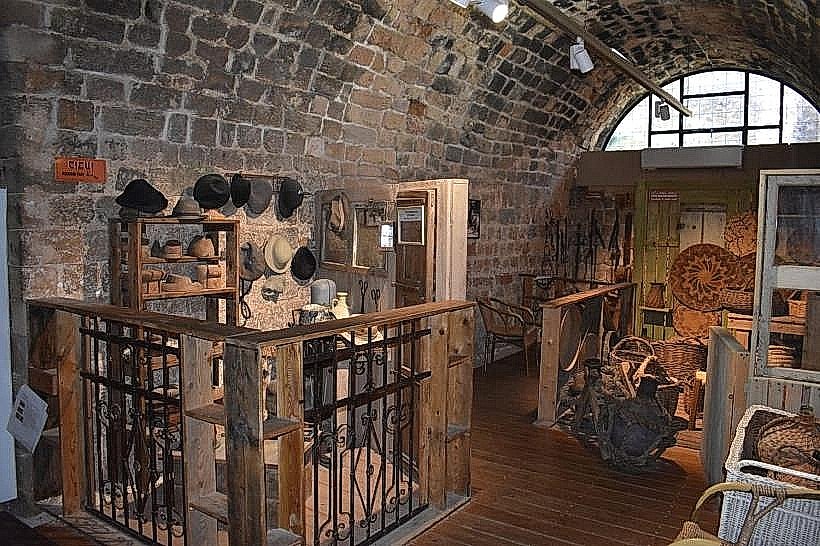
The primary experience is the "Last Bath Attendant" multimedia presentation, which uses holographic projections and audio guides to tell the history of the bathhouse through a fictional family of attendants. Visitors walk through various temperature zones to observe original heating pipes and water channels. The Summer Room contains a decorative marble fountain and displays Ottoman-era personal hygiene artifacts, such as wooden clogs and brass bowls.
Infrastructure & Amenities
The facility includes an air-conditioned visitor reception area and a small souvenir shop. Public restrooms are located within the complex. While the main Summer Room is accessible, the transition to the Intermediate and Hot rooms involves narrow doorways and stone steps, making full ADA compliance difficult. The museum is surrounded by numerous cafes and restaurants in the commercial district. Full 5G cellular coverage is available.
Best Time to Visit
The museum is open Sunday through Thursday and Saturday from 09:00 to 17:00, and Friday until 16:00. Weekday mornings are recommended to avoid large groups. Because the site is entirely indoors and maintains a cool environment in the reception areas, it is an ideal refuge during peak midday heat. The tour takes approximately 45 minutes to complete.
Facts & Legends
A historical oddity is that the bathhouse remained operational during several military sieges, serving as neutral ground for communication. Local legend suggests that Ahmed al-Jazzar personally designed the acoustics of the Hot Room to overhear the conversations of his advisors while they bathed, ensuring he remained informed of potential political dissent.
Nearby Landmarks
Al-Jazzar Mosque – 0.1km North
Turkish Bazaar – 0.1km West
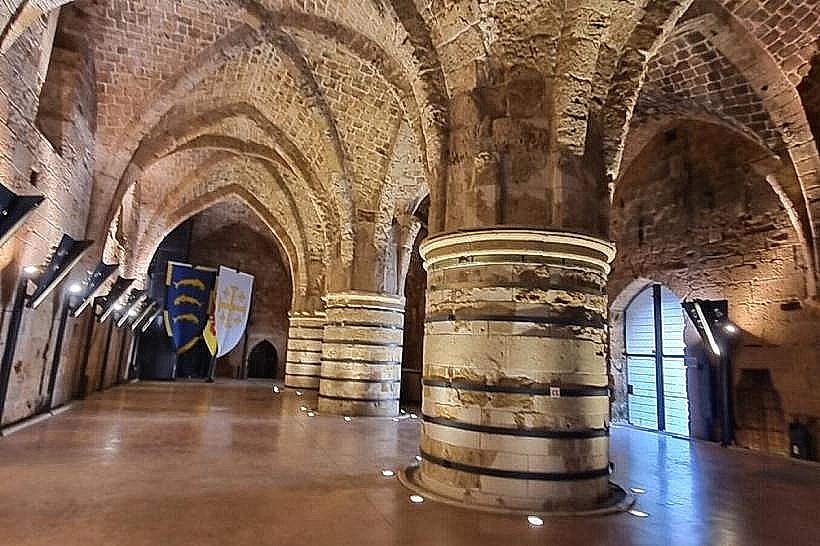
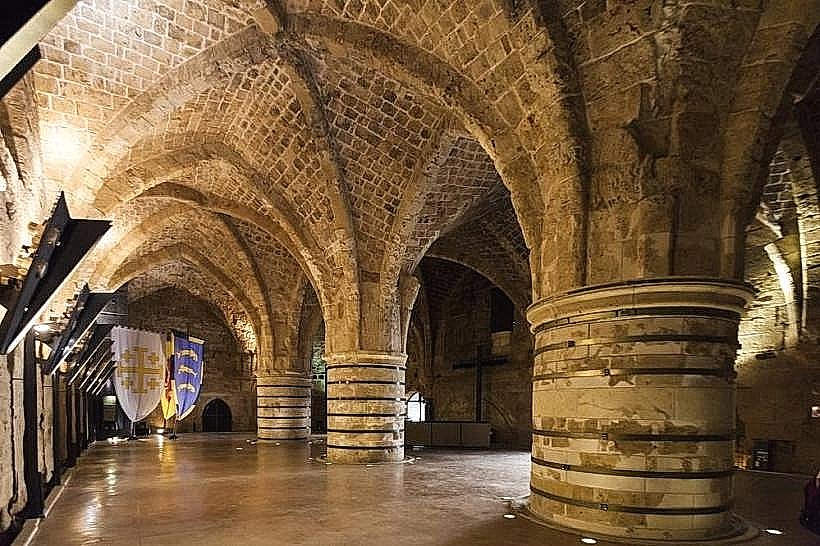
Knights' Halls – 0.2km North
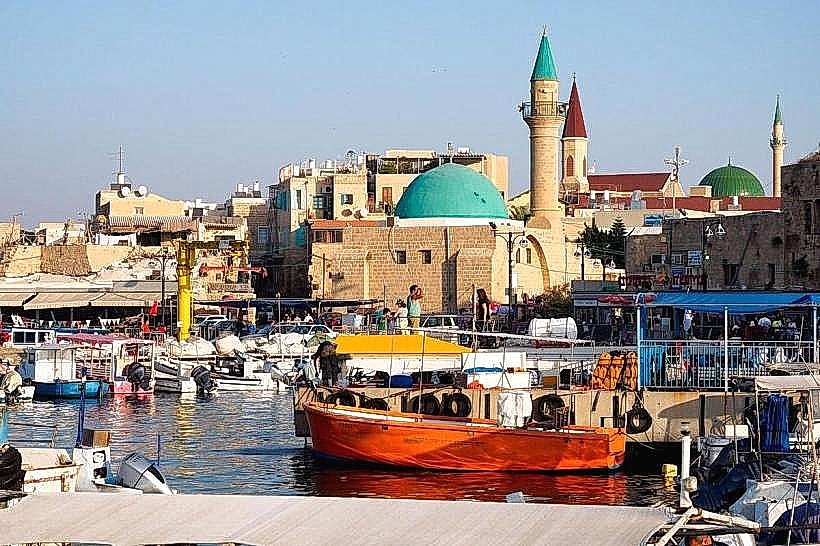
Acre Port – 0.3km South
Templars' Tunnel – 0.5km Southwest