Landmark: Turkish Railway Station
City: Beersheba
Country: Israel
Continent: Asia
Turkish Railway Station, Beersheba, Israel, Asia
The Turkish Railway Station is a meticulously restored heritage site in Beersheba that serves as a museum dedicated to the Ottoman-era rail system.
Visual Characteristics
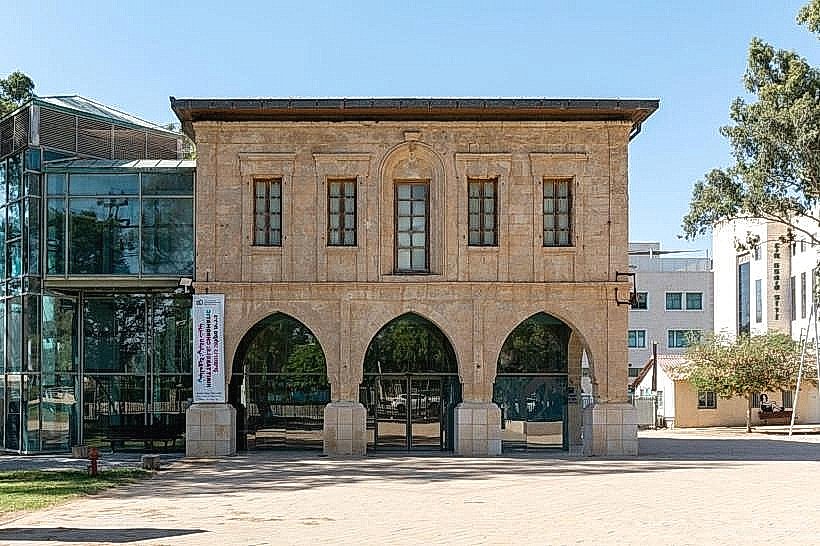
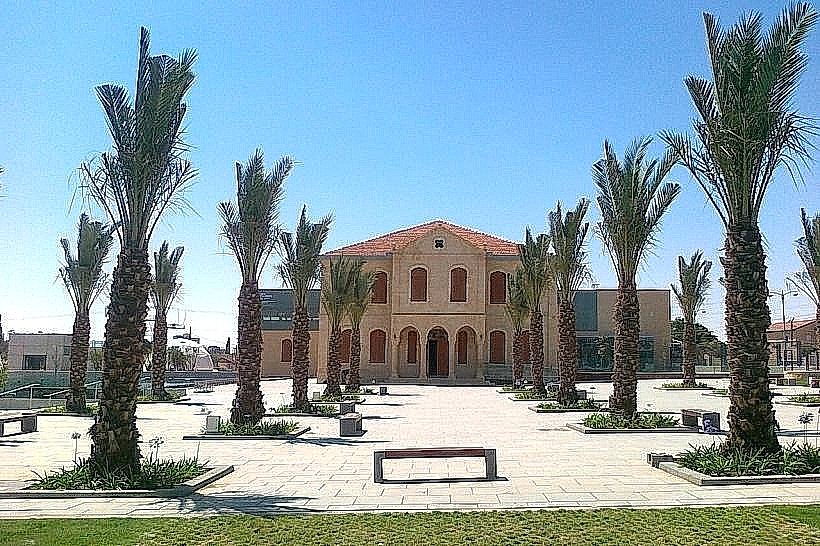
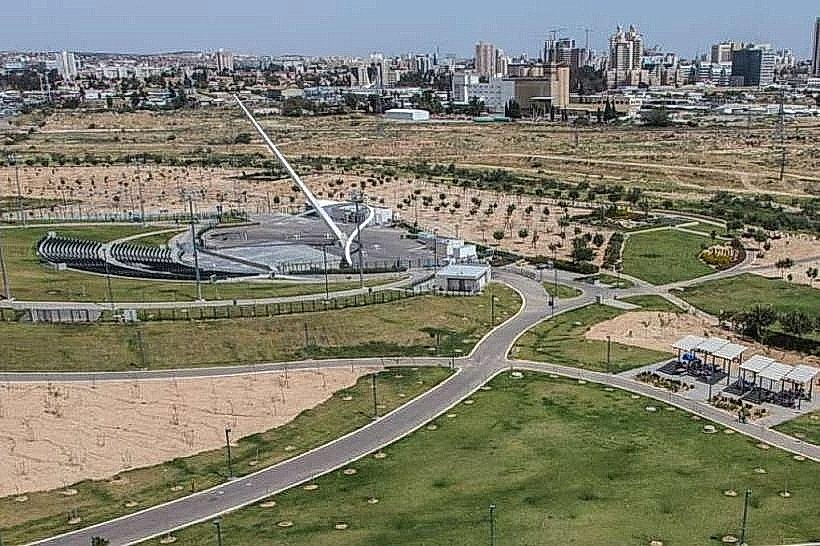
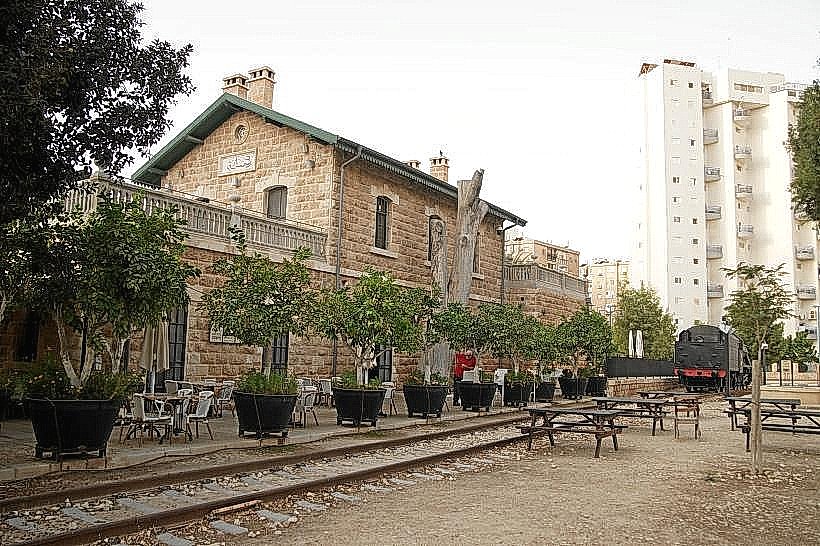
The site consists of three original stone buildings constructed in the late-Ottoman architectural style, featuring arched doorways, thick limestone walls, and red-tiled roofs. A central visual highlight is the authentic steam locomotive, Engine No. 70414, which sits on a preserved section of track. The complex is integrated into a modern urban park setting, blending original industrial masonry with contemporary landscaping and outdoor seating areas.
Location & Access Logistics
The station is located at 65 Tuviyahu Boulevard, at the intersection with Ali Daivis Street, on the northwestern edge of the Old City. It is easily accessible via the main arteries of Beersheba and is approximately 1.5 km from the Be'er Sheva Merkaz Railway Station. On-site parking is available, and several local bus lines stop directly in front of the complex.
Historical & Ecological Origin
Built in 1915 during World War I, the station was a critical link in the military railway line intended to transport Ottoman and German troops and supplies toward the Suez Canal. Geologically, it is situated on the loess plains of the northern Negev. The station was the southern terminus of the line from Jaffa and represents a significant era of modernization in the region's transport infrastructure before it was captured by British forces in 1917.
Key Highlights & Activities
Steam Engine 70414: A restored locomotive that serves as the centerpiece of the museum, allowing for close-up inspection and photography.
Heritage Museum: Housed in the original station master's building, the museum features historical photographs, telegraph equipment, and documents detailing the construction of the Sinai railway.
The Travel Agency Exhibition: A multimedia display located inside a restored wooden rail car that tells the personal stories of passengers and workers from the early 20th century.
Historical Water Tower: A circular stone tower used to supply water to the steam engines, which remains standing as a prominent landmark of the site.
Infrastructure & Amenities
The facility serves as a cultural hub and includes a boutique cafe, public restrooms, and a visitor information center. The entire site is level and ADA-compliant, with paved paths connecting the various buildings and exhibits. Shaded benches are distributed throughout the park area. Full 5G cellular coverage is available.
Best Time to Visit
The station park is open to the public daily, while the museum exhibits typically operate Sunday through Thursday from 09:00 to 16:00. The best time to visit is late afternoon, as the station building and locomotive are beautifully illuminated by the setting sun. It is a popular spot for families on weekends due to the open park space.
Facts & Legends
A historical oddity is that the station was operational for less than two years before the Ottoman retreat, yet it remains one of the most complete railway heritage sites from that period. Local tradition notes that the station was a site of high drama during the 1917 Battle of Beersheba, as it was one of the final Ottoman strongholds to fall to the ANZAC forces.
Nearby Landmarks
Carasso Science Park – 1.0km Southeast
Negev Museum of Art – 1.5km Southeast
Beersheba War Cemetery – 0.8km South
Abraham's Well – 2.0km Southeast
Monument to the Negev Brigade – 4.5km Northeast