City: Aley
Country: Lebanon
Continent: Asia
Aley, Lebanon, Asia
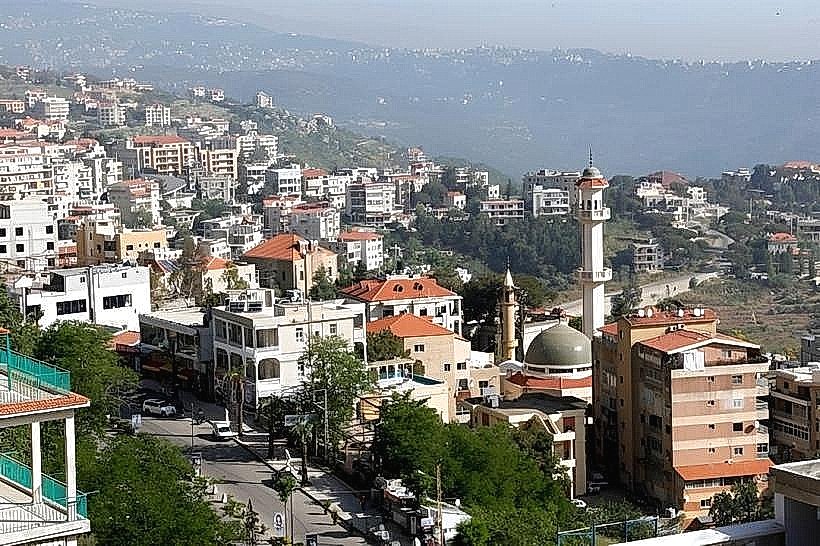
Aley serves as the administrative capital of the Aley District within the Mount Lebanon Governorate and acts as a major summer resort hub for both Lebanese nationals and tourists from the Arab Gulf. It is strategically positioned on the western slopes of Mount Lebanon at an elevation of approximately 850 meters, overlooking the capital city of Beirut and the Mediterranean coastline.
Historical Timeline
Aley gained regional prominence in the late 19th century following the construction of the Beirut-Damascus railway (1892–1895), which established the town as a primary mountain retreat for the urban elite. The municipality was formally established in 1908, making it one of the oldest in Lebanon. During the 1960s and 1970s, it was internationally recognized as the "Bride of the Summers" due to its cosmopolitan tourism scene. The primary event shaping its current urban form was the Lebanese Civil War (1975–1990), which caused significant destruction and demographic shifts, followed by a major reconstruction phase in the 1990s that restored its commercial center and promenade.
Demographics & Population
The estimated population of the Aley metropolitan area is approximately 45,000, though this number triples during the summer months. The demographic is primarily Druze, with significant Maronite and Greek Orthodox Christian communities. The median age is approximately 30 years, reflecting a stable residential base supplemented by a younger seasonal service workforce.
Urban Layout & Key Districts
The city is organized along a central ridge, with development cascading down the mountain slopes.
Aley Souk (The Promenade): The pedestrian-heavy commercial heart of the city, lined with outdoor cafes, restaurants, and retail outlets.
Ras el-Jabal: The highest point of the city, known for its panoramic viewpoints and a high concentration of large-scale hotels and summer villas.
The Boulevard: The main transit artery that connects the city center to the primary highway toward Beirut and Damascus.
Top City Landmarks
Aley Souk: A historic pedestrian walkway famous for its 20th-century stone architecture and open-air social scene.
The International Sculpture Park: An outdoor gallery featuring works by local and international artists created during the city's annual sculpture symposia.
The Emir Faisal Arslan Museum: A cultural site located in a traditional palace dedicated to the history of the Lebanese independence and the Arslan family.
Ras el-Jabal Viewpoint: A scenic plateau offering unobstructed views of the Beirut skyline and the Mediterranean Sea.
Historical Railway Station Ruins: Remnants of the Ottoman-era transit infrastructure that originally catalyzed the city's growth.
Transportation Network
Movement within Aley is primarily by private car or "Service" (shared taxis) that navigate the main mountain roads. There is no metro or rail service. The city is a major stop for buses and minivans traveling the Beirut-Damascus highway. Official taxis have red license plates. Traffic density is extremely high during summer weekends, particularly on the roads leading to the Souk and Ras el-Jabal. Ride-sharing apps like Uber and Bolt are functional but have lower availability than in Beirut.
Safety & "Red Zones"
Aley is generally considered a safe and stable environment for visitors. There are no specific "Red Zones" within the city limits. Standard precautions should be taken regarding celebratory gunfire during local events and political rallies. Visitors should avoid discussing sensitive sectarian politics in public spaces. Common scams involve unregulated pricing at seasonal tourist establishments; it is recommended to check menus or confirm taxi fares before service.
Digital & Financial Infrastructure
Average internet speeds range from 25 to 50 Mbps, with reliable 4G/LTE coverage provided by Alfa and Touch. The economy is heavily dollarized (USD), though the Lebanese Pound (LBP) is used for daily transactions. Credit card acceptance is high in large resorts and upscale restaurants in the Souk, but cash is required for smaller shops and transport. ATMs are widely available along the main commercial boulevard and near the central banks.
Climate & Air Quality
Aley has a Mediterranean mountain climate. Summer (June–September) temperatures range from 18°C to 28°C with low humidity, providing a cool refuge from coastal heat. Winter (December–March) is cold and wet, with temperatures between 4°C and 12°C and occasional snow. Air quality is generally good, though particulate levels can rise during the summer due to heavy tourist traffic and the operation of private diesel generators.
Culture & Social Norms
The city maintains a cosmopolitan yet traditional mountain culture.
Tipping: 10% is standard in restaurants and cafes.
Greeting: Handshakes are standard; a French-influenced "Bonjour" is a common greeting.
Dress Code: Generally liberal and Westernized; however, modest attire is expected when visiting religious sites or traditional Druze villages nearby.
Alcohol/Smoking: Alcohol is widely available and served in most restaurants; "Arghileh" (water pipe) smoking is a central social activity in the Souk cafes.
Accommodation Zones
Ras el-Jabal: Recommended for luxury resorts and hotels offering mountain views and a quieter environment.
Souk Perimeter: Recommended for those seeking walking access to nightlife, shopping, and the central promenade.
Local Cost Index
1 Espresso: 190,000 LBP ($2.00 USD)
1 Standard Lunch: 1,220,000 LBP ($13.00 USD)
1 Shared Taxi (Service) to Beirut: 190,000 LBP ($2.00 USD)
Nearby Day Trips
Beiteddine Palace: Historic 19th-century palace complex (25 km).
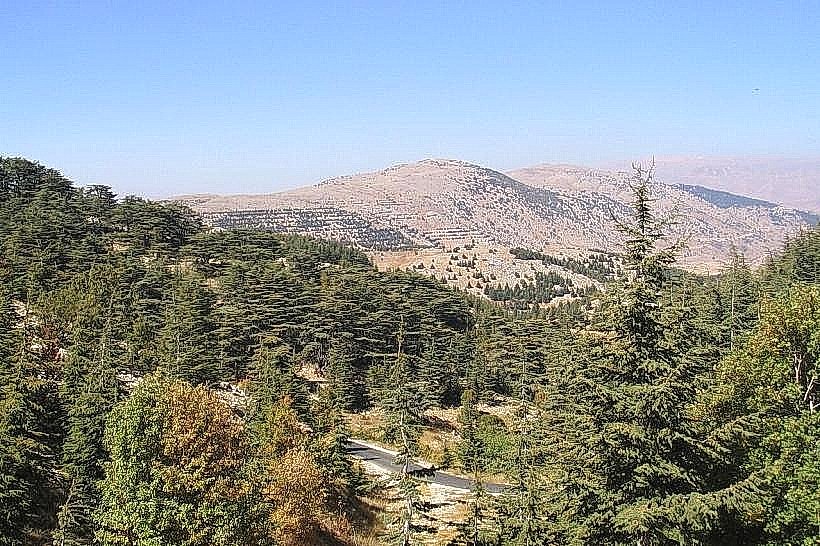
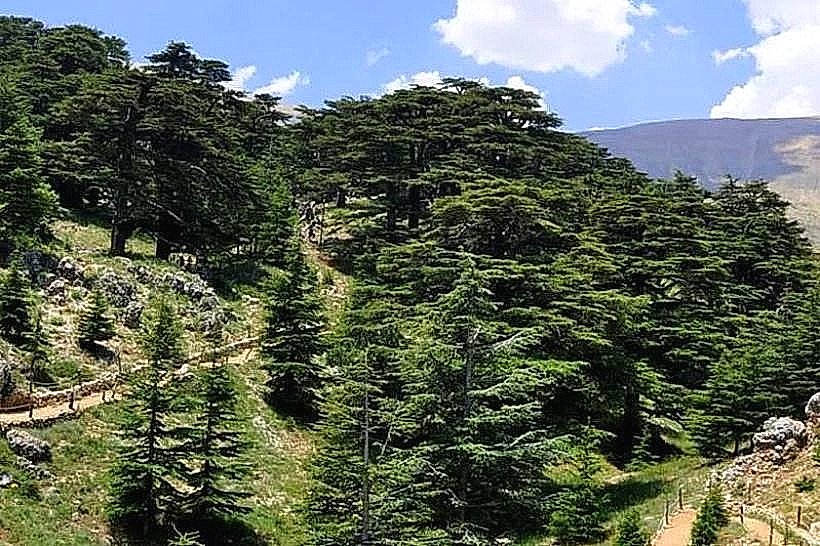
Barouk Cedar Forest: Part of the Shouf Biosphere Reserve (30 km).
Beirut: The capital city and its cultural attractions (17 km).
Jeita Grotto: Massive crystallized limestone caves (28 km).
Facts & Legends
Aley is often referred to as the "City of Fog" because of the thick mists that frequently roll up from the coast in the late afternoon, suddenly enveloping the town. A verified historical oddity is that during the 1960s, the city’s nightlife was so prestigious that it hosted international stars such as Dalida and Charles Aznavour, who performed at the historic Grand Hotel Casino d'Aley, once considered the premier gambling and social destination in the Middle East.