City: Apia
Country: Samoa
Continent: Australia
Apia, Samoa, Australia
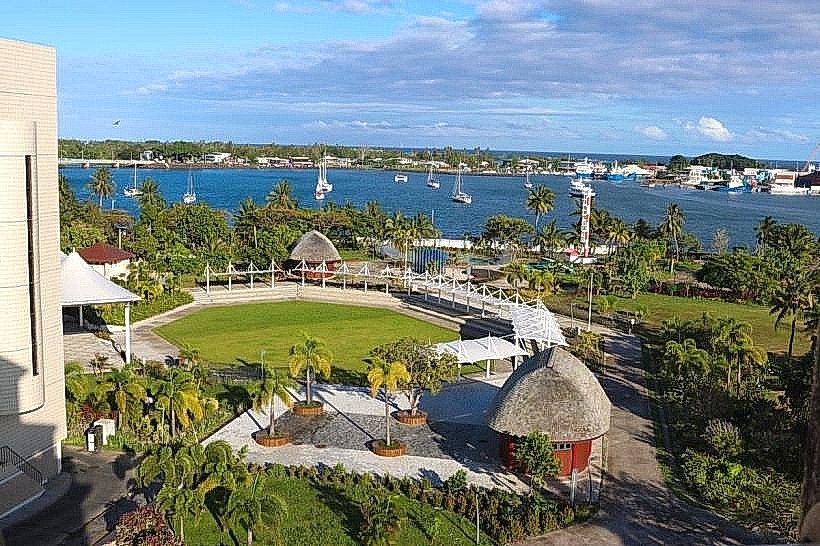
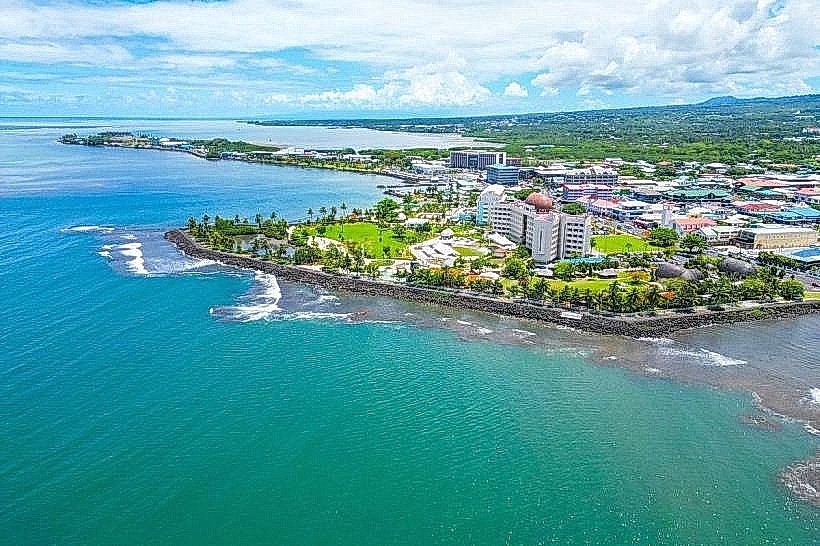
Apia serves as the administrative capital and the sole commercial hub of Samoa, housing the nation's parliament and central government agencies. It is situated on the central north coast of Upolu Island, the second-largest island in the Samoan archipelago.
Historical Timeline
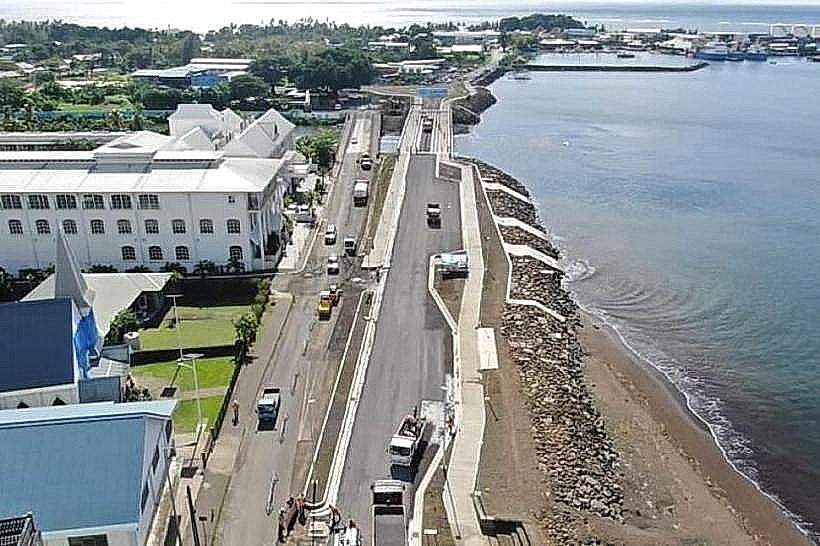
Apia originated as a small village in the early 1800s and became a significant port of call for European traders and missionaries by the 1830s. The city served as a focal point for German colonial administration (1900–1914) and New Zealand governance (1914–1962). The most significant modern reconstruction occurred following the 1990 and 1991 cyclones (Ofa and Val), which led to the reinforcement of the sea wall and modernizing the harbor. The 1962 independence from New Zealand remains the primary political event shaping its current urban identity.
Demographics & Population
The population of the Apia urban area is approximately 36,000, while the greater metropolitan area (the Vaimauga and Faleata districts) accounts for roughly 70,000 people. The top three demographics are Samoan (92%), Euronesian (mixed European and Polynesian, 7%), and East Asian (1%). The median age is 22.4 years.
Urban Layout & Key Districts
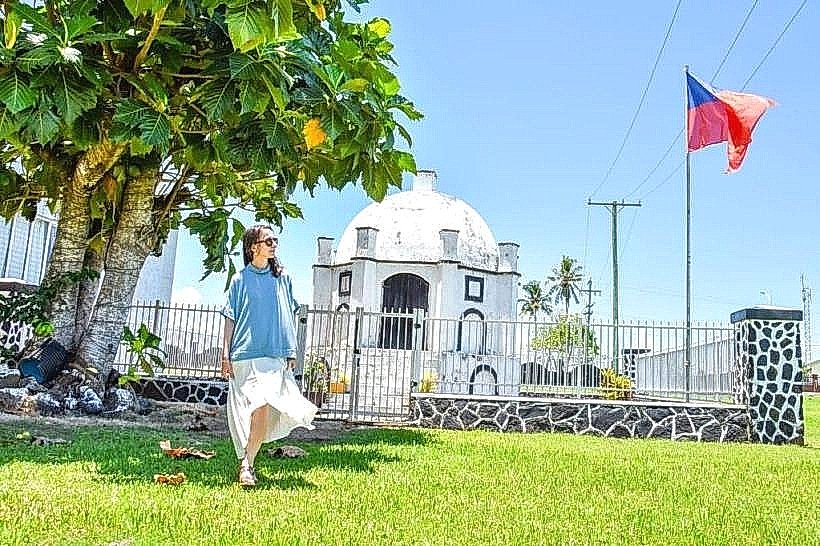
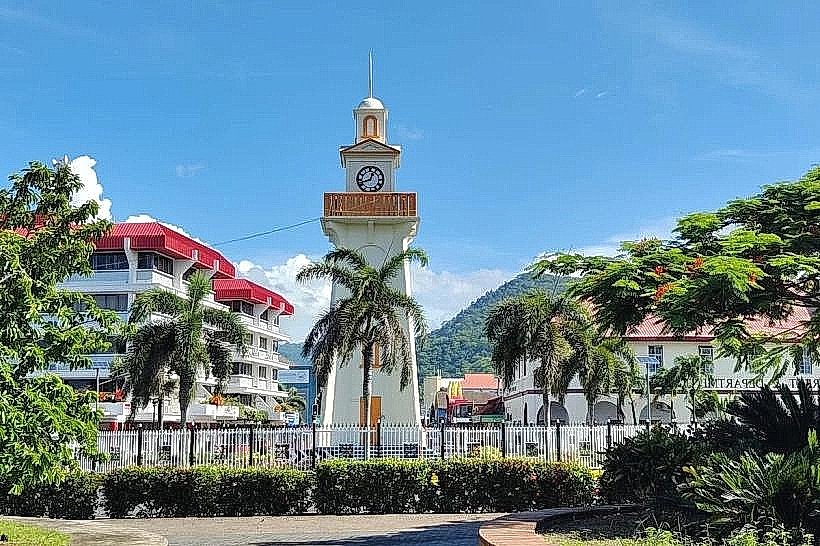
The city is organized along a crescent-shaped bay, centered on Beach Road which runs parallel to the harbor. The Central Business District (CBD) is concentrated around the Clock Tower and the government complex at Eleele Fou. The "Matautu" district to the east contains the main shipping port and upscale hospitality, while the "Mulinu'u" peninsula to the west serves as the historical and political district housing the Parliament and Courthouse.
Top City Landmarks
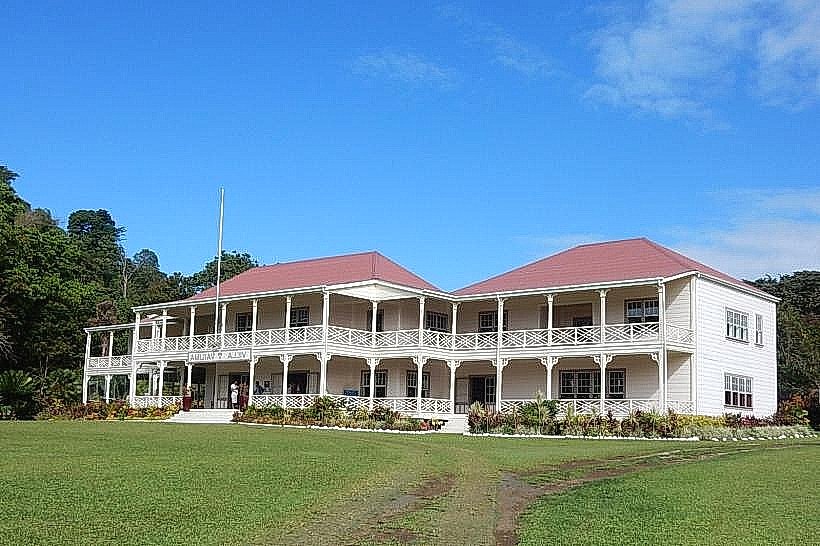
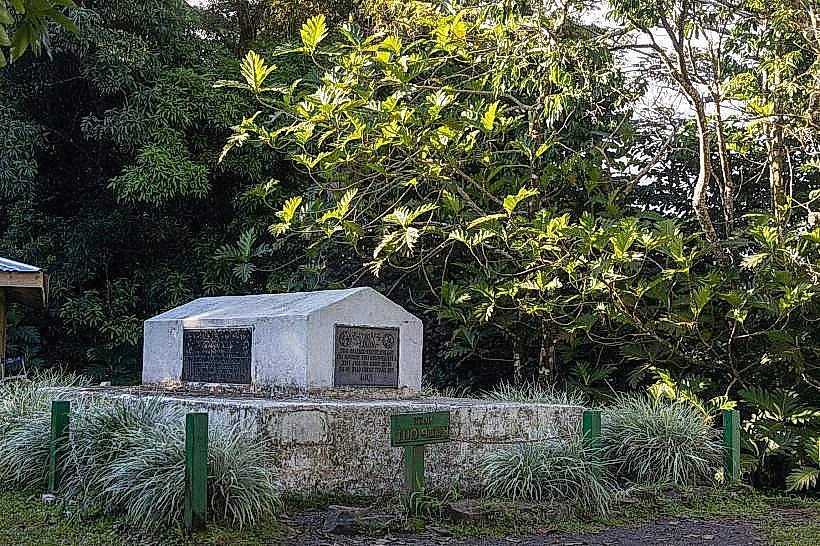
Robert Louis Stevenson Museum (Villa Vailima)
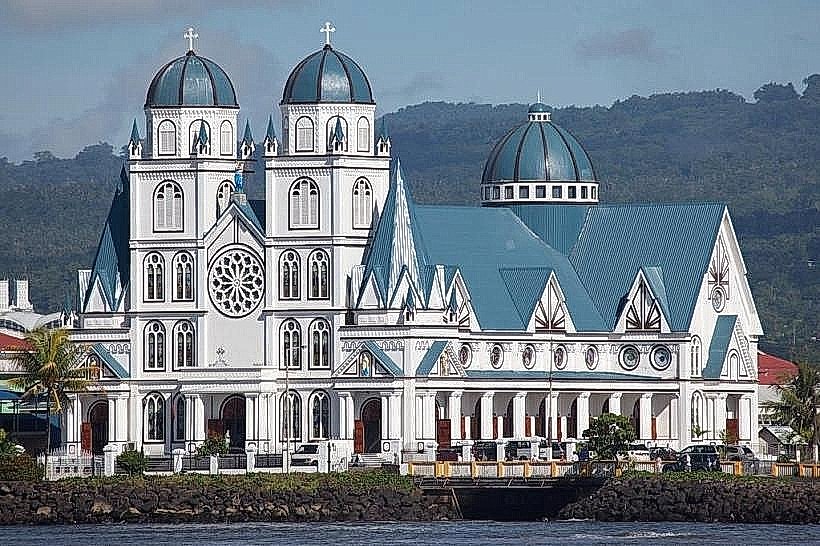
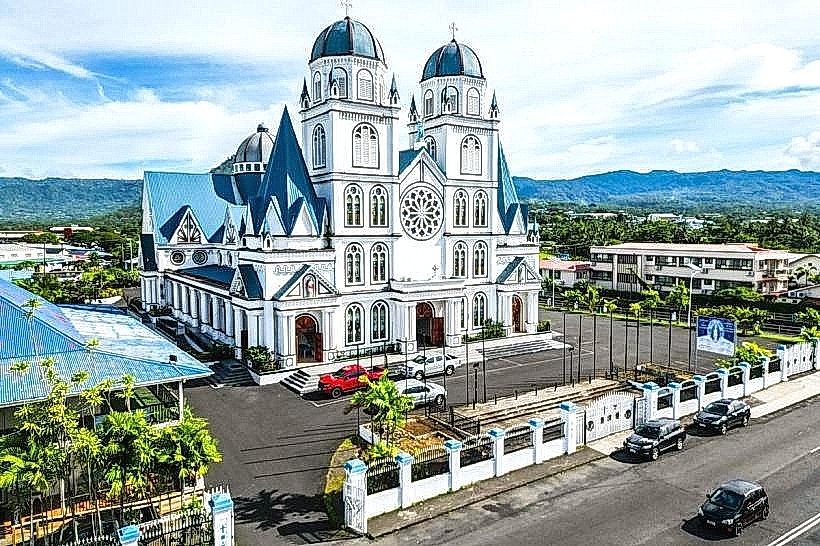
Immaculate Conception Cathedral
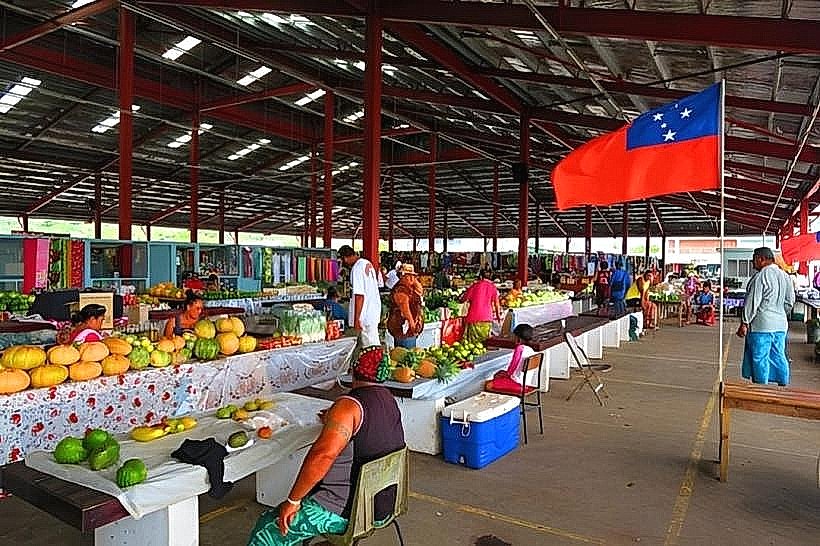
Maketi Fou (Fugalei Market)
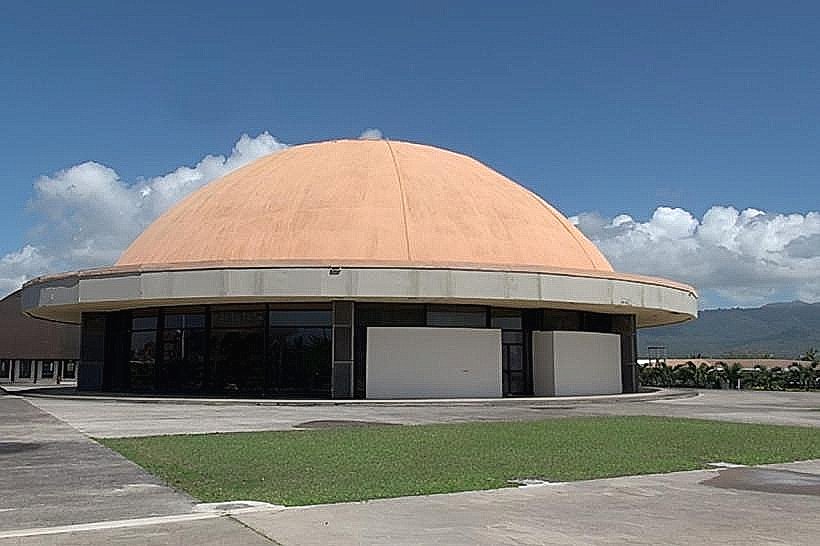
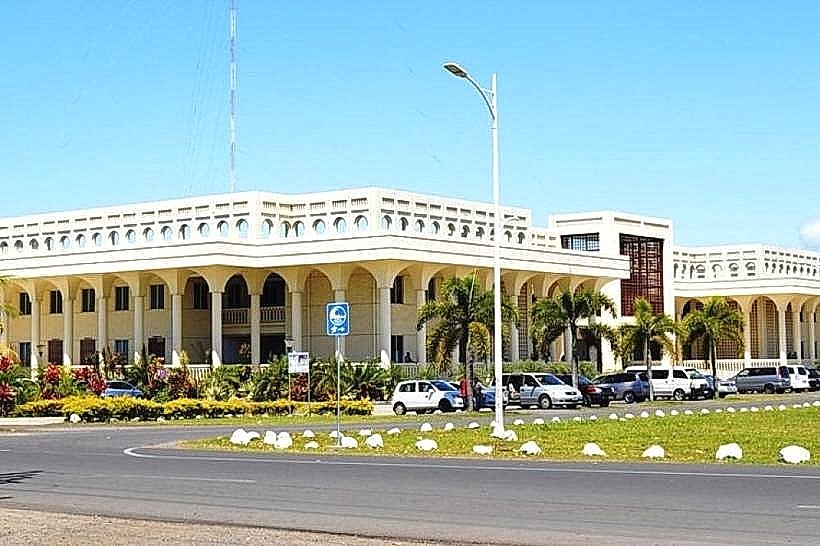
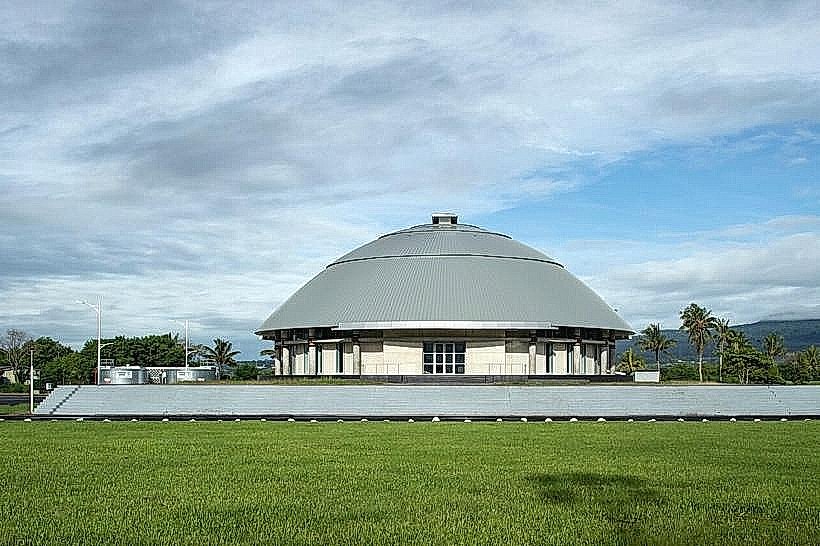
The Maota Fono (Parliament House)
Transportation Network
Movement within Apia is primarily facilitated by a fleet of privately owned, brightly painted wooden-seated buses that operate from the central terminals near the markets. There is no rail or metro system. Taxis are abundant, lack meters, and operate on fixed zones; they are typically white and display a "T" on their license plate. Traffic density is moderate but peaks at 08:30 and 16:30 on Beach Road.
Safety & "Red Zones"
Apia is generally safe for international travelers. There are no specific "red zones" or neighborhoods to avoid, though unlit areas of the Mulinu’u peninsula should be avoided late at night. The most common risk involves "stray dogs" (locally known as maile) that can be aggressive in residential outskirts.
Digital & Financial Infrastructure
Average mobile internet speeds range from 20 to 40 Mbps. The main carriers are Digicel and Vodafone Samoa. Card acceptance is high in hotels and supermarkets, but "cash is king" for markets and local transport. ATMs are widely available at bank branches (BSP, ANZ, SCB) in the CBD.
Climate & Air Quality
Temperatures are consistent year-round, ranging from 24°C to 30°C. Air quality is generally excellent due to trade winds. The primary weather risk is the "Cyclone Season" from November to April, which also coincides with the heavy monsoon rainfall period.
Culture & Social Norms
Tipping is not expected and is contrary to Samoan custom. A handshake is the standard greeting. Dress code is conservative; swimwear must be restricted to beaches, and "lavalavas" (sarongs) or modest clothing covering shoulders and knees are required when entering villages or churches. Alcohol consumption in public view is restricted; smoking is prohibited in enclosed public spaces.
Accommodation Zones
Matautu: Stay here for logistics, as it provides the highest concentration of restaurants and proximity to the harbor.
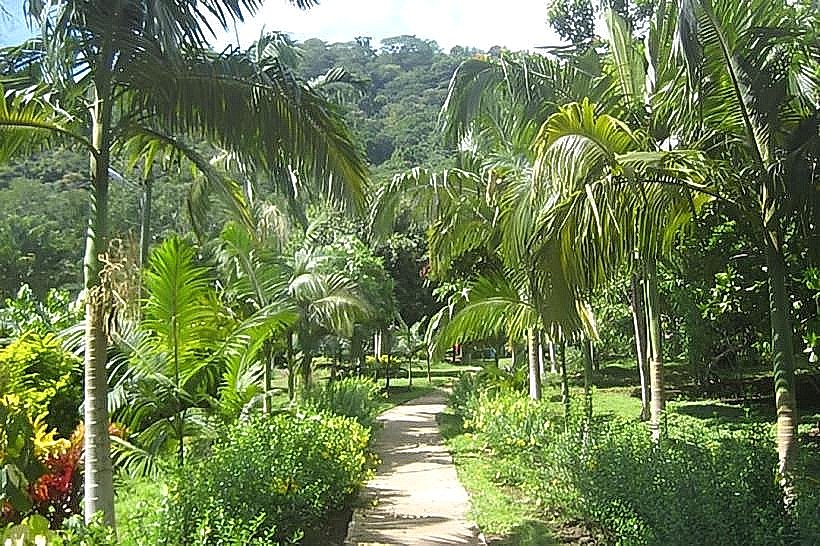
Vailima: Stay here (southern outskirts) for a cooler climate at a higher elevation and a quiet, garden-heavy environment.
Local Cost Index
1 Espresso: 8 WST ($2.90)
1 Standard Lunch: 25-40 WST ($9.00 - $14.50)
1 Metro/Bus Ticket (City zone): 2 WST ($0.72)
Nearby Day Trips
Piula Cave Pool: Natural freshwater pool beneath a Methodist chapel (25 km).
Lalomanu Beach: High-rated white sand beach on the southeastern tip (75 km).
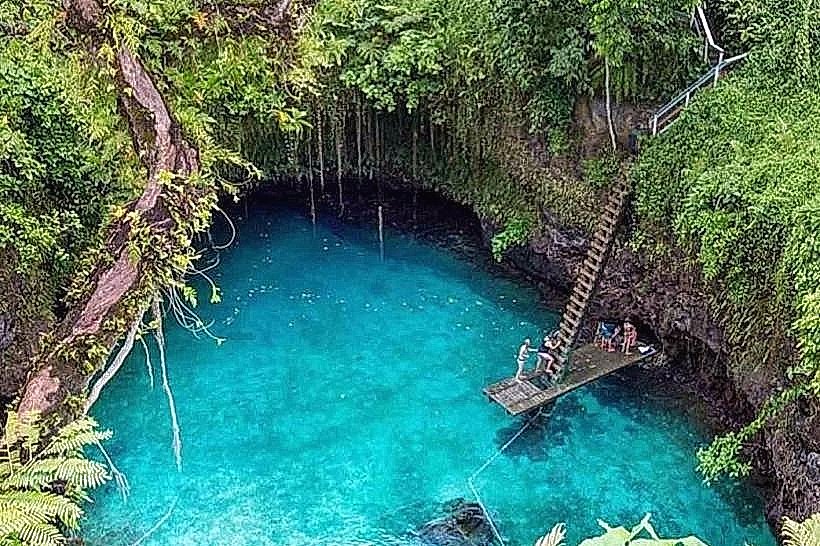
To-Sua Ocean Trench: Massive natural swimming hole in Lotofaga (50 km).
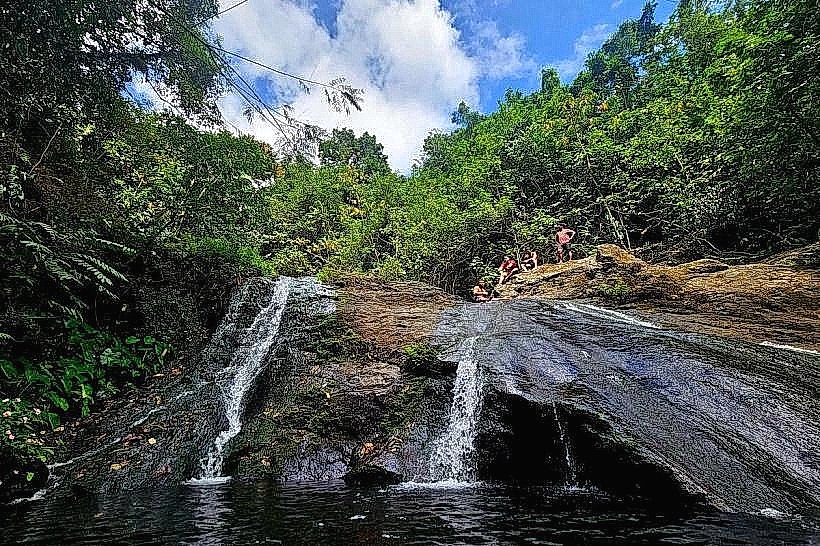
Fuipisia Waterfall: 55-meter jungle waterfall (30 km).
Facts & Legends
According to local tradition, the naming of the country (Samoa) is linked to the "Sacred Center of the Moa." A verified historical oddity is the 1889 Apia Cyclone, where a sudden storm sank six warships (three American, three German) that were anchored in the harbor during a tense colonial standoff, effectively preventing a war through a natural disaster.