Landmark: Mulinu'u Peninsula Historical Tombs
City: Apia
Country: Samoa
Continent: Australia
Mulinu'u Peninsula Historical Tombs, Apia, Samoa, Australia
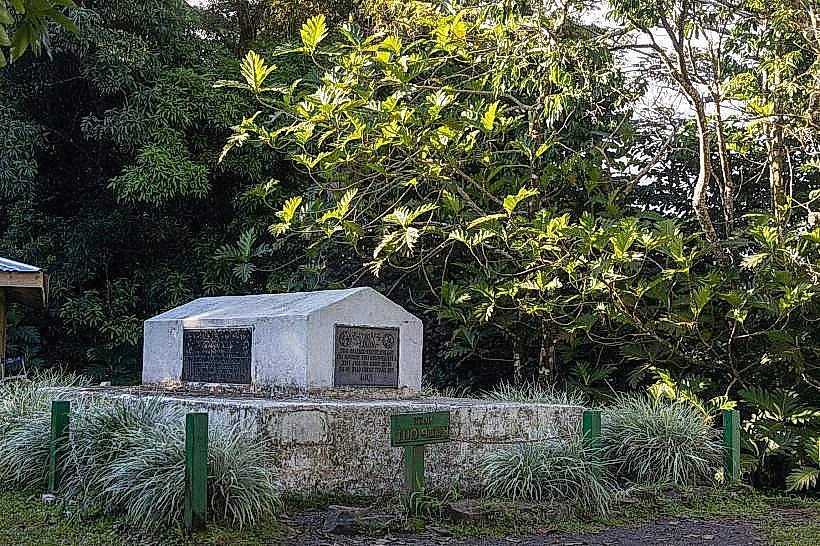
The Mulinu'u Peninsula Historical Tombs are a collection of royal burial sites and political monuments located on the low-lying Mulinu'u Peninsula in Apia, Samoa. This coastal stretch serves as the traditional seat of government and the final resting place for Samoa's paramount chiefs and heads of state.
Visual Characteristics
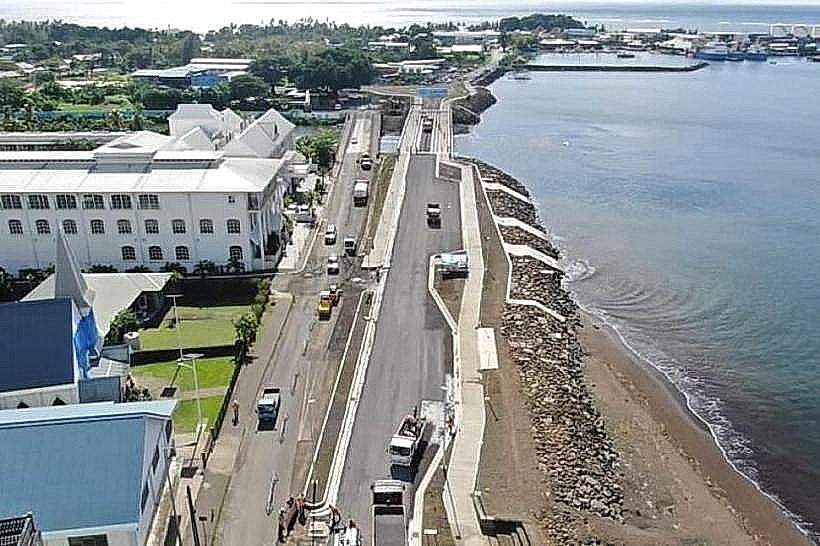
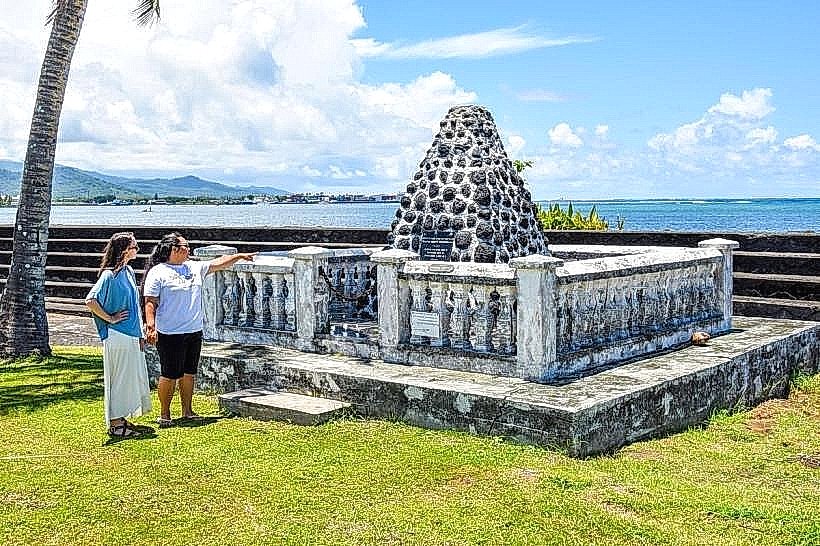
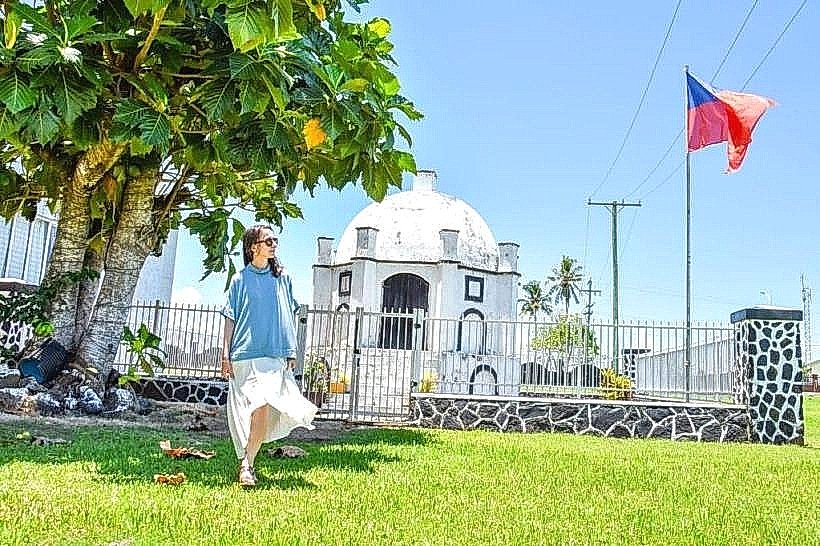
The site features diverse funerary architecture, including traditional stone platforms and European-influenced concrete monuments. The most prominent structures are finished in white plaster, often featuring tiered bases or domed roofs, such as the Mata'afa Mausoleum and the Malietoa Tanumafili II Tomb. The peninsula itself is a narrow, flat strip of land characterized by sea-salt weathered concrete walls, manicured lawns, and scattered coconut palms along the lagoon's edge.
Location & Access Logistics
The tombs are situated along Mulinu'u Road, approximately 2km northwest of the Apia city center. Access is via a 20-minute walk along the coastal road or a short taxi ride from the capital. Local buses labeled for Mulinu'u depart regularly from the central bus terminal. Parallel parking is available along the shoulder of Mulinu'u Road near the Parliament House.
Historical & Ecological Origin
This area has functioned as the political heart of Samoa since the 19th century and was the site where national independence was declared in 1962. The tombs represent various lineages of Samoan royalty (matai), specifically the Malietoa and Mata'afa lines. Geologically, the peninsula is a sand-spit formation reinforced by coral rock and concrete sea walls to mitigate erosion from high tides.
Key Highlights & Activities
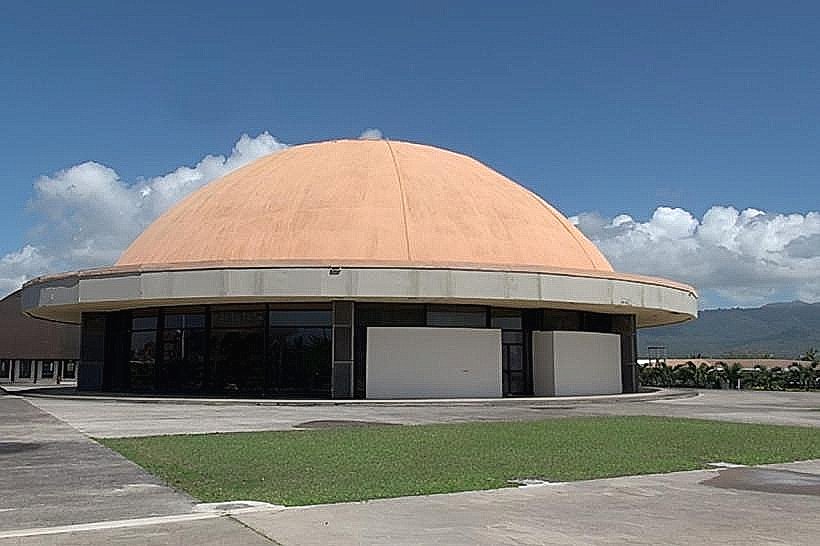
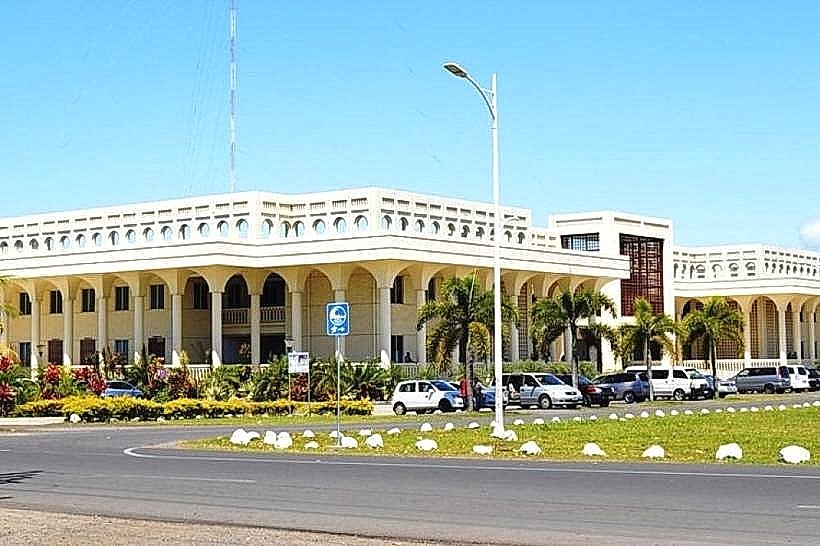
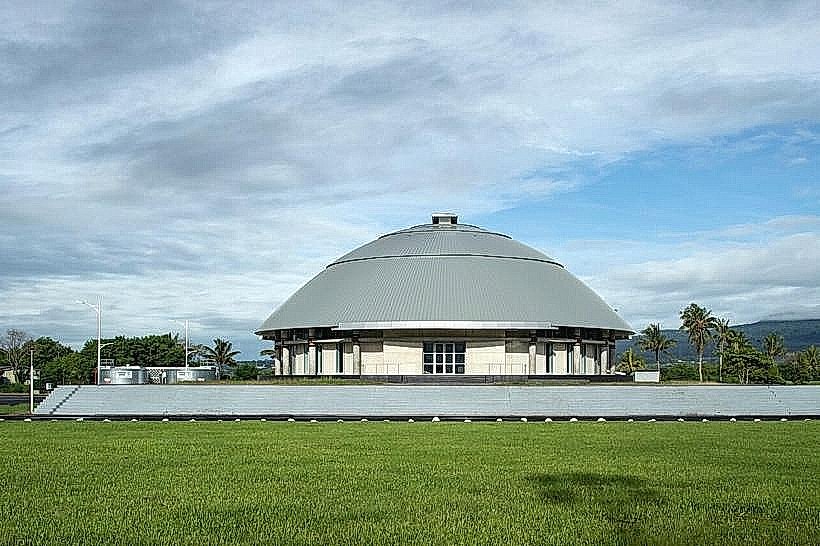
Visitors can perform self-guided walking tours to view the 1962 Independence Memorial and the British and American Memorial. The site offers clear views of the Fono (Parliament House), which utilizes traditional architecture on a grand scale. Quiet reflection and photography of the various monuments and the Apia harbor are the primary activities.
Infrastructure & Amenities
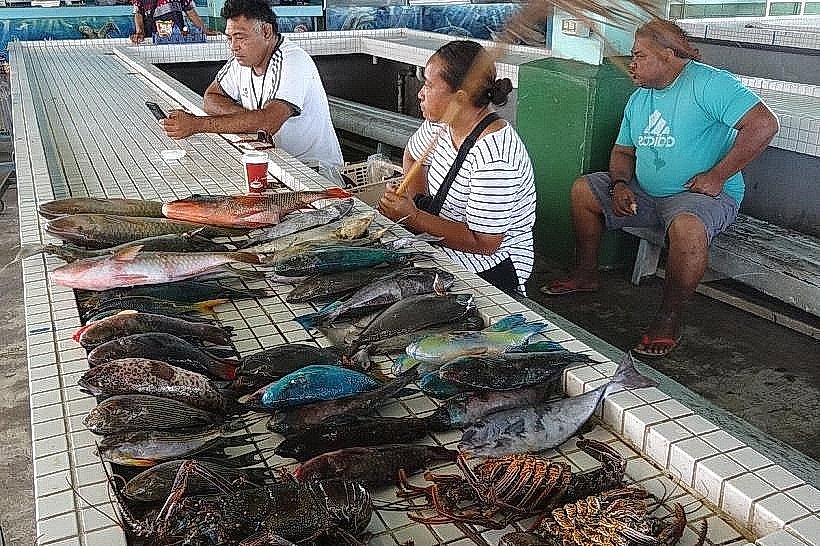
The tombs are located in an open public space with no visitor center or entrance fees. Shade is limited to the verandas of nearby government buildings and palm trees. Public restrooms are available within the Parliament of Samoa complex during business hours. 5G mobile signal is consistent. Small grocery stores and the Apia Fish Market are located at the southern entrance of the peninsula.
Best Time to Visit
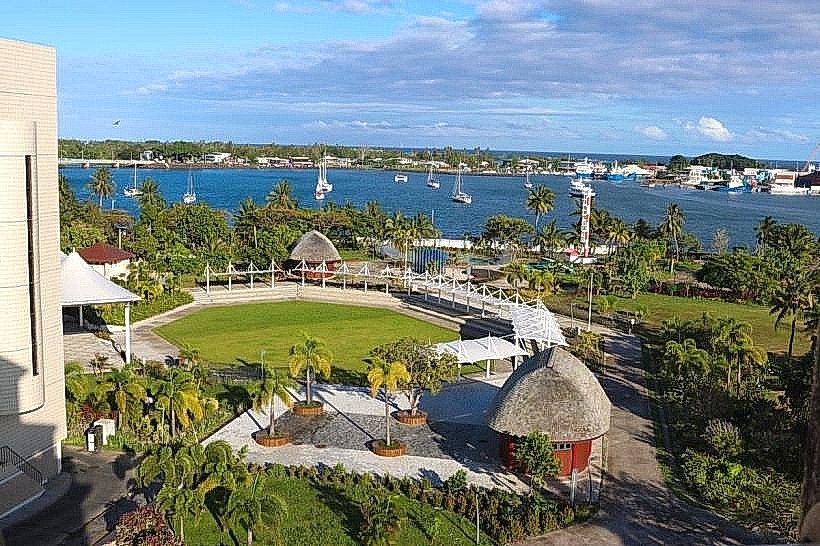
Early morning or late afternoon provides the most favorable lighting for photography of the white monuments against the blue of the lagoon. The dry season from May to October is recommended to avoid tropical downpours and potential flooding on the flat peninsula roads. Sundays are the quietest time for visiting as government offices are closed.
Facts & Legends
A historical oddity on the peninsula is the German Flag Memorial, marking the spot where the German flag was raised in 1900 to signal colonial control. Locally, the peninsula is considered a sacred "spiritual anchor" for the nation; tradition dictates that significant national decisions or changes in leadership must be ceremonially acknowledged at these burial sites to maintain ancestral favor.
Nearby Landmarks
Fono (Parliament House) – 0.2km South
Apia Observatory – 0.5km Northwest
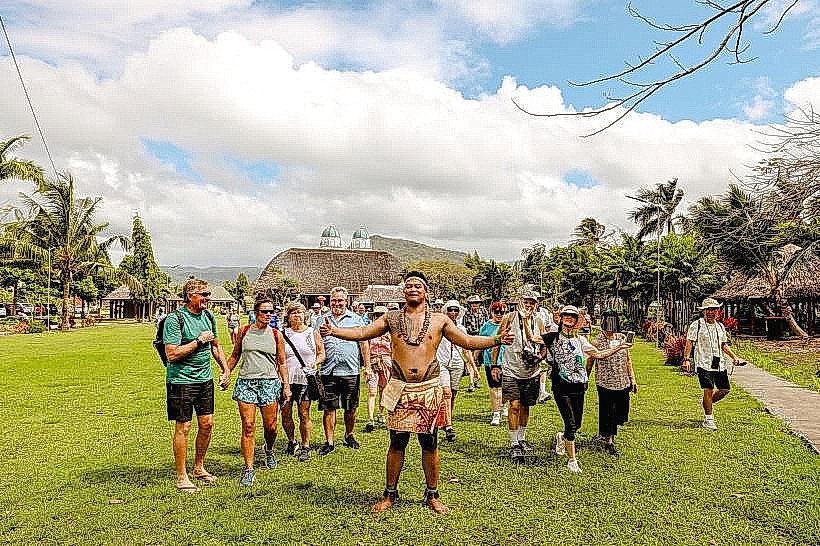
Samoa Cultural Village – 1.6km Southeast
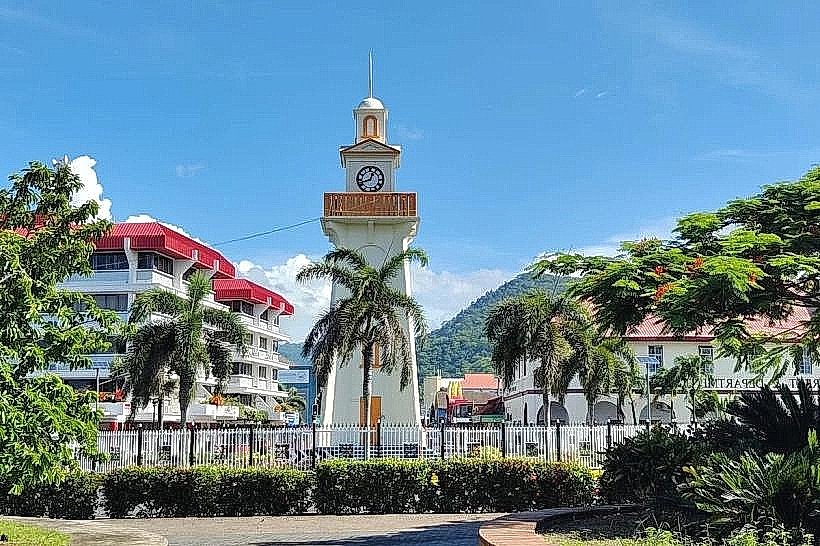
Apia Clock Tower – 1.9km Southeast
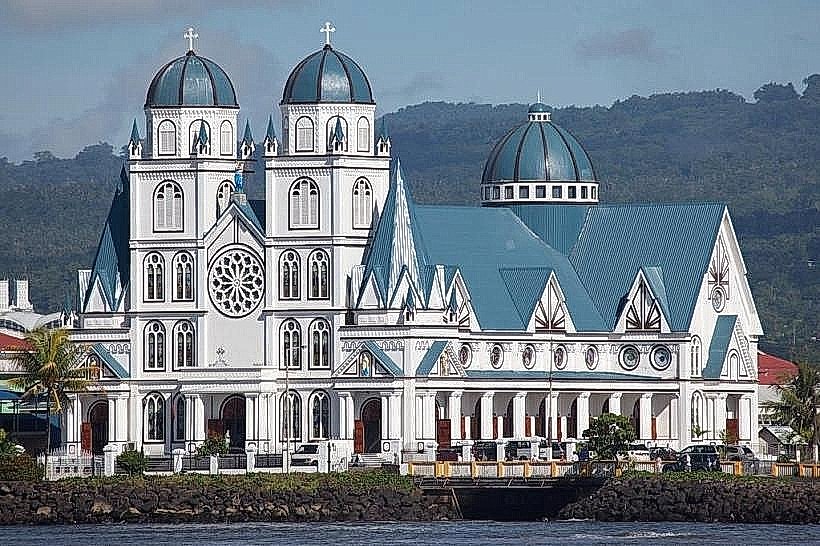
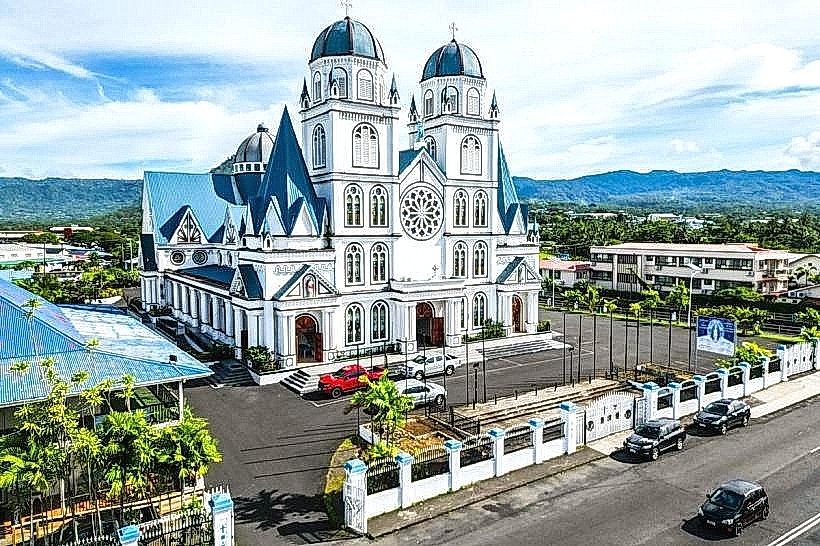
Immaculate Conception Cathedral – 2.1km Southeast