Landmark: Samoa Cultural Village
City: Apia
Country: Samoa
Continent: Australia
Samoa Cultural Village, Apia, Samoa, Australia
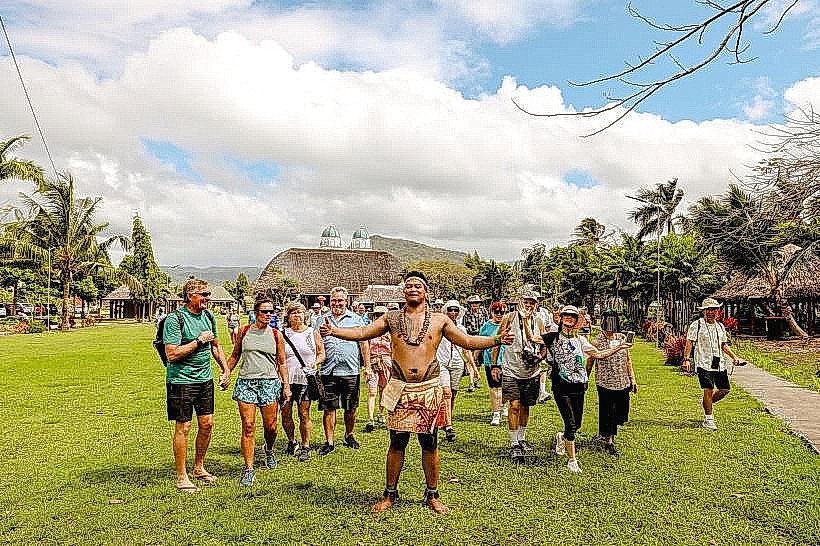
The Samoa Cultural Village is an interactive cultural center situated on Beach Road in the heart of Apia, the capital city of Samoa. It is operated by the Samoa Tourism Authority and serves as a living museum where visitors observe and participate in the traditional Samoan way of life, known as fa'a Samoa.
Visual Characteristics
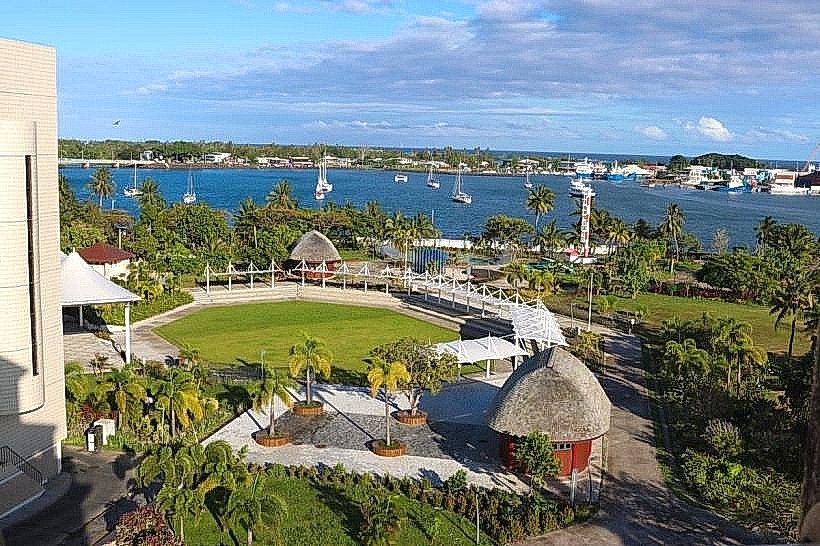
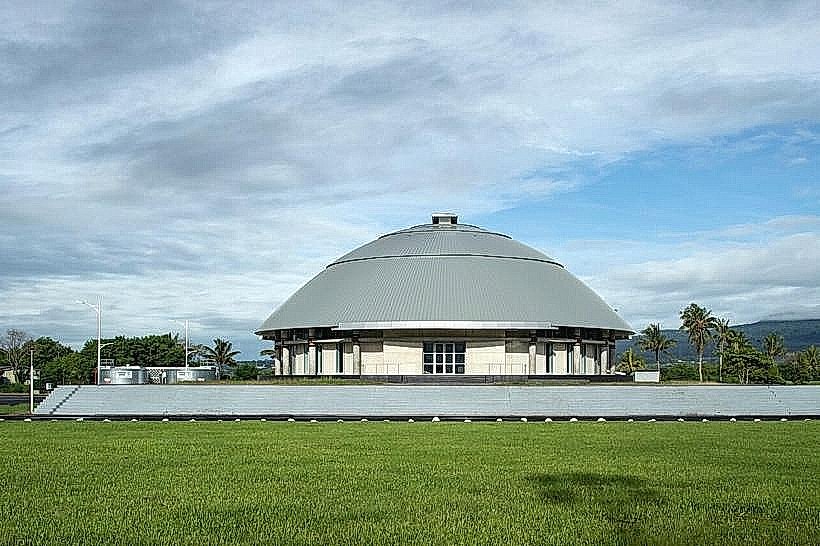
The village consists of multiple traditional open-air structures known as fale. These buildings are oval or circular in shape, featuring high domed roofs thatched with sugarcane or coconut palm leaves and supported by a series of vertical wooden posts made from native timbers like breadfruit (ulu) or ironwood (ifi lele). The structures are wall-less to allow for natural ventilation, though woven coconut fiber blinds (pola) can be lowered during rain. The central area, or malae, is a flat, manicured grassy space used for communal ceremonies.
Location & Access Logistics
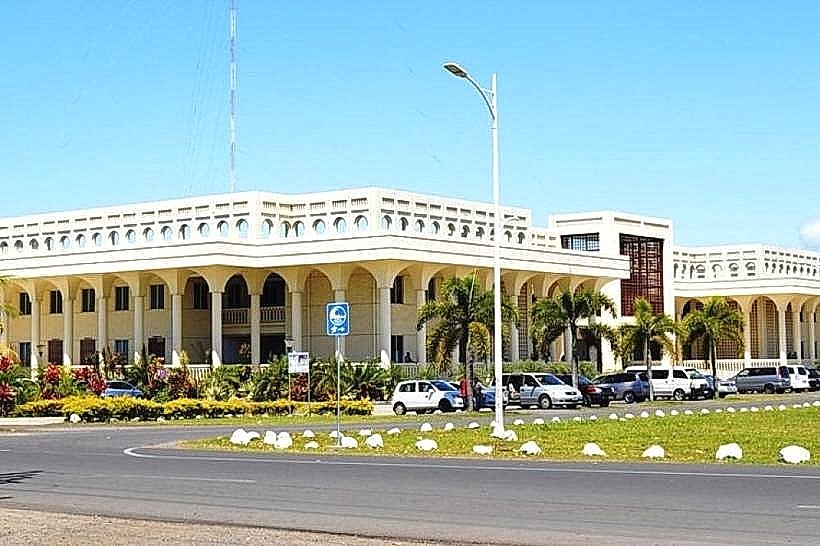
The site is located on Beach Road, directly opposite the Samoa Visitor Information Center and adjacent to the Matagialalua Government Building. It is within a 5-minute walk from most central Apia hotels and the main Savalalo flea market. Public buses stop frequently along Beach Road; visitors should look for buses heading to the city center terminals. Public parking is available in the paved lots surrounding the government complex and along the waterfront.
Historical & Ecological Origin
The village was established as a centralized hub to preserve and showcase indigenous Samoan customs that date back over 3,000 years. Unlike the historic landmarks nearby, this is a purpose-built educational facility designed to replicate a traditional village environment. It serves as a primary site for the Teuila Festival, which has been held annually in Apia since 1991 to promote Polynesian heritage.
Key Highlights & Activities
The primary activity is the cultural tour, which includes the preparation of an umu (earth oven), traditional weaving of coconut frond baskets, and siapo (bark cloth) making. Visitors can witness live demonstrations of the pe'a and malu (traditional tattooing) when masters are present. Woodcarving stations show the creation of kava bowls and war clubs. Each session culminates in a kava ceremony and a performance of siva (dance) by local groups.
Infrastructure & Amenities
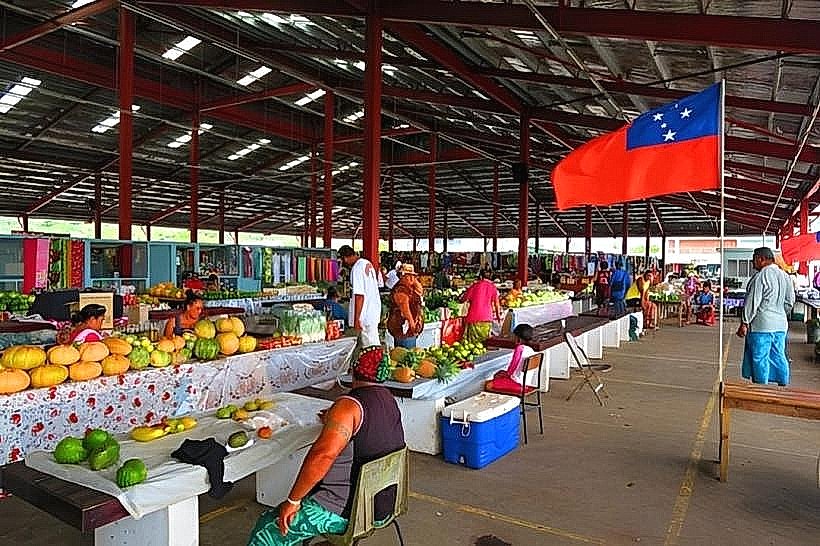
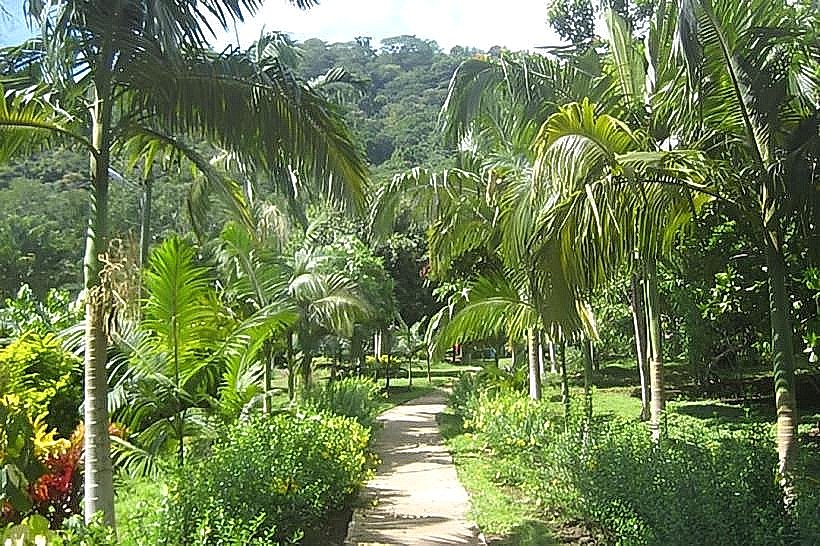
Modern restroom facilities are located on-site in a separate permanent building. Shade is provided by the various fale structures and mature tropical trees throughout the grounds. Free drinking water stations are available for visitors. Strong 4G and 5G cellular coverage is provided by local carriers Digicel and Vodafone. Numerous food stalls and cafes are located within 200 meters at the nearby Savalalo Market and along the Beach Road waterfront.
Best Time to Visit
Interactive cultural tours typically run Tuesday through Friday, starting at 10:30 AM and lasting approximately two to three hours. Photography is best during the morning hours when the natural light under the fale roofs is softest. The dry season from May to October is recommended to avoid the heavy humidity and rain that can occasionally disrupt the outdoor umu cooking demonstrations.
Facts & Legends
A unique feature of the construction is that traditional fale are built without a single nail; instead, the entire timber frame is lashed together using 'afa, a strong rope handmade from braided coconut husk fibers. Visitors often receive a small sample of the food cooked in the umu, which traditionally includes taro and palusami (coconut cream wrapped in taro leaves), providing a literal taste of the island's ancient culinary techniques.
Nearby Landmarks
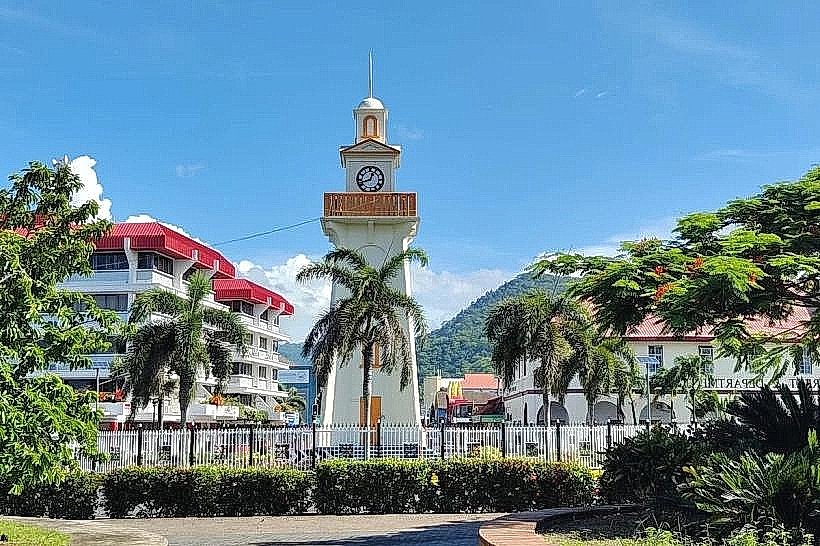
Apia Clock Tower – 0.2km West
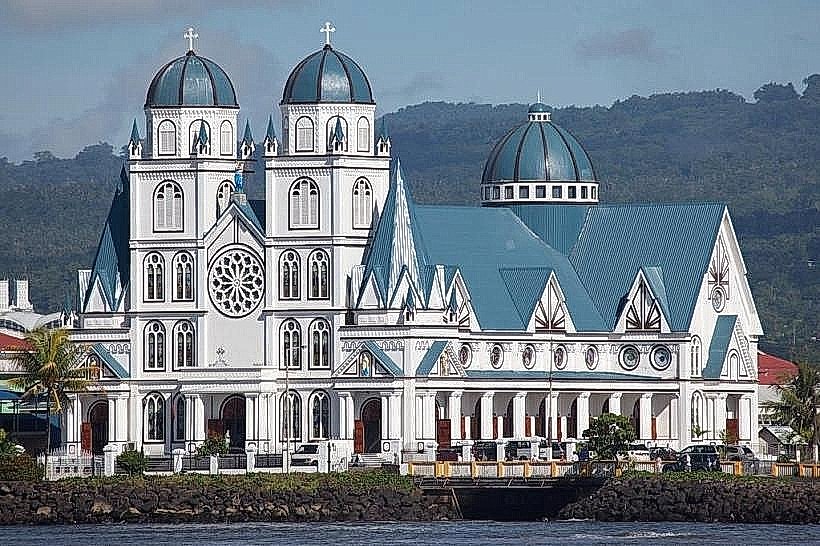
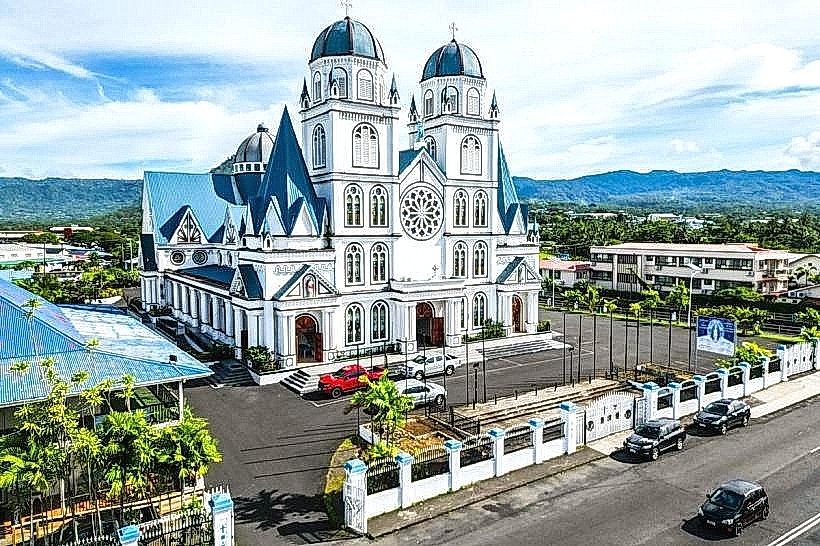
Immaculate Conception Cathedral – 0.3km East
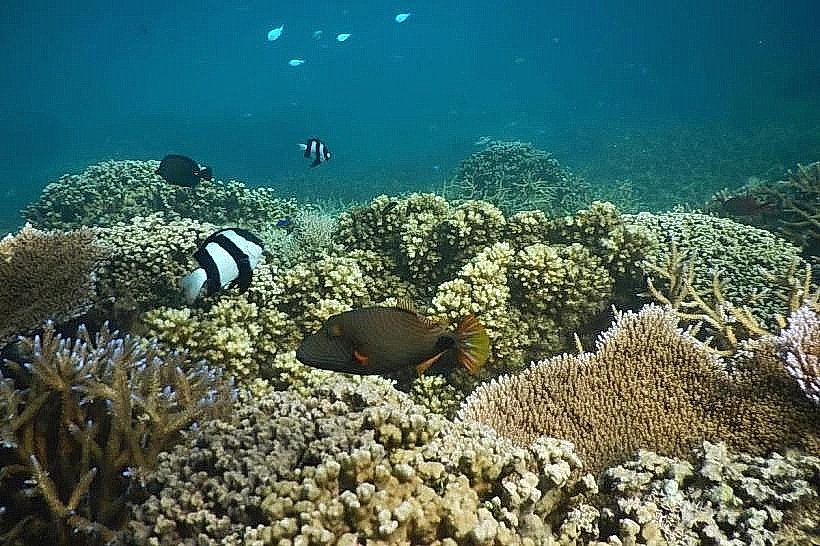
Palolo Deep Marine Reserve – 1.2km East
Fugalei Market – 1.1km Southwest
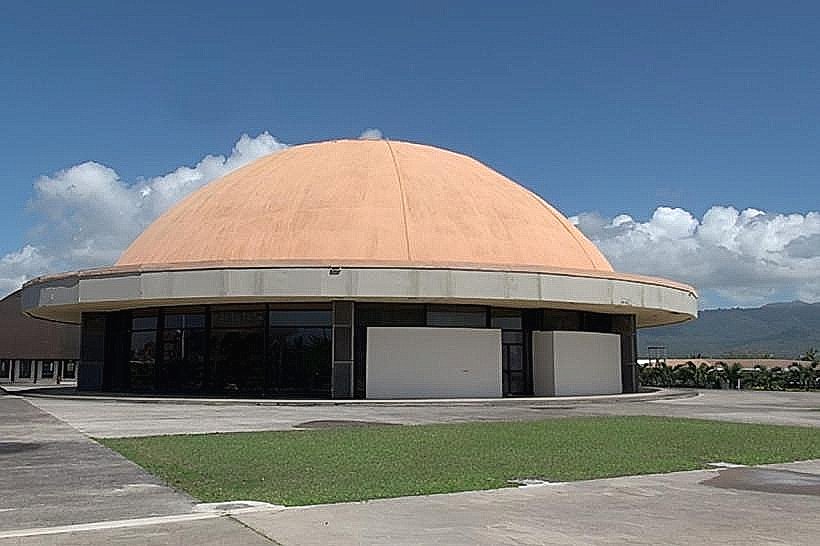
Mulinu'u Parliament House – 1.5km Northwest