City: Punta del Este
Country: Uruguay
Continent: South America
Punta del Este, Uruguay, South America
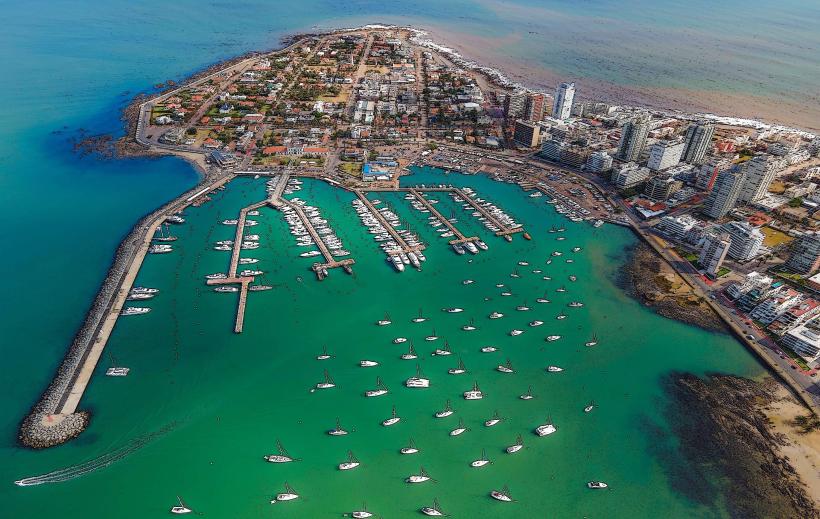
Punta del Este serves as the primary luxury resort destination in South America and a major regional financial hub during the summer season. It is situated on a narrow peninsula marking the transition point between the Río de la Plata and the Atlantic Ocean in the Maldonado Department.
Historical Timeline
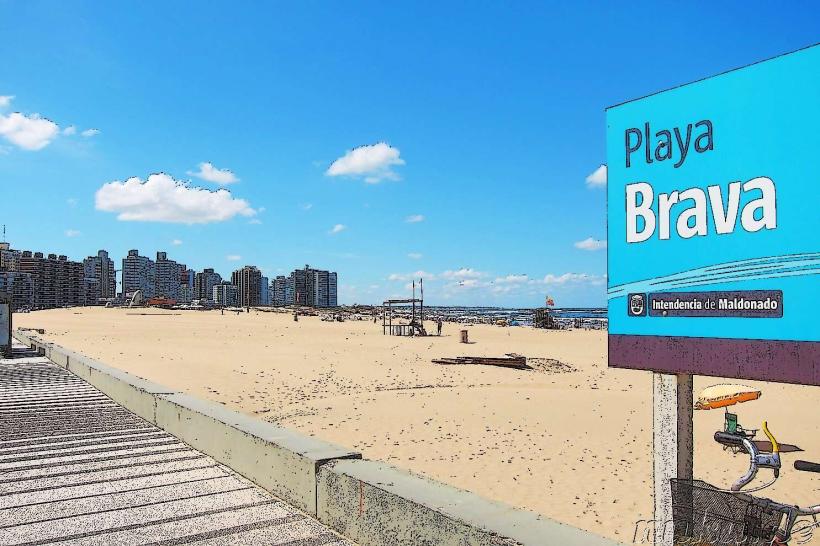
The city was founded as Ituzaingó in 1829 by Francisco Aguilar, primarily as an industrial site for seal hunting and salt production. Its governance transitioned from a fishing village to a high-end resort destination in 1907 with the arrival of the first steamship of tourists. The most significant architectural reconstruction occurred during the 1970s and 1990s, characterized by the demolition of early 20th-century chalets to make way for high-rise luxury towers. The primary event that shaped the current urban form was the mid-century development of the "Playa Mansa" and "Playa Brava" coastal roads, which defined the city's dual-coast identity.
Demographics & Population
The permanent year-round population is approximately 12,500, but the metropolitan area (including Maldonado) reaches 135,000. During the peak summer season (January), the population exceeds 500,000 due to tourist influx. The demographics are predominantly of European descent (Spanish, Italian, and German), with a high concentration of wealthy expatriates from Argentina and Brazil. The median age of permanent residents is 36.2 years.
Urban Layout & Key Districts
The city is organized along its unique peninsular geography, dividing the coast into two distinct environments.
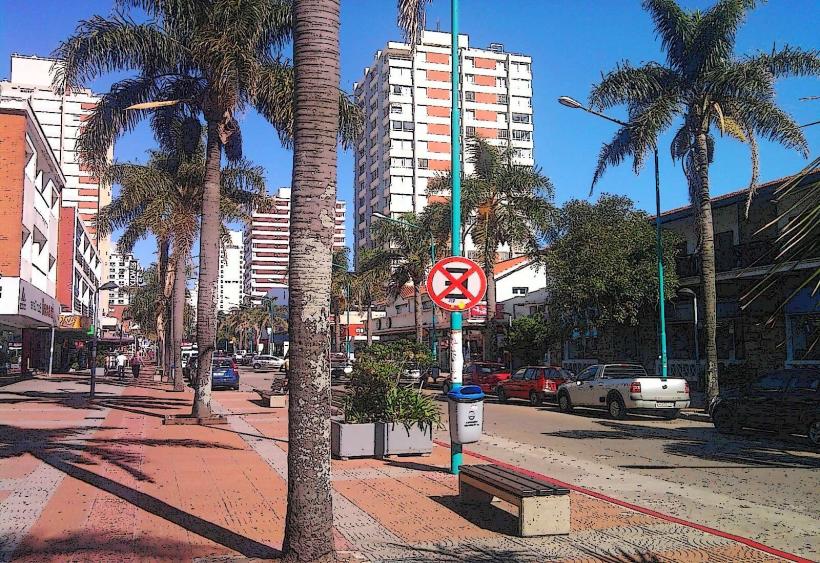
La Península: The tip of the landmass, containing the historic lighthouse, the harbor, and the primary commercial street, Avenida Gorlero.
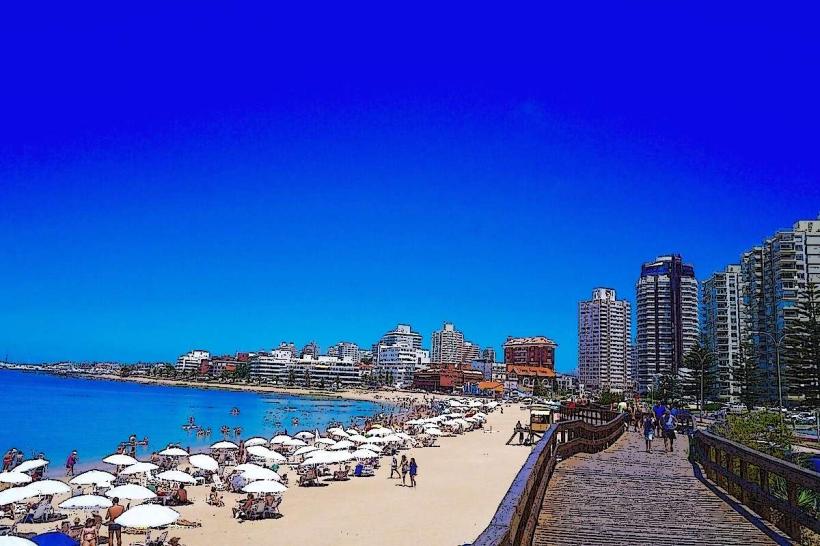
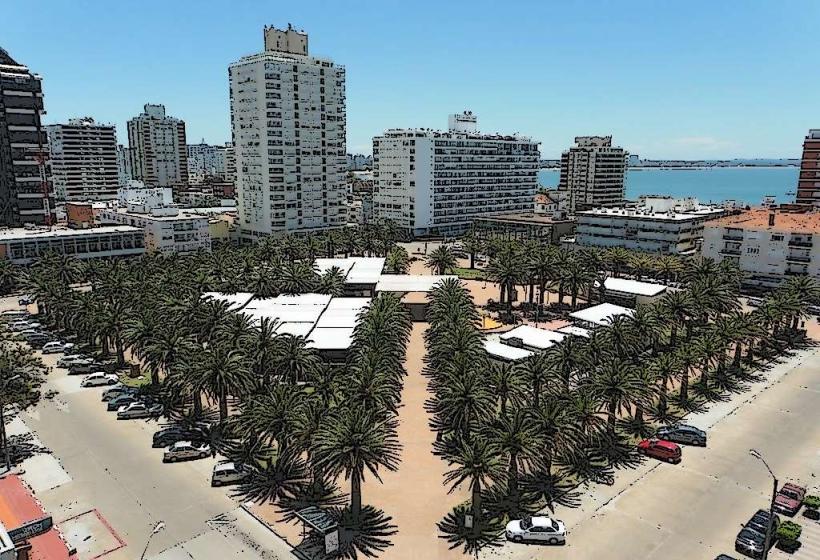
Playa Mansa (West): Facing the Río de la Plata, characterized by calm waters and high-rise apartment blocks.
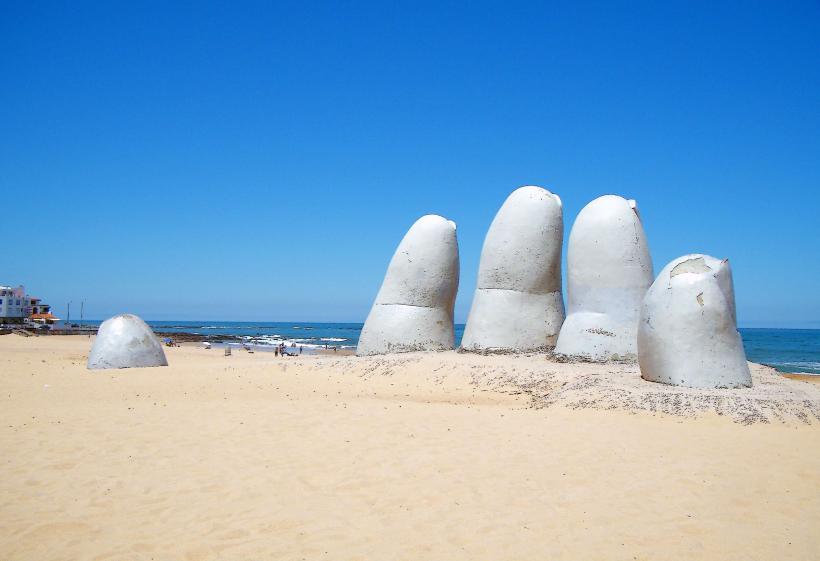
Playa Brava (East): Facing the Atlantic Ocean, known for heavy surf and the iconic "Hand" sculpture.
Beverly Hills: An inland residential district featuring large estates and manicured gardens.
Top City Landmarks
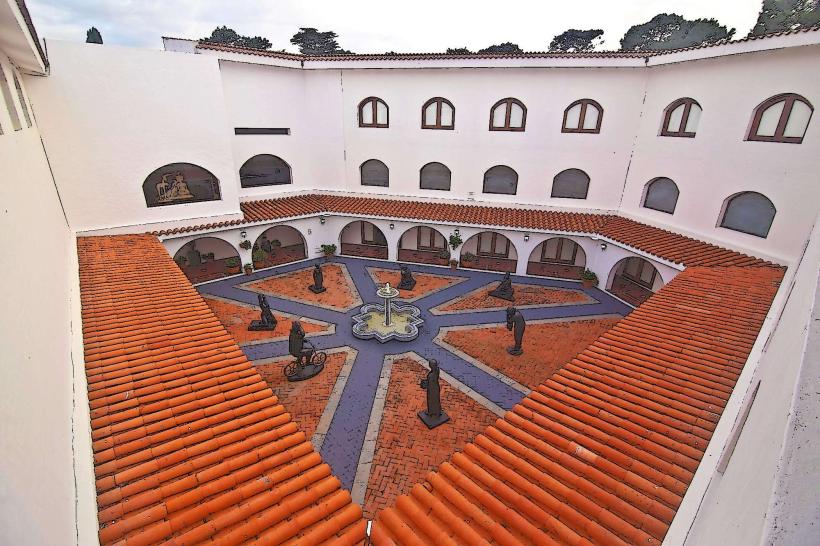
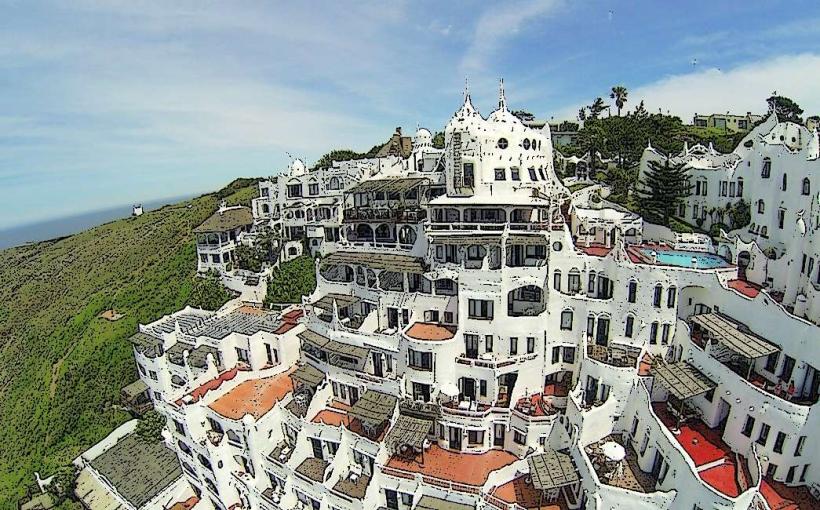
Casapueblo: A sprawling white citadel-sculpture and museum (located 13km away in Punta Ballena).
La Mano (The Hand): A sculpture of five fingers emerging from the sand at Playa Brava.
Punta del Este Lighthouse: An 1860 structure standing 45 meters tall.
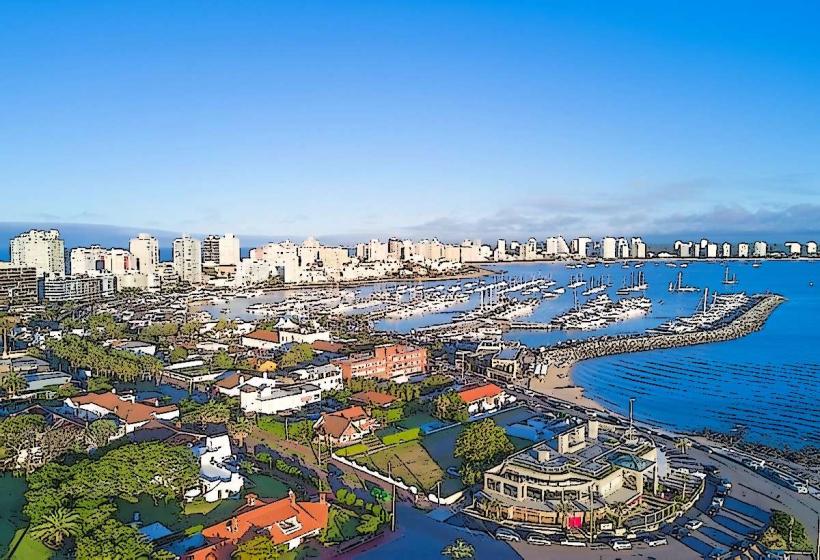
Puerto de Punta del Este: A marina housing luxury yachts and a colony of wild sea lions.
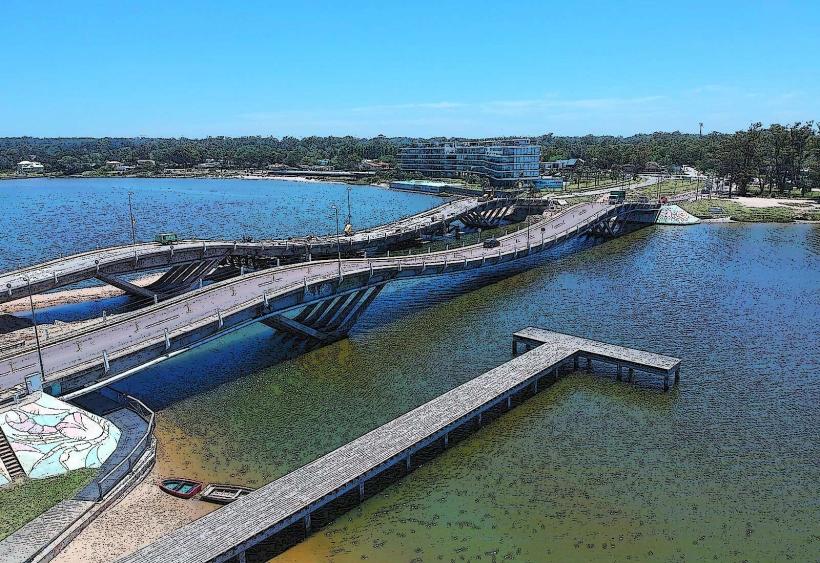
Bridge of La Barra: A unique undulating "wavy" bridge on Route 10.
Transportation Network
There is no metro or tram system. Transit is facilitated by a network of local buses (Codesa/Maldonado Turismo). Ride-sharing via Uber is highly active and efficient during the summer. Official taxis are white and use meters. Traffic density is extreme in January and February, particularly on the Rambla and Avenida Roosevelt. Many visitors rent cars or bicycles to navigate the coastal stretches.
Safety & "Red Zones"
The city maintains a very high safety level. There are no designated "red zones." The primary risks are seasonal: home burglaries in high-end residential areas during summer and petty theft on crowded beaches. Common scams include "informal" parking attendants demanding high fees in temporary summer parking lots.
Digital & Financial Infrastructure
Average internet speed is 120-200 Mbps via fiber optics. Main mobile carriers are Antel, Movistar, and Claro. Card acceptance is universal; Punta del Este is one of the most card-dependent cities in Uruguay. ATMs (RedBrou/Banred) are abundant along Avenida Gorlero and in shopping centers.
Climate & Air Quality
Temperatures range from 20°C to 30°C in summer (December–March) and 6°C to 15°C in winter (June–August). Air quality is exceptionally high due to constant oceanic winds. A specific weather risk is the "Pampero" wind, which can bring sudden, violent squalls and drops in temperature.
Culture & Social Norms
Tipping: 10% is standard in restaurants.
Greeting: A single kiss on the cheek is the standard social greeting.
Schedule: The summer culture is late-night; dinner typically begins at 22:00, and nightlife peaks after 02:00.
Mate: Unlike Montevideo, mate is seen more frequently in residential areas and on the Rambla than in high-end commercial venues.
Accommodation Zones
The Peninsula: Stay here for walking access to shops, the harbor, and nightlife.
La Barra/José Ignacio: Stay here for a more "bohemian-chic" atmosphere and private beach access (15-30 km from the center).
Local Cost Index
1 Espresso: 200 UYU ($5.10 USD)
1 Standard Lunch: 850 UYU ($21.70 USD)
1 Bus Ticket (Local): 55 UYU ($1.40 USD)
Nearby Day Trips
José Ignacio: 35 km (Upscale fishing village and lighthouse).
Isla de Lobos: 8 km by boat (Home to one of the world's largest sea lion colonies).
Pueblo Edén: 45 km (Rural "slow-food" village in the hills).
Facts & Legends
A local historical oddity is that the city’s landmark "The Hand" sculpture was completed in just six days during an international outdoor sculpture meeting in 1982. A persistent local legend suggests that hidden tunnels exist beneath some of the oldest houses on the Peninsula, allegedly used for smuggling goods during the 19th-century naval blockades of the Río de la Plata.