Landmark: Playa Brava
City: Punta del Este
Country: Uruguay
Continent: South America
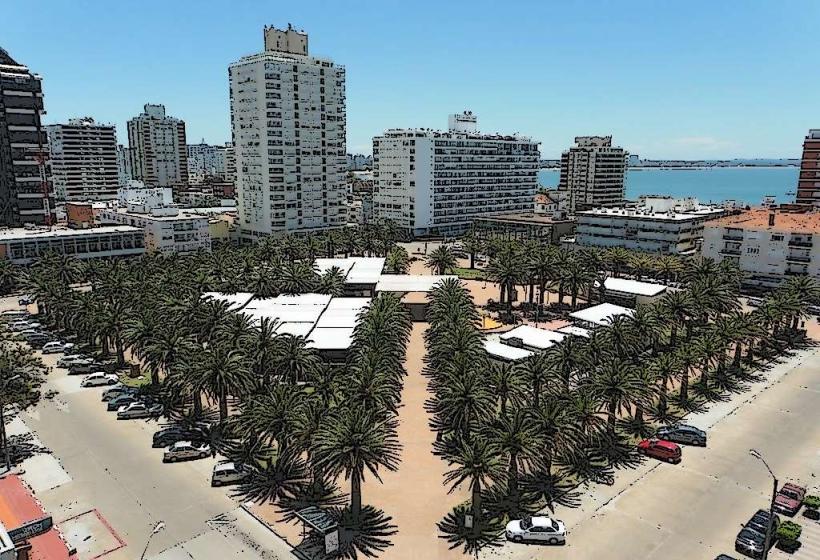
Playa Brava, Punta del Este, Uruguay, South America
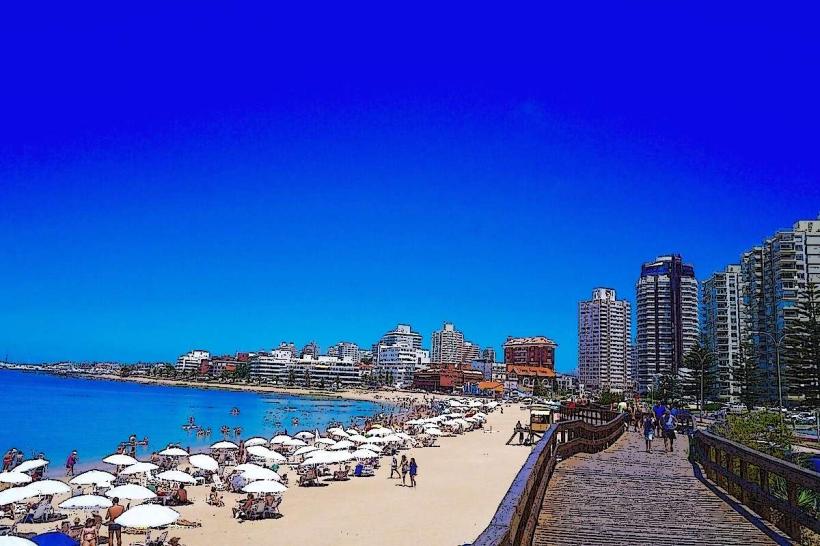
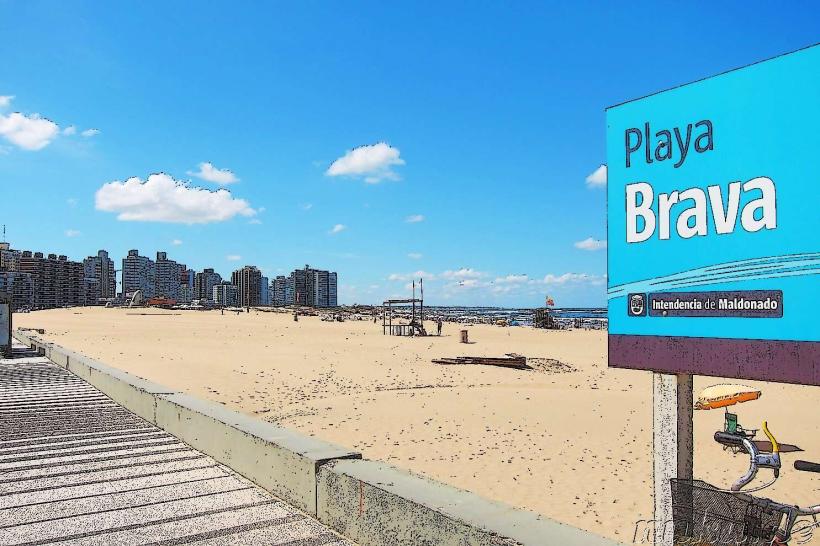
Playa Brava is a beach located on the Atlantic coast of Punta del Este, Uruguay. It is known for its strong currents and significant wave action.
Visual Characteristics
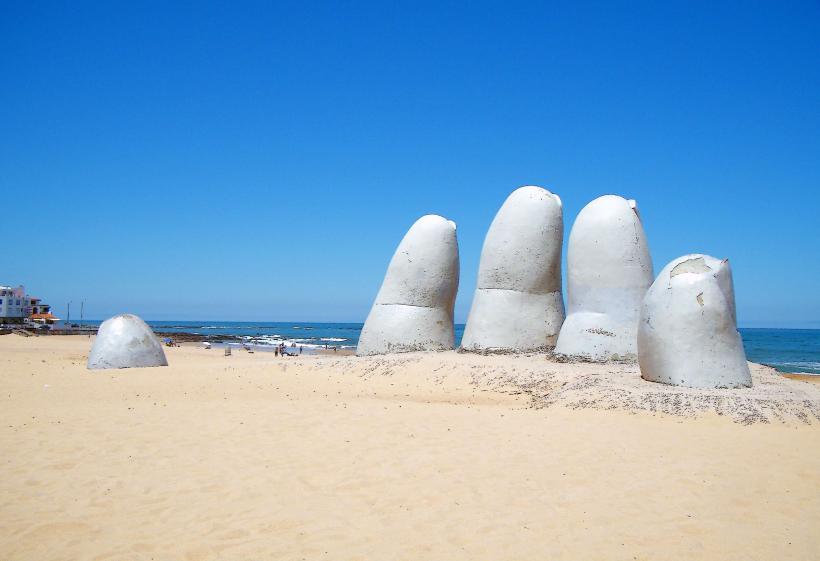
The beach features coarse, light-colored sand. The water color is typically a deep blue to greenish hue, influenced by Atlantic currents. The shoreline is marked by a series of rocky outcrops and a prominent sculpture known as "La Mano." The beach extends for approximately 3 kilometers.
Location & Access Logistics
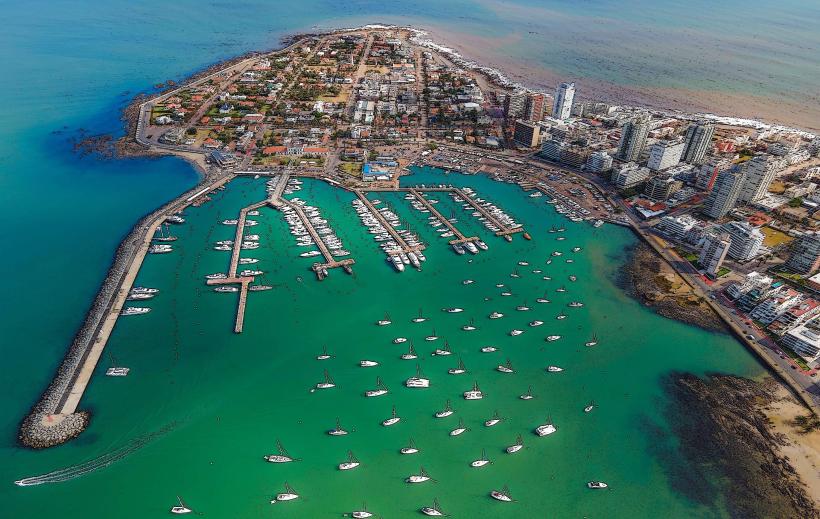
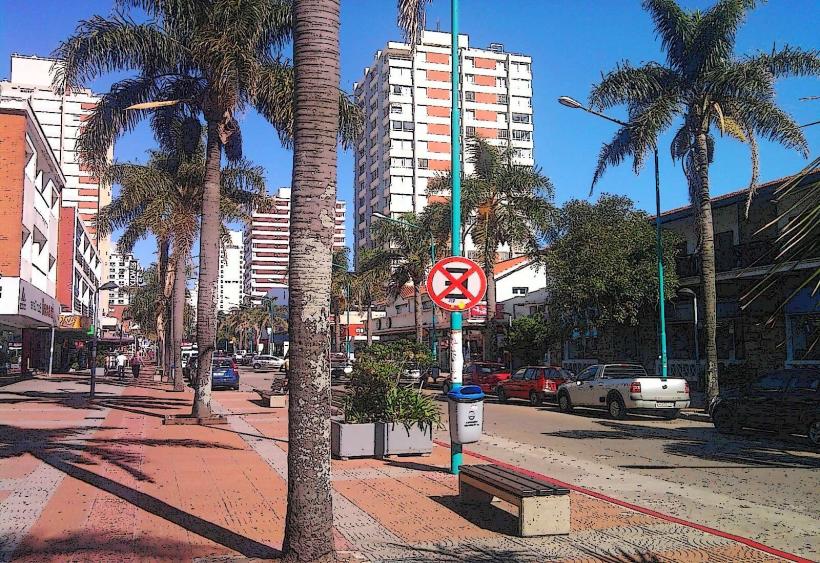
Playa Brava is situated on the eastern side of the Punta del Este peninsula. It is accessible via Avenida Gorlero, the main thoroughfare. From the city center of Punta del Este, it is approximately a 1.5km drive east. Parking is available along Avenida Gorlero and on adjacent side streets, though it can be limited during peak season. Public bus lines, including routes 1, 7, and 12, service Avenida Gorlero, with stops within a 5-minute walk of the beach.
Historical & Ecological Origin
Playa Brava is a natural Atlantic coastline. Its formation is a result of coastal erosion and sediment deposition over millennia. The "La Mano" sculpture, officially titled "Hombre emergiendo," was created by Chilean artist Mario Irarrázabal and installed in 1982.
Key Highlights & Activities
Surfing is a primary activity due to consistent wave conditions. Swimming is possible but requires caution due to strong undertows. Visitors can observe and photograph the "La Mano" sculpture. Walking along the shoreline is also a common activity.
Infrastructure & Amenities
Restrooms are available at designated points along the promenade. Shade is limited, primarily provided by natural dunes and some scattered trees. Cell phone signal (4G/5G) is generally strong. Food vendors and cafes are located along Avenida Gorlero, a short walk from the beach.
Best Time to Visit
For photography of the "La Mano" sculpture, early morning or late afternoon light offers optimal conditions. The best months for visiting are December through February, which constitute Uruguay's summer, offering warmer temperatures. Wave conditions are generally consistent year-round, though larger swells are more common in winter months (June-August).
Facts & Legends
A local anecdote suggests that the "La Mano" sculpture was intended to be a warning to swimmers about the dangerous currents of Playa Brava. The sculpture's fingers emerging from the sand are interpreted by some as a symbol of struggle against the sea.
Nearby Landmarks
- Playa Mansa (0.8km West)
- Punta del Este Lighthouse (1.2km West)
- Casino Nogaró (1.5km West)
- The Fingers Beach Sculpture (1.8km West)
- Museo Ralli (2.5km Northwest)