City: Tacuarembo
Country: Uruguay
Continent: South America
Tacuarembo, Uruguay, South America
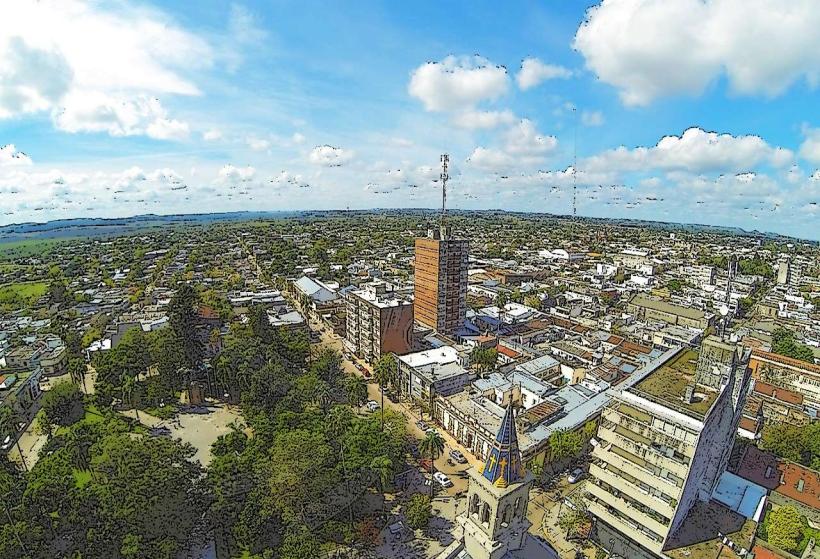
Tacuarembó serves as the capital of the Tacuarembó Department and functions as the primary center for gaucho culture and livestock production in Uruguay's northern interior. It is located 390 kilometers north of Montevideo along National Route 5, situated amidst the rolling hills of the Cuchilla de Haedo.
Historical Timeline
The city was founded on January 21, 1832, as San Fructuoso by Colonel Bernabé Rivera. Its governance transitioned from a strategic military outpost to a departmental capital in 1837. The most significant architectural and cultural reconstruction occurred in the early 20th century, coinciding with the rise of the meat-packing industry and the arrival of the railway. The primary event shaping its current identity is the annual "Patria Gaucha" festival, established in 1986, which consolidated the city’s role as the guardian of traditional rural Uruguayan identity.
Demographics & Population
The estimated 2026 population within the city limits is 56,800. The demographics are predominantly of European descent (Spanish, Italian, and Basque), with a significant presence of descendants from indigenous Charrúa and Guaraní groups, reflected in the region's strong folk traditions. The median age is approximately 32 years, slightly younger than the national average due to the regional reliance on agricultural labor.
Urban Layout & Key Districts
Tacuarembó is organized on a classic Spanish colonial grid, expanding from its central squares.
Centro: The core commercial and administrative hub, centered around Plaza 19 de Abril and Plaza Artigas.
Barrio Ferrocarril: The historic railway district, once the economic engine of the city.
La Cuchilla: A residential area on elevated ground offering panoramic views of the city.
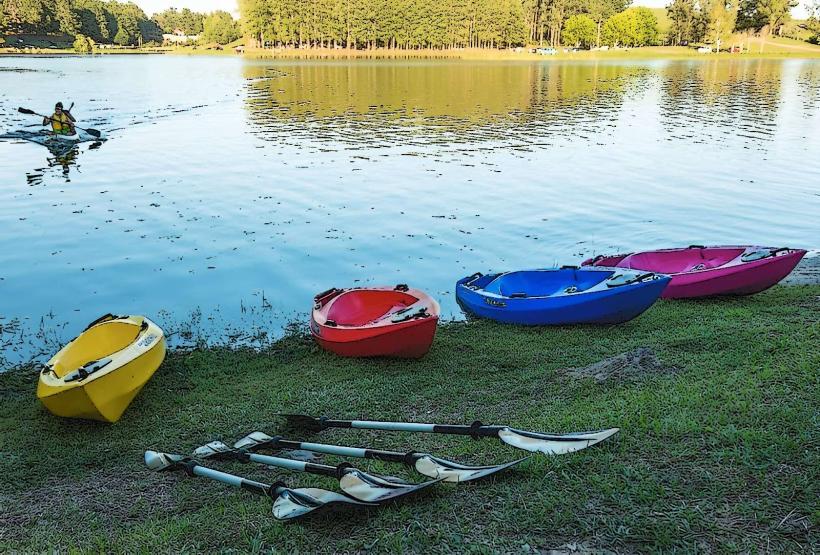
Laguna de las Lavanderas Area: A parkland district on the outskirts that serves as the main venue for major cultural festivals.
Top City Landmarks
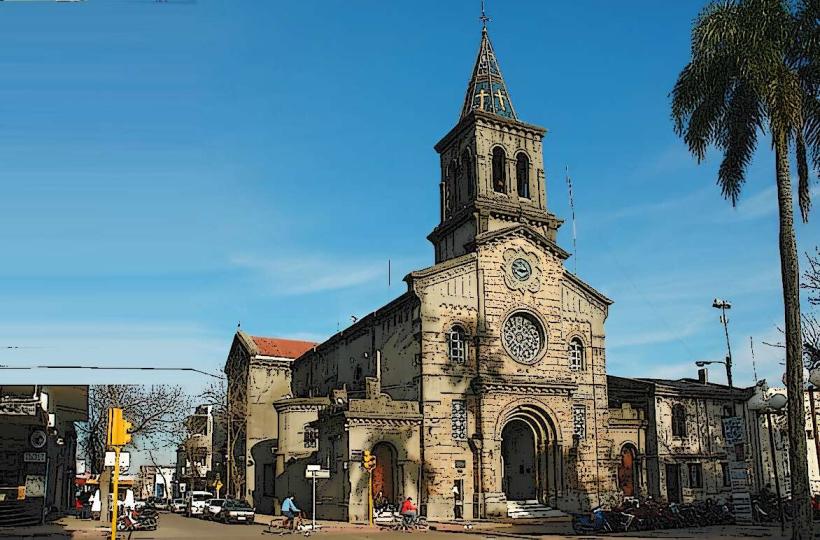
Cathedral of San Fructuoso: A Neo-Romanesque structure completed in 1917, serving as the city’s spiritual center.
Carlos Gardel Museum: Located 21 km away in Valle Edén; it holds documents and exhibits supporting the theory that the tango legend was born in Tacuarembó.
Indian and Gaucho Museum: Features a vast collection of indigenous artifacts and traditional rural tools.
Laguna de las Lavanderas: A scenic park and lake used for camping and the annual "Patria Gaucha" celebration.
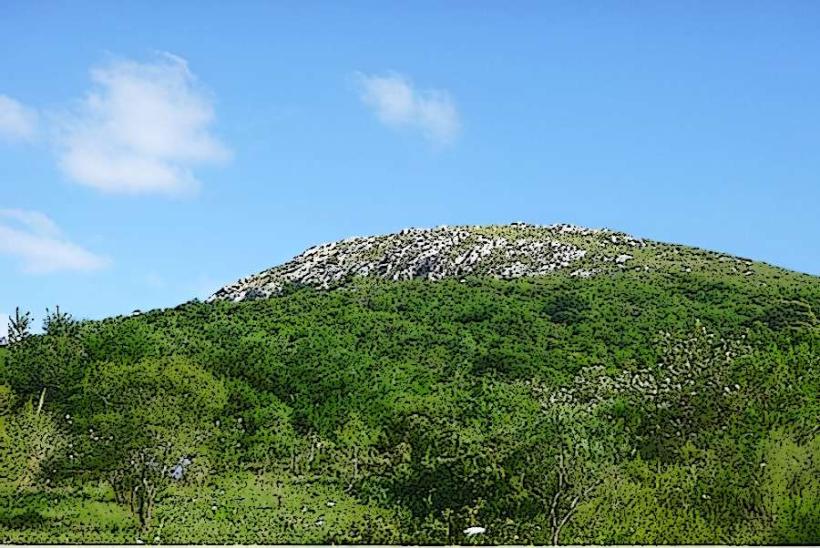
Cerro Batoví: A distinctive flat-topped hill on the horizon that has become the geographic symbol of the department.
Transportation Network
There are no metro or tram systems. Transit is managed by a municipal bus system and a high density of motorcycles. Long-distance buses at the Terminal de Ómnibus provide frequent connections to Montevideo, Rivera, and Salto. Ride-sharing via Uber is active but less common than in the capital. Official taxis are white and congregating near the main plazas. Traffic density is generally low, though it increases significantly during the second week of March.
Safety & "Red Zones"
Tacuarembó is one of the safest departmental capitals in Uruguay. There are no designated "red zones." Safety risks are primarily limited to petty theft during the crowded "Patria Gaucha" festival. Standard caution is advised near the bus terminal late at night. Scams are uncommon, but visitors should verify accommodation prices during festival peaks when rates can triple.
Digital & Financial Infrastructure
Average internet speed is 75-100 Mbps via Antel fiber. Main mobile carriers are Antel, Movistar, and Claro. Card acceptance is high in hotels and supermarkets but cash (Uruguayan Pesos) is preferred for smaller rural shops and festival vendors. ATMs (RedBROU and Banred) are clustered in the Centro district.
Climate & Air Quality
Temperatures range from 18°C to 31°C in summer (December–March) and 6°C to 16°C in winter (June–August). Air quality is exceptional due to the open grasslands and lack of heavy industry. A specific weather risk is the sudden temperature drop at night, even in summer, due to the interior continental climate.
Culture & Social Norms
Tipping: 10% is standard in restaurants.
Greeting: A single kiss on the cheek is the social standard; handshakes are for formal business.
Attire: Conservative but functional; during March, many locals and visitors wear traditional "pilchas gauchas" (ponchos, bombachas, and boots).
Mate: Public consumption of mate is universal and serves as a primary social lubricant.
Accommodation Zones
Downtown (Centro): Best for accessibility to museums and restaurants.
Iporá Resort/Laguna Area: Best for nature enthusiasts and those attending the rural festivals.
Local Cost Index
1 Espresso: 145 UYU ($3.75 USD)
1 Standard Lunch: 480 UYU ($12.40 USD)
1 Bus Ticket (Local): 45 UYU ($1.15 USD)
Nearby Day Trips
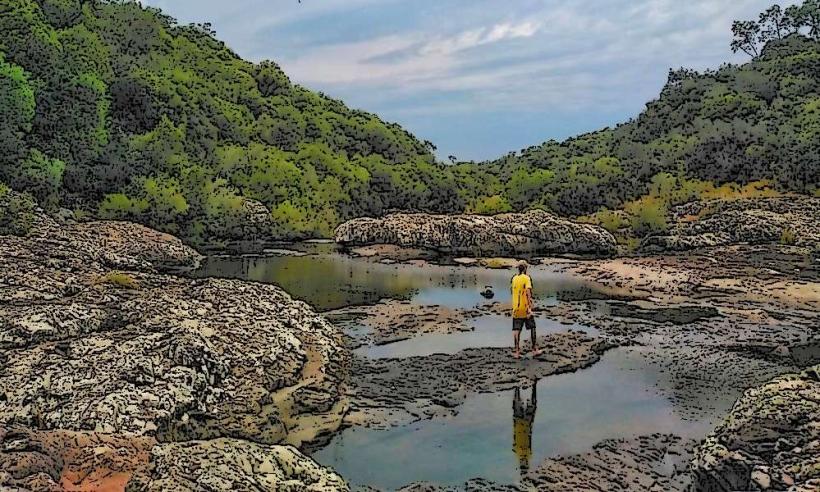
Valle Edén: 21 km (Picturesque valley, Gardel museum, and hanging bridge).
San Gregorio de Polanco: 140 km (Riverside town known for its open-air museum of murals).
Iporá Bathing Resort: 7 km (Artificial lakes and recreational forest).
Facts & Legends
Tacuarembó is famously involved in the international "Gardel Debate," with locals maintaining that the tango singer was the illegitimate son of a local landowner, born in Valle Edén. A popular local legend is that of the "Luz Mala," a mysterious phosphorescent light seen in the surrounding fields, which gauchos traditionally believe marks the location of hidden treasure or the presence of restless spirits.