Landmark: Abuhav Synagogue
City: Safed
Country: Israel
Continent: Asia
Abuhav Synagogue, Safed, Israel, Asia
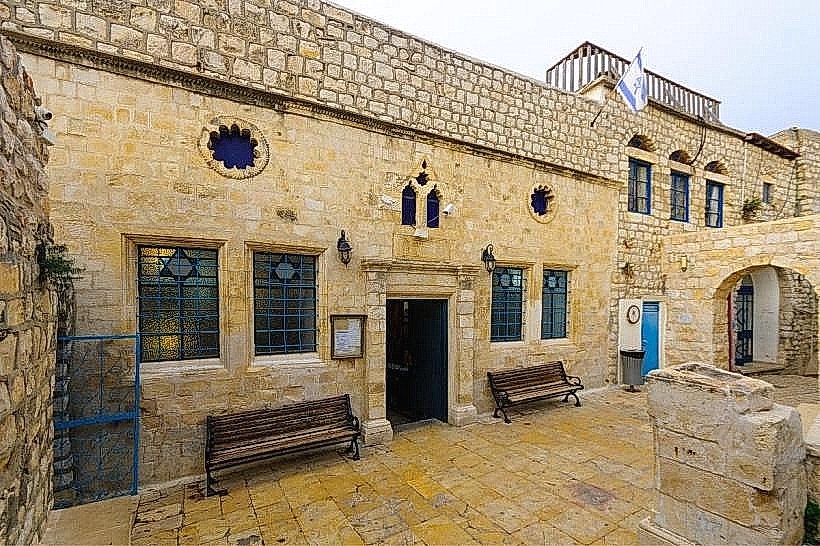
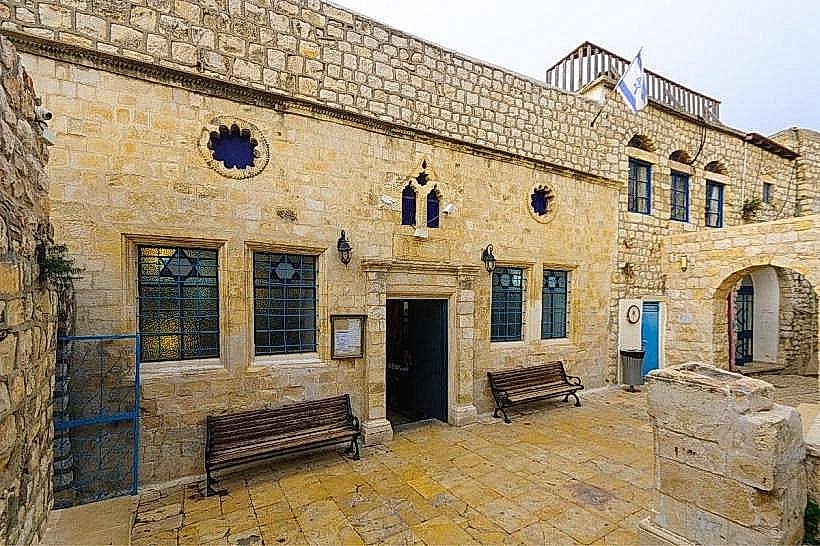
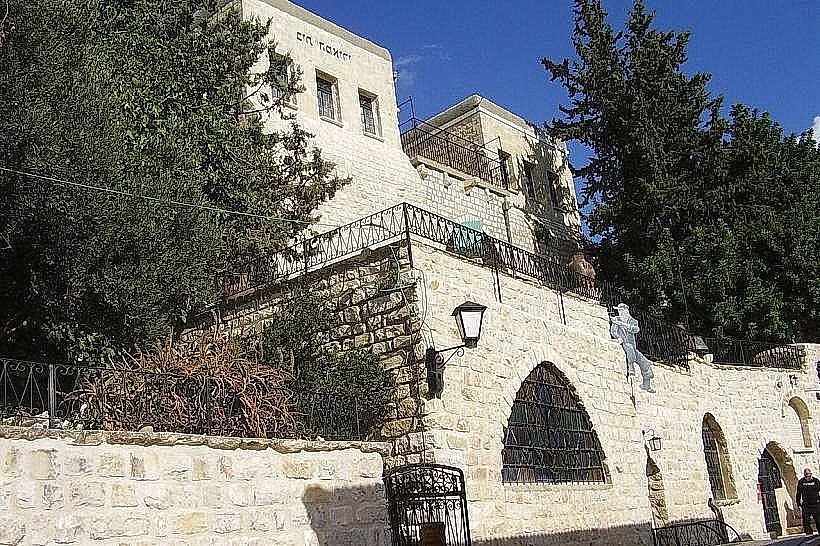
The Abuhav Synagogue is a 15th-century Sephardic house of worship located in the heart of the Old City of Safed. It is widely recognized for its unique kabbalistic architecture, sky-blue interior, and its status as one of the few structures to survive the region's major historical earthquakes.
Visual Characteristics
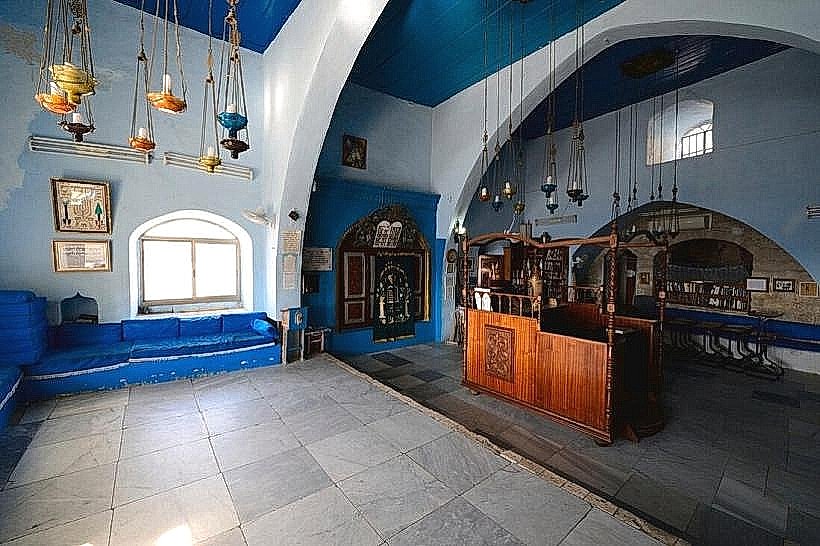
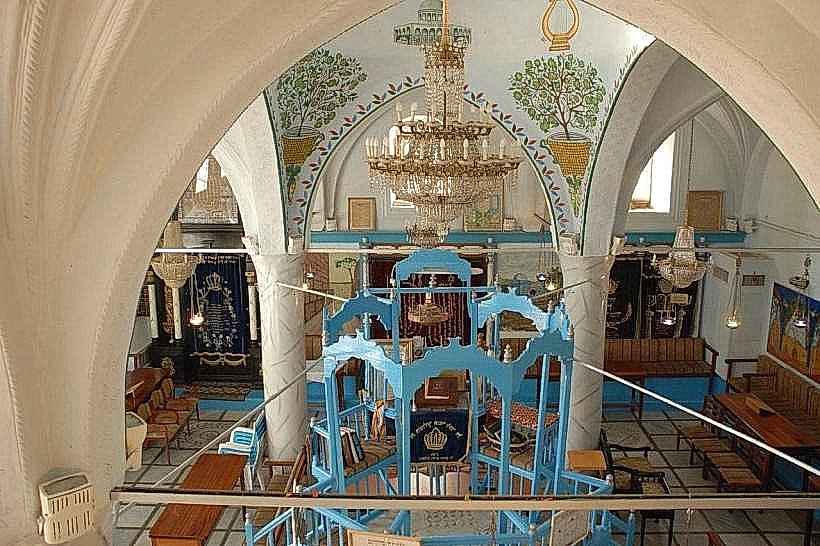
The sanctuary is built with thick limestone walls and a central domed ceiling painted a vibrant sky-blue, intended to represent the heavens. The dome is supported by four massive pillars and features hand-painted depictions of the tribes of Israel, musical instruments from the ancient Temple, and symbols of the zodiac. A distinctive architectural feature is the southern wall, which contains three separate Holy Arks (Aronot Kodesh) set deep into the masonry.
Location & Access Logistics
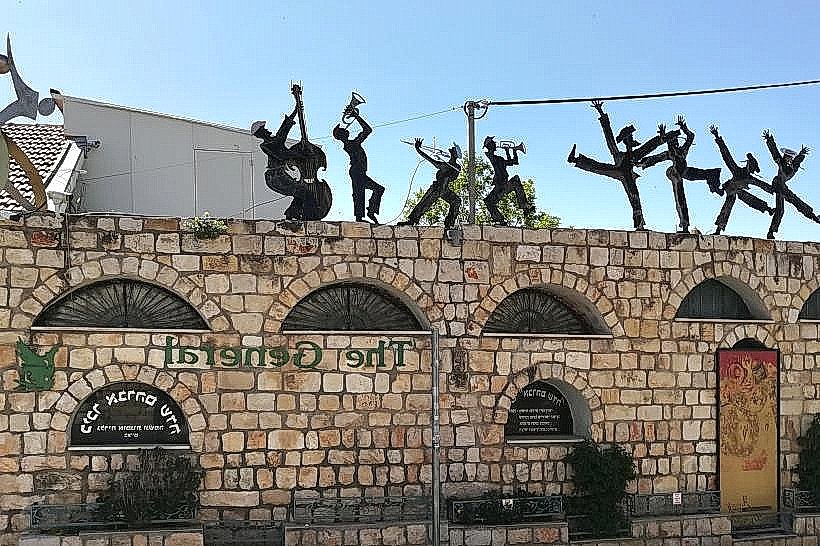
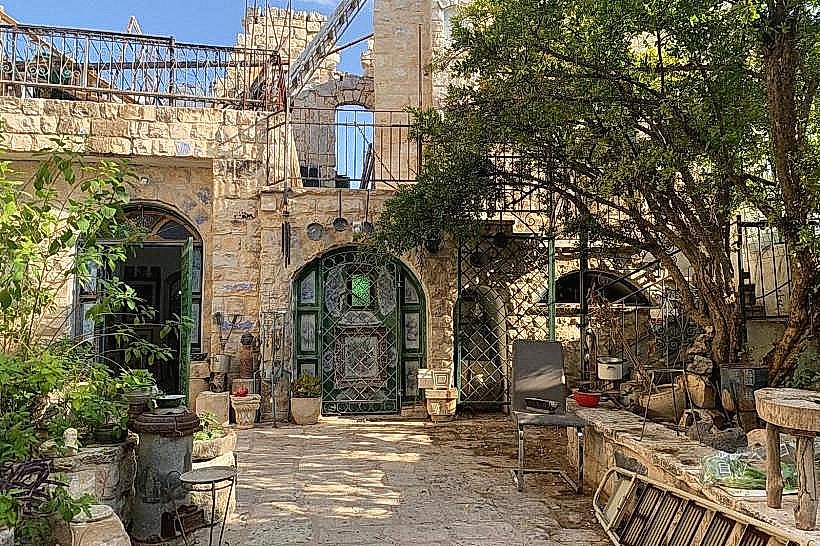
The synagogue is situated on Abuhav Street within the pedestrian-only stone alleyways of the Sephardic Quarter. It is approximately 1.2km from the Safed Central Bus Station. As the surrounding streets are too narrow for vehicles, visitors must park at the Ma'ayan HaChaim or General Exhibition parking lots and proceed on foot. The walk involves navigating several steep stone staircases and uneven cobblestone paths.
Historical & Ecological Origin
The synagogue was founded in the late 15th century by disciples of the Spanish Kabbalist Rabbi Isaac Abuhav following the Spanish Expulsion. While the Great Earthquake of 1837 destroyed much of Safed, the southern wall containing the Arks remained intact and was integrated into the mid-19th-century reconstruction. The building utilizes the traditional Galilean method of load-bearing stone arches to support the weight of the dome and resist seismic activity.
Key Highlights & Activities
Visitors can observe the historic interior and the "Abuhav Scroll," a Torah scroll reportedly written by the Rabbi himself in Spain over 500 years ago. This scroll is removed from the Ark for public reading only on Rosh Hashanah, Yom Kippur, and Shavuot. The site is an active synagogue where visitors can join daily prayer services or view the intricate kabbalistic symbolism embedded in the wall and ceiling murals during non-prayer hours.
Infrastructure & Amenities
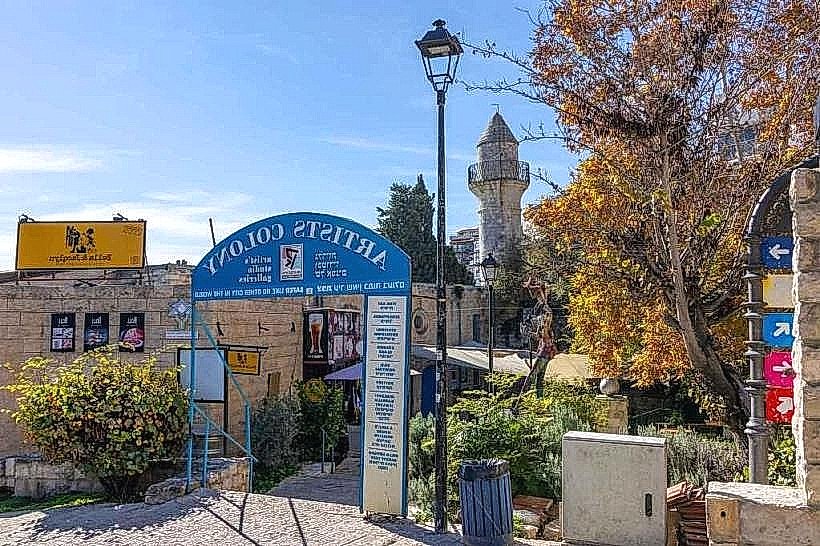
The synagogue does not house on-site restrooms; the nearest public facilities are located in the adjacent Artists' Quarter. Benches line the interior perimeter for seating, and the thick masonry provides natural thermal cooling during the summer. 5G cellular signal is stable in the open courtyards but can be inconsistent inside the stone-domed sanctuary. Numerous Judaica galleries and small cafes are located within a 50-meter radius.
Best Time to Visit
The synagogue is open to tourists Sunday through Thursday from 09:00 to 17:00, and on Fridays until 13:00. Morning visits are recommended to capture the natural light illuminating the blue dome. Entrance is strictly prohibited during active prayer services and is closed to the public on the Sabbath (Friday evening through Saturday) and during Jewish religious festivals.
Facts & Legends
According to local tradition, the synagogue was miraculously transported from Spain to Safed in a single night to escape the Spanish Inquisition. A verified architectural oddity is the placement of the Arks on the southern wall, facing Jerusalem, which deviates from the standard eastern placement found in most European synagogues. The central dome features ten windows symbolizing the Ten Commandments.
Nearby Landmarks
Ari Ashkenazi Synagogue: 0.2km North
Yosef Caro Synagogue: 0.1km East
Beit Hameiri Museum: 0.3km South
Safed Citadel (Metzuda Park): 0.6km Northeast
Old Jewish Cemetery of Safed: 0.5km West