Landmark: Ari Ashkenazi Synagogue
City: Safed
Country: Israel
Continent: Asia
Ari Ashkenazi Synagogue, Safed, Israel, Asia
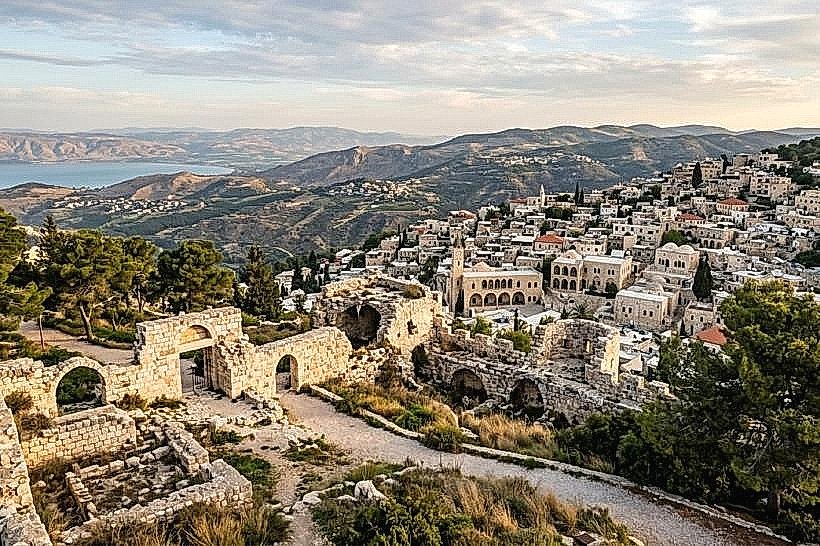
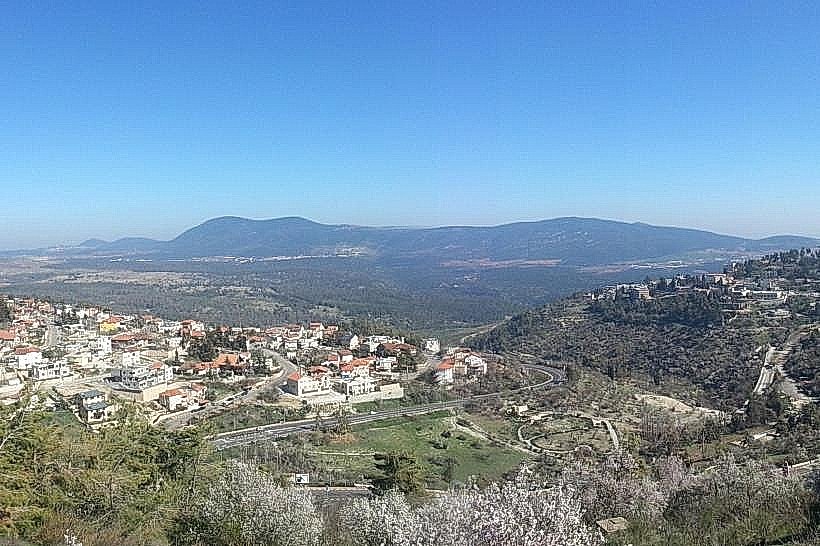
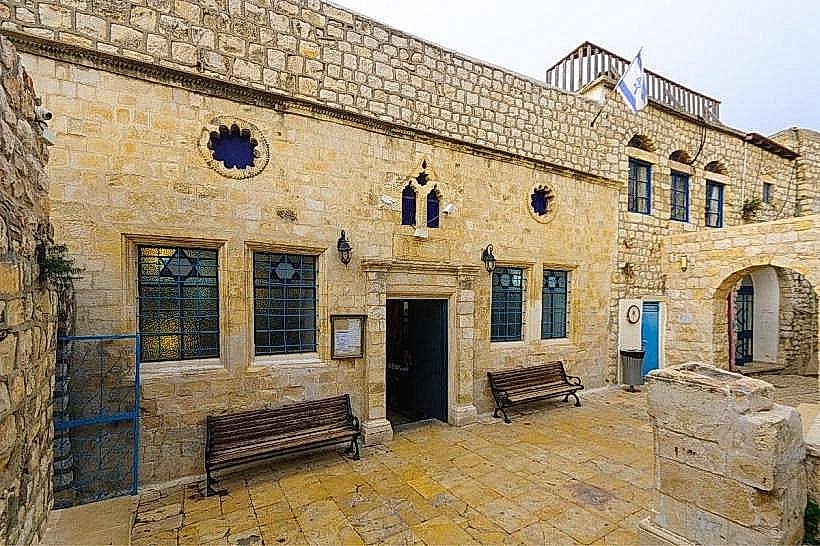
The Ari Ashkenazi Synagogue is a 16th-century house of worship located in the northern section of the Sephardic Quarter within the Old City of Safed. It is dedicated to Rabbi Isaac Luria, the preeminent Kabbalist known as "the Ari," and serves as a central landmark for Jewish mysticism and Galilean history.
Visual Characteristics
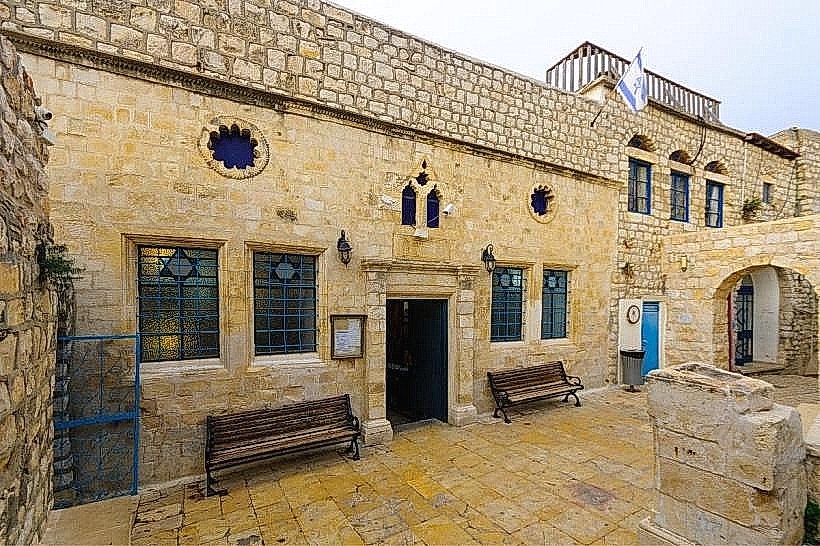
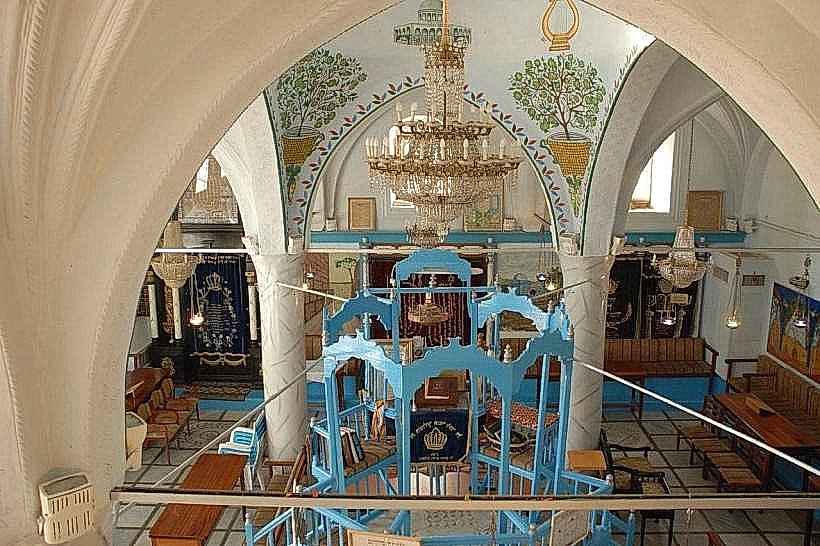
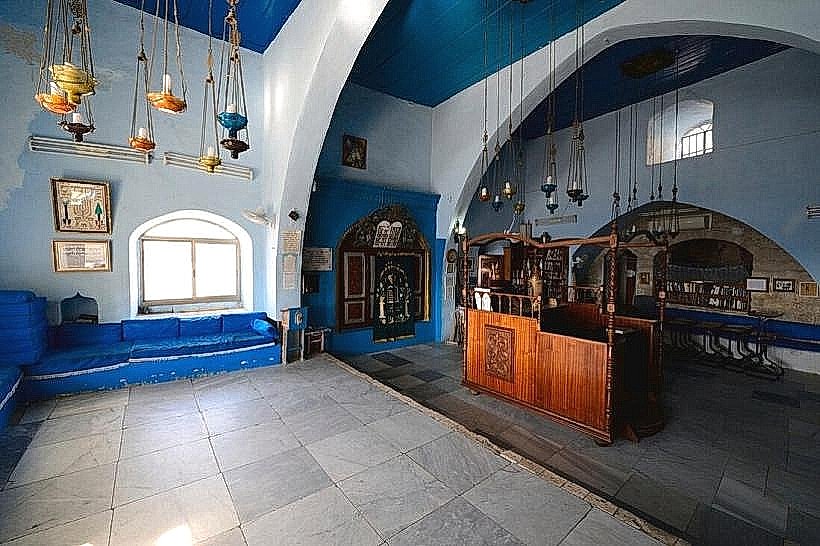
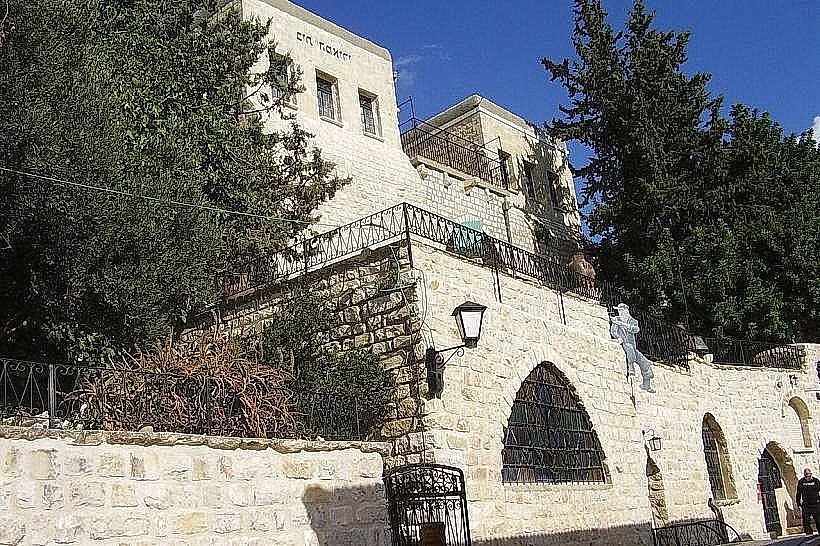
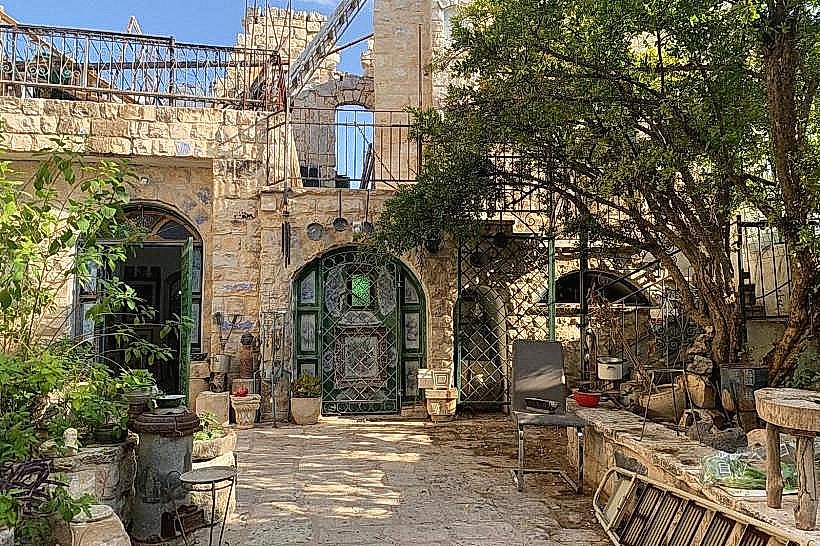
The structure is built from thick, local limestone blocks and features high, vaulted ceilings and arched windows typical of the Ottoman-era Galilee. Its interior is dominated by an ornate Holy Ark carved from olive wood in the 19th century, depicting floral motifs and traditional Jewish symbols such as lions and deer. The floor is laid with stone tiles, and the prayer hall contains a central raised bimah surrounded by dark wood benches along the walls.
Location & Access Logistics
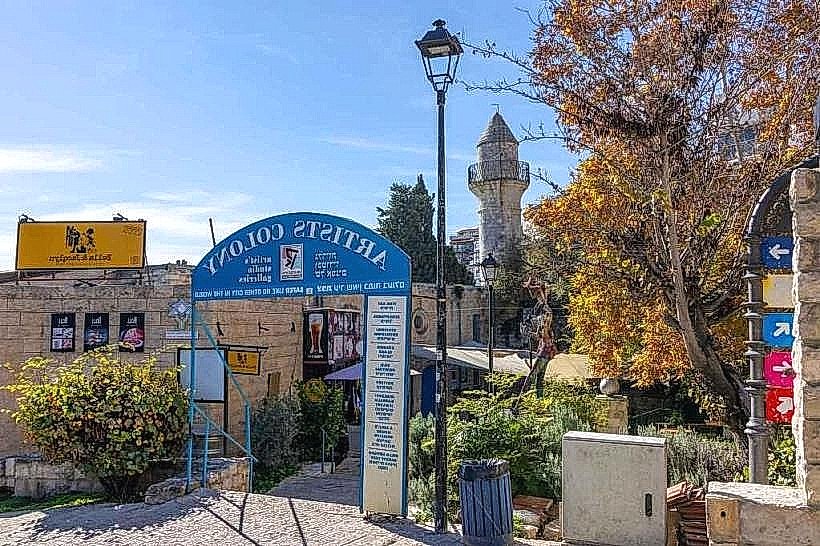
The synagogue is situated on Israel Najara Street, accessible only via the narrow, pedestrian stone alleys of Safed's Old City. Visitors arriving by car should park at the Ma'ayan HaChaim parking lot or near the Artists' Quarter, located approximately 0.5km away. From the Safed Central Bus Station, the site is reachable via a 15-minute downhill walk through the commercial center and into the historical district.
Historical & Ecological Origin
Originally established in the mid-1500s by Spanish exiles from Greece, it was known as the Gerigos Synagogue before being renamed after the Ari in the late 16th century. The building was almost entirely destroyed in the Galilee earthquake of 1837 and subsequently reconstructed using the original footprint and salvaged stone. It stands on the traditional site of the "Field of Holy Apples," where 16th-century Kabbalists gathered to welcome the Sabbath.
Key Highlights & Activities
Visitors can view the hand-carved Ark and the "shrapnel hole" in the wooden bimah dating back to the 1948 war. The synagogue remains an active house of prayer with daily services; however, outside of prayer times, the public can enter the sanctuary to observe the architectural and artistic details. Modest dress (covered shoulders and knees) is strictly required for entry.
Infrastructure & Amenities
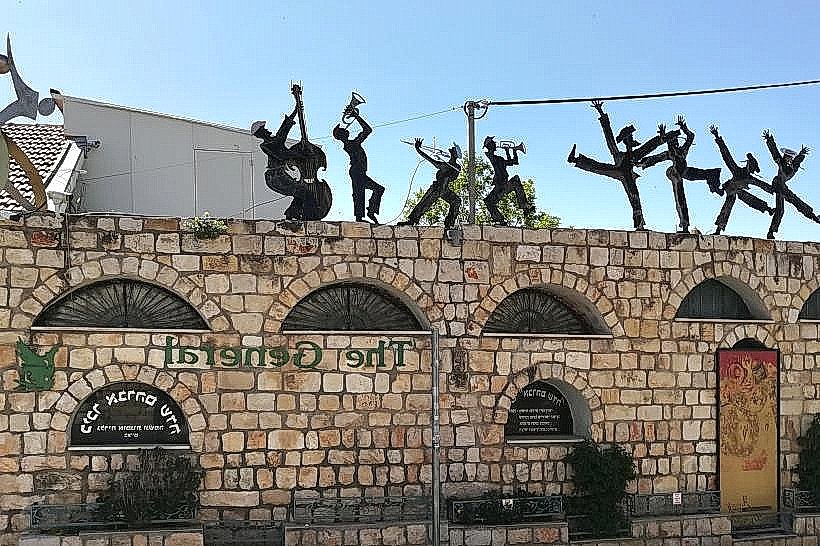
Public restrooms are not located within the synagogue but are available at the nearby General Exhibition or in the Artists' Quarter. Shade is provided by the thick stone walls and narrow alleyways surrounding the entrance. 5G cellular signal is stable in the open courtyards but significantly weakened inside the masonry-heavy prayer hall. Small shops selling religious items and local art are located in the adjacent alleys.
Best Time to Visit
The most favorable hours for visiting are Sunday through Thursday between 09:00 and 12:00. To avoid prayer services and large crowds, avoid the hours surrounding sunset. Photography is permitted during the week but is strictly prohibited on the Sabbath (Friday evening to Saturday evening) and Jewish festivals.
Facts & Legends
Local tradition maintains that a shrapnel fragment flew into the synagogue during a 1948 battle and struck the bimah while a congregant was bowing in prayer, narrowly missing him; the damage is still visible today. A popular myth suggests that the Ari and his disciples would walk from this location into the surrounding fields to greet the "Sabbath Queen," a practice that birthed the universal Kabbalat Shabbat service.
Nearby Landmarks
Abuhav Synagogue: 0.2km South
Caro Synagogue: 0.3km Southwest
Safed Artists' Colony: 0.4km East
Old Jewish Cemetery of Safed: 0.6km West
Metzuda Park (The Citadel): 0.7km Northeast