Landmark: Coral World Marine Park
City: Safed
Country: Israel
Continent: Asia
Coral World Marine Park, Safed, Israel, Asia
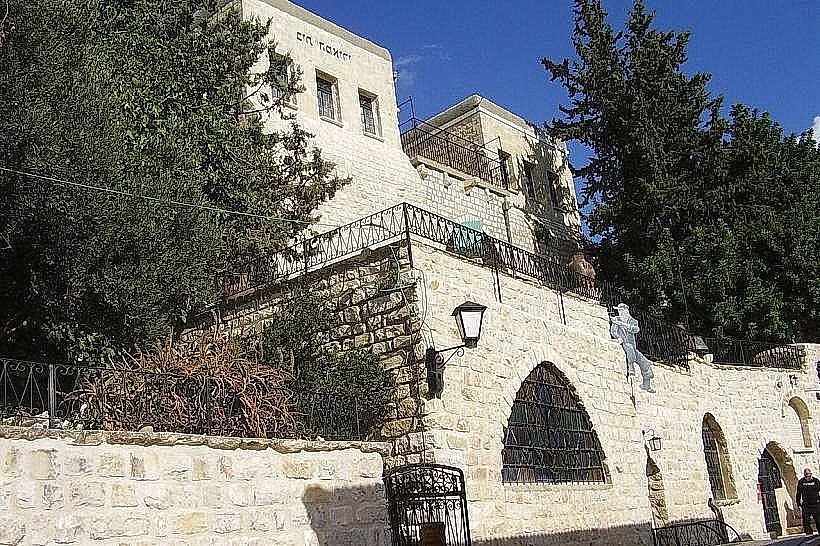
The Ari Ashkenazi Synagogue is a historic place of worship located on the northern edge of the Sephardic neighborhood in the Old City of Safed, Israel. Built in the 16th century, it is dedicated to Rabbi Isaac Luria, the influential Kabbalist known as "the Ari," and is considered one of the oldest synagogues in continuous use in the country.
Visual Characteristics
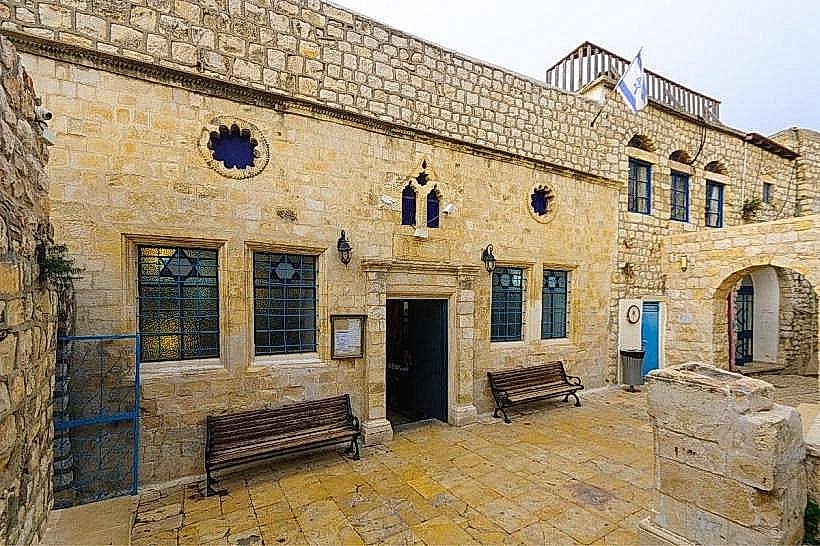
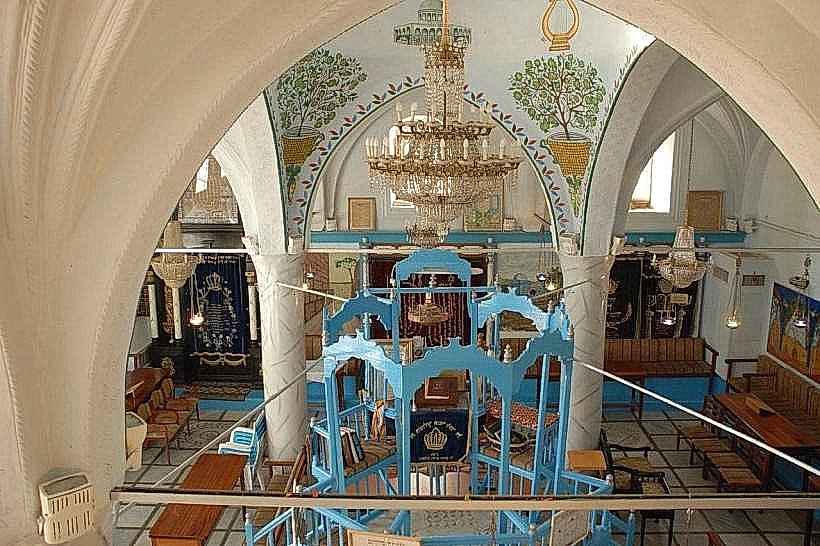
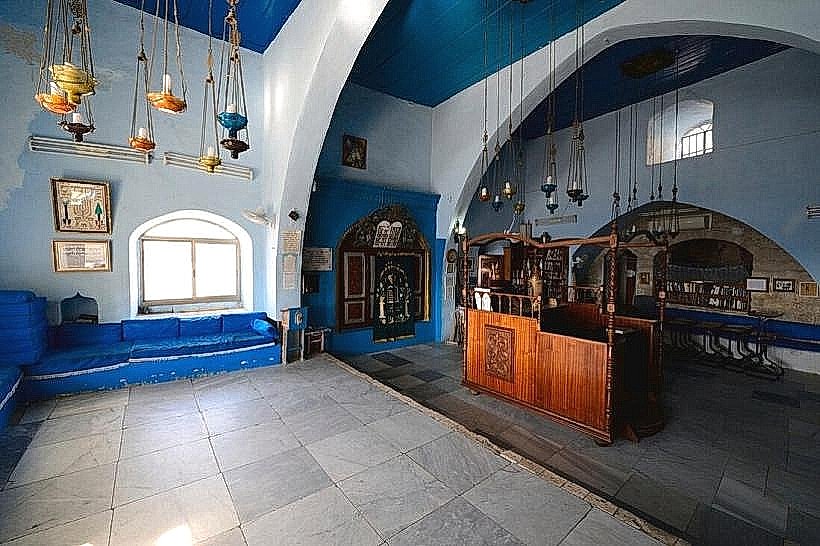
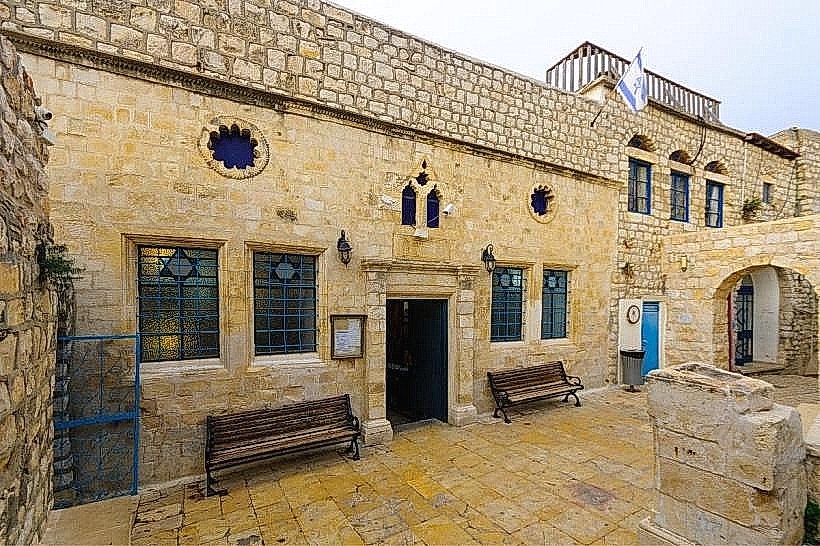
The building is a two-story stone structure with thick masonry walls and arched stained-glass windows characteristic of Galilean architecture. Its interior is defined by a massive Holy Ark carved from olive wood by a craftsman from Galicia, featuring intricate Eastern European-style motifs including lions, birds, and floral designs. The prayer hall maintains a traditional layout with a central raised bimah and heavy wooden benches positioned along the perimeter.
Location & Access Logistics
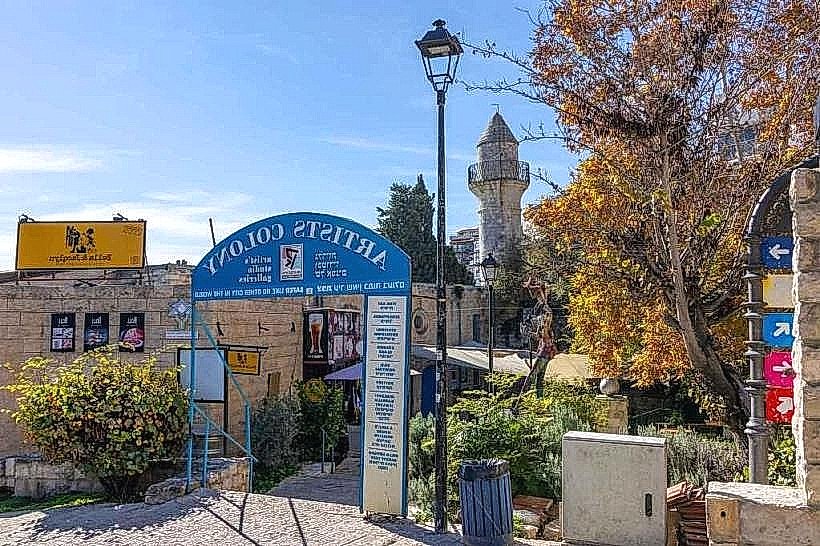
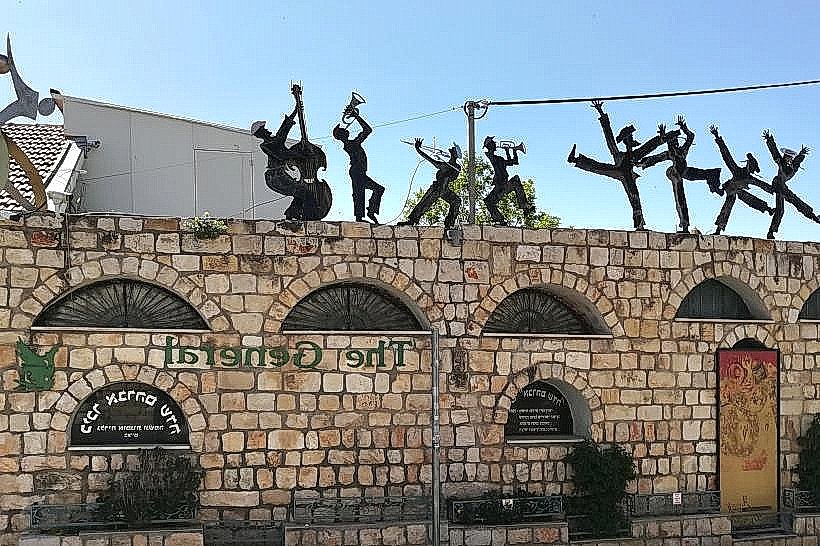
The synagogue is situated on Israel Najara Street within the labyrinthine alleys of Safed’s Old City. It is approximately 1.5km from the city center near the Artists' Quarter. Visitors must navigate on foot through narrow, pedestrian-only stone paths; the closest vehicle access is via a public parking lot near the General Exhibition. Municipal bus lines stop at the Safed Central Bus Station, followed by a 15-minute downhill walk to the site.
Historical & Ecological Origin
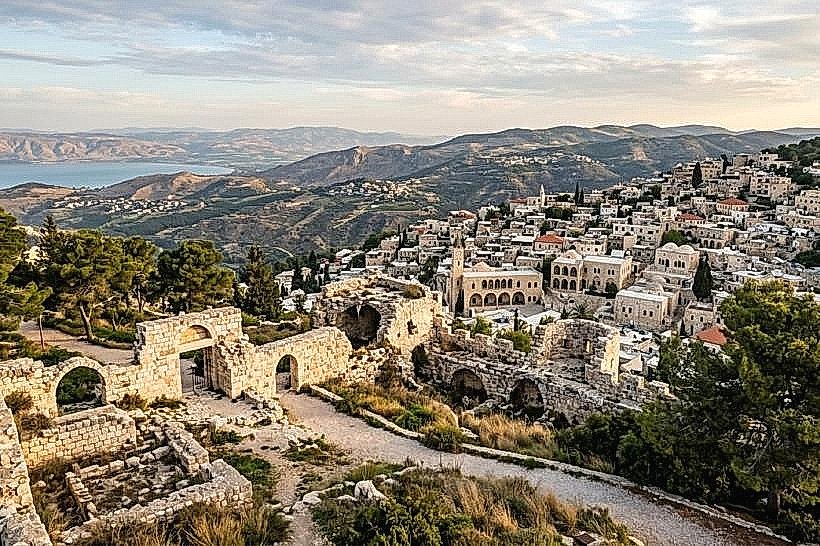
Originally founded in the mid-16th century by Spanish exiles who had migrated from Greece (giving it its original name, the "Gerigos Synagogue"), it was later renamed to honor the Ari after his death in 1572. The current structure primarily dates to its reconstruction following the Great Earthquake of 1837, which destroyed much of Safed. It stands on the site where tradition says the Ari and his disciples gathered in an open field to welcome the Sabbath.
Key Highlights & Activities
Visitors can observe the ornate, hand-carved Holy Ark and the various Hebrew inscriptions decorating the entrance lintel and interior walls. The synagogue is a primary site for the Kabbalat Shabbat service, a tradition of welcoming the Sabbath that originated with the Ari's disciples. Quiet, self-guided observation is permitted during non-prayer hours, and modesty wraps (skirts and shawls) are provided at the entrance for those not dressed accordingly.
Infrastructure & Amenities
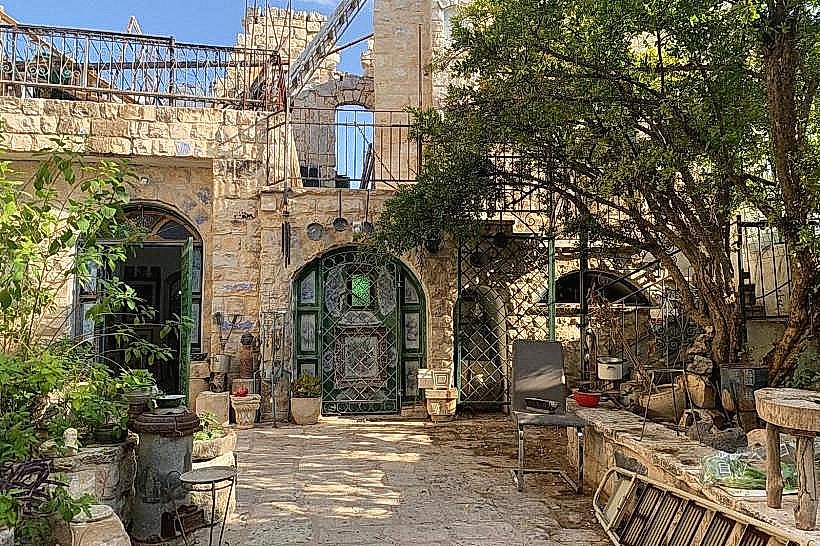
Public restrooms are located a short walk away in the central Artists' Quarter. The synagogue itself provides modest seating and a small courtyard with ancient trees for shade. Due to the thick stone construction and narrow valley location, 5G cellular signal can be inconsistent inside the building but is stable in the adjacent alleys. No food vendors are located on the premises, but numerous cafes and artisan bakeries are situated within 200 meters.
Best Time to Visit
Optimal visiting hours are Sunday through Thursday between 09:00 and 13:00 to avoid conflicts with afternoon and evening prayer services. Photography is best in the morning when natural light passes through the south-facing stained-glass windows, though it is strictly prohibited on the Sabbath (Friday evening through Saturday evening) and Jewish holidays.
Facts & Legends
According to local tradition, the synagogue was built on "Hakal Tapuchin Kadishin" (the Field of Holy Apples), where the Ari supposedly composed the "Lecha Dodi" hymn. A verified historical oddity is a hole in the wooden bimah, which legend claims was caused by a shrapnel fragment during the 1948 War of Independence; a worshiper leaning over the scrolls was reportedly spared as the metal struck the wood instead.
Nearby Landmarks
Abuhav Synagogue: 0.2km South
Yosef Caro Synagogue: 0.3km Southwest
Hameiri House Museum: 0.4km South
Old Jewish Cemetery of Safed: 0.6km West
Safed Citadel (Metzuda Park): 0.8km Northeast