Landmark: Adanwomase Kente Cloth Weaving Village
City: Kumasi
Country: Ghana
Continent: Africa
Adanwomase Kente Cloth Weaving Village, Kumasi, Ghana, Africa
Adanwomase Kente Cloth Weaving Village is a significant traditional textile hub located in the Kwabre East District of the Ashanti Region. It is established as a "royal weaving enclave" for the Asantehene and is one of the primary locations where the centuries-old art of Kente weaving is preserved and commercialized.
Visual Characteristics
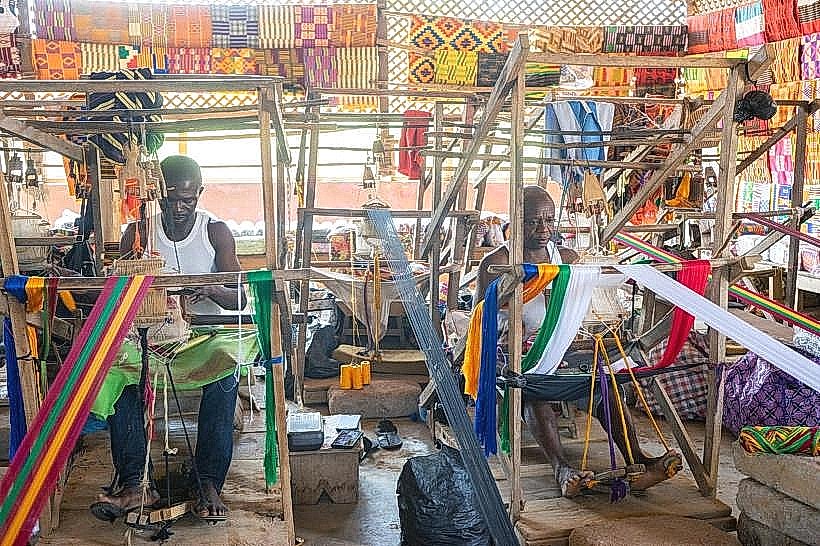
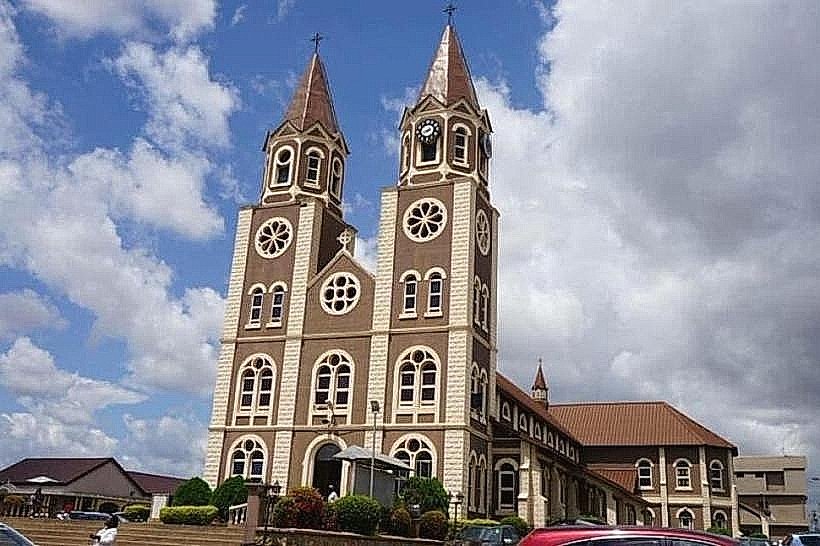
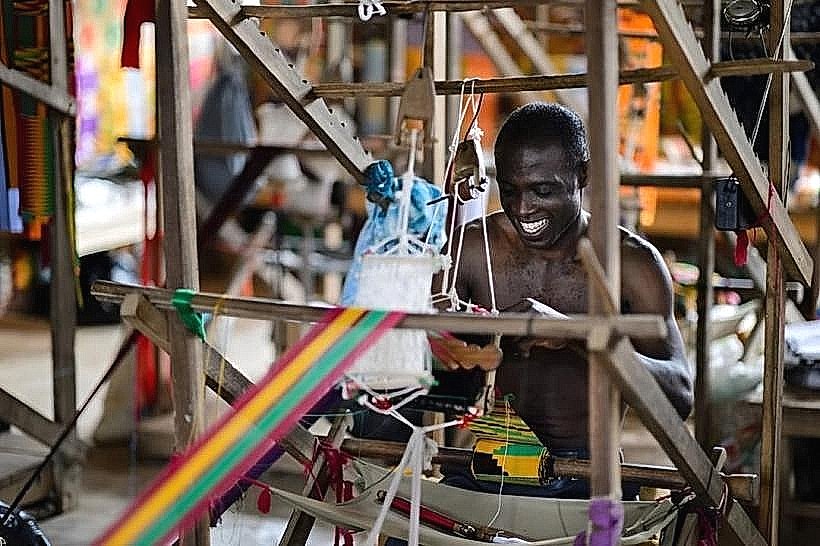
The village is characterized by the presence of weavers seated at traditional horizontal wooden looms in open-air porches, under trees, and within the dedicated Visitor Centre. The environment is vibrant, featuring high-contrast racks of multicolored threads and long, narrow strips of woven fabric stretching across workshops. The architecture is a mix of traditional residential compounds and the modern concrete Adanwomase Tourism Development Project facility.
Location & Access Logistics
The village is situated approximately 27km northeast of Kumasi.
Private Vehicle: From Kumasi, drive north on the Mampong Road for 19km, turn right at the Asonomaso Nkwanta junction, and continue for 5.5km.
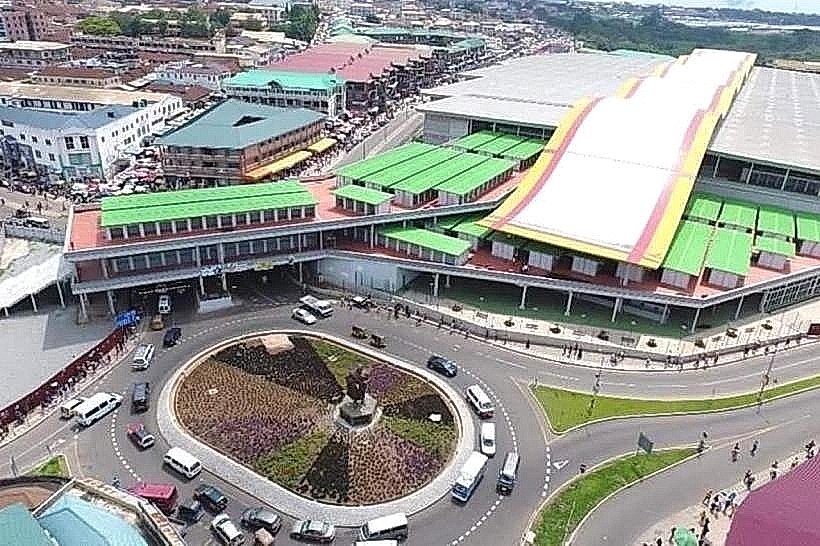
Public Transport: From Kumasi’s Kejetia Station, board a "tro-tro" from the G Line directly to Adanwomase. Alternatively, take a vehicle from Kumasi to Ejisu, then a taxi or local car through Bonwire to Adanwomase (approx. 12km from Ejisu).
Parking: Unpaved parking is available at the Visitor Centre.
Historical & Ecological Origin
Adanwomase’s weaving history dates back to 1697 when the Asantehene sent apprentices to study the art form in present-day Côte d'Ivoire. Upon their return, the village became a designated center for royal weaving. It is the home of the Mfufutumahene (Chief of the white and black cloth), who is the custodian of the sesia-a basket containing historical Kente samples. The village name means "under the Adanwo tree," referencing the site's original settlement point.
Key Highlights & Activities
Guided Tours: The Visitor Centre (established 2004) provides trained guides who explain the symbolism of Kente patterns and colors.
Hands-on Weaving: Visitors are encouraged to sit at the loom and attempt to weave a few rows under the instruction of master weavers.
Cultural Sites: Tours often include visits to the chief's palace, the community school, and a local cocoa farm.
Naming Ceremonies: The village is a popular site for "Heritage Tours" where visitors can participate in a traditional Ashanti naming ceremony.
Infrastructure & Amenities
The Adanwomase Visitor’s Centre includes a small museum, a retail shop, and administrative offices. Basic public restrooms are available. 4G cell phone signal is robust. While the village lacks formal large-scale restaurants, local food vendors serve traditional dishes like fufu and light soup. Small guesthouses like the Akuoko Guest House provide modest accommodation nearby.
Best Time to Visit
The village is active daily, typically from 06:00 to 17:00. The optimal time is weekday mornings (09:00–11:00) when weaving activity is high but tourist volume is low. The Adanwomase Kente Festival, held annually (usually in September), features durbars of chiefs and elaborate displays of the community's finest textiles.
Facts & Legends
Local tradition maintains a friendly rivalry with the nearby town of Bonwire over which community produces the superior Kente. A unique aspect of Adanwomase is the Mfufutumahene’s specific mandate to produce the sacred black and white Kente used exclusively by the Asantehene for somber or spiritual royal occasions.
Nearby Landmarks
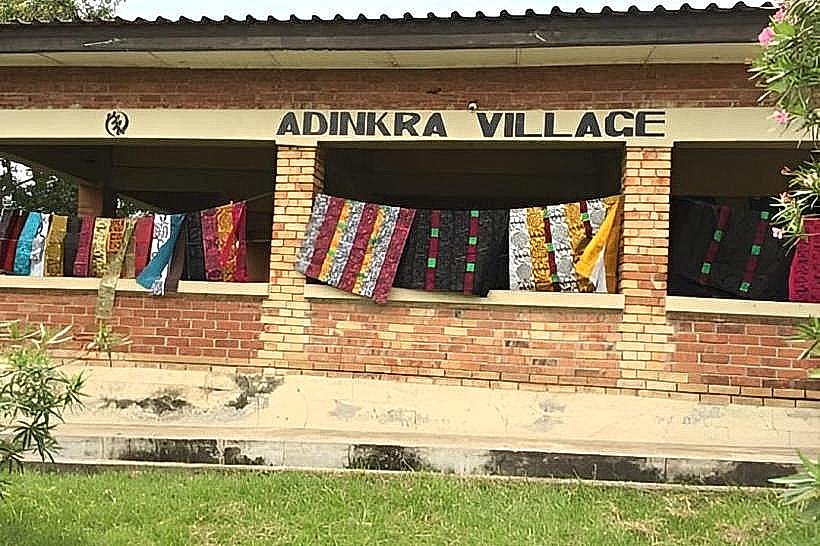
Ntonso Adinkra Village – 6.0km North (famous for stamp-printed cloth)
Bonwire Kente Village – 3.0km South
Kumasi Airport – 22km Southwest
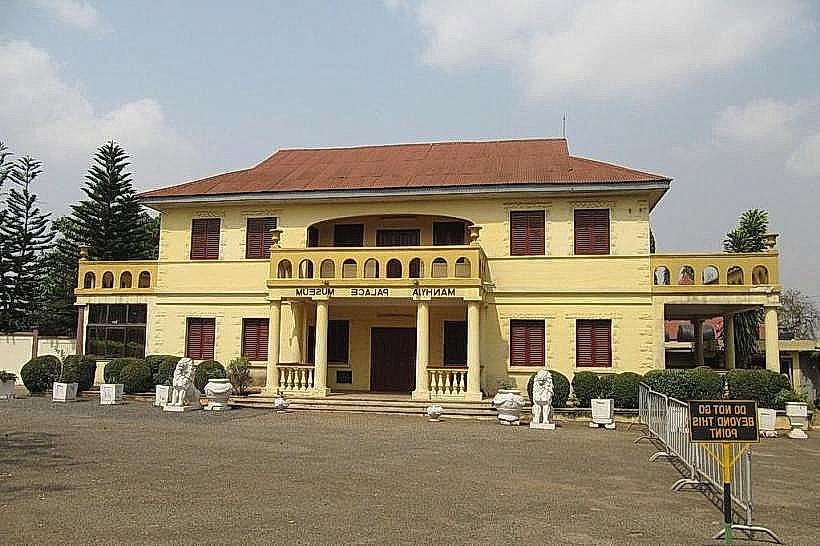
Manhyia Palace Museum – 25km Southwest
Bobiri Forest Butterfly Sanctuary – 30km Southeast