Landmark: Ahwiaa Wood Carving Village
City: Kumasi
Country: Ghana
Continent: Africa
Ahwiaa Wood Carving Village, Kumasi, Ghana, Africa
Ahwiaa Wood Carving Village is a specialized artisan settlement in the Kwabre East District of the Ashanti Region. It serves as the primary center for the production of traditional Ashanti wood carvings, including royal stools, fertility dolls (Akuaba), and linguistic staffs.
Visual Characteristics
The village is defined by a high concentration of roadside workshops and open-air galleries. The environment is characterized by large piles of raw timber, typically Sese (Holarrhena floribunda) or Cedar, and mounds of wood shavings. Master carvers and apprentices are visible using manual tools such as adzes, chisels, and sandpaper to shape logs into intricate figures. Finished products are displayed in dense clusters along the main road, ranging from miniature figurines to life-sized sculptures.
Location & Access Logistics
Ahwiaa is situated approximately 9km north of Kumasi.
Private Vehicle: Drive north on the Kumasi-Mampong Road (N4). The village is located directly along the highway, positioned between Kumasi and Ntonso.
Public Transport: Board a "tro-tro" from the Kejetia or Dr. Mensah terminals in Kumasi heading toward Mampong, Ntonso, or Ahwiaa; the vehicle stops in the center of the carving district.
Parking: Unpaved parking is available in front of the various workshops and galleries along the main road.
Historical & Ecological Origin
The village has served as the official wood carving enclave for the Asantehene for centuries. Artisans here are traditionally tasked with creating the sacred stools that serve as the spiritual center of Ashanti households and royal courts. The craft relies on the availability of softwoods from the surrounding semi-deciduous forest zone, which allow for detailed carving without splitting.
Key Highlights & Activities
Carving Demonstrations: Visitors can observe the transition from a raw log to a finished stool using traditional hand-carving techniques.
Symbolism Education: Carvers explain the meanings behind stool designs (e.g., the Gye Nyame stool or the Wisdom Knot) and the significance of the Akuaba dolls.
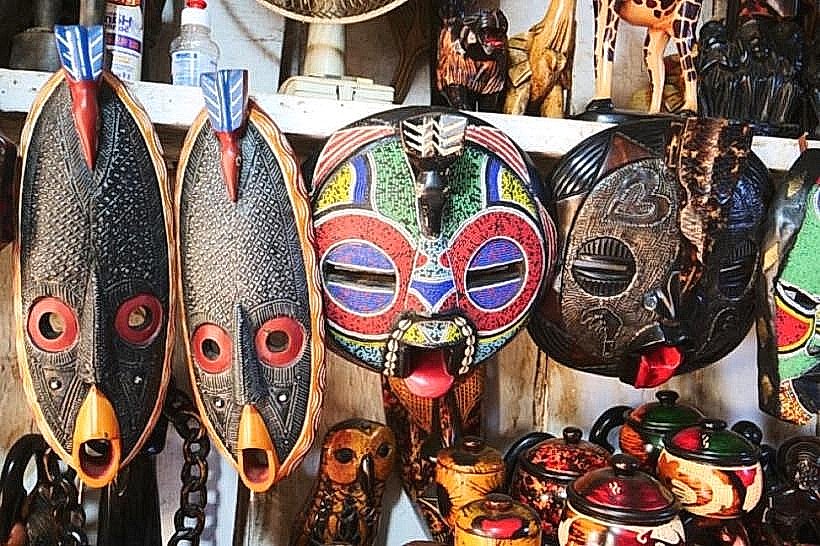
Custom Commissions: The village is a major retail point where visitors can purchase authentic carvings or commission custom pieces, including personalized stools or decorative masks.
Finishing Process: Observation of traditional finishing techniques, including the use of local dyes, shoe polish, or clear lacquers to achieve specific patinas.
Infrastructure & Amenities
The village consists of independent family-run workshops rather than a single centralized visitor center. 4G cell phone signal is robust. Shade is provided by the workshop overhangs and roadside trees. There are no formal restaurants, but the village is located on a busy transit route with numerous local "chop bars" and kiosks selling snacks and bottled water.
Best Time to Visit
Workshops are active Monday through Saturday from 08:00 to 17:30. The optimal time for a visit is between 09:00 and 12:00 when the light is favorable for photography and carving activity is at its peak. Sunday operations are significantly reduced.
Facts & Legends
A verified cultural protocol is that the Golden Stool of the Asante is never replicated for sale; however, Ahwiaa carvers produce high-quality replicas of other historic royal stools. A local tip for collectors is to check the weight and grain of the wood; authentic Sese wood is preferred for its durability and resistance to insects.
Nearby Landmarks
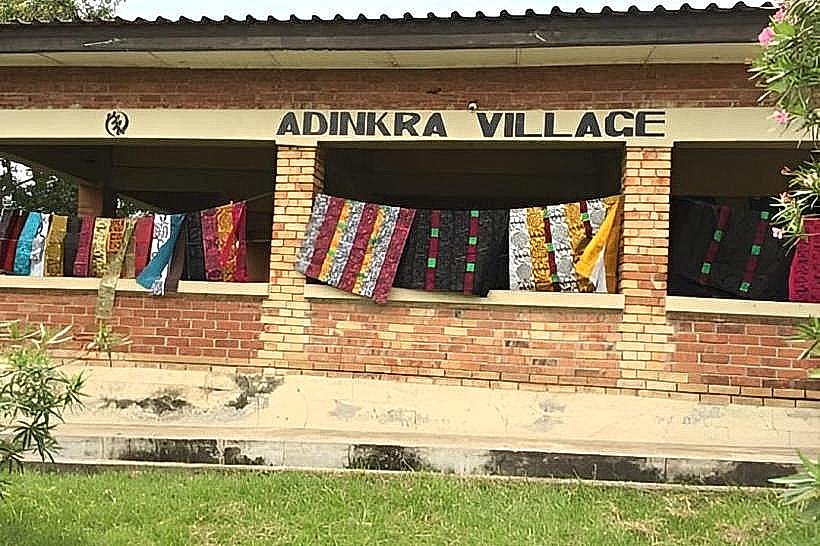
Ntonso Adinkra Village – 10km North
Adanwomase Kente Village – 12km Northeast
Kumasi Cultural Centre – 9km South
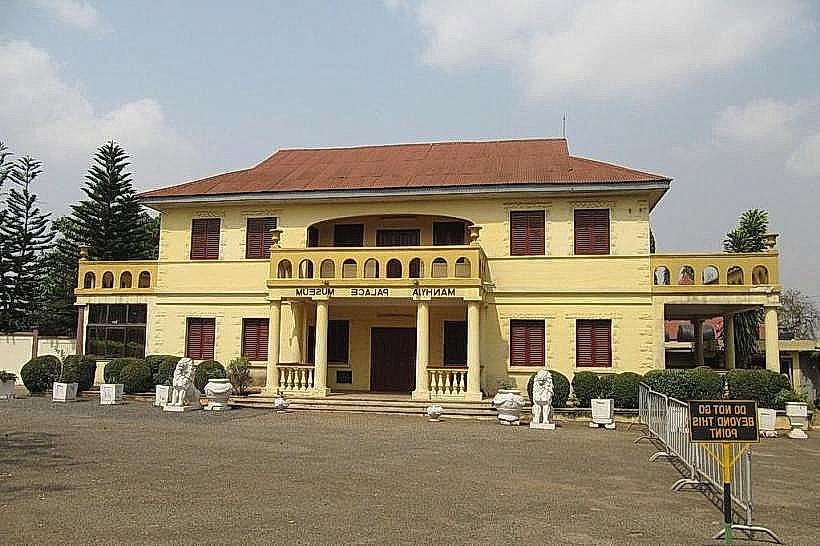
Manhyia Palace Museum – 8.5km South
Kumasi Airport – 12km South