Landmark: Pankrono Pottery Village
City: Kumasi
Country: Ghana
Continent: Africa
Pankrono Pottery Village, Kumasi, Ghana, Africa
Pankrono Pottery Village is a specialized artisan community located in the northern suburbs of Kumasi. It is renowned for its traditional earthenware production, where local potters utilize age-old hand-molding techniques passed down through generations.
Visual Characteristics
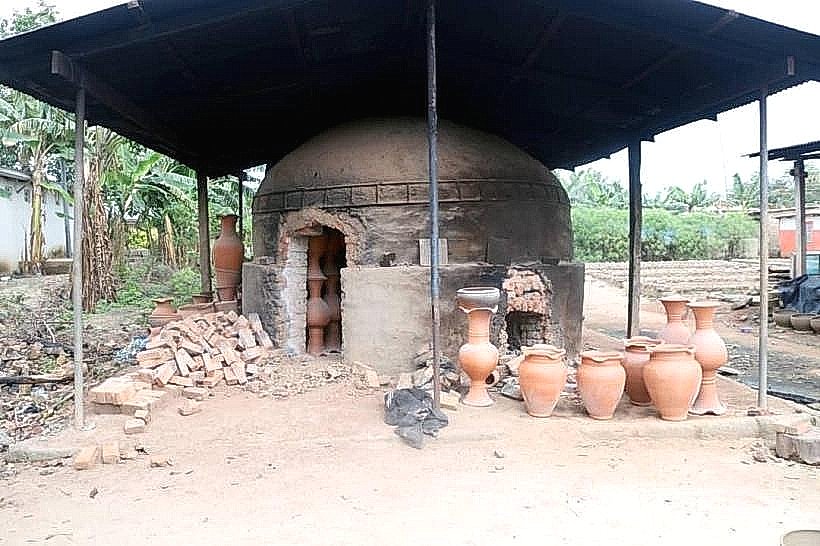
The village is defined by roadside displays of clay products ranging from small domestic bowls to large decorative urns. The environment features open-air workshops where potters work with raw clay, and backyard firing pits where finished pieces are hardened using traditional open-fire methods. The pottery is typically characterized by its earthy reddish-brown hue, often polished with smooth stones to achieve a distinctive sheen.
Location & Access Logistics
The village is situated approximately 8km north of Kumasi city center along the Mampong Road (N4).
By Road: A 15–20 minute drive from central Kumasi depending on traffic.
Public Transport: Board a "tro-tro" (public minibus) heading toward Pankrono or Tafo from the Kejetia or Dr. Mensah terminals. Inform the conductor to disembark at the Pankrono pottery stalls.
Parking: Unpaved roadside parking is available directly in front of the various pottery workshops and retail displays.
Historical & Ecological Origin
Pottery in Pankrono dates back centuries and is historically a craft dominated by women. Unlike modern industrial pottery, the artisans here do not use a potter's wheel; they build vessels using the "coiling" and "pinching" methods. The industry relies on high-quality clay deposits found in the local marshy areas and valley bottoms of the Ashanti Region. Historically, these pots were essential for fetching water, cooking, and storing valuable ornaments like gold.
Key Highlights & Activities
Hand-Molding Observation: Visitors can watch artisans skillfully shape complex vessels using only their hands and simple wooden tools.
Traditional Firing: Depending on the production schedule, visitors may witness the open-firing process where pots are stacked and covered with wood and grass for baking.
Asanka Bowls: The village is a major producer of the Asanka (grinding bowl), an essential kitchen tool in Ghanaian households used for preparing traditional salsas and soups.
Custom Orders: Many workshops accept commissions for large-scale garden pots or customized decorative pieces.
Infrastructure & Amenities
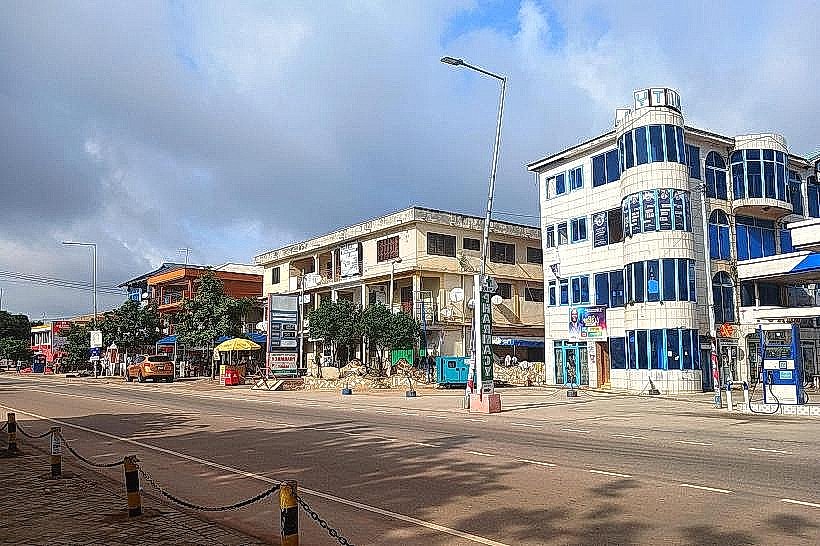
Pankrono is an integrated residential and artisan community rather than a formal tourist park. 4G cell phone signal is robust. Shade is provided by the workshop overhangs and trees. While the village lacks formal tourist restaurants, its location on the Mampong Road provides easy access to numerous local eateries, fuel stations, and convenience stores within walking distance.
Best Time to Visit
Workshops are generally active Monday through Saturday (07:30–18:00). The optimal time for a visit is between 09:00 and 11:00 when production activity is high. Most workshops are closed on Sundays for religious observance. Visitors should avoid peak rainy periods if they wish to see the outdoor firing process.
Facts & Legends
Local tradition holds that the specific clay used in Pankrono has "cooling" properties, which is why clay pots remain the preferred vessel for storing drinking water in many rural households. A verified logistical detail is that the "polish" on the pottery is often achieved using a special stone called Sikyie, which is rubbed against the leather-hard clay before firing to create a natural gloss without the use of chemical glazes.
Nearby Landmarks
Tafo-Adompom (Neighboring pottery community) – 2km South
Ahwiaa Wood Carving Village – 1km North
Kumasi Cultural Centre – 8km South
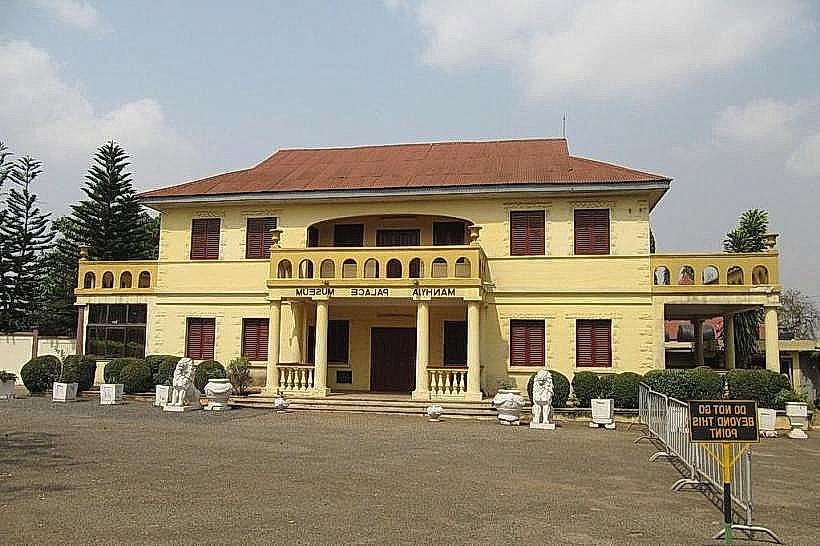
Manhyia Palace Museum – 7km South
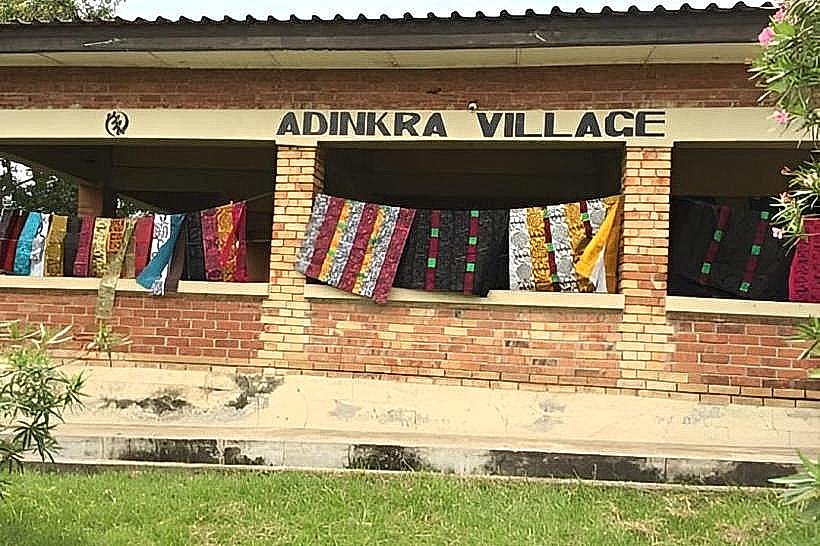
Ntonso Adinkra Village – 12km North