Landmark: Ntonso Adinkra Village
City: Kumasi
Country: Ghana
Continent: Africa
Ntonso Adinkra Village, Kumasi, Ghana, Africa
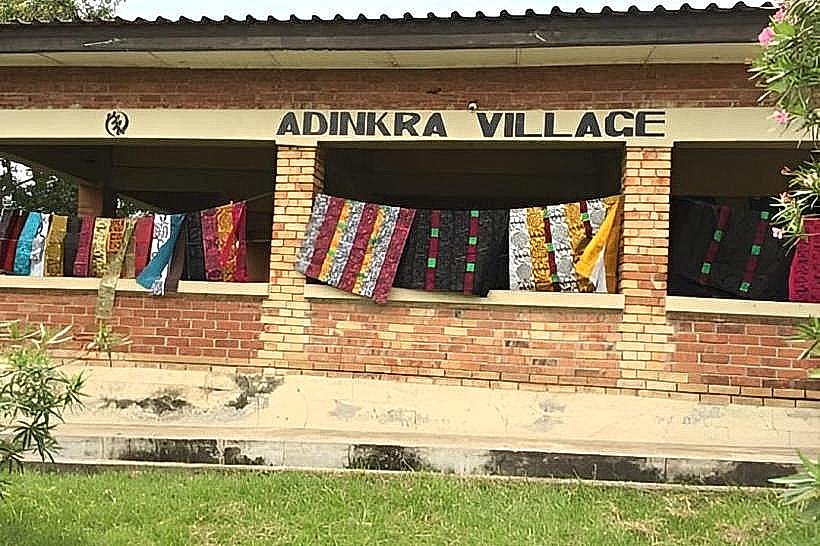
Ntonso Adinkra Village is the historic center for the production of Adinkra cloth, located in the Kwabre East District of the Ashanti Region. It serves as the primary site for the traditional manufacturing of hand-printed fabrics using symbolic stamps and natural dyes derived from tree bark.
Visual Characteristics
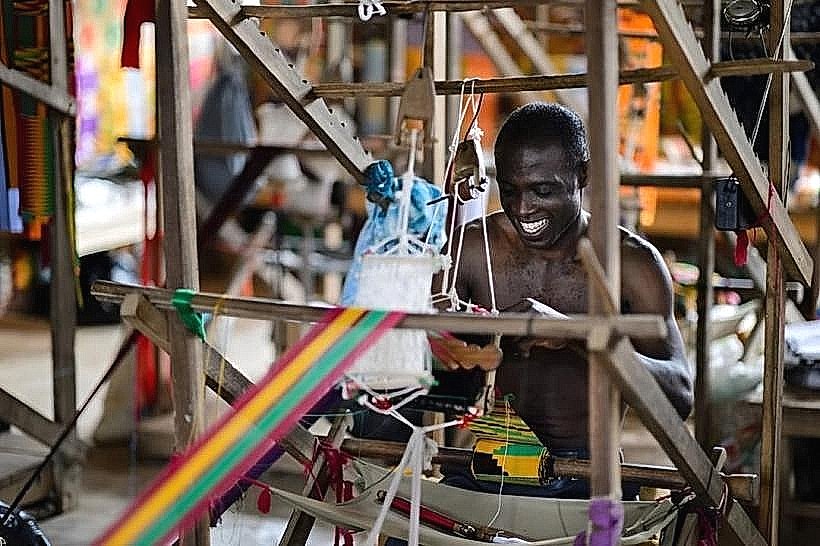
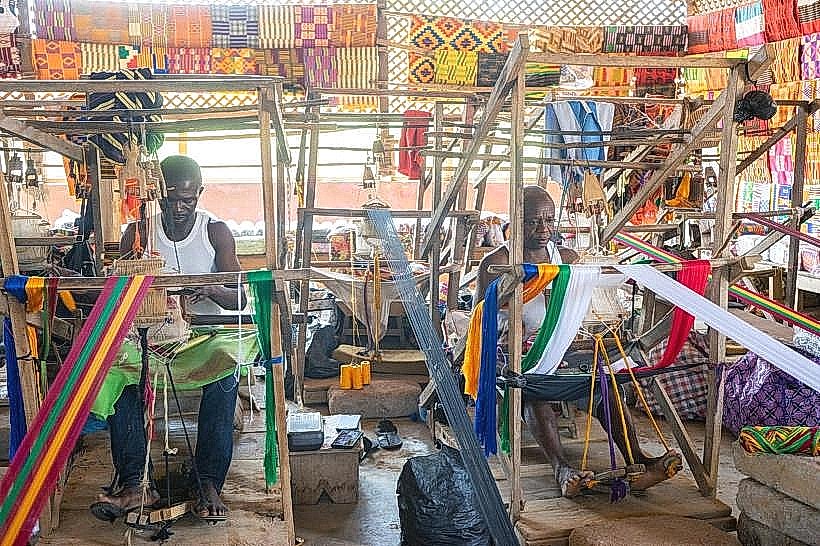
The village features open-air workshops and drying yards where long bolts of fabric (typically white, black, or red) are stretched across wooden tables. The landscape is characterized by large iron pots used for boiling dye and racks of hand-carved calabash stamps. The architecture consists of traditional residential compounds integrated with the Ntonso Visitor Centre, a modern facility designed to facilitate tourism and education.
Location & Access Logistics
Ntonso is situated approximately 20km north of Kumasi.
Private Vehicle: Drive north on the Mampong Road (N4) for approximately 30–45 minutes. The village is located directly along the main highway.
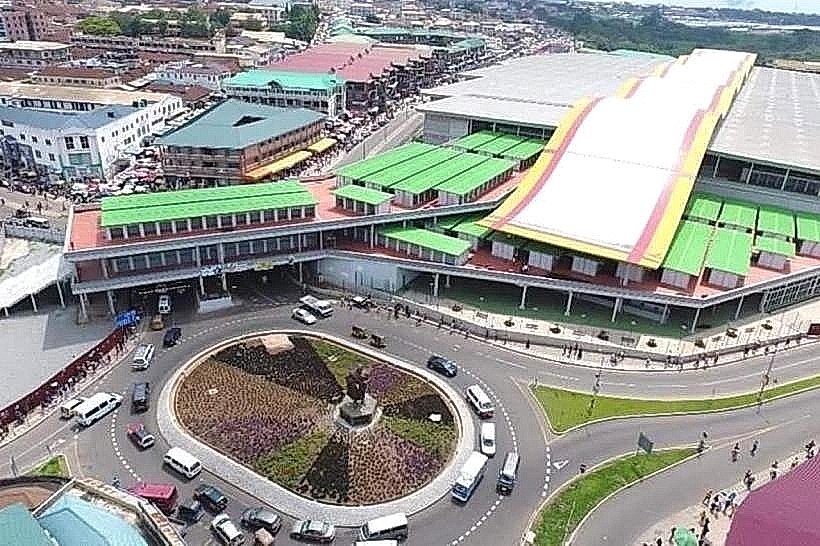
Public Transport: Board a "tro-tro" from the Kejetia terminal in Kumasi heading toward Mampong or Ntonso; the vehicle will stop in the center of the village.
Parking: Paved and unpaved parking is available at the Visitor Centre and along the main road.
Historical & Ecological Origin
Adinkra symbols originated with the Gyaman people of present-day Côte d'Ivoire and were adopted by the Asante following the 1818 Asante-Gyaman war. Ntonso became the designated home for the artisans tasked with preserving these symbols. The dye, known as badie, is an ecological product made by boiling the soaked bark of the Badie tree (Bridelia ferruginea) found in the surrounding savannah-forest transition zone.
Key Highlights & Activities
Dye Preparation: Visitors can observe the process of pounding tree bark and boiling it for several days to create the thick, black badie ink.
Stamp Carving: Artisans demonstrate the carving of symbols into pieces of calabash (gourd) to create the printing stamps.
Printing Workshops: The primary activity involves visitors selecting symbols-such as the Gye Nyame (Supremacy of God) or Sankofa (Learning from the past)-and printing their own cloth or stoles.
Symbolism Education: Guides explain the philosophical and historical meanings of over 50 distinct Adinkra symbols.
Infrastructure & Amenities
The Ntonso Adinkra Visitor Centre includes a showroom, a craft shop selling authentic hand-printed apparel, and public restrooms. 4G cell phone signal is robust. Shade is provided by the workshop pavilions and large trees in the communal yards. While there are no formal restaurants, the village is located on a major transit route with numerous local eateries and "chop bars" within walking distance.
Best Time to Visit
Workshops are active Monday through Saturday from 08:00 to 17:00. The optimal time is morning (09:00–11:00) to observe the printing process before the peak heat. Avoid visiting during heavy rain, as the cloth-drying process is halted.
Facts & Legends
Traditionally, Adinkra cloth was worn exclusively by royalty and spiritual leaders for funerals and somber occasions, with the symbols conveying messages about the deceased or the wearer's state of mind. A verified logistical detail is that the badie dye is organic and will fade if washed with chemical detergents; traditionalists recommend dry cleaning or gentle hand-washing for authentic Adinkra pieces.
Nearby Landmarks
Adanwomase Kente Village – 6.0km South
Bonwire Kente Village – 8.0km Southeast
Ahwiaa Woodcarving Village – 10km South
Kumasi Airport – 18km South
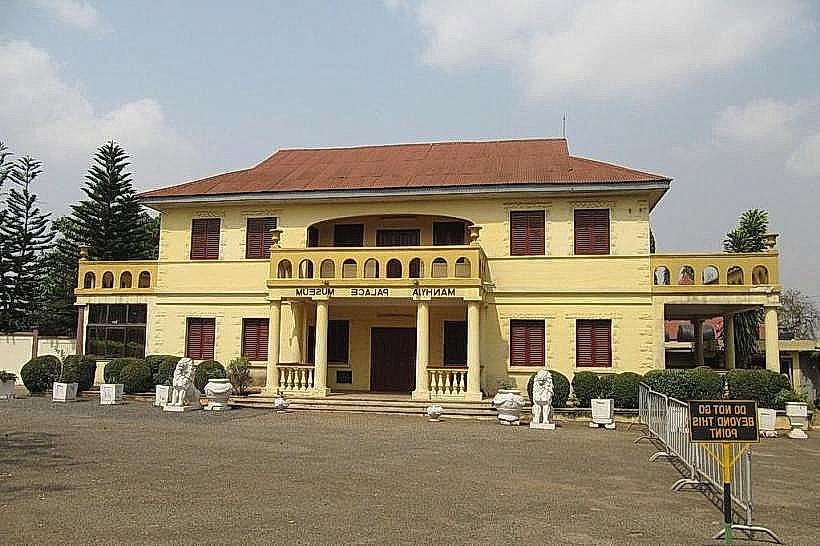
Manhyia Palace Museum – 20km South