Landmark: Owabi Wildlife Sanctuary
City: Kumasi
Country: Ghana
Continent: Africa
Owabi Wildlife Sanctuary, Kumasi, Ghana, Africa
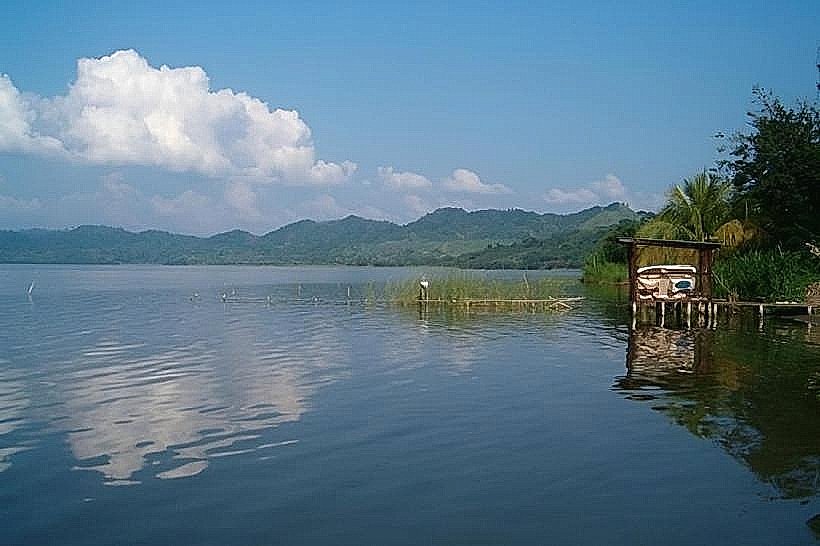
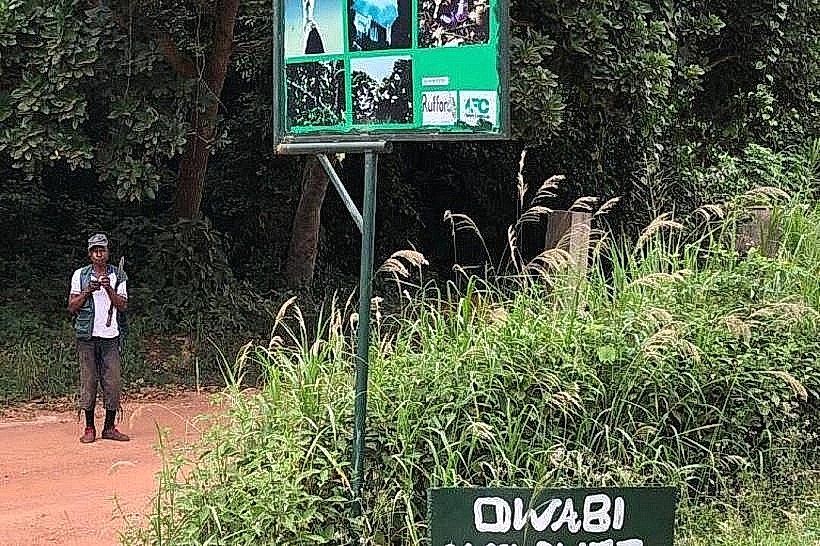
Owabi Wildlife Sanctuary is a protected wetland and bird haven located approximately 15–23km northwest of Kumasi. Covering 13 square kilometers, it is significant as Ghana's only inland Ramsar site, serving as a critical water catchment area for the city.
Visual Characteristics
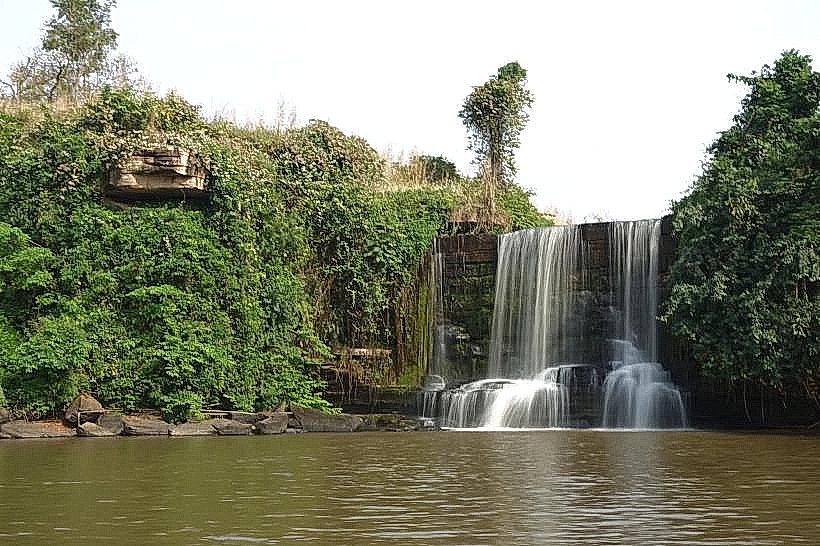
The sanctuary is a dense mosaic of secondary forest, aquatic vegetation, and swamp forest surrounding the Owabi Reservoir. A notable feature is the "Bamboo Cathedral," where towering bamboo stalks arch over pathways to create a natural vaulted canopy. The landscape is defined by its tranquility, featuring a mix of shimmering water, marshes, and lush tropical greenery dominated by species such as Cassia siamea and silk cotton trees.
Location & Access Logistics
The sanctuary is located northwest of Kumasi, accessible via the route through Sofoline and Abuakwa.
By Road: A 30–40 minute drive from central Kumasi. Visitors should take the dirt road from the main junction in Owabi village toward the lake; the visitor center is located halfway to the dam.
Public Transport: Taxis and ride-hailing services are available. If using "tro-tros," travelers typically disembark at the Owabi junction and walk approximately 2km (30 minutes) to the entrance.
Parking: Unpaved parking is available at the visitor reception area.
Historical & Ecological Origin
The site was originally established in the early 1920s to protect the catchment area of the Owabi Dam (constructed 1928), which was Kumasi's primary water source until 1971. It was officially gazetted as a wildlife sanctuary in 1971 and designated a Ramsar site in 1988. Ecologically, it acts as an "urban forest refuge," preserving one of the last remaining natural ecosystems near the expanding Kumasi metropolis.
Key Highlights & Activities
Birdwatching: Home to over 160 species, including indigenous waterbirds and migratory species from Europe. A dedicated birdwatching tower and provided binoculars facilitate viewing.
Bamboo Cathedral: A popular spot for picnicking, photography, and quiet retreat under the bamboo canopy.
Nature Walks: Guided trails through the forest and riparian zones offer opportunities to spot mona monkeys, bushbucks, and butterflies.
Owabi Dam & Lake: Visitors can tour the historic waterworks and take canoe trips across the reservoir.
Education: The sanctuary is a primary site for ecological research and school field trips focused on wetland conservation.
Infrastructure & Amenities
The sanctuary features a reception center where staff provide introductory briefings. Amenities include basic public restrooms, benches within the Bamboo Cathedral, and a birdwatching tower. 4G cell phone signal is generally stable but may fluctuate in deep forest sections. Visitors are advised to bring their own water and snacks, as there are no full-service restaurants on-site.
Best Time to Visit
The sanctuary is typically open Monday to Friday (08:00–16:00); some sources indicate Saturday opening (06:00–16:00), while others list it as closed on weekends.
Seasonal: The dry season (December to March) is optimal for navigating trails and spotting migratory birds.
Daily: Early morning (06:30–08:30) is the best time for maximum bird activity and cooler temperatures.
Facts & Legends
As a Ramsar site, Owabi is governed by strict conservation laws: hunting, fishing (without special permit), and even "snail picking" are strictly prohibited. It is considered a "living natural fortress" that stabilizes the local climate and water table against the pressures of urban encroachment.
Nearby Landmarks
Barekese Dam – 9km North
Sofoline Interchange – 9km Southeast
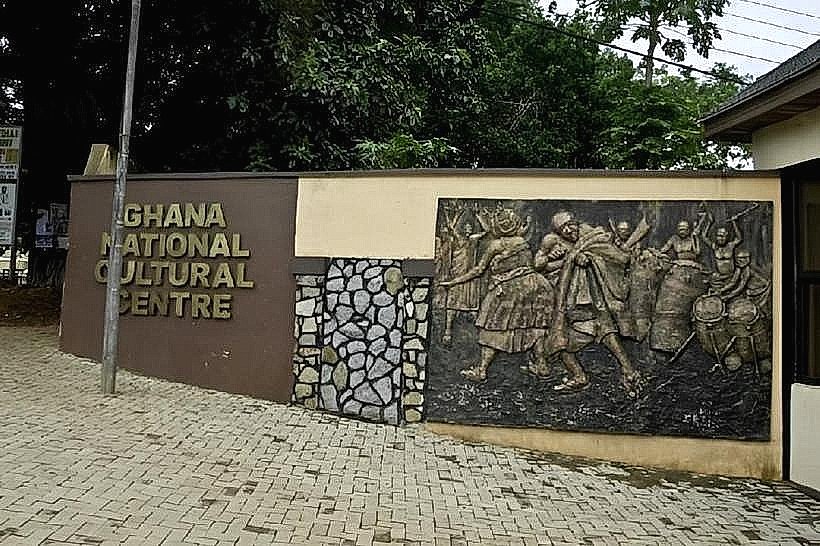
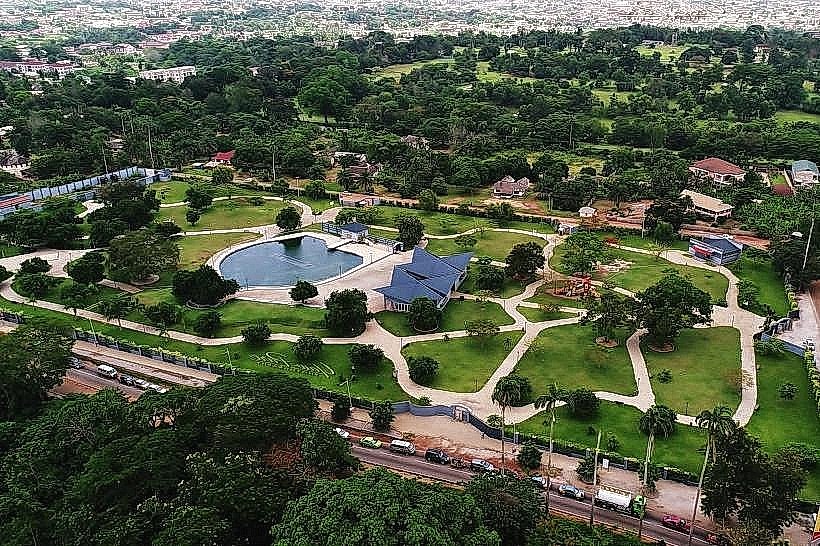
Kumasi Cultural Centre – 11km Southeast
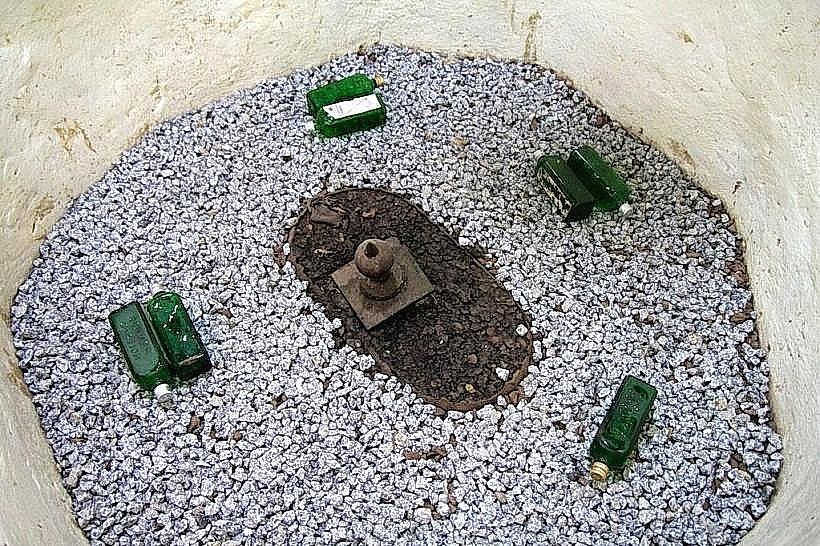
Komfo Anokye Sword Site – 11km Southeast
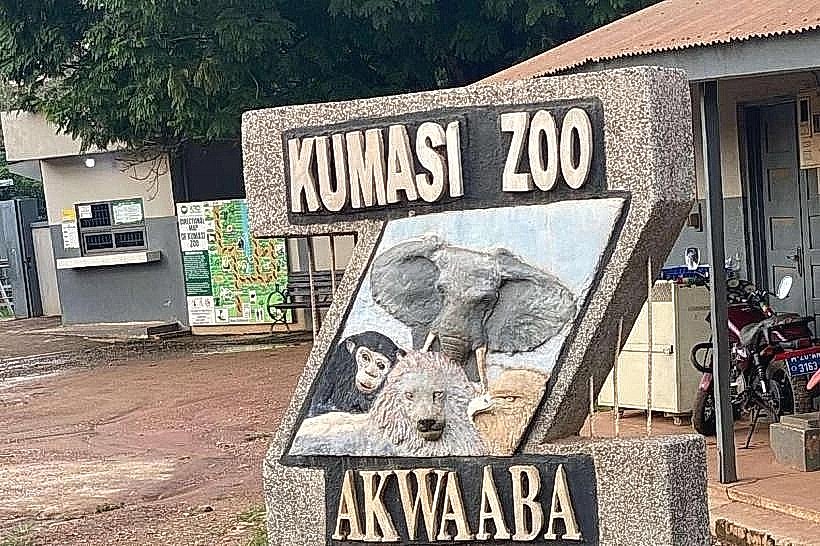
Kumasi Zoo – 11km Southeast