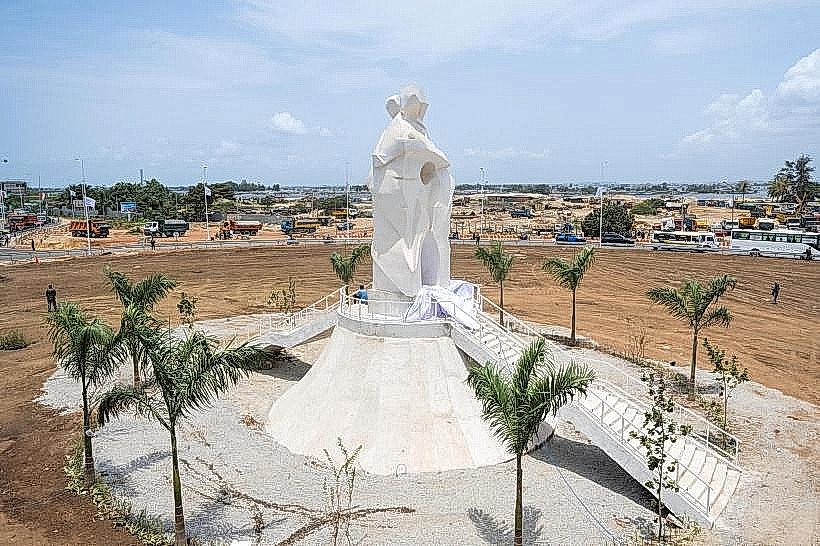
Landmark: Akwaba Statue (Statue of Liberation from Slavery)
City: Dakar
Country: Senegal
Continent: Africa
Akwaba Statue (Statue of Liberation from Slavery), Dakar, Senegal, Africa
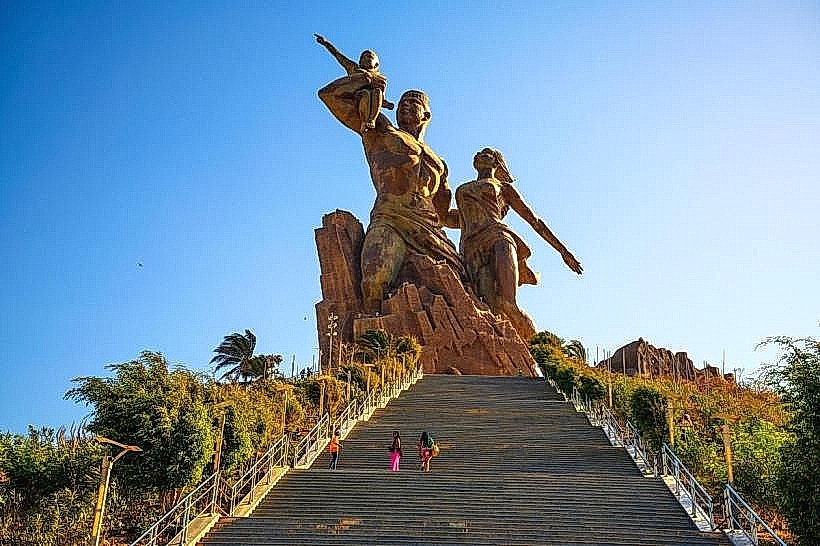
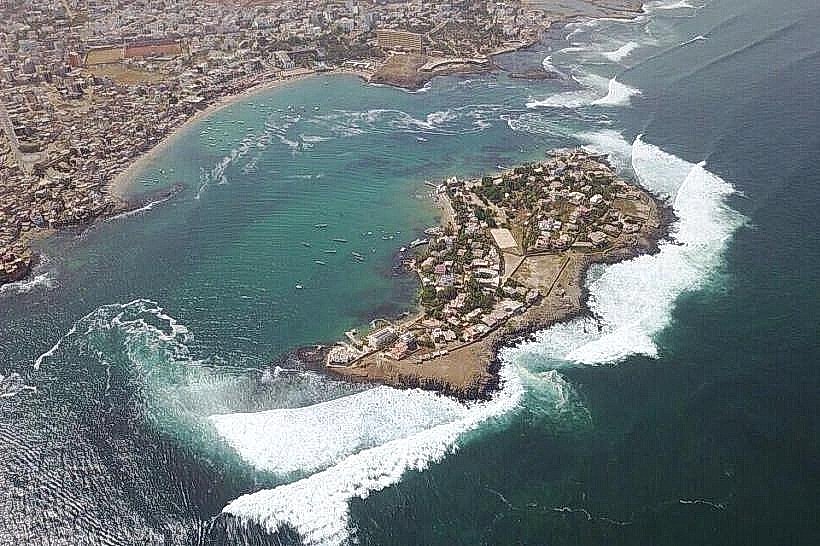
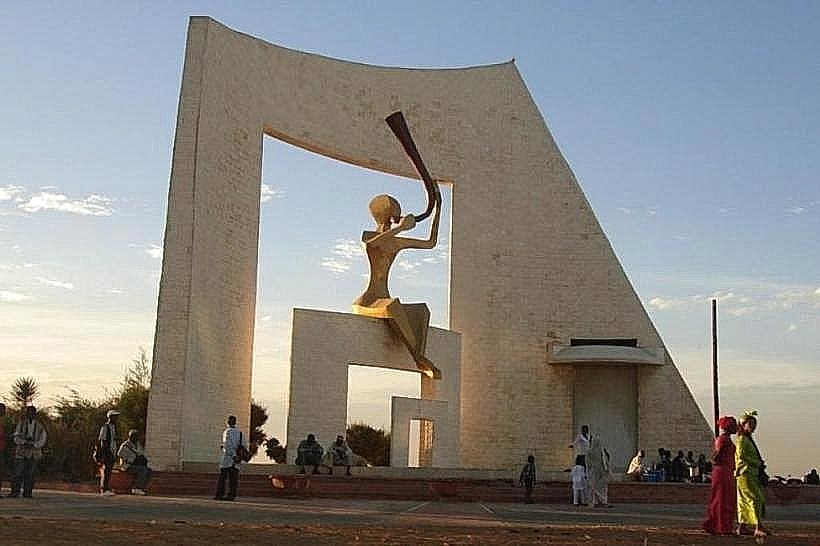
The Statue of Liberation from Slavery, also known as the Akwaba Statue, is a commemorative bronze monument located on Gorée Island, Dakar. Gifted by the island of Guadeloupe in 2002, it stands as a symbolic tribute to the end of the transatlantic slave trade and the resilience of the African diaspora.
Visual Characteristics
The monument consists of two bronze figures-a man and a woman-standing atop a tiered stone pedestal. The male figure is depicted with broken chains hanging from his wrists, while both figures are captured in an embrace that suggests movement and emotional relief. The bronze has a dark, weathered finish, and the figures are roughly life-sized. The surrounding area is a small, unshaded stone plaza with low masonry walls and view of the Atlantic coastline.
Location & Access Logistics
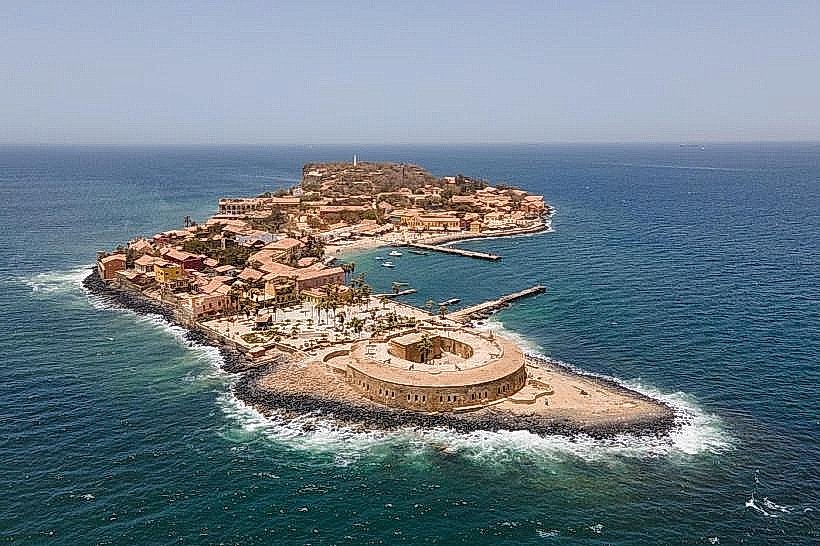
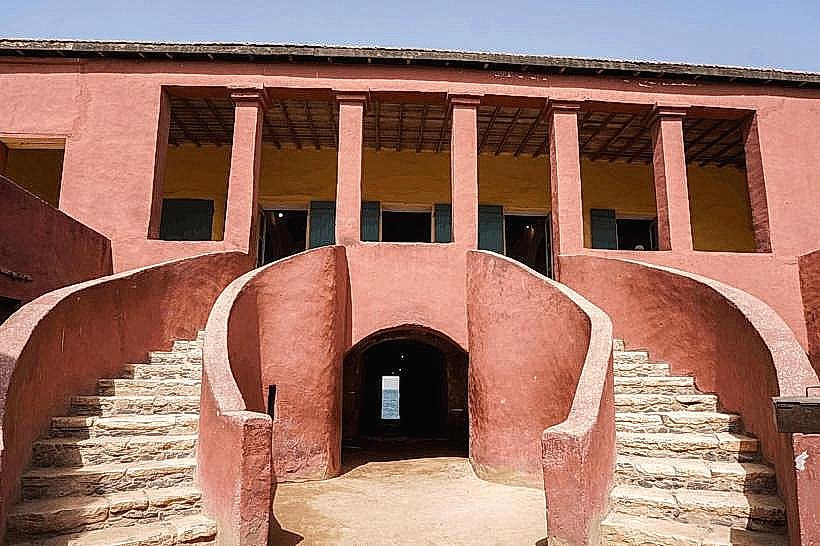
The statue is situated on the southern side of Gorée Island, approximately 0.4km from the main ferry pier. Access to the island requires a 20-minute ferry crossing from the Dakar Railway Station pier. From the Gorée harbor, visitors must walk south past the House of Slaves along the stone-paved coastal path. There are no motorized vehicles on the island. The ferry (Liaison Maritime Dakar-Gorée) departs approximately every 90 minutes throughout the day.
Historical & Ecological Origin
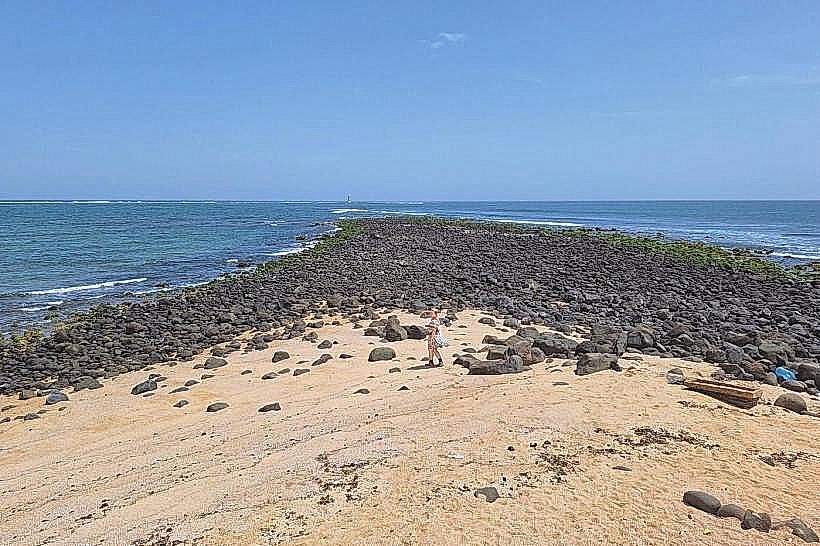
The statue was inaugurated in 2002 to mark the 154th anniversary of the abolition of slavery in French colonies. It was designed by sculptors from Guadeloupe and presented to the people of Senegal as a gesture of "Akwaba" (welcome/return). The monument is positioned on a flat, rocky coastal shelf composed of volcanic basalt, which forms the geological foundation of the southern half of the island.
Key Highlights & Activities
The primary activity is historical observation and photography of the monument against the backdrop of the Atlantic Ocean. Visitors often use the site as a reflective stopping point between the House of Slaves and the ascent to the Castel. Educational walking tours frequently stop here to discuss the maritime history of the slave trade. Public access to the statue is unrestricted and does not require an additional fee beyond the island's municipal tax.
Infrastructure & Amenities
Infrastructure is minimal, consisting of the open-air stone plaza and several nearby stone benches. There are no public restrooms at the monument; facilities are located 300 meters north near the harbor or in local restaurants. 4G and 5G cellular coverage is strong and consistent across the site. Natural shade is nonexistent at the statue, though narrow colonial streets nearby offer protection from the sun. Food and craft vendors are located 50 meters north of the plaza.
Best Time to Visit
The best time for photography is during the late afternoon (16:30 to 18:30), when the sun illuminates the figures from the west and the Atlantic horizon provides a clear background. The site is entirely exposed, so visiting before 11:00 or after 16:00 is recommended to avoid high temperatures. The dry season (December to May) offers the most stable weather for the ferry crossing and island walking.
Facts & Legends
A verified historical oddity is that the statue was specifically positioned to face the Caribbean, symbolically looking toward the lands where millions of enslaved Africans were taken. Local guides often point out that the woman's posture is designed to represent "Mother Africa" welcoming her children back, a theme central to the Pan-African "Return" movement.
Nearby Landmarks
House of Slaves: 0.2km North
Castel of Gorée: 0.3km South
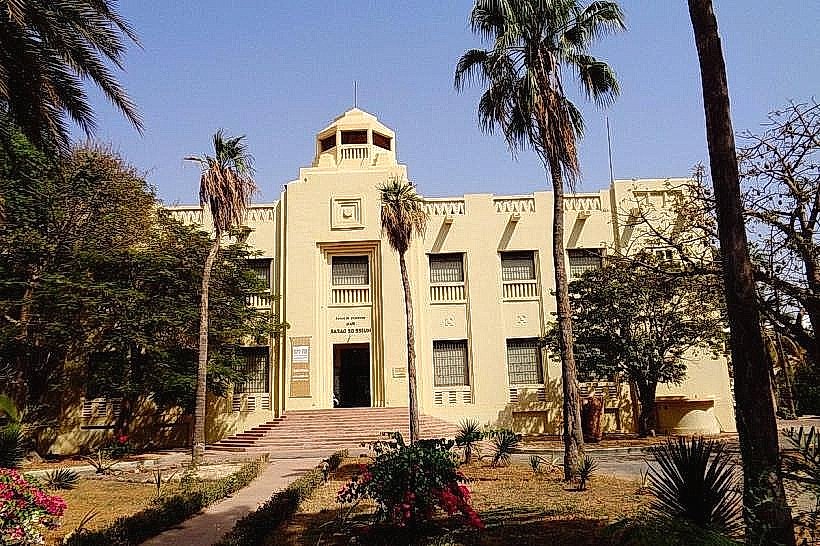
IFAN Historical Museum: 0.5km Northwest
Saint Charles Church: 0.4km North
Place du Gouvernement: 0.3km North