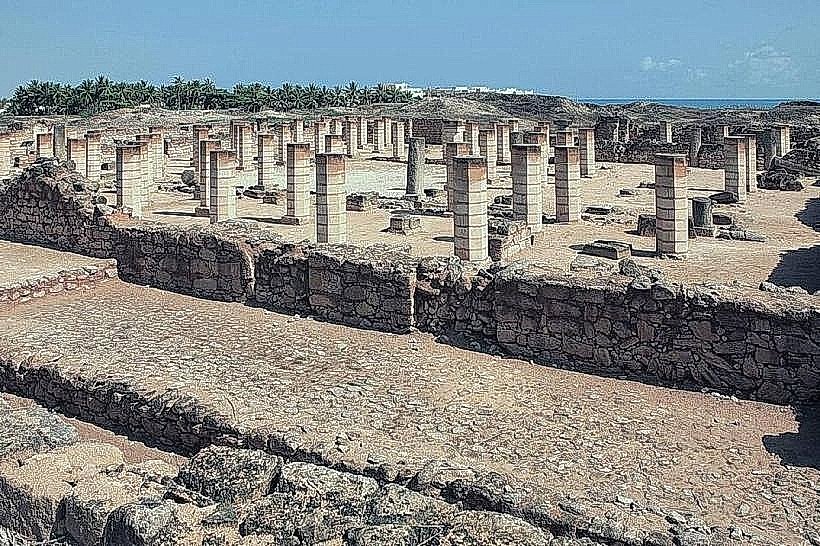
Landmark: Al Baleed Archaeological Park
City: Salalah
Country: Oman
Continent: Asia
Al Baleed Archaeological Park, Salalah, Oman, Asia
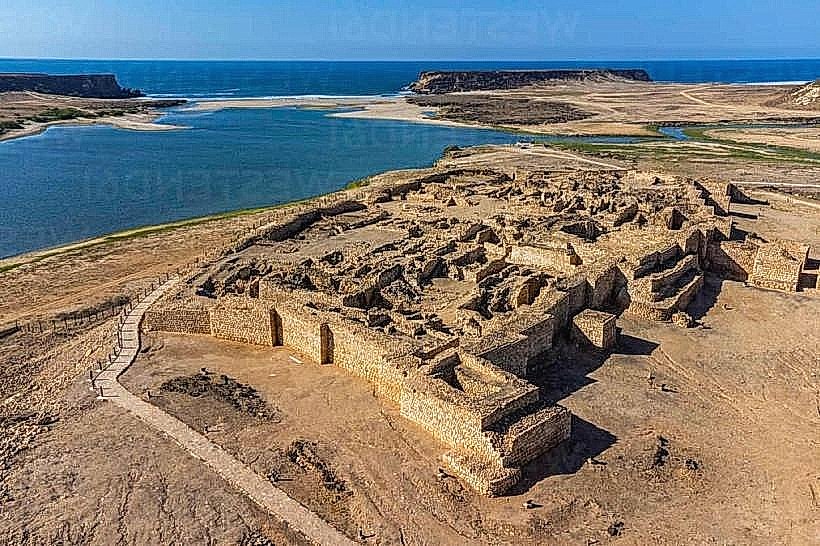
Al Baleed Archaeological Park is a UNESCO World Heritage site situated along the coast of Salalah, Oman. It contains the excavated remains of the ancient commercial port of Zafar, which served as a primary hub for the global frankincense trade between the 8th and 16th centuries.
Visual Characteristics
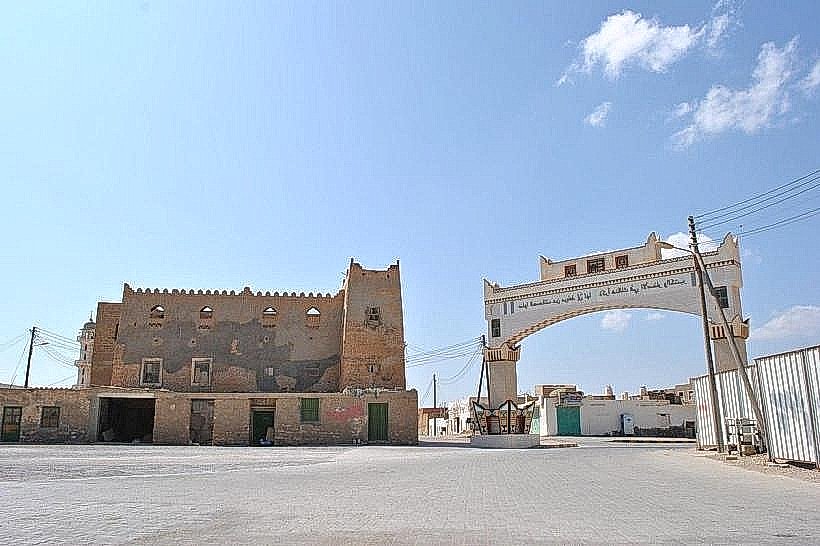
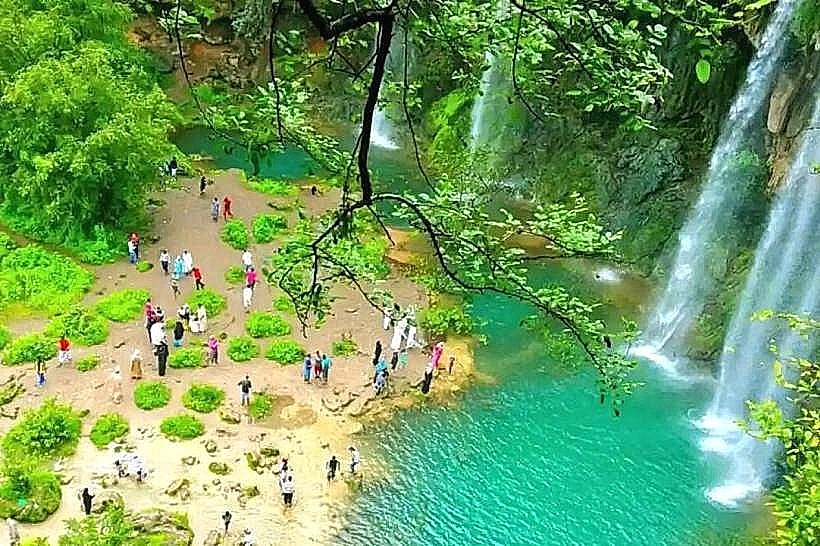
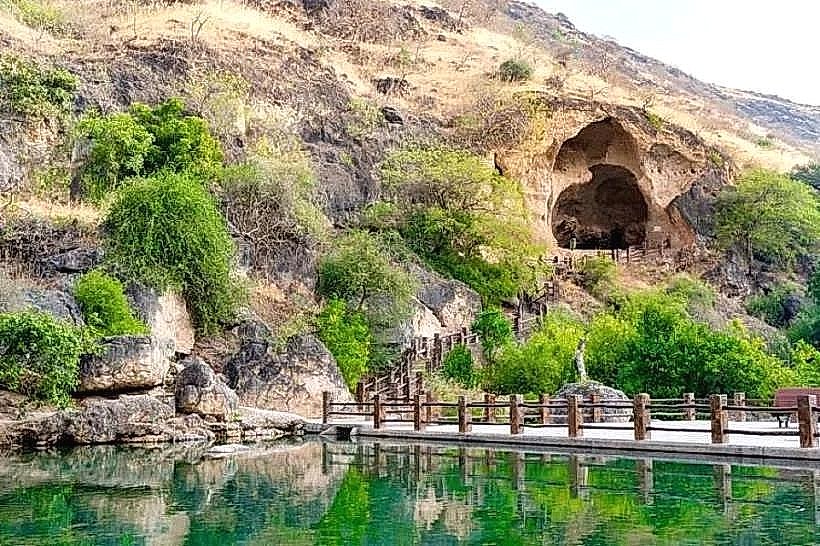
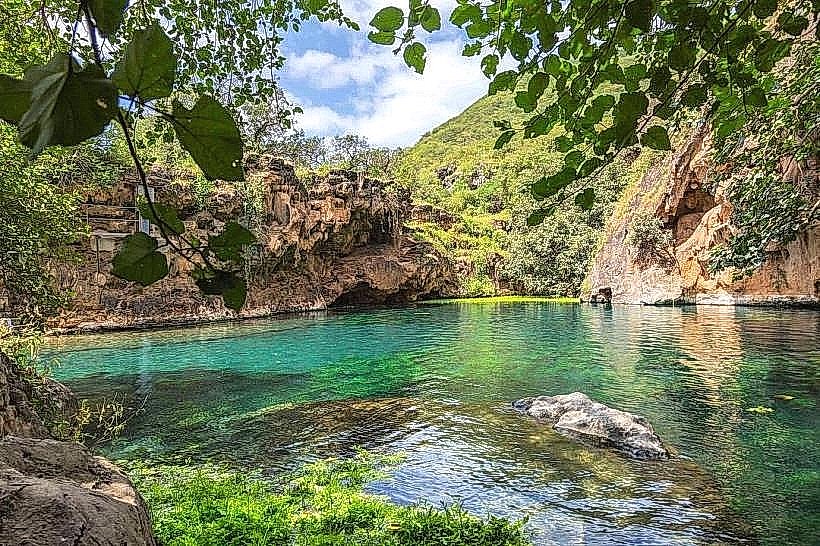
The park features extensive stone ruins, including the foundations of a grand mosque, defensive walls, and various residential and commercial quarters. The site is characterized by its light-colored limestone masonry set against a backdrop of green palm groves and a natural freshwater lagoon (khor). Modern paved walkways and wooden bridges provide access through the archaeological zones and over the water channels.
Location & Access Logistics
The park is located on Sultan Qaboos Street, approximately 5km east of the Salalah city center. Access is via a well-marked entrance near the beachfront. A large, paved parking area is available at the main gate. While local taxis are the most common form of transport for visitors, the site is also accessible via the coastal road network connecting to the Al Hafa district.
Historical & Ecological Origin
Al Baleed was a heavily fortified settlement and an essential maritime outpost mentioned by travelers such as Marco Polo and Ibn Battuta. Geologically, it sits on a low-lying coastal plain protected by a khor, which provided a natural harbor for ancient vessels. The site was rediscovered and systematically excavated starting in the late 20th century to preserve its role in the "Land of Frankincense" heritage.
Key Highlights & Activities
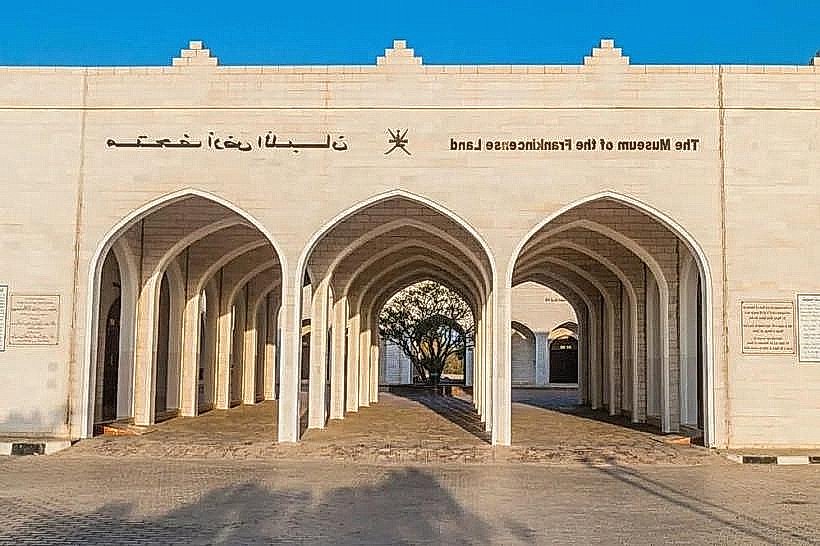
Visitors can explore the ruins via the designated walking trails or by taking a battery-powered boat tour through the lagoon. The Museum of the Frankincense Land, located within the park, houses artifacts ranging from ancient maritime tools to historical manuscripts. The site is a primary location for observing traditional Omani coastal architecture and the history of Indian Ocean trade.
Infrastructure & Amenities
The facility is highly developed, featuring a climate-controlled museum, a gift shop, and public restrooms. Benches and information placards are distributed throughout the archaeological zone. 5G cellular signal is consistent across the site. Several high-end resorts and local restaurants are located within a 2km radius in the Al Hafa and Dahariz areas.
Best Time to Visit
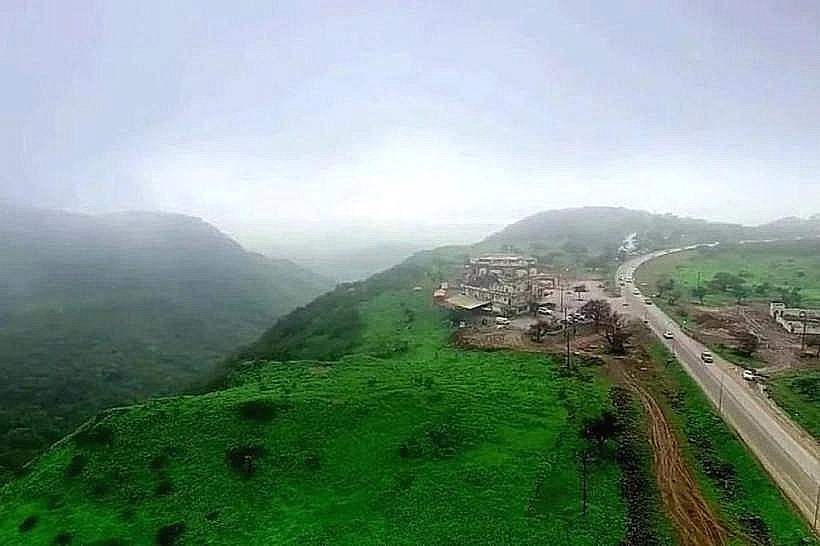
The best time to visit is during the cooler months from October to April, specifically in the late afternoon (16:00 to 18:00) when the sun provides a soft glow on the stone ruins. During the Khareef season, the park becomes exceptionally green, though outdoor walking may be affected by mist. The site is illuminated at night, offering a distinct perspective of the Grand Mosque ruins.
Facts & Legends
Local tradition holds that the site was once so wealthy that its gates were guarded by soldiers clad in silk, reflecting its status as a premier trading hub. A verified historical oddity is the presence of 144 columns in the ruins of the Grand Mosque, indicating it was one of the largest and most significant religious structures in Southern Arabia during its peak.
Nearby Landmarks
Museum of the Frankincense Land: 0.1km North
Al Hafa Souq: 3.5km West
Crowne Plaza Resort Salalah: 1.2km East
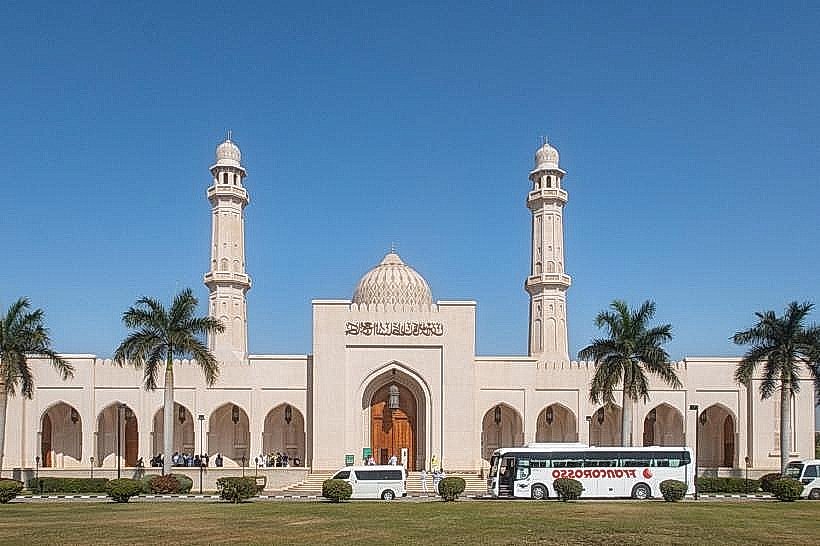
Sultan Qaboos Mosque (Salalah): 4.8km Northwest
Dahariz Beach: 2.5km East