Landmark: Wadi Darbat
City: Salalah
Country: Oman
Continent: Asia
Wadi Darbat, Salalah, Oman, Asia
Wadi Darbat is a significant natural river valley located in the Dhofar Governorate, approximately 40km east of Salalah. It serves as a primary drainage basin for the surrounding Qara Mountains and is the most prominent perennial wadi in southern Oman.
Visual Characteristics
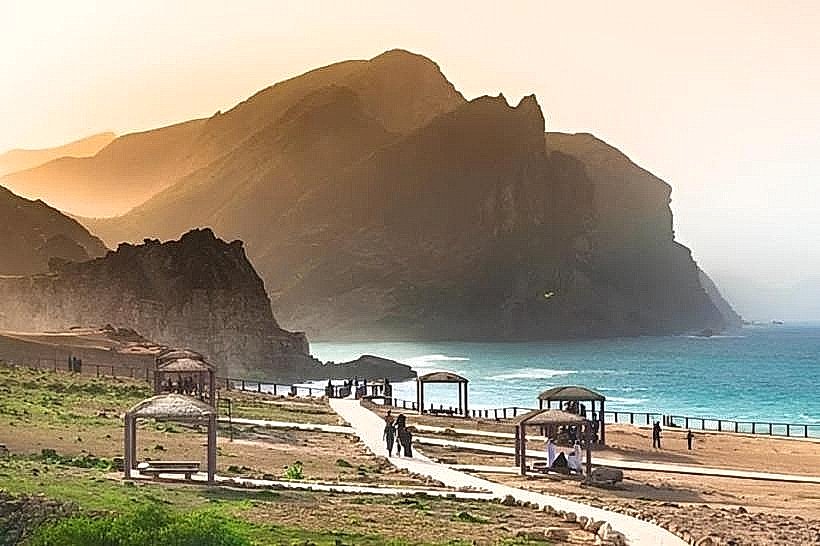
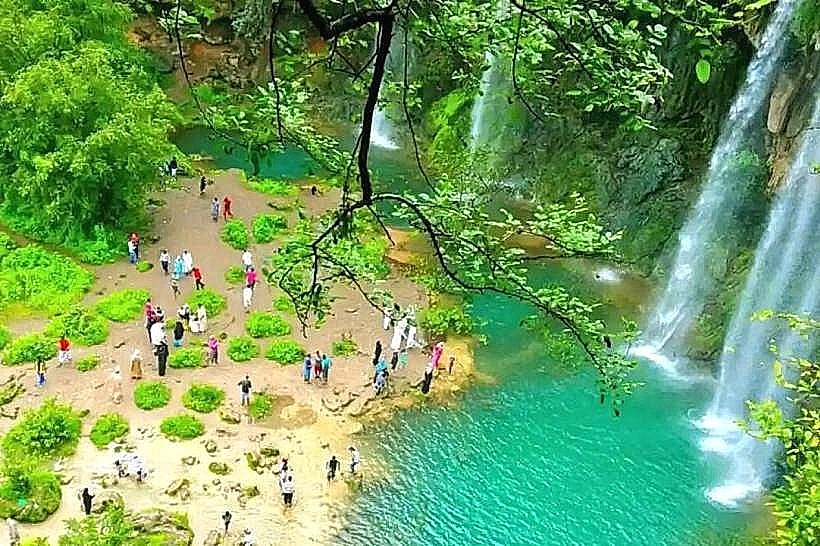
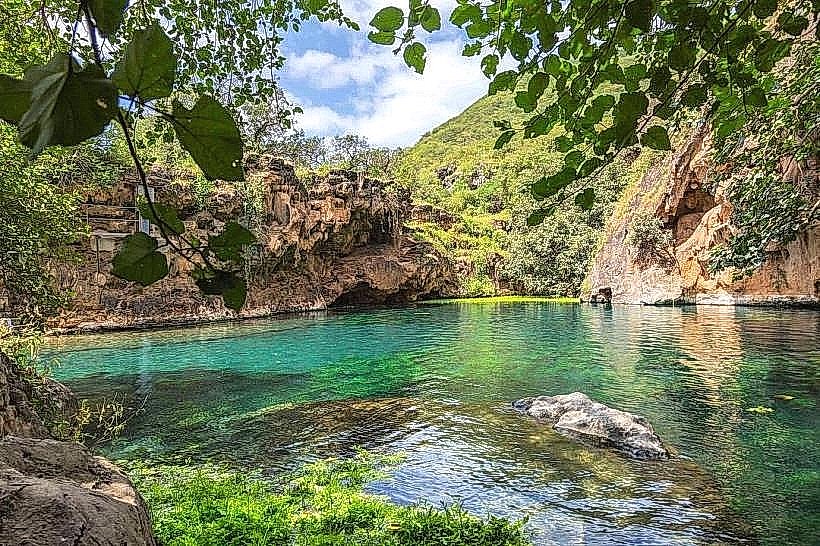
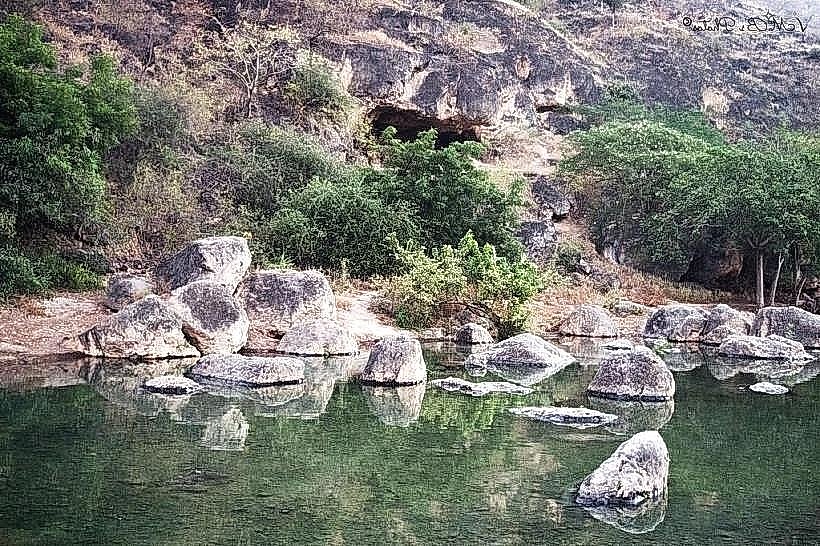
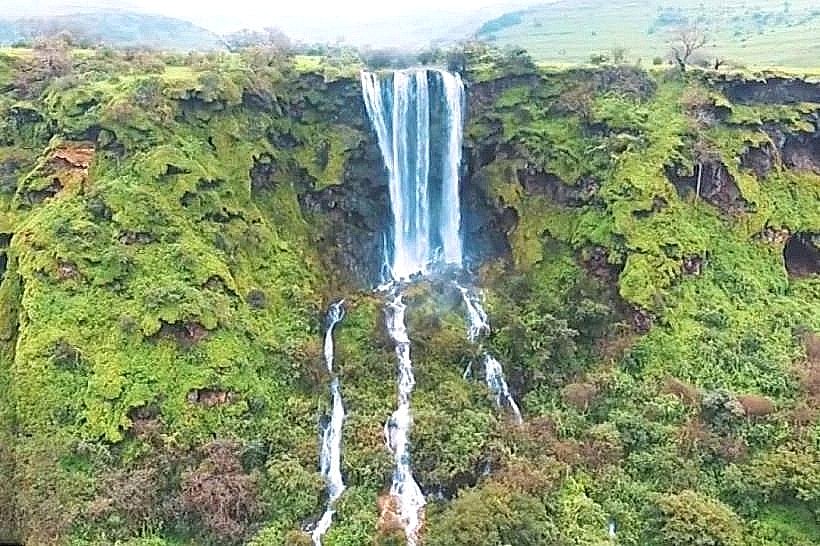
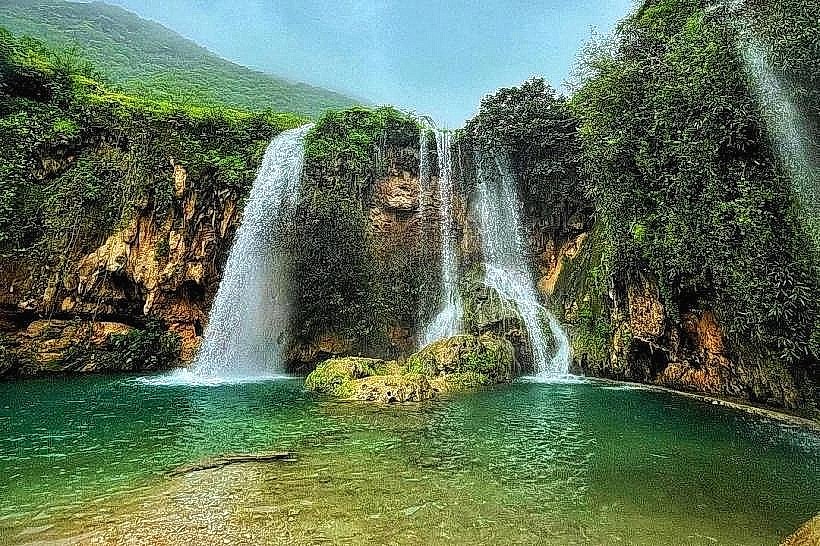
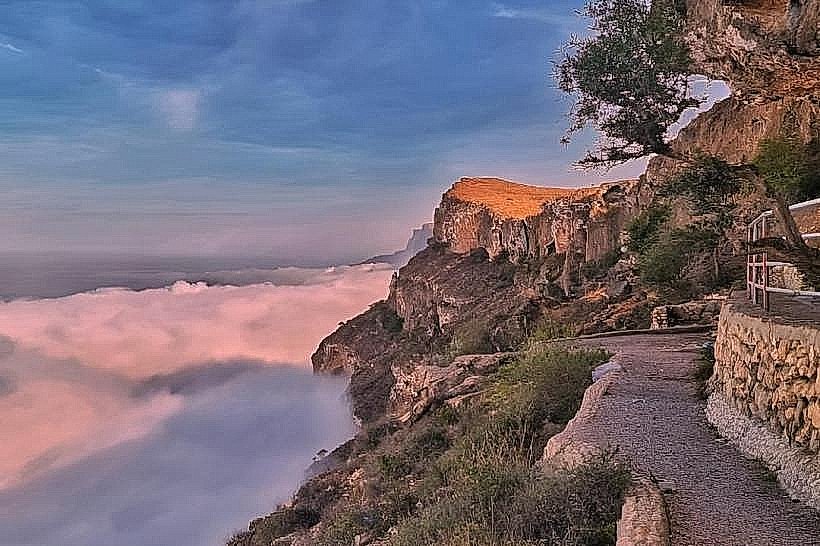
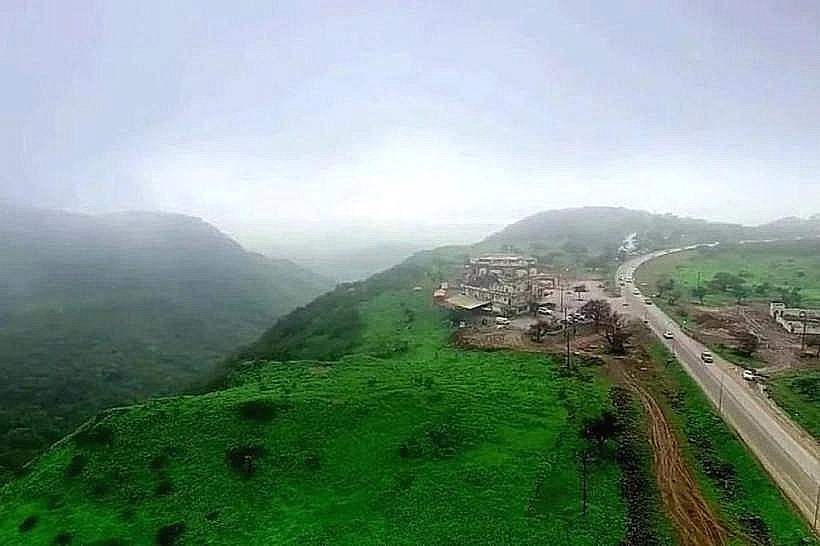
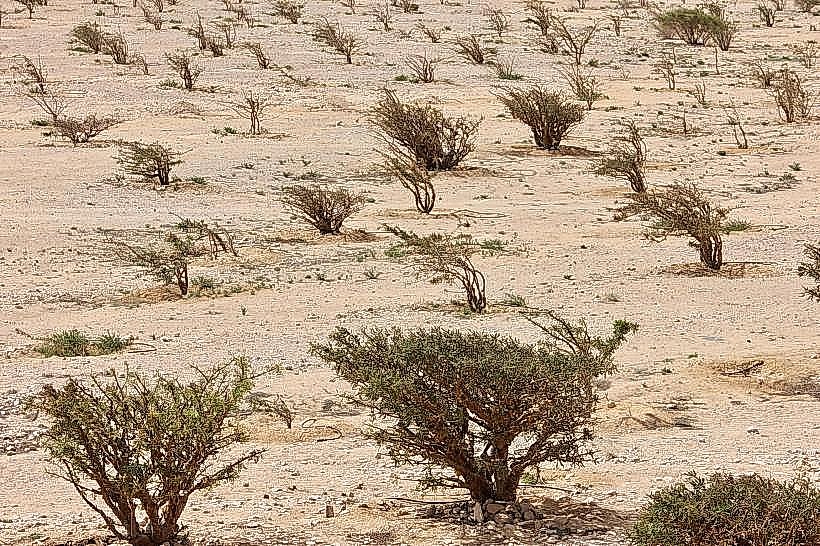
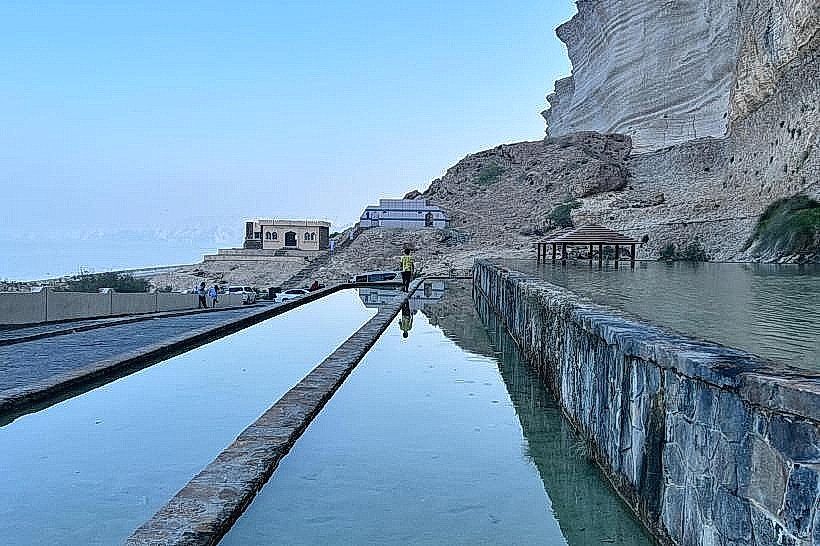
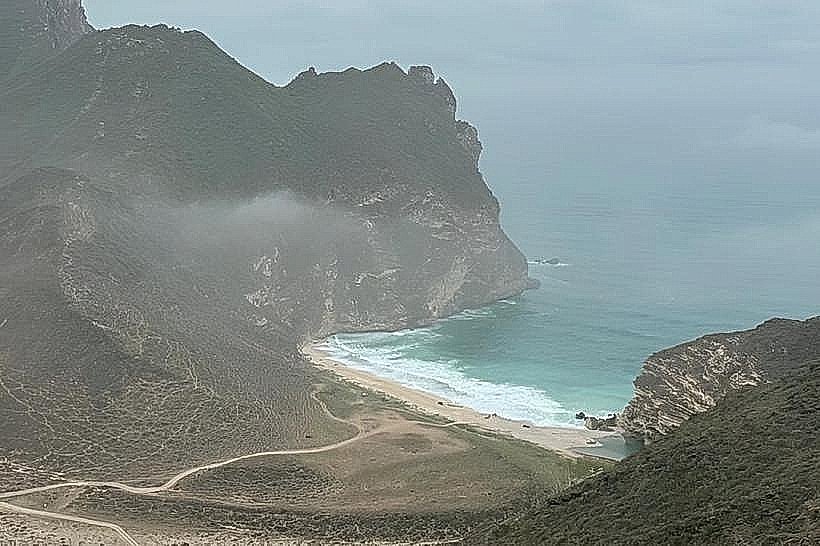
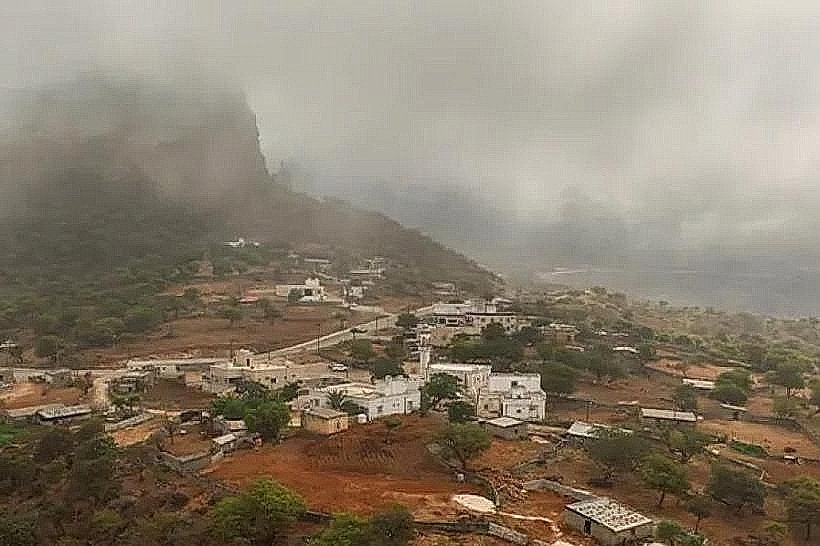
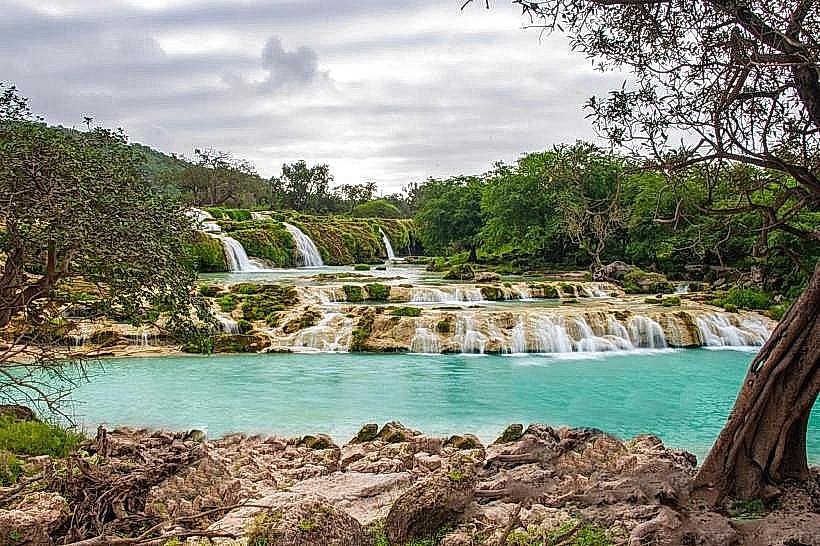
The wadi is characterized by a permanent turquoise river set against steep limestone cliffs and dense seasonal vegetation. During the monsoon, the landscape features a 100-meter-high vertical waterfall known as Jaalool, which cascades into the valley floor. The terrain includes a mix of grassy plateaus, rocky riverbeds, and thickets of Sidr and Acacia trees.
Location & Access Logistics
The site is situated off the Taqah-Mirbat Road (Route 49). It is approximately a 45-minute drive from Salalah city center. Access is via a paved winding road that leads into the valley basin. Ample gravel and paved parking areas are distributed near the main boat launch and the waterfall viewing points. No public bus service reaches the inner wadi; private transport or taxis are required.
Historical & Ecological Origin
Geologically, the wadi is a karst system formed by the dissolution of limestone over millions of years. It is an essential part of the Dhofar biosphere, collecting rainfall during the Khareef to recharge local aquifers. Historically, the valley has provided a reliable water source and grazing land for local tribes and their livestock, particularly camels and cattle.
Key Highlights & Activities
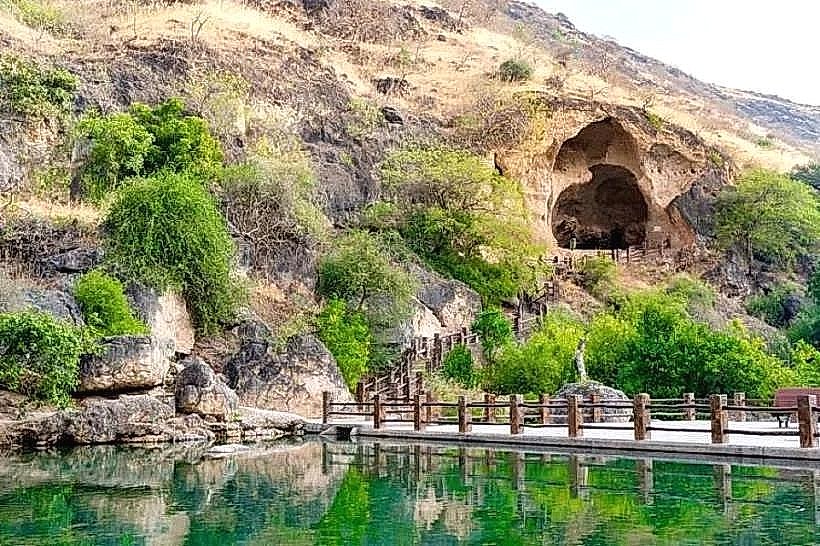
Pedal boating and kayaking are the primary activities on the calm sections of the river. Visitors can hike several unpaved trails along the water's edge to reach the upper cascades and limestone caves. During the monsoon, observing the Darbat Waterfall from the designated lower viewing platforms is a central attraction.
Infrastructure & Amenities
The area features developed picnic zones with shaded wooden huts and stone benches. Public restroom blocks are located near the main parking and boating areas. 4G and 5G cellular signals are generally stable within the main valley floor. Numerous small cafes and street food stalls (selling grilled corn and fruit) operate throughout the peak tourist season.
Best Time to Visit
The optimal period for visiting is during the Khareef (late June to early September) when the waterfalls are active and the valley is completely green. For those preferring clear skies and boat rides, the post-monsoon months of October and November are ideal. Photography is best in the early morning to capture the mist rising from the river.
Facts & Legends
Local folklore suggests that the wadi was a sanctuary for ancient inhabitants due to its hidden nature and constant water supply. A verified ecological oddity is the presence of several species of freshwater fish and crabs that are found nowhere else in the Arabian Peninsula, surviving in the permanent pools during the dry season.
Nearby Landmarks
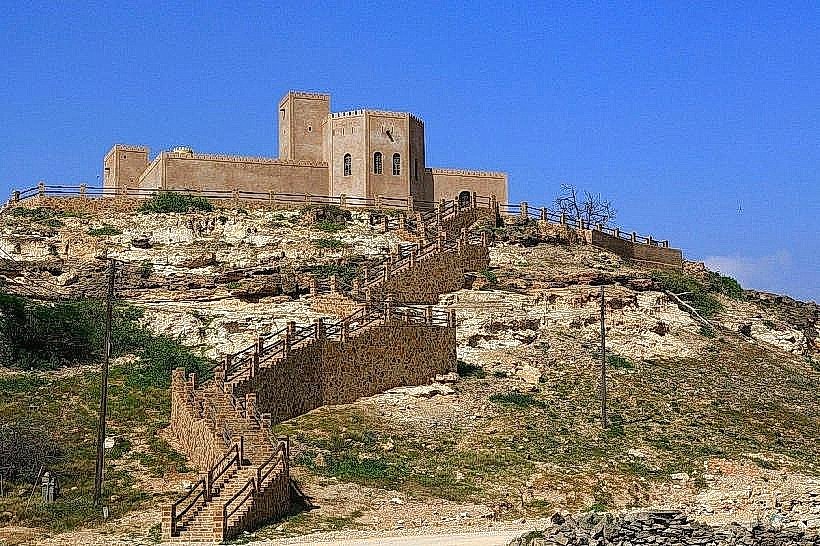
Taqah Castle: 12km Southwest
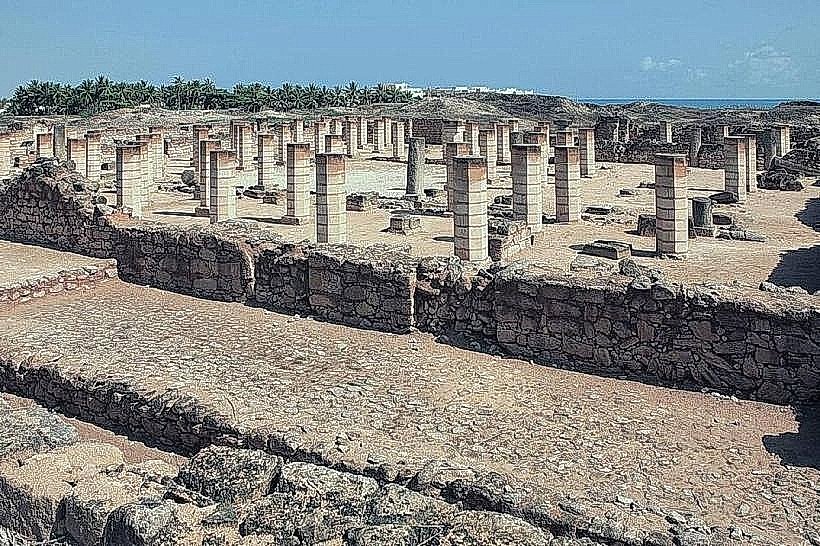
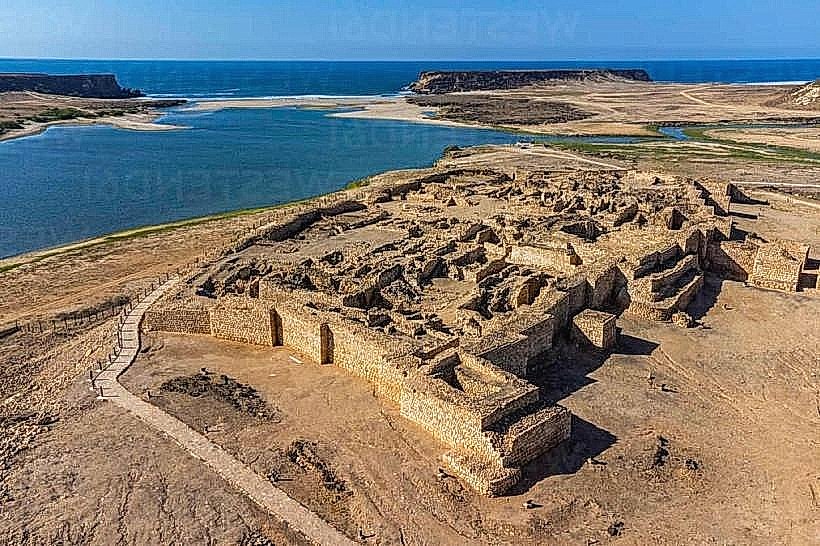
Sumhuram Archaeological Park (Khor Rori): 10km South
Ayn Athum: 15km West
Tawi Attair Sinkhole: 18km Northeast
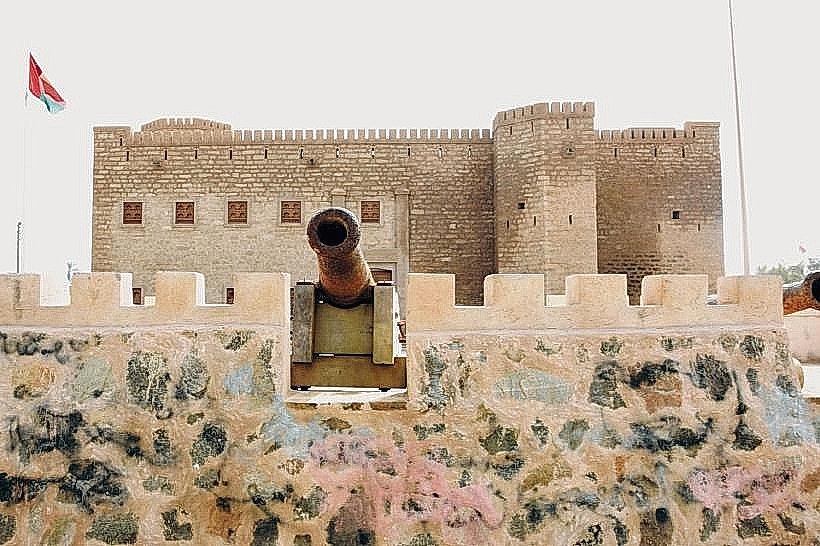
Mirbat Fort: 28km East