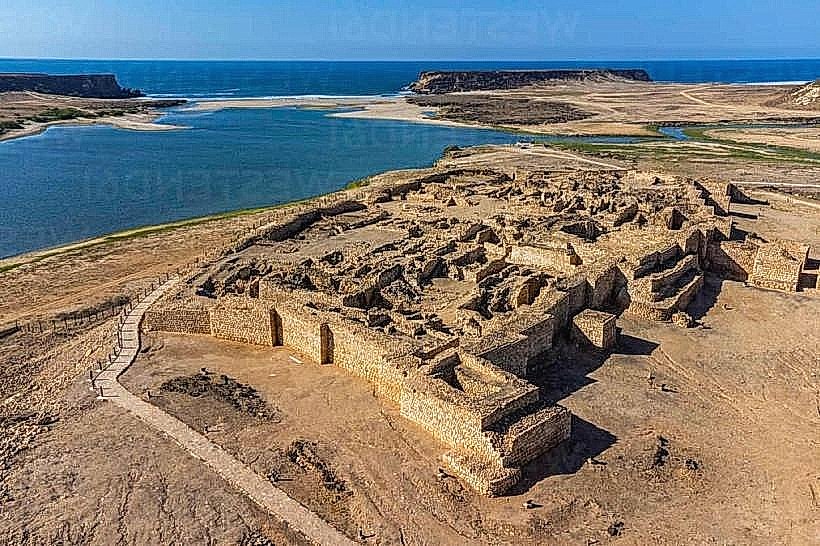
Landmark: Khor Rori Sumhuram
City: Salalah
Country: Oman
Continent: Asia
Khor Rori Sumhuram, Salalah, Oman, Asia
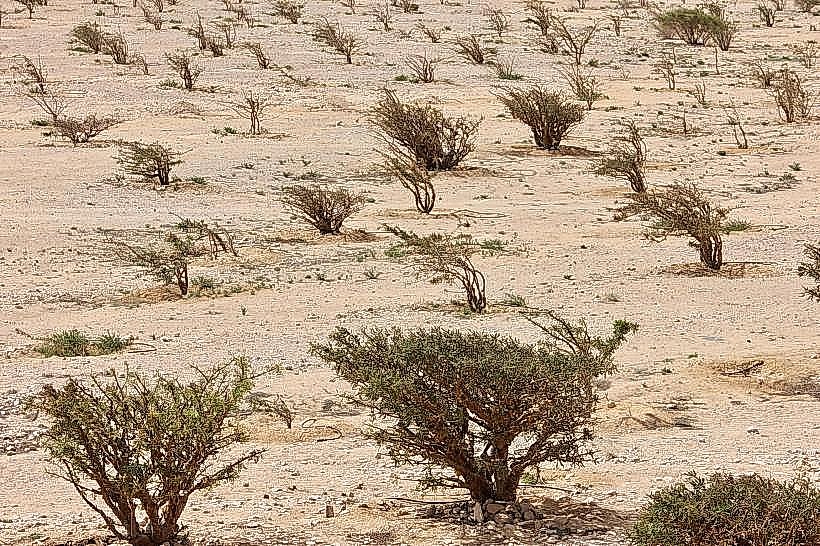
Sumhuram Archaeological Park, also known as Khor Rori, is a UNESCO World Heritage site located approximately 40km east of Salalah. It contains the ruins of a fortified maritime city that served as a strategic hub for the international frankincense trade between the 3rd century BC and the 5th century AD.
Visual Characteristics
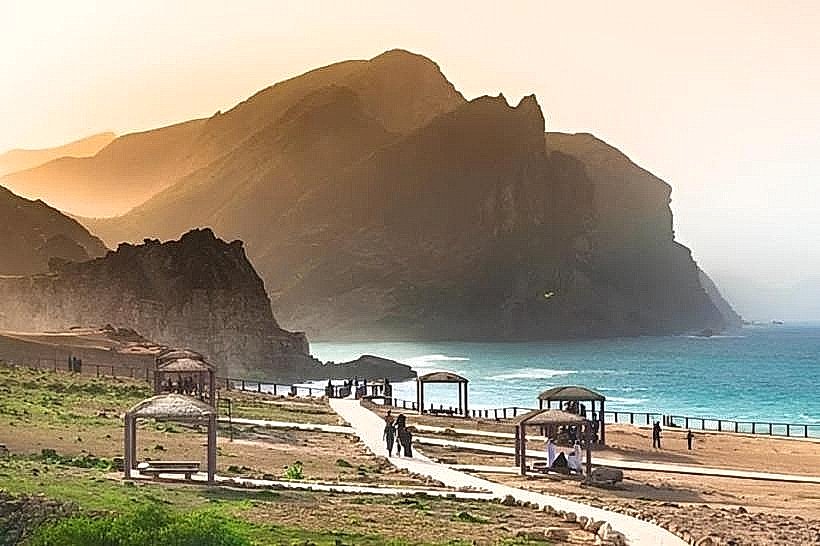
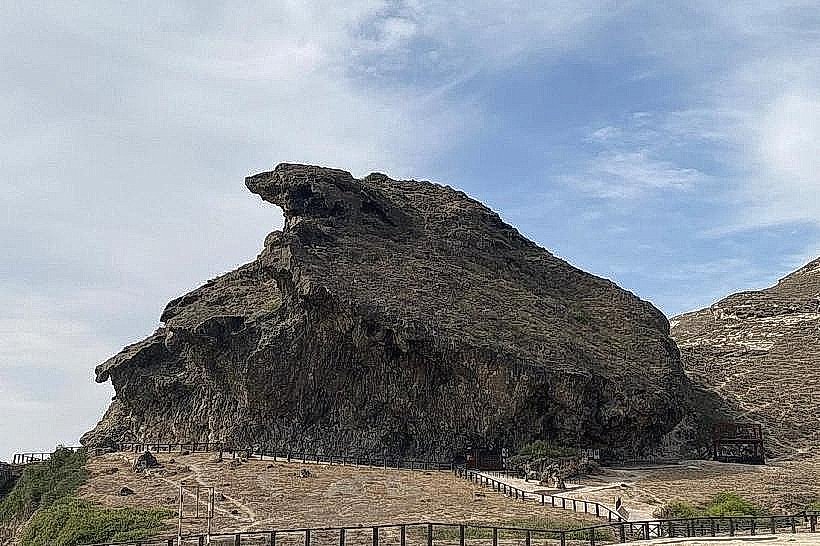
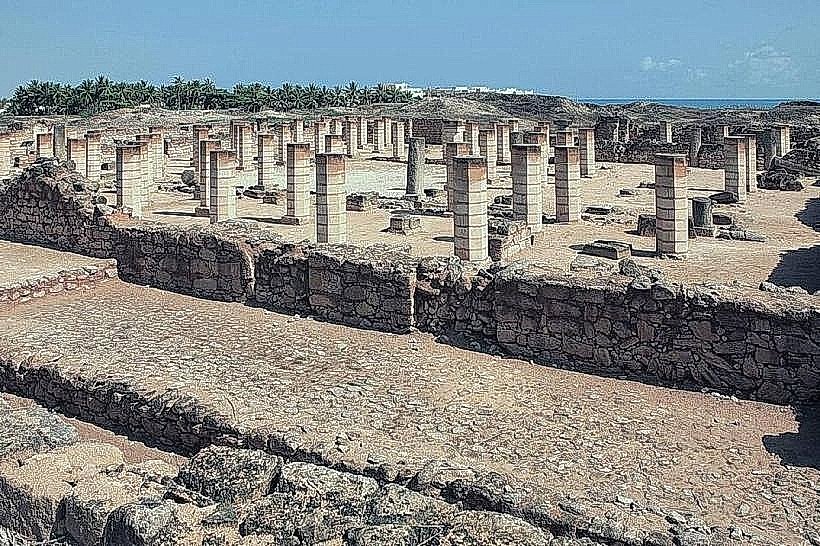
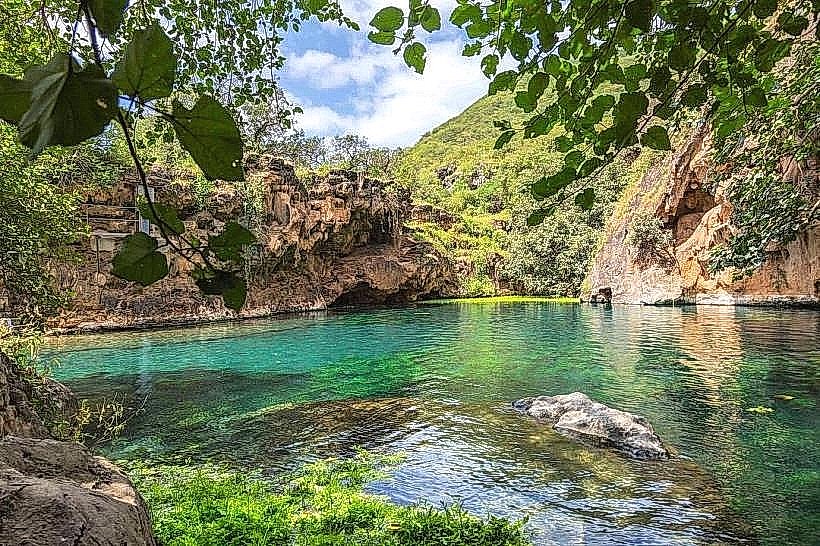
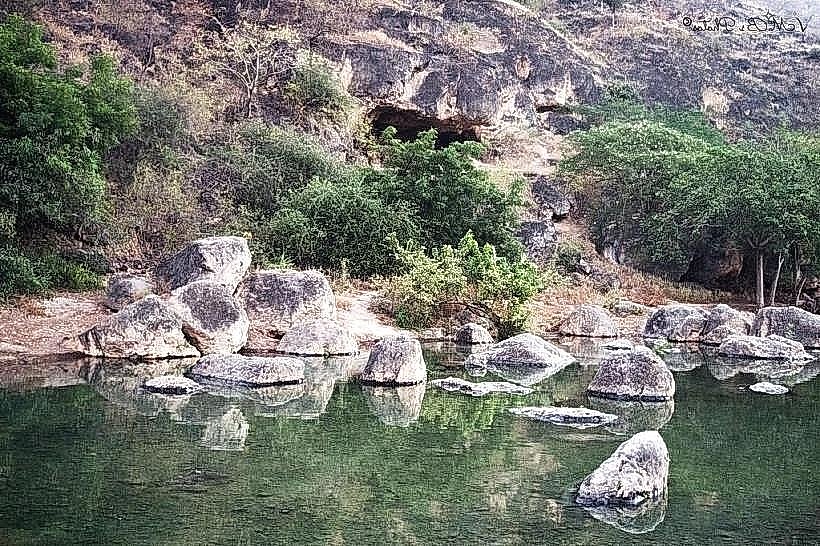
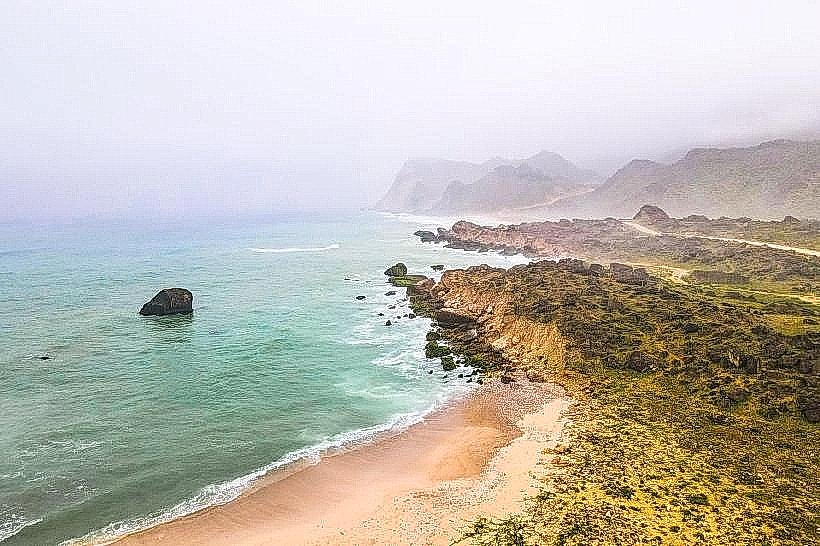
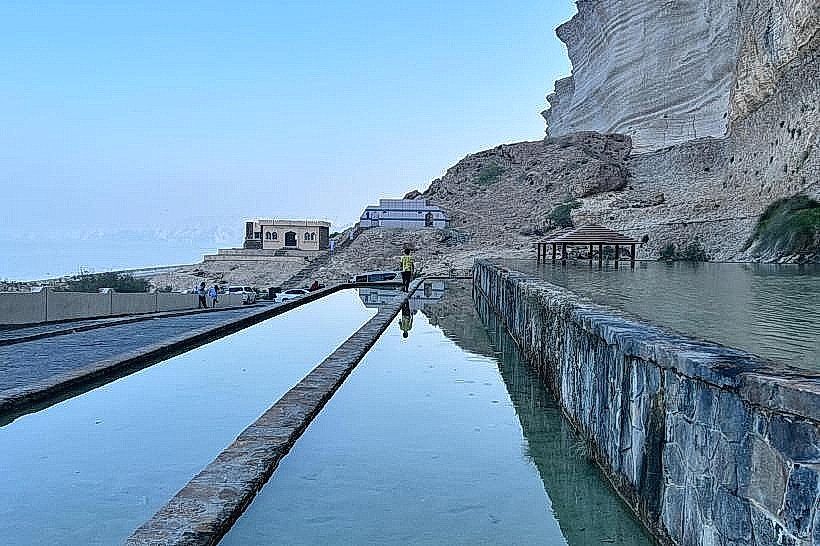
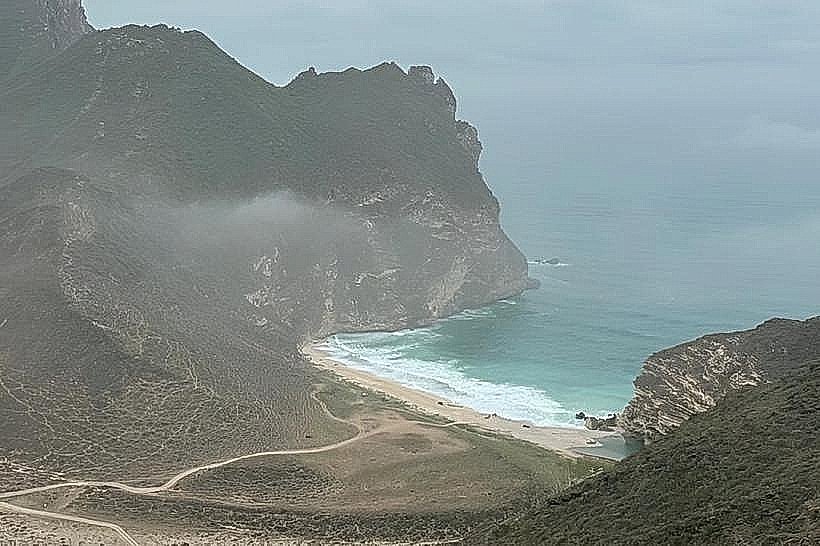
The site is characterized by massive limestone perimeter walls and gatehouses situated on a rocky promontory overlooking a natural lagoon. The ruins include the foundations of a residential quarter, a temple dedicated to the moon god Sin, and extensive storage facilities for frankincense. The surrounding landscape features the deep blue waters of the Khor Rori lagoon, separated from the Arabian Sea by a narrow sandbar.
Location & Access Logistics
The park is located off the Taqah-Mirbat Road (Route 49). It is reached via a paved access road that leads to a visitor center and parking area. Access from Salalah is a 45-minute drive by private vehicle or taxi. While the site is remote, it is a standard inclusion on cultural itineraries for the Dhofar region.
Historical & Ecological Origin
Sumhuram was established by the Kingdom of Hadramawt to control the export of frankincense to the Mediterranean and the Indian subcontinent. Geologically, the site occupies a limestone plateau adjacent to a khor (lagoon), which provided a sheltered deep-water harbor for ancient merchant vessels. The city was eventually abandoned as the lagoon silted up, cutting off direct maritime access.
Key Highlights & Activities
Visitors can traverse the excavated streets and enter the remains of the Temple of Sin to observe ancient South Arabian inscriptions. The site offers elevated vantage points for birdwatching over the lagoon, which frequently hosts flamingos and other migratory species. A small on-site museum displays bronze artifacts, coins, and pottery recovered during Italian archaeological missions.
Infrastructure & Amenities
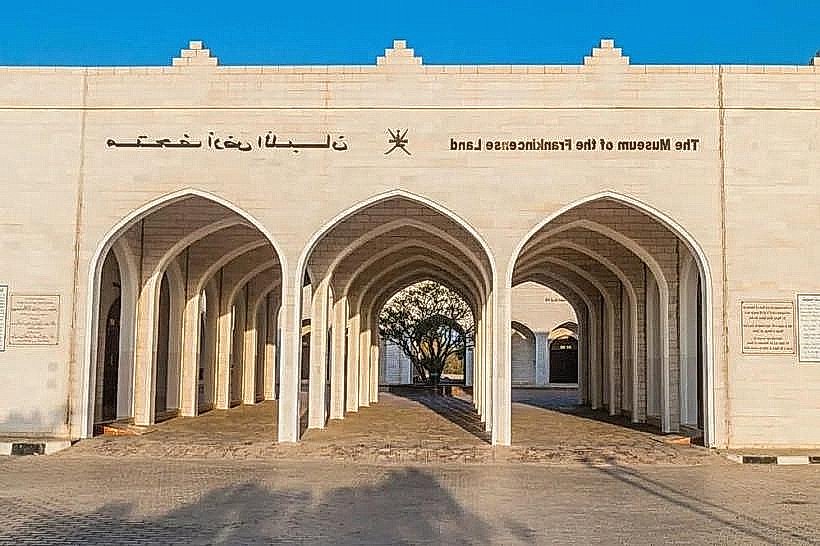
The site includes a modern visitor center equipped with a reception desk, a small exhibition room, and public restrooms. Paved paths and stone stairs facilitate movement through the ruins, though the terrain remains uneven in sections. 4G and 5G cellular signals are generally available. The nearest significant commercial amenities and dining options are located 10km west in the town of Taqah.
Best Time to Visit
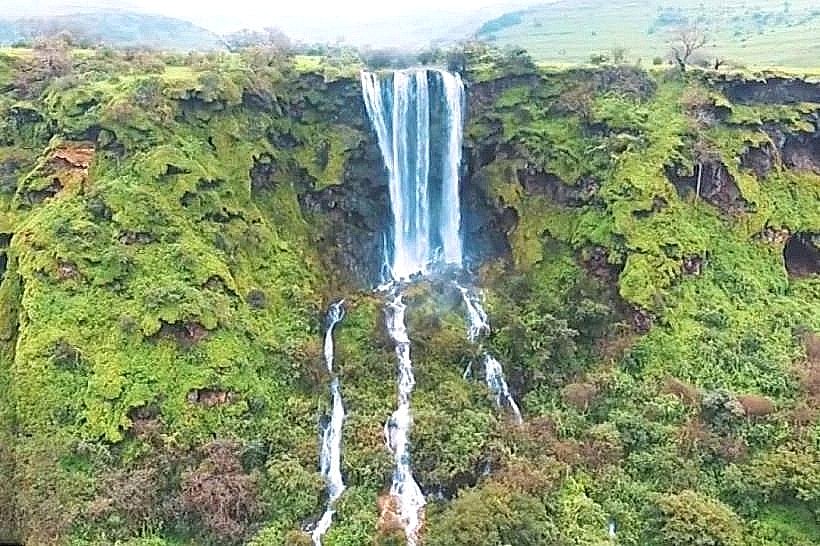
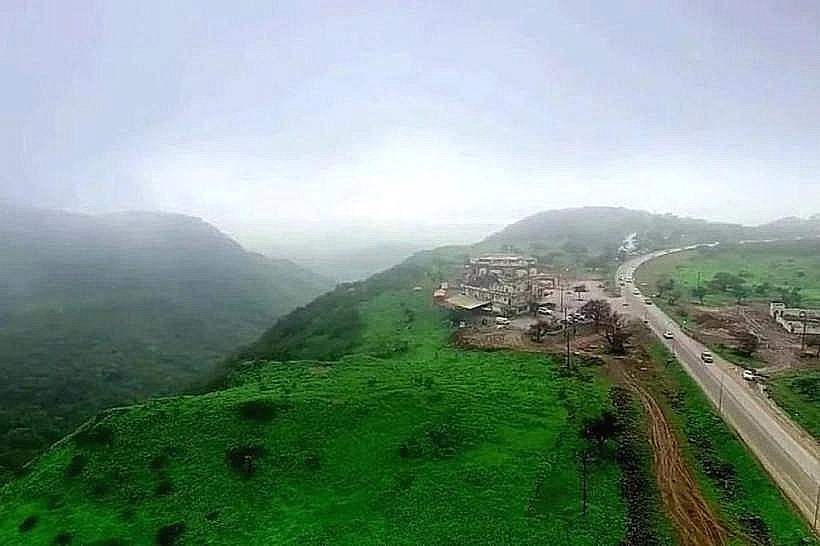
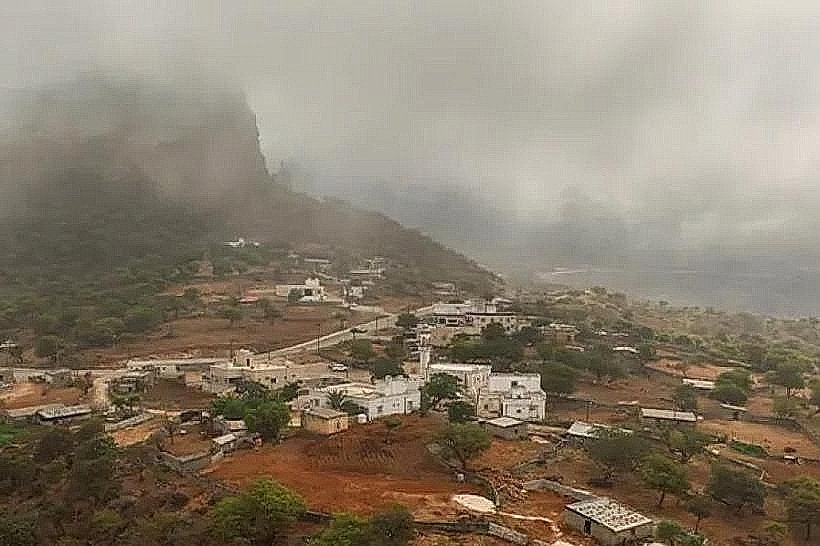
The optimal time for a visit is during the cooler months from October to April, specifically in the late afternoon (16:00 to 18:00) when the low sun highlights the textures of the limestone walls. During the Khareef season, the surrounding hills turn green, providing a stark contrast to the ancient stone structures.
Facts & Legends
Local tradition and some historical theories link the port of Sumhuram to the biblical Land of Ophir or the summer palace of the Queen of Sheba. A verified historical oddity is the presence of an advanced water drainage system within the city walls, which utilized the natural slope of the plateau to manage seasonal rainfall.
Nearby Landmarks
Wadi Darbat: 10km North
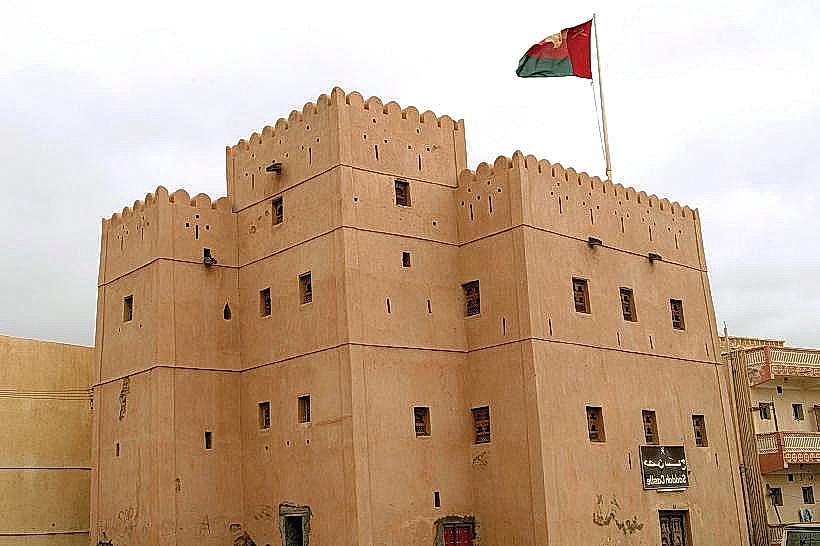
Taqah Castle: 9.5km West
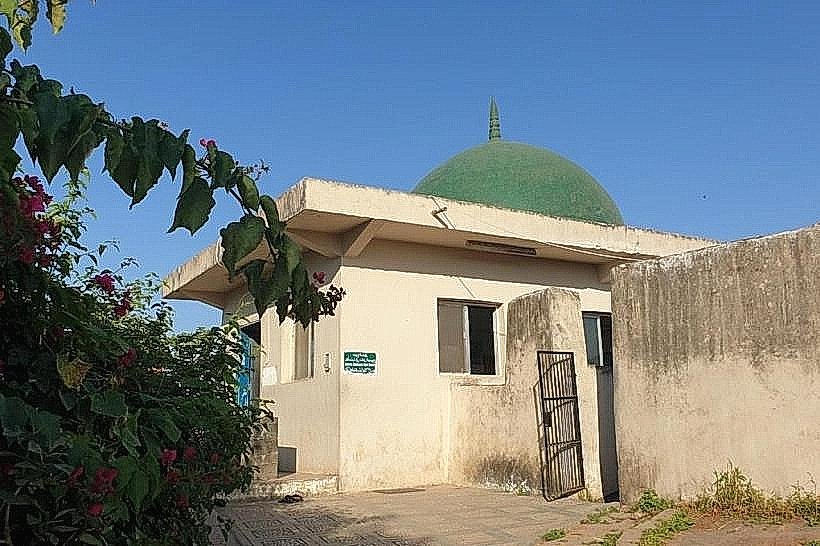
Bin Ali’s Tomb: 15km East
Mirbat Fort: 24km East
Taqah Beach: 10km West