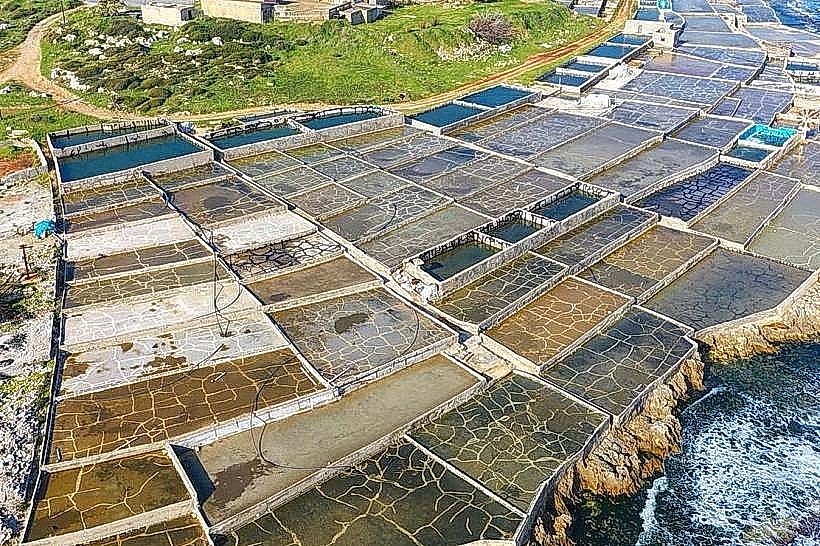
Landmark: Anfeh Salt Marshes
City: Anfeh
Country: Lebanon
Continent: Asia
Anfeh Salt Marshes, Anfeh, Lebanon, Asia
The Anfeh Salt Marshes are a coastal industrial and heritage landscape located on the peninsula of Anfeh within the El Koura District of the North Governorate, Lebanon. The site consists of a series of shallow, man-made evaporation pans carved into the rocky limestone shore, dedicated to the traditional extraction of sea salt.
Visual Characteristics
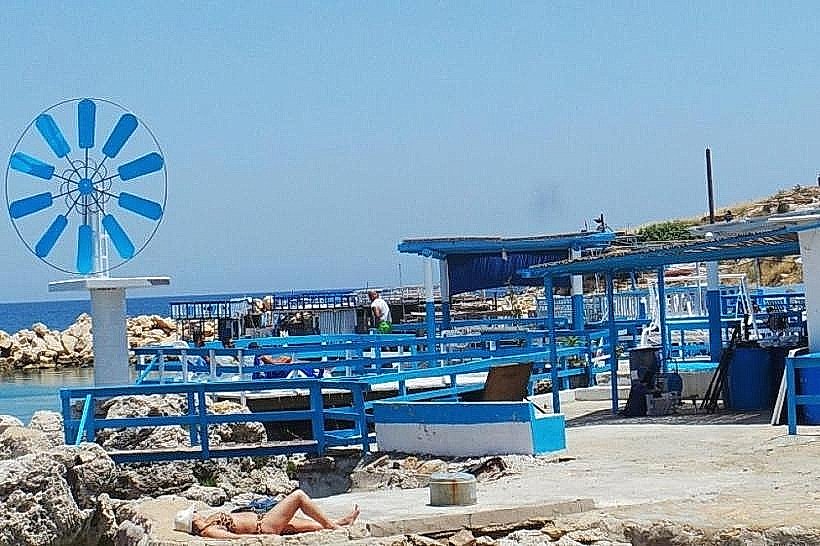
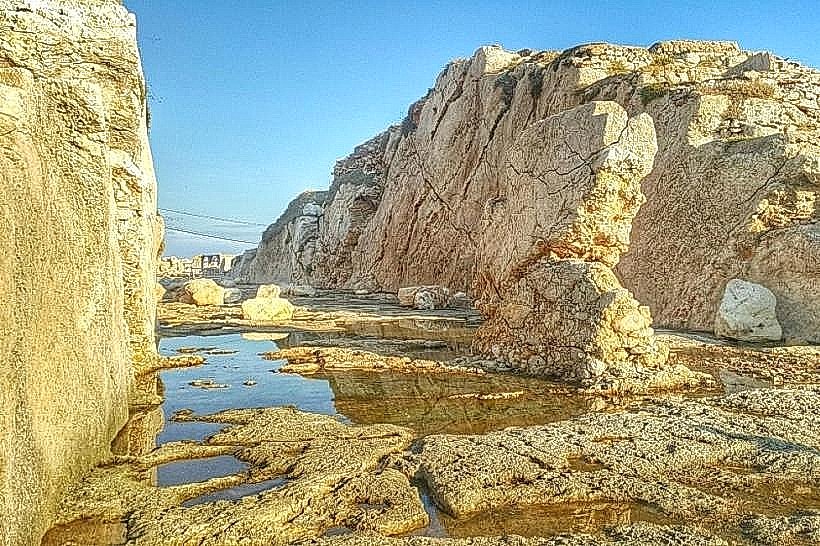
The Anfeh Salt Marshes feature dozens of rectangular, shallow concrete and stone basins geometric in design, filled with brine at varying stages of evaporation. The landscape is defined by the stark white of crystallized salt beds against the grey limestone bedrock and the deep blue of the adjacent Mediterranean Sea. A defining visual element is the presence of traditional, small wind-powered pumps fitted with white canvas sails, historically used to lift seawater into the pans. The immediate shoreline is flat, rocky, and completely devoid of tall vegetation, exposing the entire complex to coastal winds and intense marine glare.
Location & Access Logistics
The site is situated 65 kilometers north of Beirut and 15 kilometers south of Tripoli. It is directly accessible via the coastal highway, taking the exit for Anfeh and driving west toward the old maritime peninsula. Free asphalt and gravel parking spots are available along the public coastal road running adjacent to the salterns. Public transportation options include the regular coastal buses and shared vans running between Beirut and Tripoli, which drop passengers off on the main highway, leaving a 1.2-kilometer flat walk to the shoreline.
Historical & Ecological Origin
The practice of salt extraction in Anfeh dates back to the Phoenician era, making these salt pans among the oldest working marine salterns in the Mediterranean basin. The modern concrete infrastructure and wind-pump design were standardized during the early 20th century under the French Mandate to optimize production. Ecologically, the marshes represent a unique hypersaline artificial wetland habitat that supports specialized halophilic (salt-tolerant) microorganisms and provides a seasonal foraging ground for coastal migratory birds.
Key Highlights & Activities
Observing the traditional salt harvesting process, including the manual raking and piling of salt crystals during the late summer harvest.
Examining the mechanical design of the historic wind-driven pumps scattered across the coastal shelf.
Walking the narrow concrete ridges that separate the individual evaporation chambers.
Photographing the geometric reflections of the sky and sea within the still, brine-filled basins.
Infrastructure & Amenities
The Anfeh Salt Marshes are integrated into a working waterfront and public coastal walkway. No formal visitor centers or ticketing booths exist. Public restrooms are not directly available on the pans but can be accessed at nearby seaside cafes and restaurants situated 200 meters away. The flat coastal layout ensures exceptionally strong, stable 4G and 5G cellular coverage across all major domestic networks. There are no dedicated shade structures or public drinking fountains on the salt beds proper, though commercial food and beverage vendors operate continuously along the parallel town street.
Best Time to Visit
The optimal period to visit is from June to September when the evaporation process is active and the salt crystals are visible. Photography is most effective between 17:00 and 19:00, as the late afternoon sun hits the shallow waters at a low angle, highlighting the crystalline textures and producing sharp reflections on the surface of the brine pans.
Facts & Legends
Local historical records show that up until the late 20th century, the salt produced at Anfeh supplied a significant portion of Lebanon's domestic demand, earning the town the moniker "Under the White Gold." A drop in production occurred after 1990 due to the lifting of import tariffs on cheaper foreign salt, leaving the remaining pans to be operated by a small group of hereditary salt-masters determined to preserve their Phoenician lineage.
Nearby Landmarks
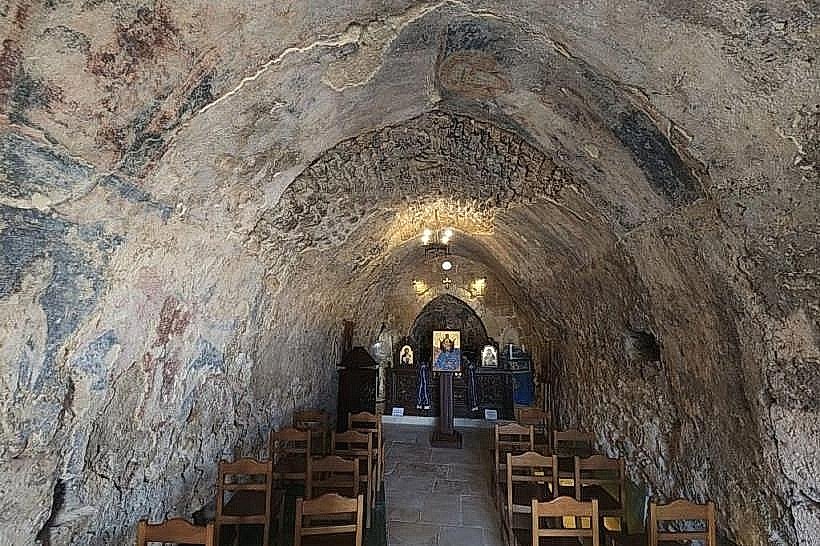
Our Lady of the Wind Church (Saydet El Rih): 0.4km East
Deir El Natour Monastery: 3.5km North
Anfeh Crusader Trench and Citadel Promontory: 0.6km Northeast
Historic Ras Anfeh Lighthouse: 0.8km North