Landmark: Arahurahu Marae
City: Tahiti
Country: French Polynesia
Continent: Australia
Arahurahu Marae, Tahiti, French Polynesia, Australia
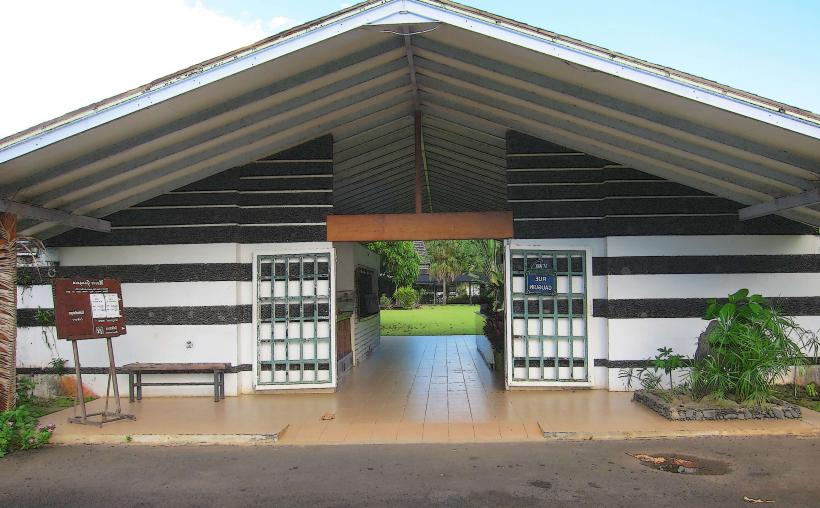
Arahurahu Marae is a reconstructed ancient Polynesian ceremonial site located on the island of Tahiti in French Polynesia.
It serves as a cultural center for traditional ceremonies and events.
Visual Characteristics
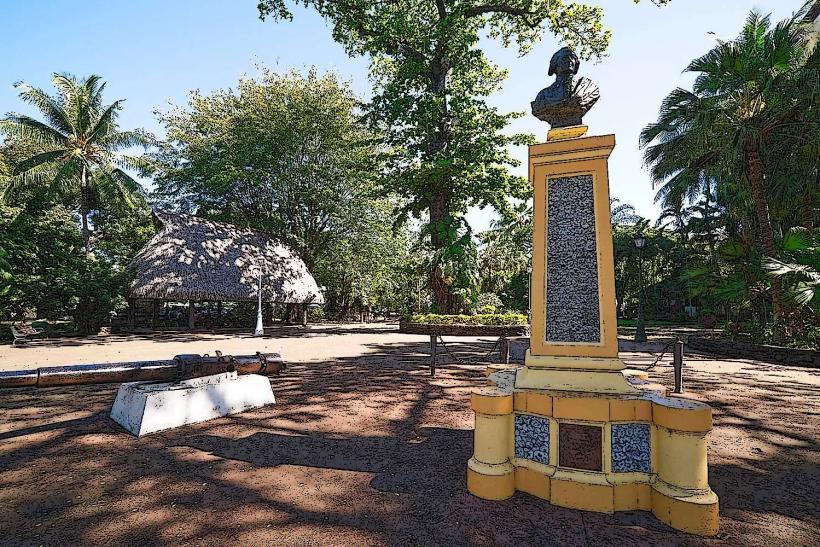
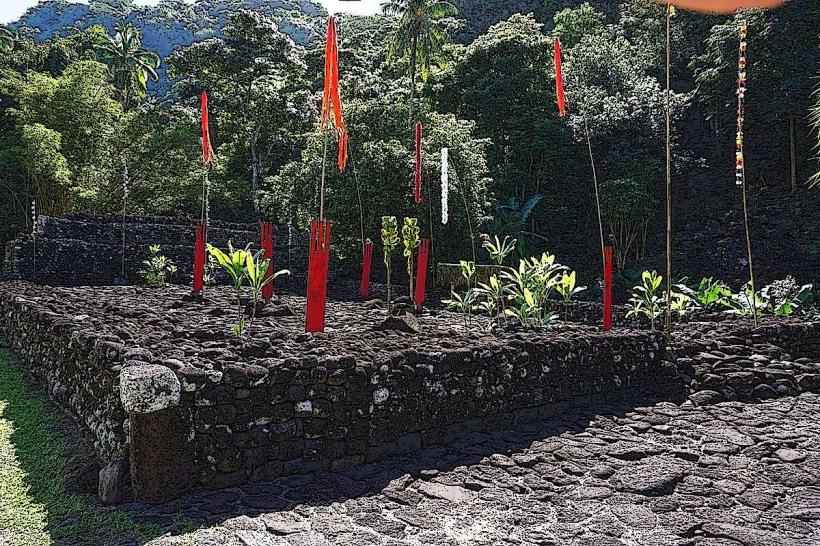
The marae is an open-air ceremonial space defined by low stone walls and platforms. The central area features a large, flat stone believed to be an altar. Surrounding the central platform are smaller stones and upright markers. The site is situated within a grove of trees, primarily coconut palms and breadfruit trees, providing partial shade.
Location & Access Logistics
Arahurahu Marae is located on the west coast of Tahiti, approximately 25 kilometers west of the capital city, Papeete. Access is via Route 1, also known as the coastal road. Turn off Route 1 onto the signed road leading to the marae. Parking is available on-site in a designated gravel lot. Public transport options are limited; the local bus system (line 10) runs along Route 1, requiring a walk of approximately 500 meters from the nearest stop to the marae entrance.
Historical & Ecological Origin
The original marae is believed to date back several centuries, serving as a sacred site for religious rituals, political gatherings, and ancestral worship. The current structure is a reconstruction, undertaken to preserve and showcase traditional Polynesian architecture and cultural practices. The site is situated on volcanic soil, typical of the island's geology.
Key Highlights & Activities
Visitors can observe the layout of a traditional marae and understand its ceremonial functions. Demonstrations of traditional Polynesian arts, such as weaving and carving, are sometimes held. Cultural performances, including dance and music, may occur on specific dates. Walking the perimeter of the marae provides a comprehensive view of the site.
Infrastructure & Amenities
Basic restroom facilities are available near the parking area. Shade is provided by the surrounding trees. Cell phone signal (4G) is generally available. There are no on-site food vendors, but small snack shops and restaurants can be found along Route 1 within a 2-kilometer radius.
Best Time to Visit
The best time of day for visiting is between 9:00 AM and 3:00 PM to allow for adequate daylight for observation. The dry season, from May to October, offers the most pleasant weather conditions. There are no tide-dependent activities at this site.
Facts & Legends
A local legend states that the large central stone was used for sacrifices, though historical accounts suggest its primary function was as an altar for offerings and ceremonies. It is considered a place of significant spiritual importance, and visitors are advised to maintain a respectful demeanor.
Nearby Landmarks
- Bain des Tortues (Turtle Pool) - 1.2km Southwest
- Point Venus Lighthouse - 4.5km Northeast
- Musée de Tahiti et des Îles - 5.0km East
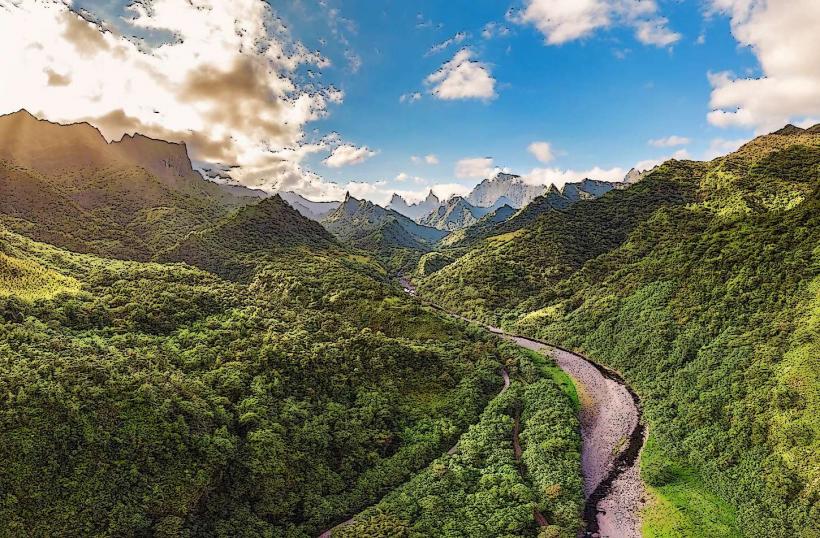
- Papenoo Valley - 6.0km Southeast