Landmark: Tupitipiti Point
City: Tahiti
Country: French Polynesia
Continent: Australia
Tupitipiti Point, Tahiti, French Polynesia, Australia
Tupitipiti Point is a geological formation located on the island of Tahiti in French Polynesia.
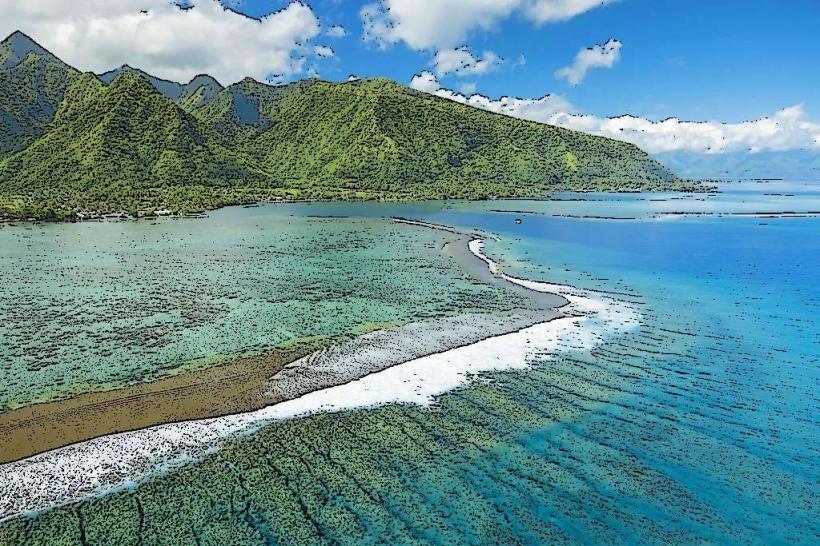
This site is characterized by its basaltic rock formations and the surrounding clear waters.
Visual Characteristics
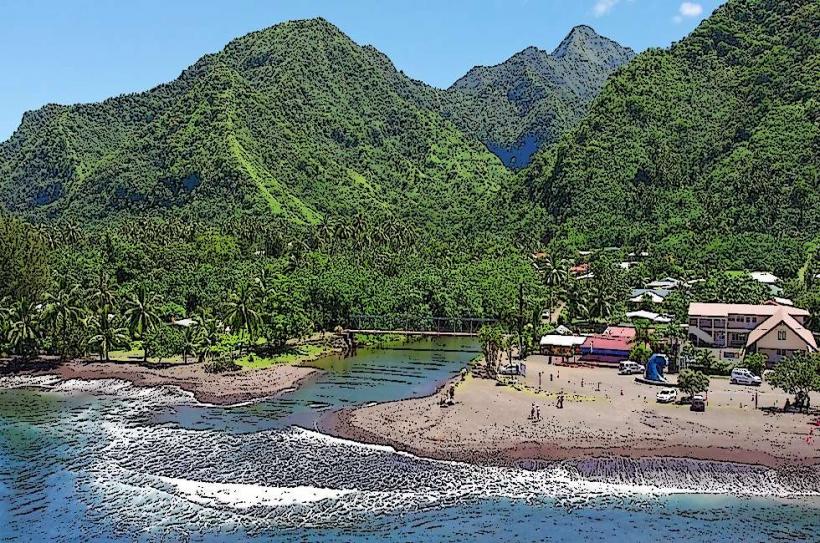
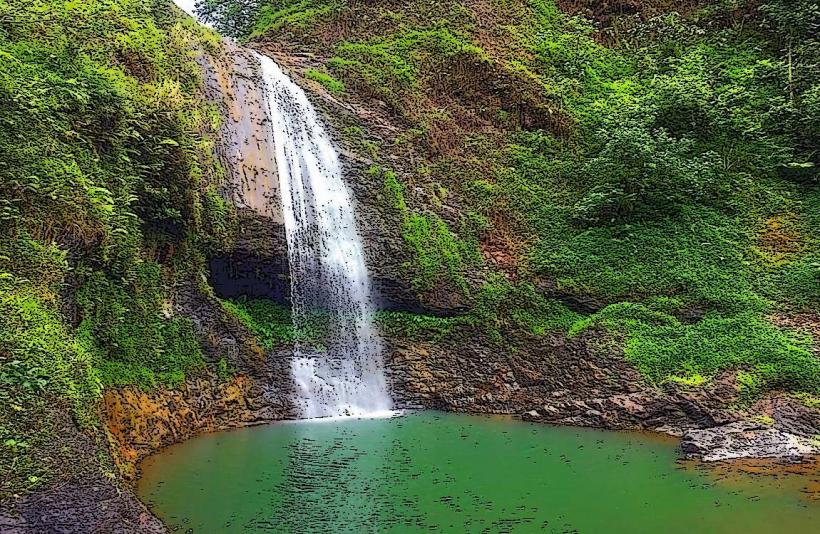
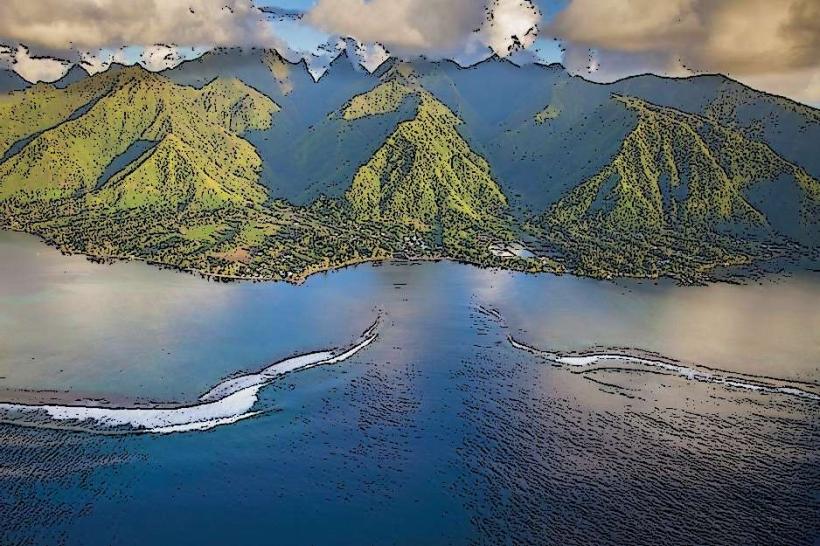
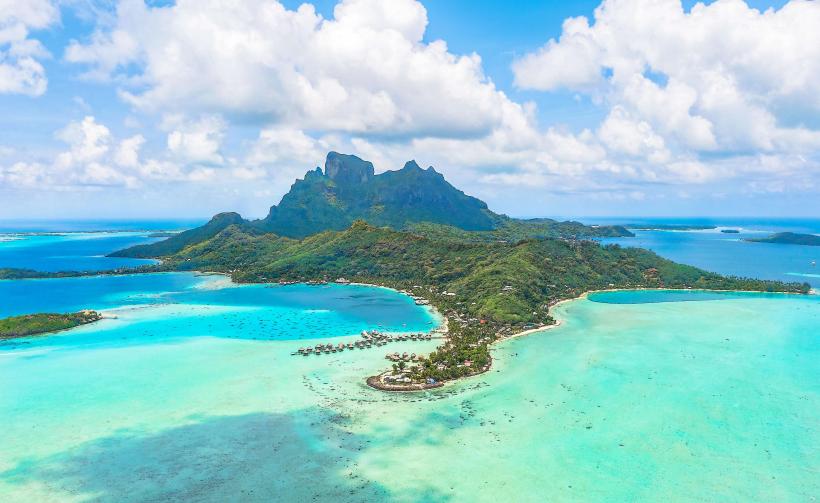
The point features dark, jagged basalt columns that rise from the ocean. The rock surfaces are often wet and can appear black or dark grey. The water surrounding the point is typically a clear turquoise, with visibility extending to the seabed in calm conditions. Vegetation is sparse on the immediate rock formations, consisting mainly of salt-tolerant plants.
Location & Access Logistics
Tupitipiti Point is situated on the southwestern coast of Tahiti, approximately 15 kilometers southwest of the capital city, Papeete. Access is via Route 1 (Pointe des Chasseurs road). Parking is available at designated pull-offs along the coastal road. From the road, a short, steep, and sometimes slippery trail leads down to the water's edge. This trail requires sturdy footwear.
Historical & Ecological Origin
Tupitipiti Point is a product of volcanic activity, specifically the erosion of ancient lava flows that formed the island of Tahiti. The basalt columns are a result of the cooling and fracturing of this volcanic rock over millennia. Ecologically, it is part of a coastal marine environment.
Key Highlights & Activities
Observation of the basalt formations is the primary activity. The clear waters allow for viewing of marine life from the shore. Snorkeling and diving are possible in the calmer sections of the bay, particularly during periods of low wave action. The site is also used for photography.
Infrastructure & Amenities
There are no dedicated facilities at Tupitipiti Point. Restrooms and food vendors are not present at the site itself. Cell phone signal (4G/5G) is generally available along the coastal road but may be intermittent at the water's edge. Shade is minimal, provided only by small overhangs in the rock face.
Best Time to Visit
For photography, early morning or late afternoon offers the best natural light on the rock formations. The calmest sea conditions, suitable for snorkeling or diving, are typically found during the dry season (May to October). Low tide can expose more of the rock formations.
Facts & Legends
Local lore suggests that the distinctive shape of the basalt columns at Tupitipiti Point resembles the teeth of a mythical sea creature, hence its name which can be loosely translated to "point of teeth."
Nearby Landmarks
- Point Venus Lighthouse (12km Northeast)
- Museum of Tahiti and the Islands (10km Northeast)
- Marae Arahurahu (8km Northeast)
- Fa'a'a International Airport (14km Northeast)