Landmark: Point Venus Lighthouse
City: Tahiti
Country: French Polynesia
Continent: Australia
Point Venus Lighthouse, Tahiti, French Polynesia, Australia
The Point Venus Lighthouse is a navigational aid located on the northern coast of Tahiti, French Polynesia.
It marks the easternmost point of the island and is situated on a prominent cape.
Visual Characteristics
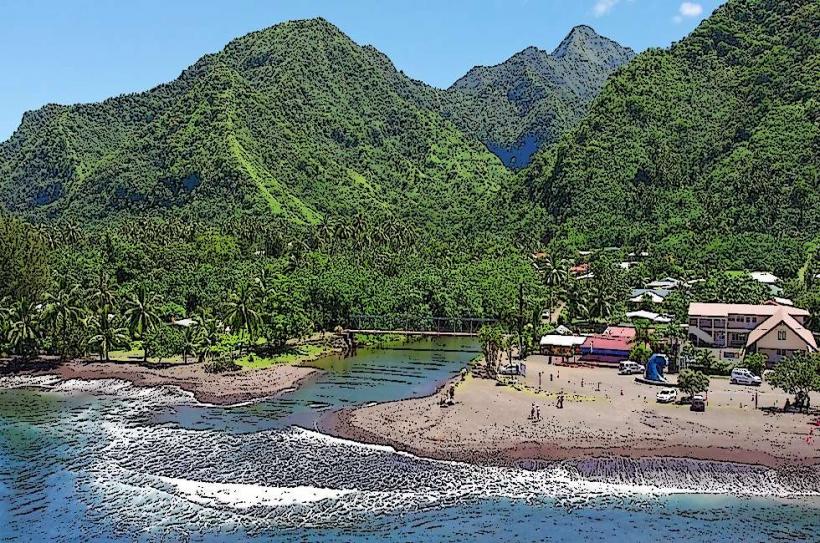
The lighthouse is a cylindrical concrete tower, painted white with a red band around its upper section. It stands approximately 30 meters (98 feet) in height. The lantern room at the apex is enclosed by glass panels. The surrounding area consists of black volcanic sand beaches and low-lying vegetation.
Location & Access Logistics
Point Venus is accessible via the coastal road, Route de la Pointe Vénus, approximately 15 kilometers (9.3 miles) east of Papeete. The drive from Papeete takes approximately 30 minutes, depending on traffic. Parking is available in a designated lot adjacent to the lighthouse. Public transport options are limited; local bus lines (e.g., Line 10) run along the coastal road and stop within walking distance of the site.
Historical & Ecological Origin
The current lighthouse was constructed in 1932. The site's historical significance stems from its use as an astronomical observation point by Captain James Cook in 1769 to observe the transit of Venus. The landform itself is composed of volcanic basalt, characteristic of the island's geological formation.
Key Highlights & Activities
Visitors can ascend the lighthouse for panoramic views of the coastline and ocean (access may be restricted). The Black Sand Beach is suitable for walking. The waters offshore are known for snorkeling opportunities, particularly around the reef.
Infrastructure & Amenities
Restrooms are available near the parking area. Limited shade is provided by scattered trees. Cell phone signal (4G) is generally available. Food vendors are not typically present at the immediate lighthouse site, but small snack bars can be found along the nearby coastal road.
Best Time to Visit
For photography, the late afternoon offers favorable lighting conditions with the sun setting in the west. The dry season, from May to October, provides the most consistent weather. Tidal conditions do not significantly impact access to the lighthouse itself.
Facts & Legends
The black sand at Point Venus is a result of volcanic activity and is composed of fine grains of basalt. Local lore suggests that the area was a traditional meeting place for Tahitian royalty.
Nearby Landmarks
- Museum of Tahiti and the Islands (0.8km West)
- Paofai Gardens (12km West)
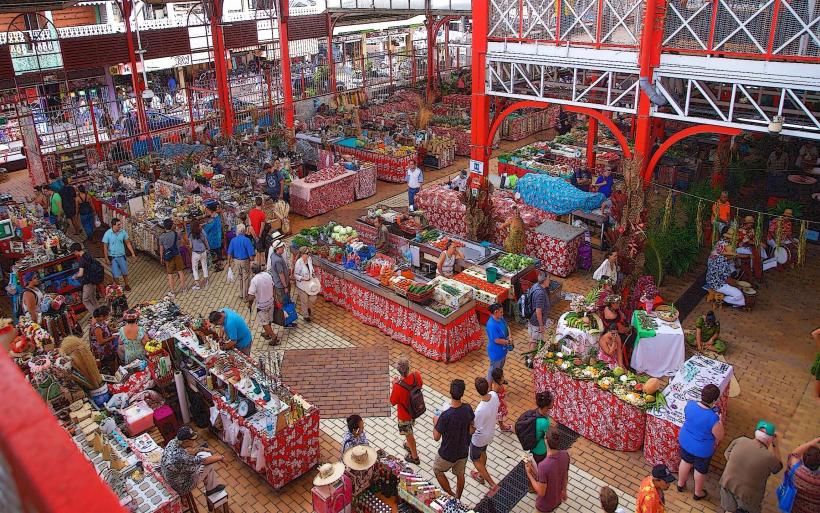
- Papeete Market (15km West)
- Faaa International Airport (18km West)