Landmark: Arctic National Wildlife Refuge
City: Fairbanks
Country: USA Alaska
Continent: North America
Arctic National Wildlife Refuge, Fairbanks, USA Alaska, North America
The Arctic National Wildlife Refuge is a protected area located in northeastern Alaska, USA. It encompasses a vast expanse of wilderness characterized by diverse ecosystems and significant wildlife populations.
Visual Characteristics
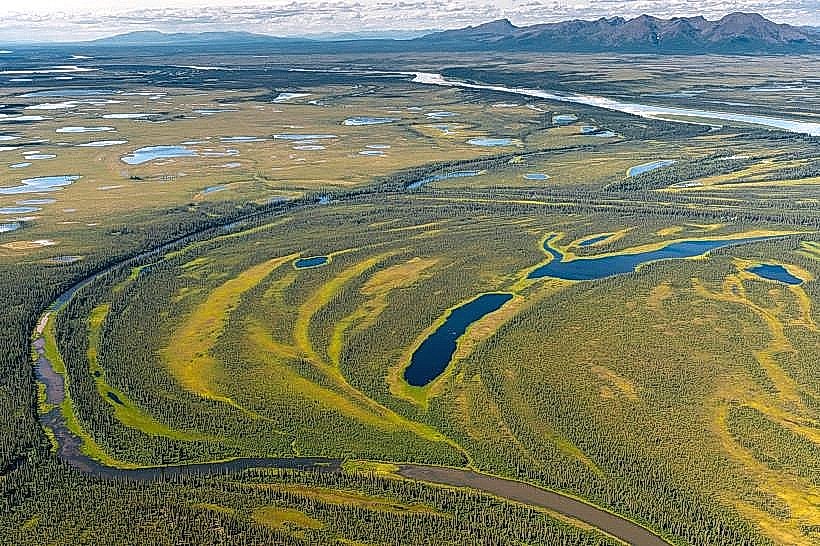
The refuge features a varied topography, including the Brooks Range mountains with snow-capped peaks, extensive tundra plains, and coastal wetlands. Vegetation consists primarily of low-lying shrubs, grasses, and mosses in the tundra, transitioning to boreal forests in the southern sections. Rivers and lakes are prevalent throughout the landscape. Wildlife includes caribou, polar bears, muskoxen, and numerous bird species.
Location & Access Logistics
The Arctic National Wildlife Refuge is situated in northeastern Alaska. Access is primarily via air charter from Fairbanks or other regional hubs, as there are no roads directly into the refuge. Bush plane services operate from locations like Prudhoe Bay and Kaktovik. No public transportation services are available within the refuge. Visitors should plan for remote travel and self-sufficiency.
Historical & Ecological Origin
The refuge was established in 1960 under the National Wildlife Refuge System Administration Act and expanded in 1980 by the Alaska National Interest Lands Conservation Act. Its ecological origin is a result of glacial activity, permafrost, and the unique Arctic climate, supporting a rich biodiversity adapted to these conditions. It is a critical calving ground for the Porcupine caribou herd.
Key Highlights & Activities
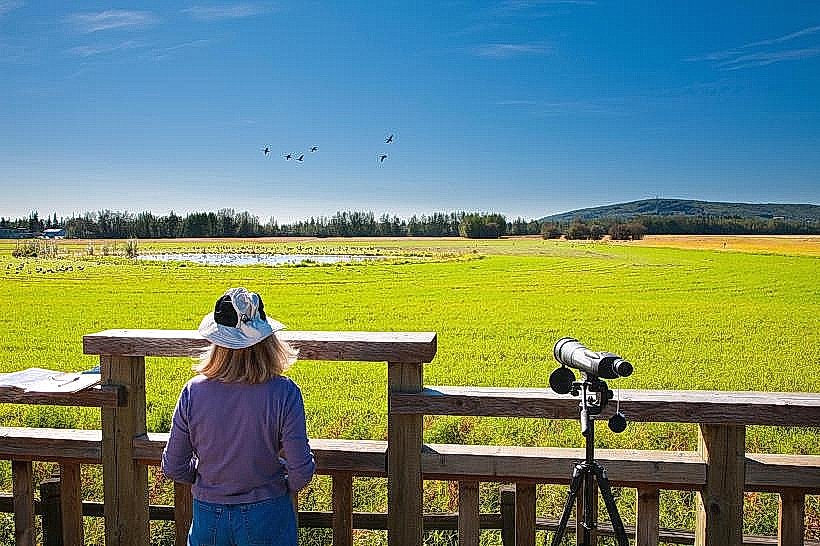
Activities include wildlife observation, particularly caribou migrations and bird watching. Hiking and backcountry camping are permitted in designated areas. Photography opportunities are abundant. Limited subsistence hunting and fishing are allowed for qualified Alaska Native residents.
Infrastructure & Amenities
There are no developed facilities, restrooms, or food vendors within the Arctic National Wildlife Refuge. Cell phone signal is non-existent. Visitors must be entirely self-sufficient, carrying all necessary supplies, including shelter, food, water purification, and safety equipment. Designated campsites are not maintained.
Best Time to Visit
The optimal period for visiting is during the summer months, from June to September, when temperatures are milder and daylight hours are extended. The caribou migration typically occurs in late summer. Bird nesting season is in early summer. Access can be limited by weather conditions at any time of year.
Facts & Legends
The refuge is home to the Porcupine caribou herd, which undertakes one of the longest land migrations in North America, traveling thousands of miles annually. Local Gwich'in Athabascan culture considers the caribou and the coastal plain to be sacred.
Nearby Landmarks
- Prudhoe Bay Oil Field (approx. 200km West)
- Gates of the Arctic National Park and Preserve (approx. 300km West)
- Yukon Delta National Wildlife Refuge (approx. 500km Southwest)
- Denali National Park and Preserve (approx. 600km Southwest)