Landmark: Creamer’s Field Migratory Waterfowl Refuge
City: Fairbanks
Country: USA Alaska
Continent: North America
Creamer’s Field Migratory Waterfowl Refuge, Fairbanks, USA Alaska, North America
Creamer’s Field Migratory Waterfowl Refuge is a protected area located in Fairbanks, Alaska, USA. It serves as a critical stopover point for migratory birds in the Interior of Alaska.
Visual Characteristics
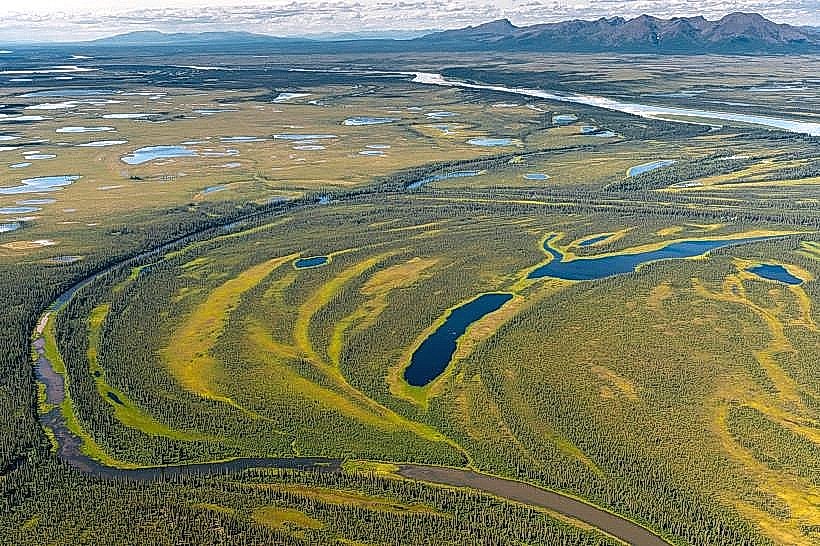
The refuge comprises approximately 2,200 acres of mixed habitat, including wetlands, boreal forest, and open fields. Water bodies within the refuge are typically shallow and can appear brown or greenish depending on sediment and algal content. Vegetation is characterized by dense stands of white spruce and birch trees, interspersed with willow and alder in wetter areas. Open fields are primarily composed of grasses and sedges.
Location & Access Logistics
Creamer’s Field is situated within the city limits of Fairbanks, approximately 3 miles (4.8 km) southeast of the downtown core. Access is primarily via Airport Way, turning onto Creamer’s Field Road. Parking is available at designated lots near the main entrance and along the perimeter roads. Public transportation options include the Interior Alaska Public Transit (IAPT) bus route 3, which stops near the refuge entrance on Airport Way.
Historical & Ecological Origin
The land was originally part of a dairy farm established by William and Mary Creamer in the 1930s. In 1966, the Creamer family donated the property to the University of Alaska, with the stipulation that it be preserved for wildlife and public use. The refuge was officially established in 1973. Ecologically, it represents a transition zone between boreal forest and wetland ecosystems, supporting a diverse range of flora and fauna.
Key Highlights & Activities
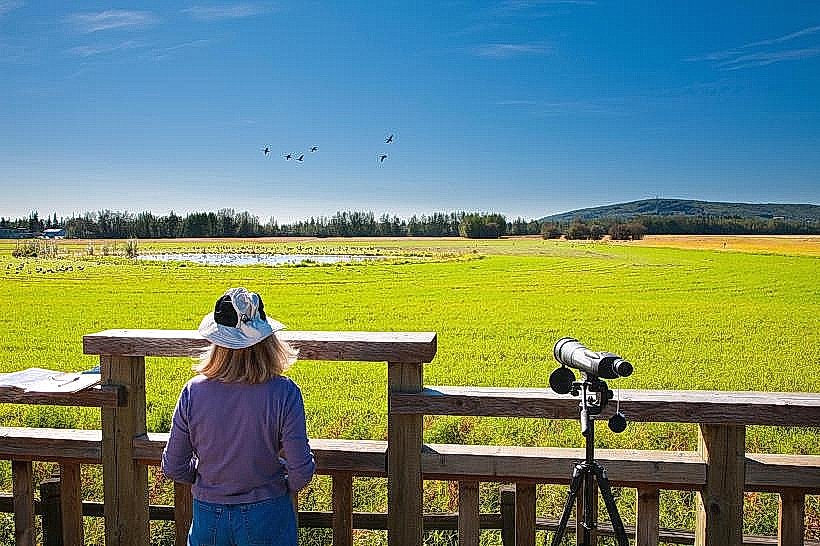
Birdwatching is the primary activity, with opportunities to observe waterfowl, shorebirds, and passerines. Hiking is permitted on designated trails, including the 1.5-mile (2.4 km) loop trail through the forest and wetlands. Educational programs and guided walks are offered seasonally by the Friends of Creamer's Field. Photography of wildlife and landscapes is also a common pursuit.
Infrastructure & Amenities
Restrooms are available at the main visitor center. Limited shade is provided by the forest canopy along trails. Cell phone signal (4G/5G) is generally available within the refuge. No food vendors are located within the refuge itself, but several commercial establishments are situated along Airport Way, a short distance from the entrance.
Best Time to Visit
For peak bird activity, the spring migration (April-May) and fall migration (August-September) are optimal. Early morning and late evening offer the best lighting conditions for photography. Weather is most favorable for outdoor activities during the summer months (June-August), though insect presence can be significant. High tide is not a relevant factor for access or activity within this inland refuge.
Facts & Legends
A unique aspect of Creamer's Field is its role as a winter roosting site for owls, particularly the Great Horned Owl, which can sometimes be observed even in colder months. The refuge also contains remnants of the original dairy farm, including old fences and foundations, offering a glimpse into its agricultural past.
Nearby Landmarks
- Fairbanks International Airport (FAI) - 1.5km West
- University of Alaska Fairbanks - 4km Northwest
- Pioneer Park - 5km West
- Morris Thompson Cultural and Visitors Center - 4.5km Northwest