Landmark: Kobuk Valley National Park
City: Fairbanks
Country: USA Alaska
Continent: North America
Kobuk Valley National Park, Fairbanks, USA Alaska, North America
Kobuk Valley National Park is a protected area in northwestern Alaska, USA. It is known for its vast sand dunes and caribou migration routes.
Visual Characteristics
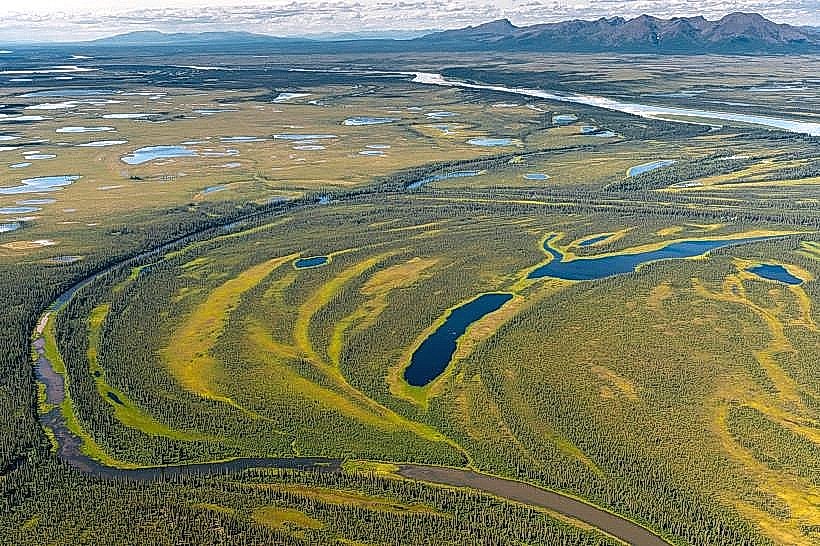
The park features extensive sand dune fields, including the Great Kobuk Sand Dunes, which can reach heights of up to 100 feet. These dunes are composed of fine, light-colored sand. Surrounding the dunes are boreal forests dominated by white spruce and black spruce, with areas of tundra vegetation. The Kobuk River, a significant waterway, flows through the park, appearing as a wide, brown ribbon.
Location & Access Logistics
Kobuk Valley National Park is located approximately 25 miles north of the Arctic Circle. Access is primarily by small aircraft from Fairbanks (approx. 2-hour flight) or Kotzebuk (approx. 1-hour flight). There are no roads within the park. Visitors typically fly into the village of Ambler or Kiana and arrange for local charter flights or boat services for in-park transportation. No vehicle parking is available at the park entrance as there are no road entrances.
Historical & Ecological Origin
The Great Kobuk Sand Dunes are a remnant of glacial outwash from the Pleistocene epoch, deposited by meltwater rivers thousands of years ago. The area has been shaped by wind erosion and deposition. The park is a critical corridor for the annual migration of the Kobuk River herd of caribou, numbering up to 200,000 animals. Archaeological evidence indicates human use of the valley for at least 10,000 years.
Key Highlights & Activities
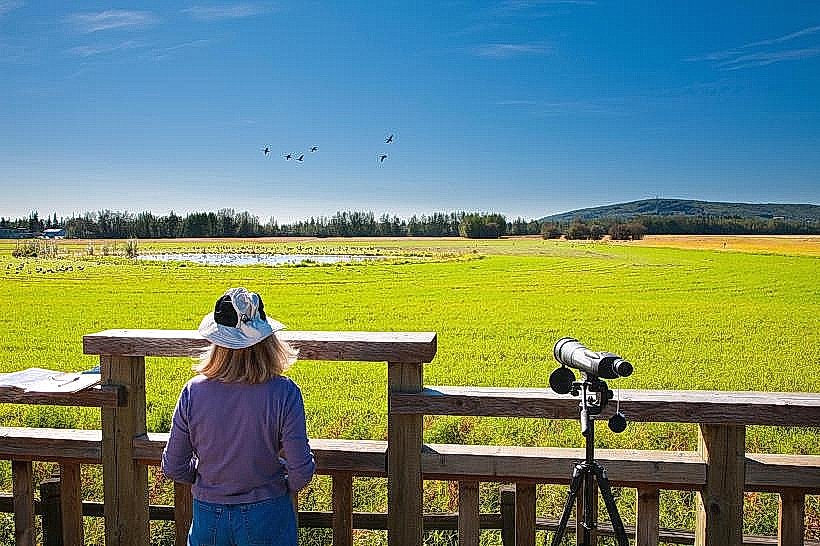
Hiking across the Great Kobuk Sand Dunes is a primary activity. Observing the caribou migration, particularly in late spring and fall, is a significant draw. Kayaking or canoeing on the Kobuk River is possible. Backcountry camping is permitted. Wildlife viewing, including moose and various bird species, is also a focus.
Infrastructure & Amenities
There are no developed facilities within Kobuk Valley National Park. Visitors must be entirely self-sufficient. Restrooms, shade structures, and food vendors are not available. Cell phone signal is generally non-existent throughout the park.
Best Time to Visit
The best time for visiting the sand dunes is during the summer months, from June to August, when temperatures are milder and daylight hours are long. For caribou migration viewing, late May to early June and September to October are optimal. The sand dunes can be very hot and exposed during midday in summer; early morning or late afternoon offers more comfortable conditions.
Facts & Legends
The Kobuk Sand Dunes are one of the largest active dune fields in the Arctic. Despite their location far north of the Arctic Circle, the sand can reach temperatures exceeding 100°F (38°C) on sunny summer days. Local oral traditions speak of ancient spirits residing within the dunes.
Nearby Landmarks
- Gates of the Arctic National Park and Preserve (15km Northwest)
- Noatak National Preserve (30km West)
- Selawik National Wildlife Refuge (40km South)
- Kobuk River (Adjacent)