Information
Landmark: Bakan PagodaCity: Cambodia Province
Country: Cambodia
Continent: Asia
Bakan Pagoda, Cambodia Province, Cambodia, Asia
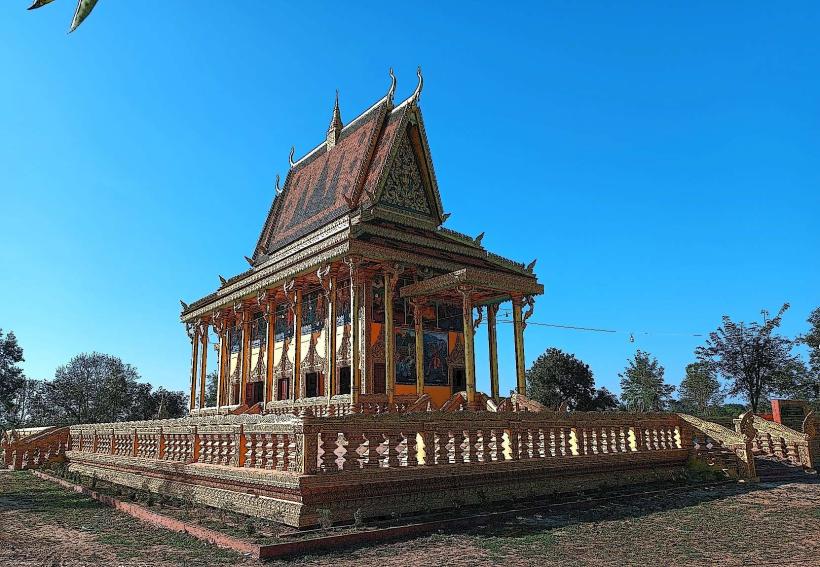
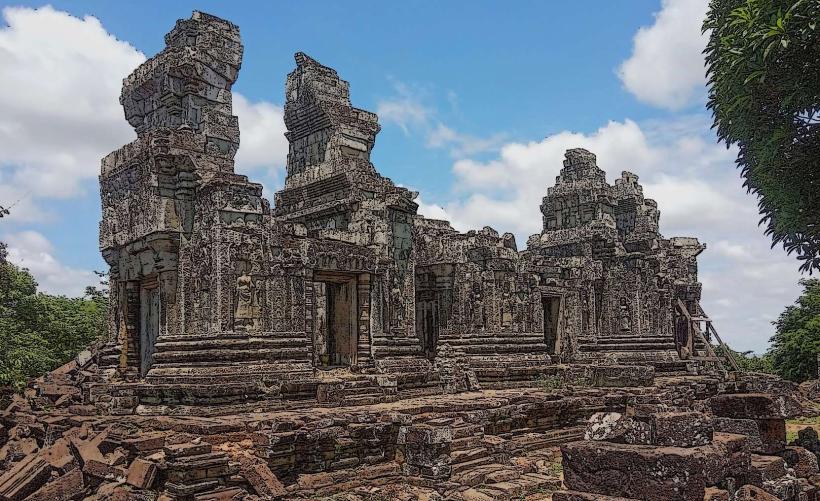
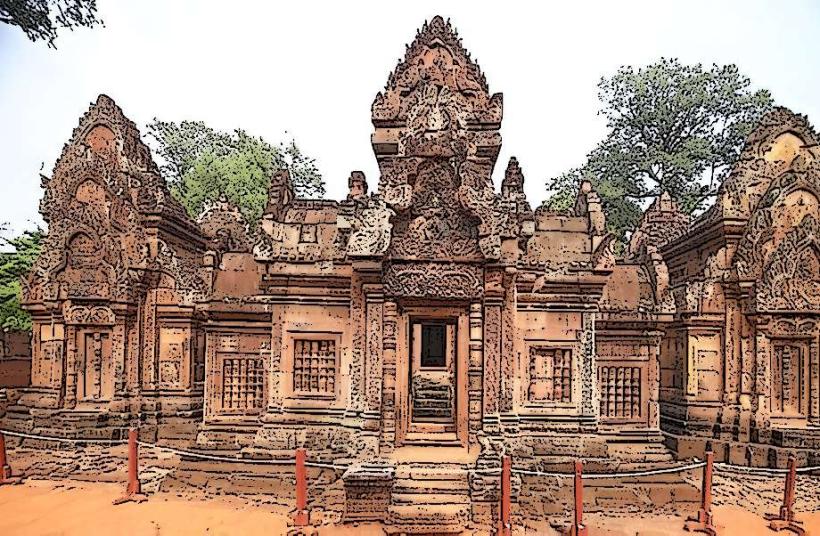
Bakan Pagoda is a Buddhist temple complex located in the city of Bakan, Kampong Thom Province, Cambodia.
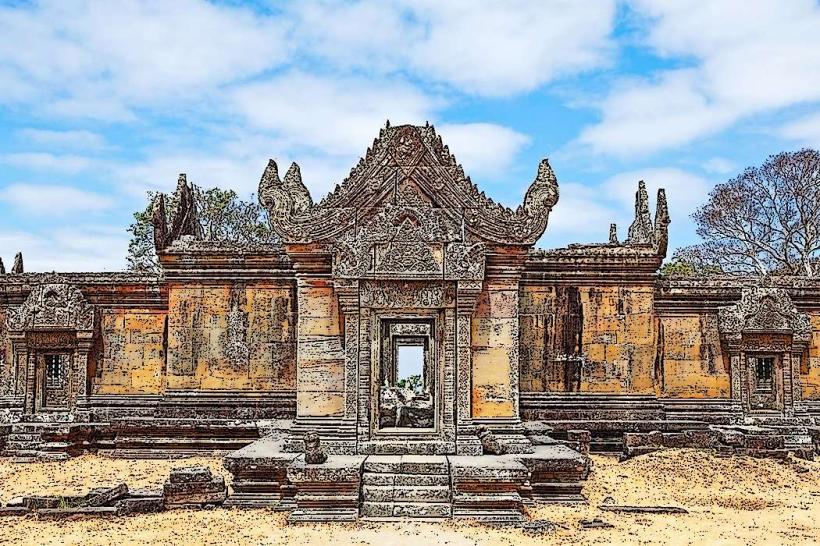
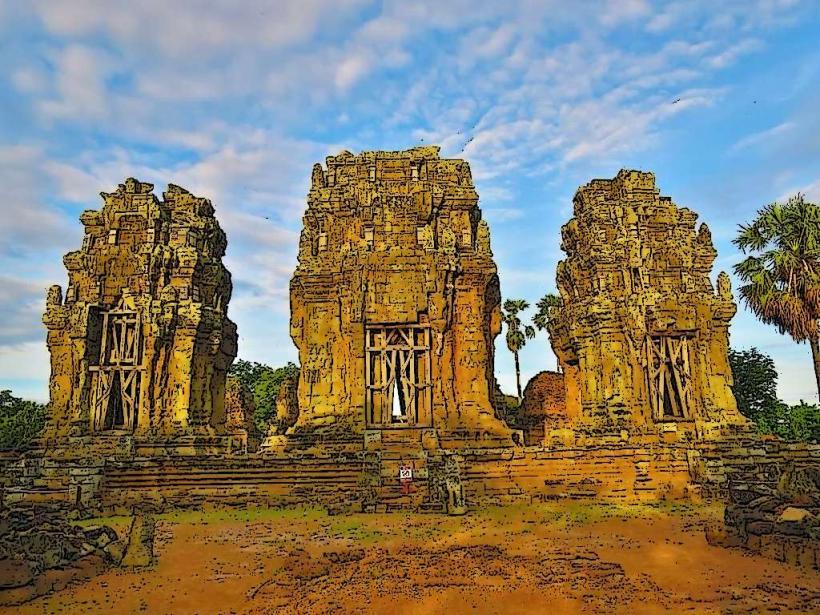
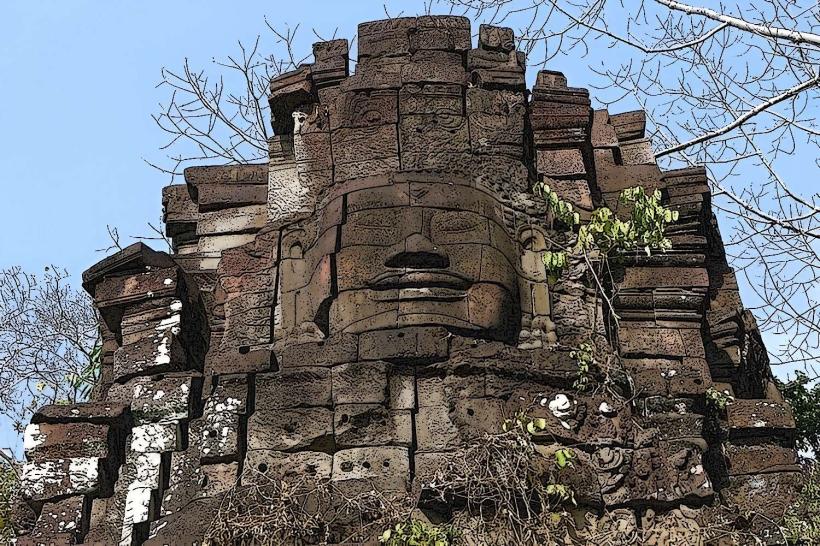
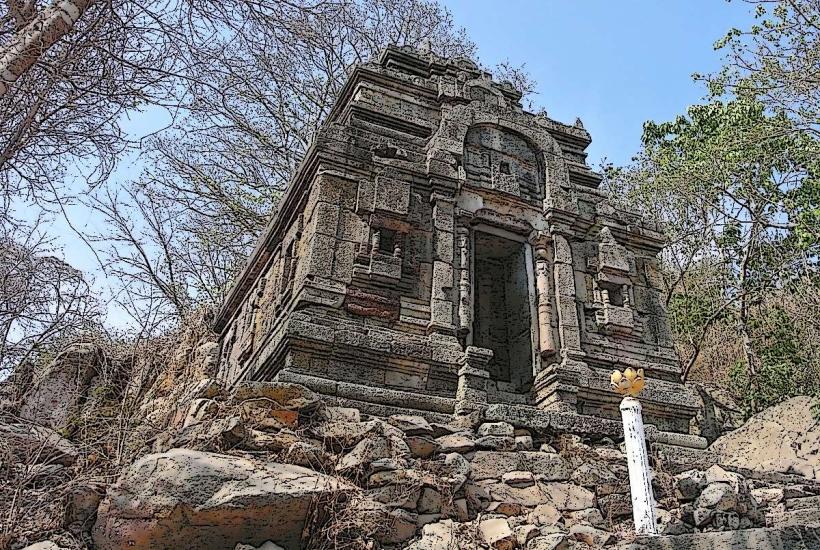
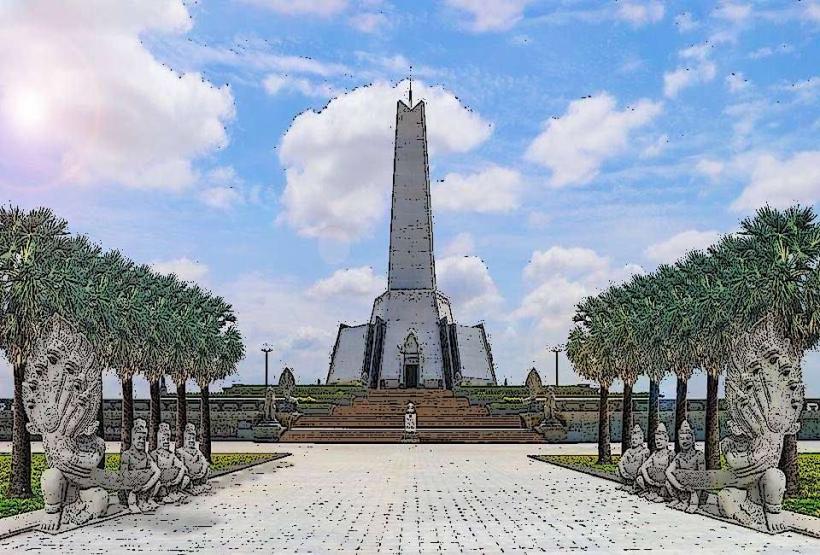
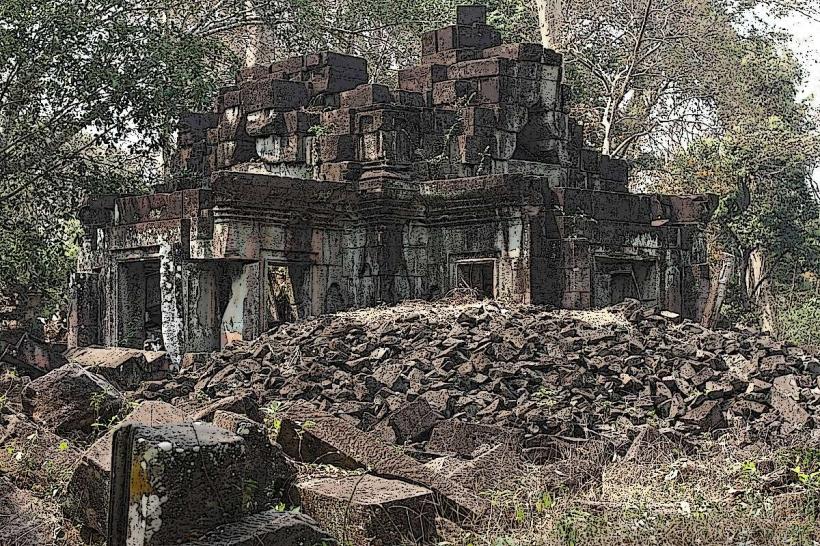
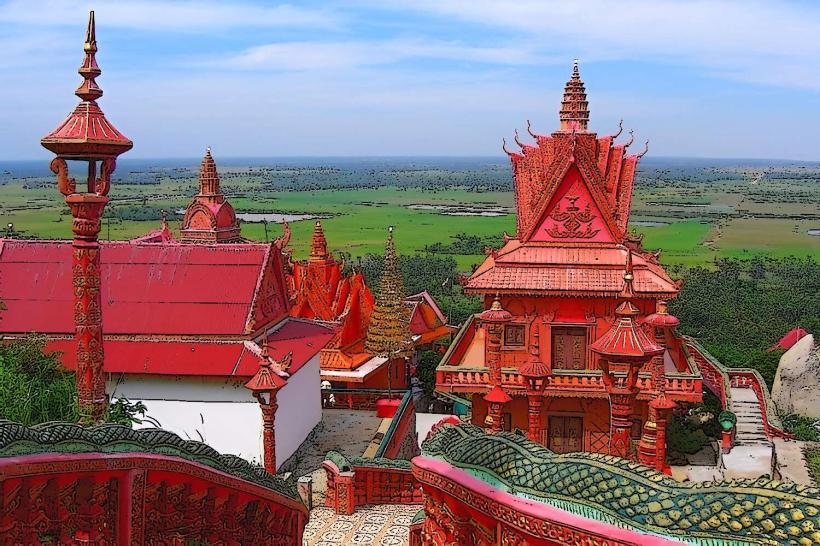
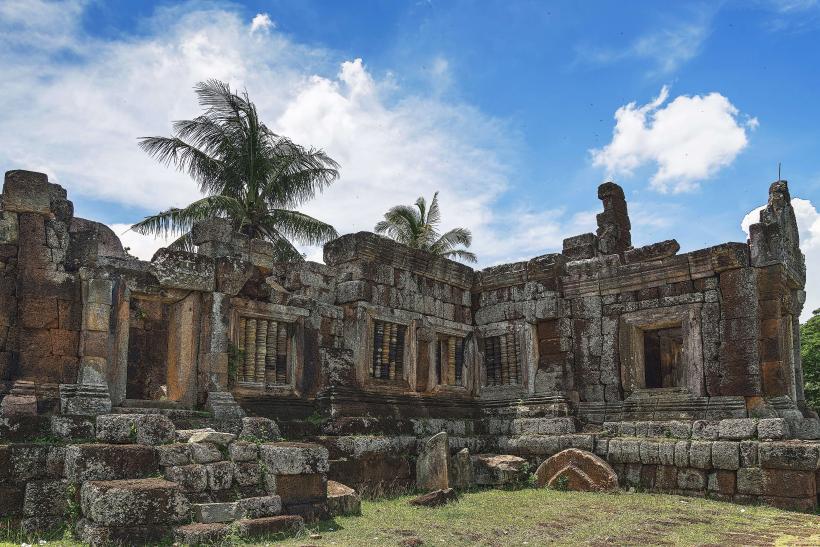
The complex comprises several tiered structures constructed primarily from laterite stone and brick, with roofs often adorned with ceramic tiles. The main pagoda, a central stupa, rises to an estimated height of 20 meters. Architectural elements suggest a blend of Khmer and possibly later influences, characterized by intricate carvings on stone lintels and pilasters.
Location & Access Logistics
Bakan Pagoda is situated approximately 3 kilometers west of the Bakan town center. Access is via National Road 6, turning onto a local paved road leading directly to the pagoda. Ample unpaved parking is available on-site. Public transport options to Bakan town include inter-provincial buses from Phnom Penh and Siem Reap; local tuk-tuks or motorcycles are available for the final leg to the pagoda.
Historical & Ecological Origin
The origins of Bakan Pagoda are not precisely documented, but its construction is believed to date back to the late 19th or early 20th century, serving as a significant religious site for the local community. The site itself is situated on relatively flat terrain, typical of the Kampong Thom Province's landscape.
Key Highlights & Activities
Visitors can observe the architectural details of the main stupa and surrounding monastic buildings. Photography of the temple structures is permitted. Walking the grounds to view the various shrines and Buddha images is the primary activity.
Infrastructure & Amenities
Basic restroom facilities are available near the entrance. Shade is provided by mature trees within the complex. Cell phone signal (4G) is generally reliable. No food vendors are permanently stationed at the pagoda, but small stalls may operate during local festivals.
Best Time to Visit
The optimal time for photography is during the early morning or late afternoon when the sun angle provides softer light and longer shadows on the stone structures. The dry season, from November to April, offers the most comfortable weather conditions. There are no tidal considerations for this inland site.
Facts & Legends
A local legend states that the central stupa contains relics of a revered monk, contributing to its sacred status. A specific tip for visitors is to look for the weathered stone carvings on the western-facing wall of the main pagoda, which depict scenes from Buddhist mythology.
Nearby Landmarks
- Phnom Santuk (15km Southeast)
- Kampong Thom Provincial Museum (3km East)
- Wat Nokor (40km Northeast)