Information
Landmark: Tonle Sap Biosphere ReserveCity: Cambodia Province
Country: Cambodia
Continent: Asia
Tonle Sap Biosphere Reserve, Cambodia Province, Cambodia, Asia
The Tonle Sap Biosphere Reserve is a large freshwater lake and floodplain system located in Cambodia. It is the largest freshwater lake in Southeast Asia and a vital ecological region.
Visual Characteristics
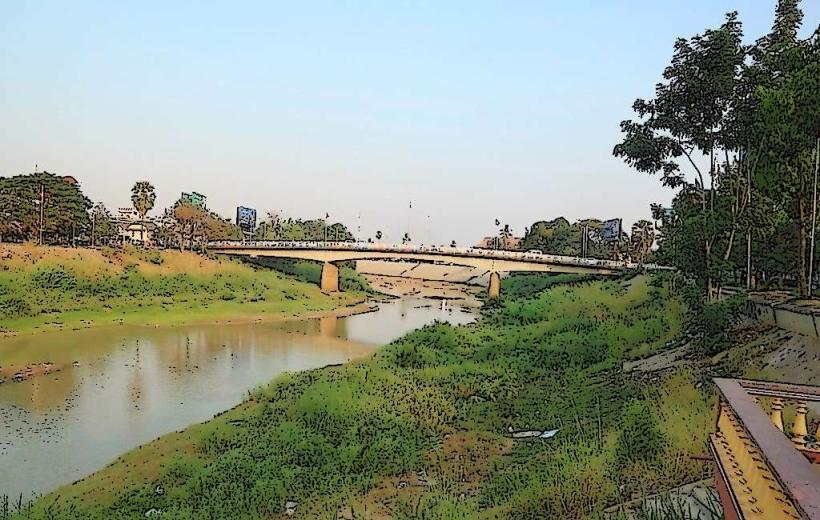
The reserve's visual characteristics change significantly with the seasons. During the dry season (November to April), the lake recedes, exposing large areas of mudflats and agricultural land. The water is typically shallow and can appear muddy brown. During the wet season (May to October), the Tonle Sap River reverses its flow, causing the lake to expand dramatically, inundating surrounding forests and creating a vast, deep body of water. The flooded forests are a defining visual element, with trees partially submerged.
Location & Access Logistics
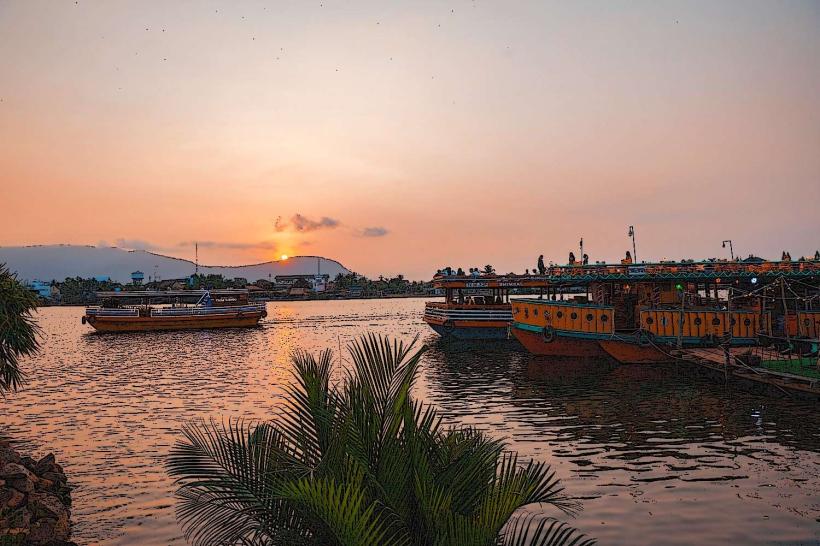
The Tonle Sap Biosphere Reserve is situated in central Cambodia, surrounding the Tonle Sap Lake. Access points vary depending on the specific area of the reserve one wishes to visit. Major access points include Siem Reap (northwest), Battambang (west), and Kampong Thom (east). From Siem Reap, boat tours depart from the Chong Kneas, Kampong Phluk, and Kampong Khleang piers. Chong Kneas is approximately 15km south of Siem Reap. Kampong Phluk is about 25km southwest of Siem Reap. Kampong Khleang is further east, approximately 55km from Siem Reap. Public transport to these piers is generally by tuk-tuk or taxi. Private boat hire is the primary mode of transport on the lake itself.
Historical & Ecological Origin
The Tonle Sap is a natural phenomenon driven by the monsoon cycle and the Mekong River. Its unique hydrological characteristic of reversing flow is a result of the seasonal flooding of the Mekong. During the wet season, the Mekong's high water levels push water up the Tonle Sap River, causing the lake to expand significantly. This expansion is crucial for the ecosystem, creating a vast floodplain that supports biodiversity and provides essential breeding grounds for fish. The reserve was designated a UNESCO Biosphere Reserve in 1997.
Key Highlights & Activities
Activities include boat tours to observe the flooded forests and stilted villages (e.g., Kampong Phluk, Kampong Khleang). Birdwatching is a significant activity, with numerous species present, particularly in the flooded forest areas. Fishing is a primary livelihood for local communities and can be observed. Visiting floating markets and schools provides insight into the unique lifestyle of the lakeside communities. Kayaking is possible in certain areas during the wet season.
Infrastructure & Amenities
Infrastructure varies by location. Major piers like Chong Kneas have basic facilities, including ticket booths and small shops. Restaurants serving local cuisine are often found near the piers. Cell phone signal (2G/3G) is generally available in villages and near populated areas, but can be intermittent on the open lake. Restrooms are typically basic and located at piers or in villages. Shade is provided by trees in flooded forest areas and by boat coverings. Food vendors are common at access points and within villages.
Best Time to Visit
The best time to visit for observing the flooded forests and stilted villages is during the wet season, from July to November, when the water levels are highest. For observing exposed mudflats and agricultural activities, the dry season, from December to May, is more suitable. The peak of the flooding is typically in September or October. For birdwatching, the dry season can offer better visibility of ground-dwelling birds, while the wet season attracts migratory species and provides access to flooded forest habitats.
Facts & Legends
A unique aspect of the Tonle Sap is its role as a natural flood control system for the Mekong Delta. During the wet season, it acts as a reservoir, absorbing excess water from the Mekong. A local legend speaks of a giant serpent or Naga that resides in the lake, controlling its waters and ensuring its bounty.
Nearby Landmarks
- Angkor Wat (7km Northwest of Siem Reap access point)
- Angkor Thom (10km Northwest of Siem Reap access point)
- Ta Prohm (15km Northwest of Siem Reap access point)
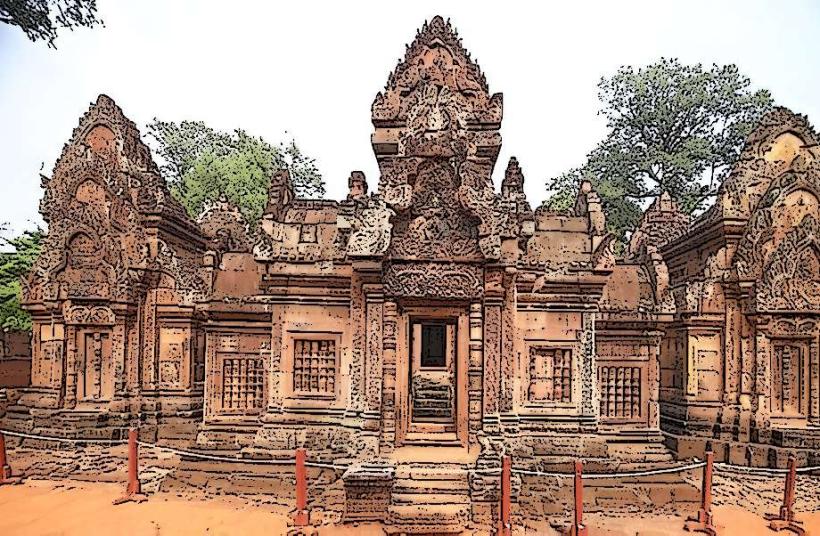
- Banteay Srei (35km North of Siem Reap access point)
- Kulen Mountain (45km Northeast of Siem Reap access point)