Landmark: Berko Archaeological Park
City: Tiberias
Country: Israel
Continent: Asia
Berko Archaeological Park, Tiberias, Israel, Asia
Berko Archeological Park is a sprawling open-air historical site situated at the southern entrance to Tiberias, covering approximately 100 dunams. It preserves the significant remains of the ancient city of Tiberias, founded by Herod Antipas, and serves as an educational and recreational complex illustrating the city's Roman, Byzantine, and Early Islamic history.
Visual Characteristics
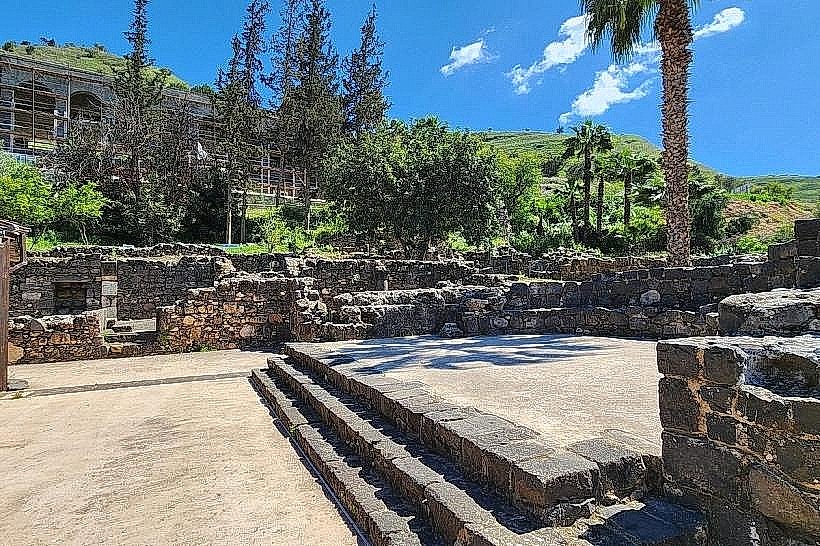
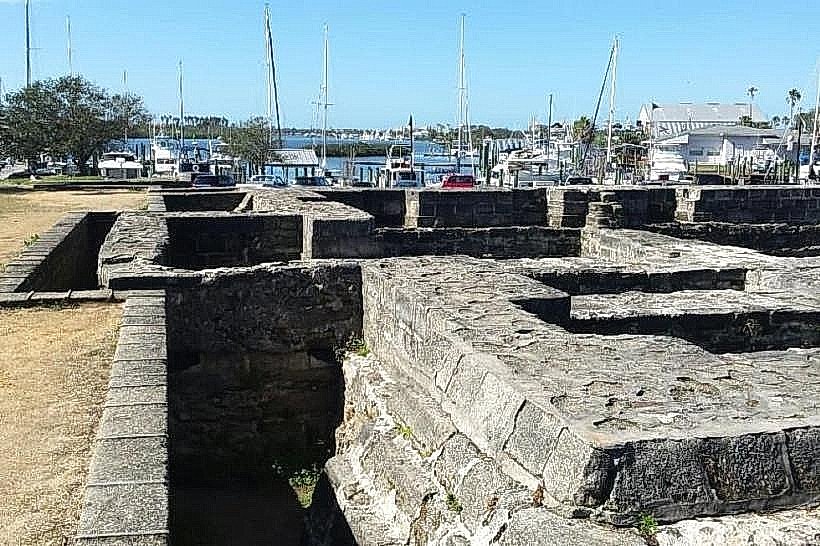
The park is characterized by vast stone-paved plazas and massive basalt rock foundations. The central visual highlight is the Roman Theater, which features reconstructed tiers of stone seating carved into the natural hillside. The landscape includes excavated segments of the ancient city wall, decorative stone gatehouses, and the "Cardo" (main thoroughfare) lined with pillar bases. The terrain is largely flat and exposed, with the dark gray of the basalt ruins contrasting against the seasonal green of the Galilee basin.
Location & Access Logistics
The site is located at the southern gateway of Tiberias, situated between Route 90 and the Sea of Galilee shoreline. It is approximately 2 km south of the modern city center. Access by car is provided via a large, paved parking lot located directly at the park entrance. Public transport access is available through Egged bus lines 5, 28, and 31, which stop at the park's main gate. The site is positioned within walking distance of the Tiberias Hot Springs and Hamat Tiberias National Park.
Historical & Ecological Origin
The park sits on the historical site of the city of Tiberias, which served as the capital of the Galilee in the 1st century CE. The area is geologically part of the Jordan Rift Valley, characterized by volcanic basalt formations that were the primary building material for the ancient city. Archaeological excavations have uncovered the southern city gate, a stadium, and a bathhouse complex, documenting over 1,000 years of continuous urban habitation.
Key Highlights & Activities
The Roman Theater is the primary attraction, often used today as a venue for modern cultural performances and light shows. Visitors can explore the "Museum of the City" located on-site, which displays smaller artifacts like pottery, coins, and inscriptions found during excavations. The park features a dedicated "Extreme Park" area for children, including climbing walls and rope bridges integrated into the recreational zones. Guided tours often focus on the transition from Roman paganism to the center of Jewish scholarship in the Byzantine era.
Infrastructure & Amenities
The facility includes a visitor center, public restrooms, and an air-conditioned reception area. While much of the site is open and exposed, there are shaded picnic areas with benches and tables. The park is equipped with 5G cellular coverage. Most of the primary paths are paved and accessible, though some archaeological pits and elevated theater sections require climbing stone steps. There is no full-service restaurant on-site, but vending machines are available, and the Tiberias hotel district is 1 km away.
Best Time to Visit
The park is generally open Sunday through Thursday and Saturdays from 12:00 to 18:00, but is closed on Fridays. The optimal time for photography is the late afternoon (16:00–18:00) when the sun descends behind the Poriya ridge, casting long shadows across the basalt ruins and the theater. Spring (February–April) is the ideal season for visiting, as the site is covered in wildflowers and temperatures are moderate.
Facts & Legends
A historical oddity of the site is that it contains one of the few Roman theaters in the region that faced north, away from the sun, to keep spectators in the shade during afternoon performances. Local archaeological lore suggests that the massive basalt gates of the city were designed to be earthquake-resistant, which is why they remained standing when much of the surrounding residential areas were destroyed in the 8th-century earthquake.
Nearby Landmarks
Hamat Tiberias National Park – 0.5km South
Tiberias Hot Springs – 0.4km Southeast
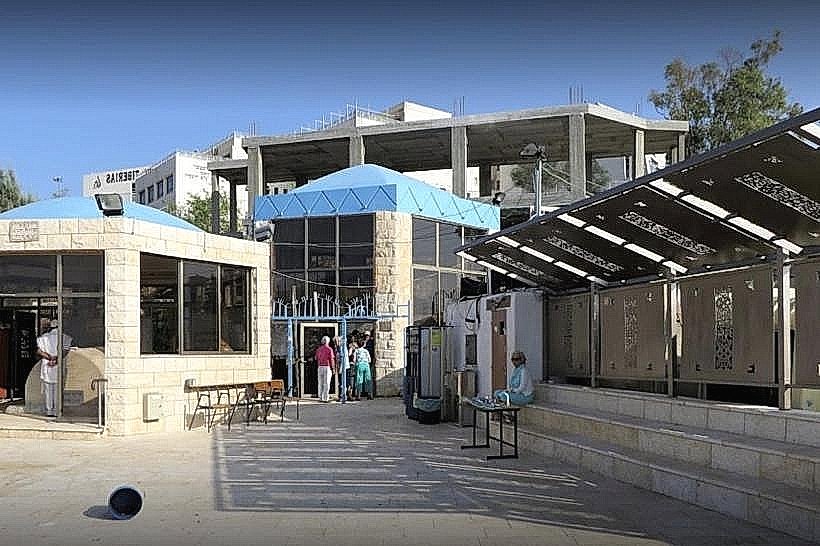
Tomb of Maimonides – 1.8km North
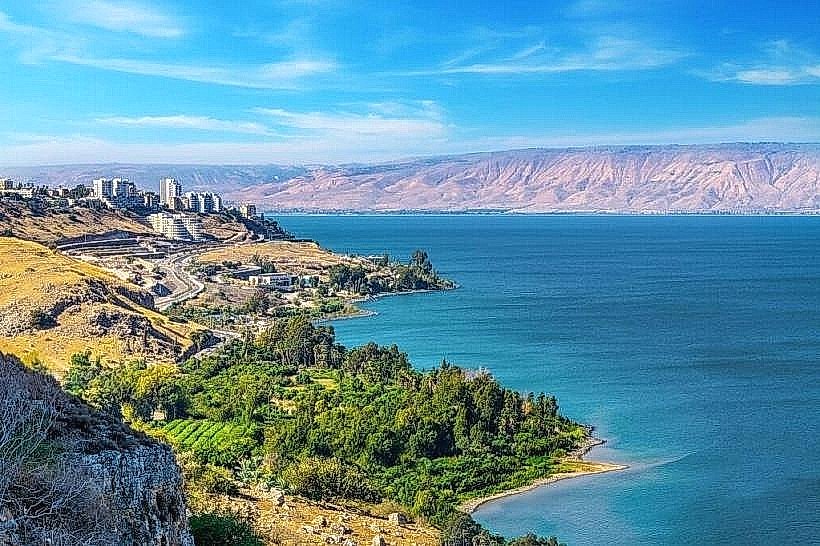
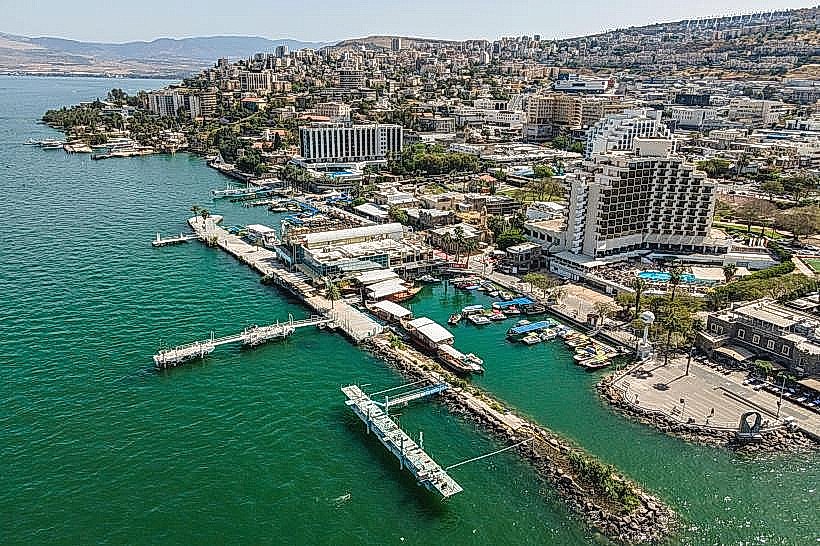
Sea of Galilee – 0.2km East
Tiberias Promenade – 2.2km North