Landmark: Tomb of Rabbi Akiva
City: Tiberias
Country: Israel
Continent: Asia
Tomb of Rabbi Akiva, Tiberias, Israel, Asia
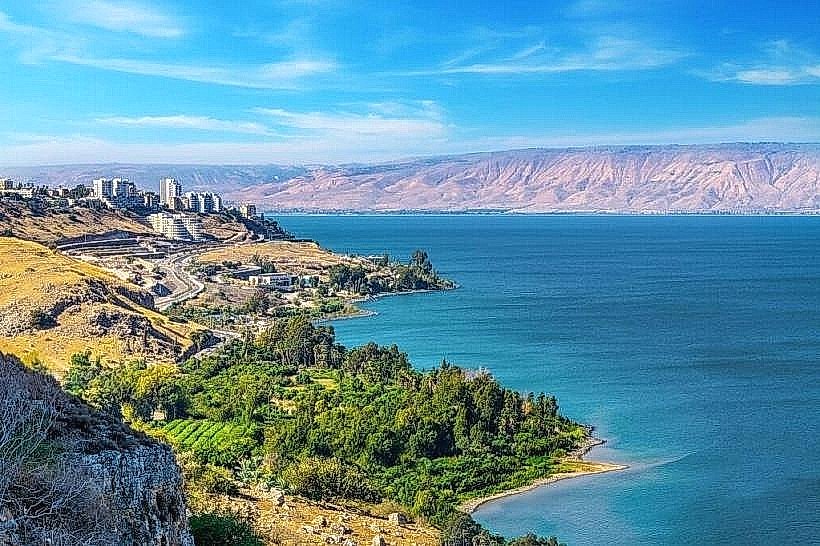
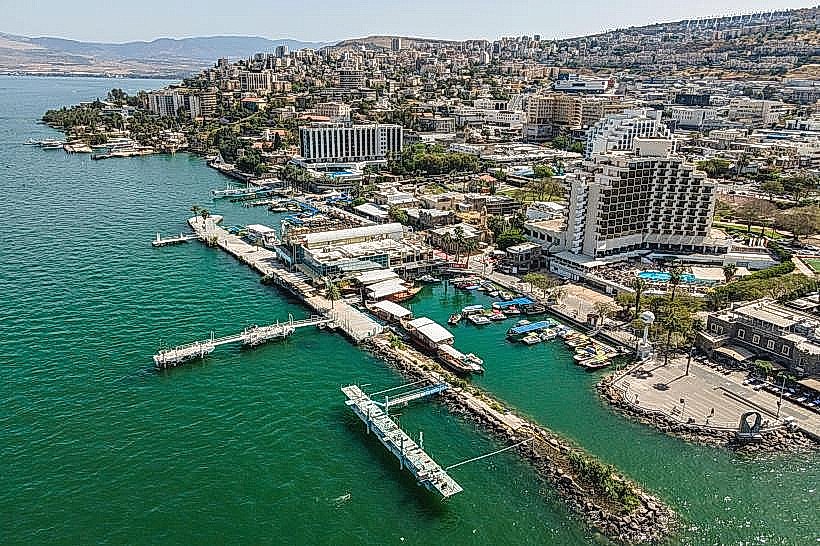
The Tomb of Rabbi Akiva is a religious landmark located on a steep hillside in the western part of Tiberias, overlooking the Sea of Galilee. It serves as a major pilgrimage site dedicated to the 2nd-century Tannaitic scholar and spiritual leader who was executed by the Romans following the Bar Kokhba revolt.
Visual Characteristics
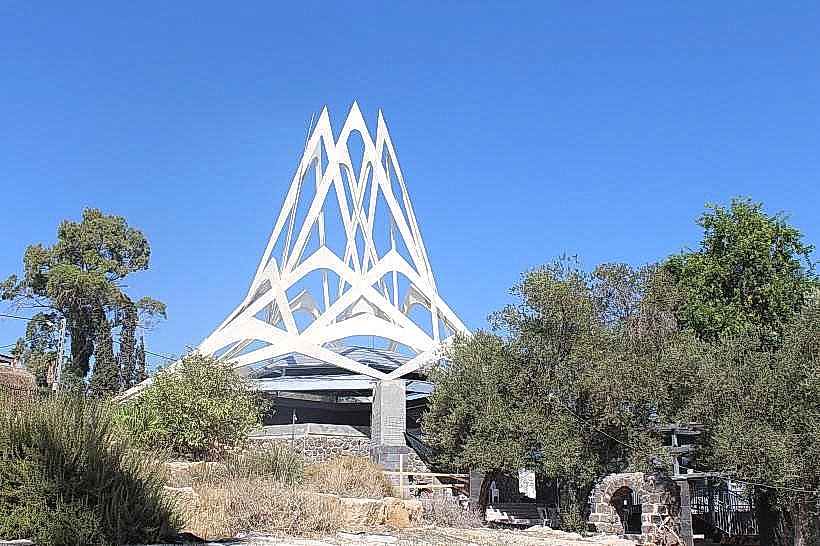
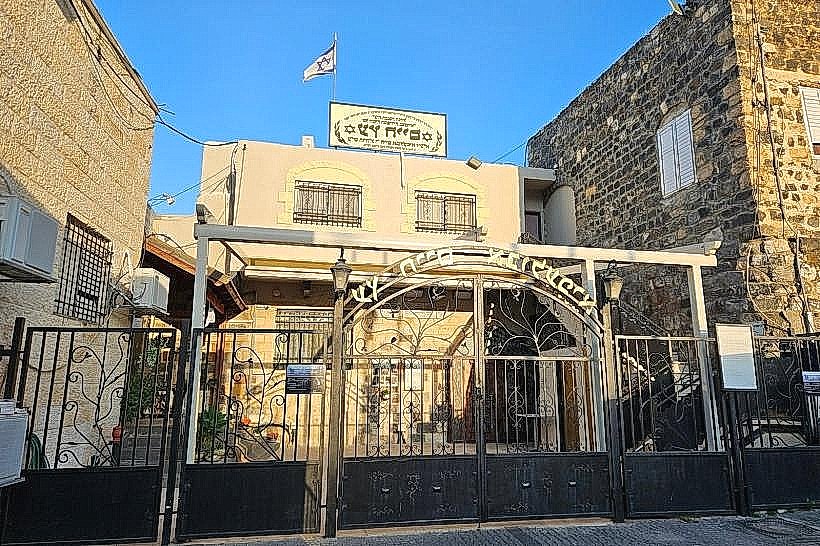
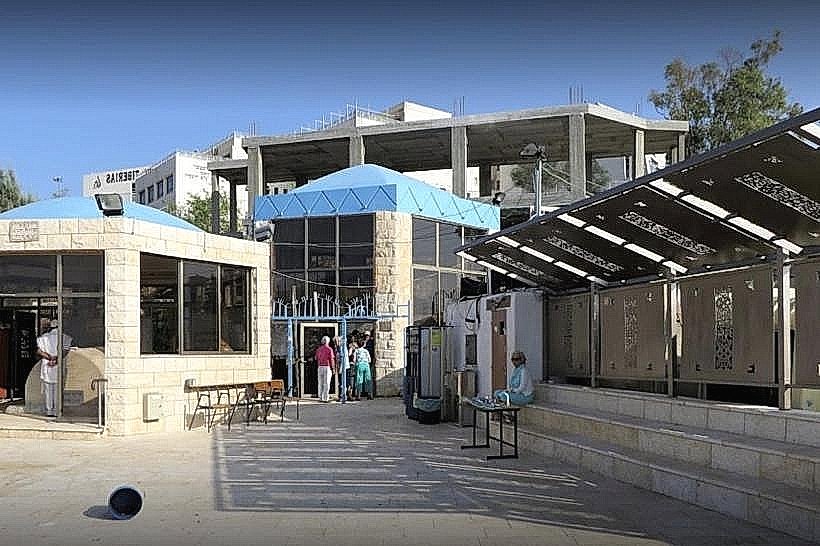
The tomb is housed within a modern masonry structure characterized by a prominent white dome and whitewashed exterior walls. The interior features a central prayer hall divided by a partition (mechitza) for gender-separated worship, with the cenotaph itself draped in embroidered velvet. The building is constructed from a mix of local basalt and limestone, reflecting the traditional materials of the Galilee. Its position on a high limestone ridge provides a stark vertical profile against the surrounding green slopes.
Location & Access Logistics
The site is situated at the end of Rabbi Akiva Street in the upper residential district of Tiberias. It is approximately 2.5km west of the city center and the lakefront. Access by car is via the winding ascent of Route 77 or Gedud Barak Street. A small, paved parking area is available directly adjacent to the tomb complex. Public transport is provided by local Egged bus lines 4, 5, and 6, which stop within 300 meters of the entrance.
Historical & Ecological Origin
Rabbi Akiva was one of the ten martyrs executed in Caesarea around 135 CE, and according to tradition, his body was brought to this location for burial. The current structure is a 20th-century renovation of much older, simpler burial markers. Geologically, the tomb is perched on a basaltic and limestone formation on the eastern slopes of the Poriya ridge, part of the complex volcanic and sedimentary landscape of the Jordan Rift Valley.
Key Highlights & Activities
The primary activity is religious pilgrimage, involving the recitation of Psalms and traditional Jewish prayers at the graveside. Visitors often light memorial candles in designated metal stands. The outdoor terrace provides an expansive viewpoint of the Sea of Galilee, the city of Tiberias, and the Golan Heights. Many visitors combine a visit here with a stop at the nearby tomb of the Ramchal.
Infrastructure & Amenities
The complex includes a small synagogue and study hall (kollel) where visitors can sit. Public restrooms are located near the main entrance. A small kiosk often operates nearby selling candles, prayer books, and water, though full food services are not available on-site. The area is equipped with 5G cellular signal. Shade is provided by the interior of the tomb building and a small covered portico at the entrance.
Best Time to Visit
The site is open 24 hours a day for prayer. The most significant time to visit is during the annual yahrzeit (anniversary of death) or during the Lag BaOmer holiday, though these times result in extreme crowding. For photography, early morning is optimal as the sun rises over the Golan Heights, illuminating the white dome and the lake below.
Facts & Legends
According to local lore, the specific location of the tomb was revealed through a dream to a medieval kabbalist. Rabbi Akiva is famously remembered for his late start in scholarship-beginning his studies at age 40-and his ultimate martyrdom where he recited the Shema Yisrael. A unique tip for visitors is to walk 50 meters north of the tomb to find the best unobstructed panoramic view of the Galilee without the fence lines.
Nearby Landmarks
Tomb of the Ramchal (Rabbi Moshe Chaim Luzzatto) – 0.1km East
Tiberias Old Cemetery – 1.8km Southeast
Berko Archaeological Park – 2.4km Southeast
Tomb of Maimonides (The Rambam) – 2.0km East
Swiss Forest – 1.5km Southwest