Landmark: Tomb of Maimonides
City: Tiberias
Country: Israel
Continent: Asia
Tomb of Maimonides, Tiberias, Israel, Asia
The Tomb of Maimonides, known in Hebrew as the Kever HaRambam, is a prominent religious site located in the city center of Tiberias, Israel. it marks the burial place of Rabbi Moshe ben Maimon, the 12th-century philosopher, physician, and codifier of Jewish law who died in Egypt and was reinterred here according to his final wishes.
Visual Characteristics
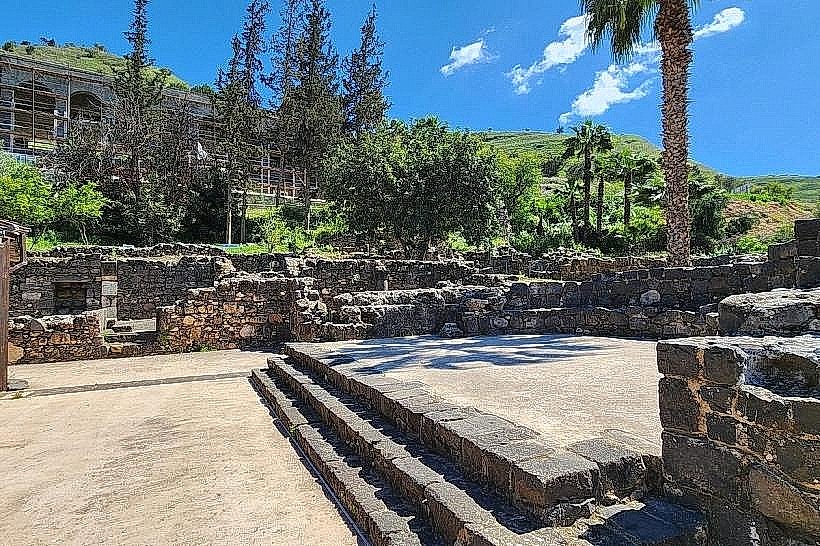
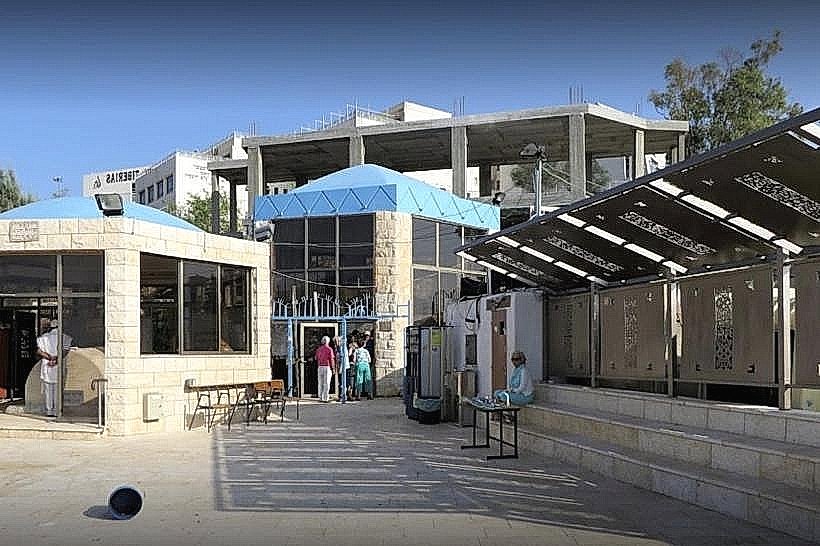
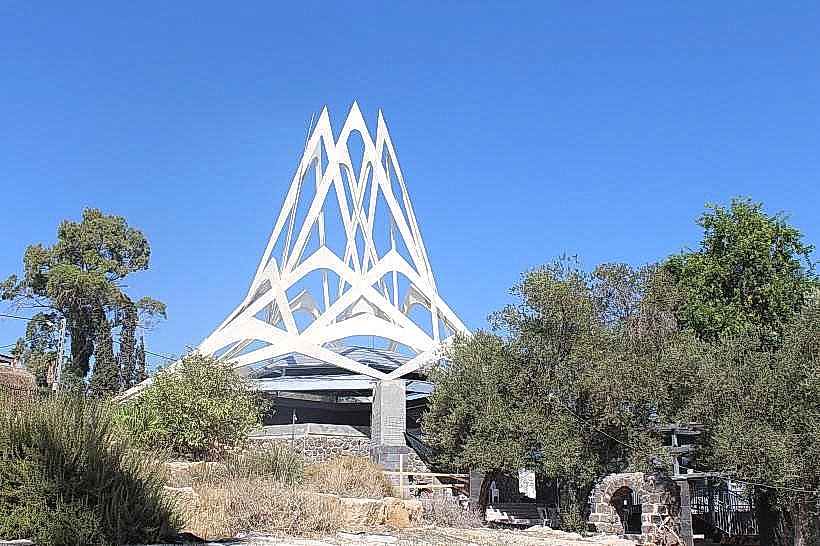
The tomb is situated within a large, circular open-air plaza paved with light-colored stone. The central feature is a modern, dark metal canopy shaped like a stylized crown or tent, which protects the grave markers. Seven large metal pillars surround the central area, representing the seven branches of the Menorah or the pillars of wisdom. The cenotaphs are made of polished basalt and limestone, inscribed with the names of Maimonides and other scholars buried adjacent to him. The surrounding walls are made of dark basalt, reflecting the volcanic geology of the Tiberias region.
Location & Access Logistics
The site is located on Ben Zvi Street, approximately 500 meters west of the Sea of Galilee shoreline in the heart of Tiberias. Access is via Route 77 or HaYarden Street. Public transport is highly accessible, with the Tiberias Central Bus Station located 400 meters to the north, served by Egged lines 5, 7, and 8. A paid public parking lot is situated directly across from the entrance. The site is easily reached on foot from most downtown hotels.
Historical & Ecological Origin
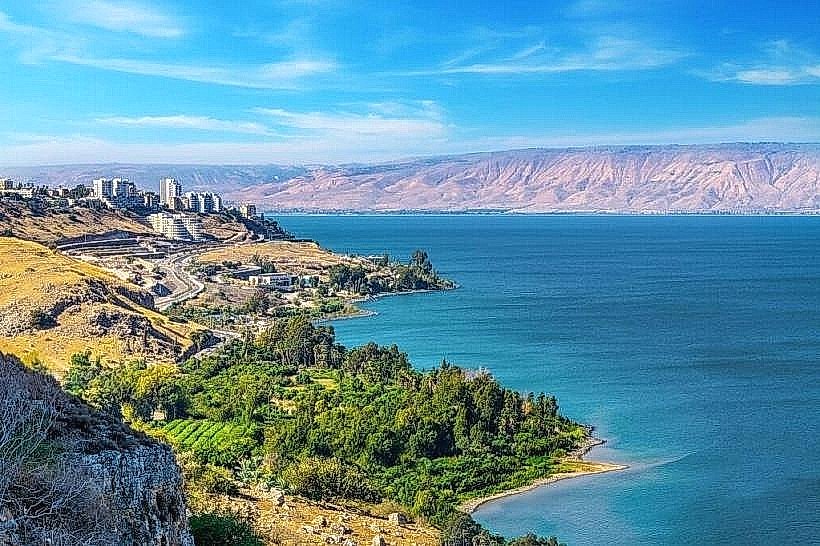
Maimonides died in Fustat, Egypt, in 1204. Tradition holds that his remains were transported by camel to the Land of Israel; the animal reportedly stopped at this specific spot and refused to move, signaling the burial site. The current architectural complex was designed in the mid-20th century to formalize the pilgrimage site. Geologically, the tomb sits on the basaltic slopes of the Jordan Rift Valley, characterized by dark volcanic rock and proximity to the Tiberias hot springs.
Key Highlights & Activities
The primary activity is religious pilgrimage and study. Visitors often recite passages from Maimonides' works, such as the Mishneh Torah or The Guide for the Perplexed. A small visitor center on-site provides historical context regarding his life and medical contributions. The tomb complex also contains the graves of other notable sages, including Rabbi Yochanan ben Zakai and Rabbi Eliezer ben Hurcanus. It is common to see visitors lighting memorial candles in the designated areas near the entrance.
Infrastructure & Amenities
The complex includes a small synagogue and an air-conditioned study hall. Public restrooms are located at the rear of the plaza. The site is fully ADA-compliant with ramps providing access to the central tomb area. While there are no food vendors inside the gates, the tomb is surrounded by the main commercial district of Tiberias, offering numerous restaurants and cafes within a 5-minute walk. Full 5G cellular signal is available.
Best Time to Visit
The site is open 24 hours a day. The most significant day of the year is the 20th of Tevet, the anniversary of Maimonides' death, when thousands of pilgrims congregate. For a quieter experience, weekday mornings (08:00–10:00) are recommended. Photography is allowed, though visitors should dress modestly and respect those in prayer. The late afternoon light provides a softer glow on the metal canopy and the basalt walls.
Facts & Legends
A famous inscription on the tomb reads: "From Moses to Moses, there arose none like Moses," comparing Maimonides to the biblical Prophet Moses. A local legend states that during the construction of the modern canopy, workers discovered ancient tunnels beneath the site that were believed to lead toward the Sea of Galilee, though these were sealed to preserve the integrity of the graves.
Nearby Landmarks
Tomb of the Matriarchs – 0.6km North
St. Peter's Church – 0.5km East
Tiberias Promenade – 0.6km East
Berko Archaeological Park – 1.8km South
Tomb of Rabbi Akiva – 2.0km West