Landmark: Borobudur Temple
City: Yogyakarta
Country: Indonesia
Continent: Asia
Borobudur Temple, Yogyakarta, Indonesia, Asia
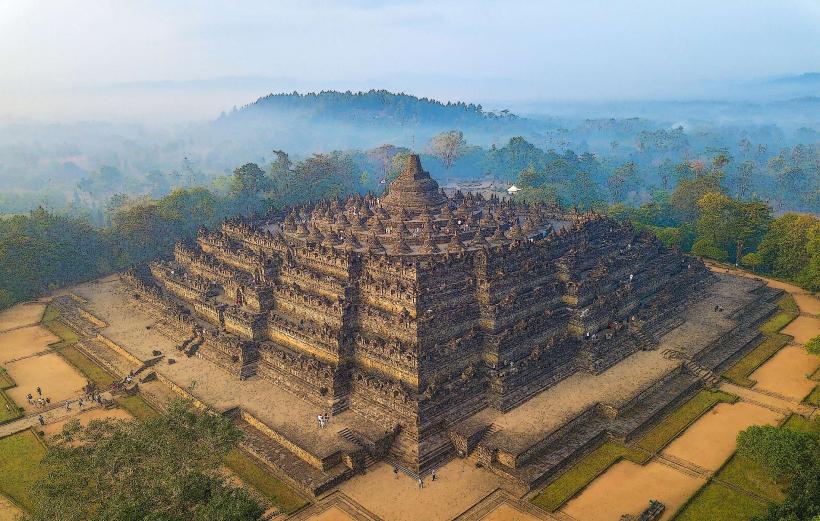
Borobudur Temple is a 9th-century Mahayana Buddhist temple located in Magelang, Central Java, Indonesia, near Yogyakarta.
This massive structure is composed of volcanic stone and features a tiered design with nine stacked platforms, six square and three circular, topped by a central dome. The temple is adorned with over 2,600 relief panels and 504 Buddha statues, primarily constructed from andesite stone.
Visual Characteristics
The temple's primary construction material is andesite stone, giving it a greyish hue. It rises in a stepped pyramid form, with the lower six levels being square and the upper three circular. The exterior walls are covered with intricate relief carvings depicting Buddhist narratives and Javanese life. The central stupa sits at the apex of the structure.
Location & Access Logistics
Borobudur Temple is situated approximately 40 kilometers northwest of Yogyakarta city center. Access is via Jalan Borobudur. Private vehicle parking is available on-site. Public transportation options include local buses from Yogyakarta's Jombor Bus Terminal, which run regularly. The journey typically takes 1 to 1.5 hours.
Historical & Ecological Origin
Construction of Borobudur Temple is estimated to have begun around 780 AD and was completed by 830 AD under the Sailendra Dynasty. Its original purpose was as a Buddhist pilgrimage site and a representation of the Buddhist cosmology, Mount Meru. The temple is built on a natural hill, with its structure designed to mimic the Buddhist concept of the universe.
Key Highlights & Activities
Visitors can walk the circumambulatory paths on each level, observing the relief panels. Climbing to the upper circular terraces provides views of the surrounding landscape. Photography is permitted. Sunrise and sunset viewing sessions are offered, requiring separate booking.
Infrastructure & Amenities
Restrooms are available near the entrance and parking areas. Shaded rest areas are located within the temple complex. Cell phone signal (4G) is generally available. Food vendors and small restaurants are situated outside the temple complex and in the nearby village.
Best Time to Visit
For optimal lighting conditions for photography, early morning (sunrise) or late afternoon (sunset) is recommended. The dry season, from April to October, offers the most favorable weather. Visiting during weekdays, outside of Indonesian public holidays, can reduce crowd density.
Facts & Legends
A local belief suggests that touching the hand of a specific Buddha statue within one of the perforated stupas on the upper levels grants good fortune. The temple was rediscovered in the early 19th century by Sir Thomas Stamford Raffles, the British governor of Java.
Nearby Landmarks
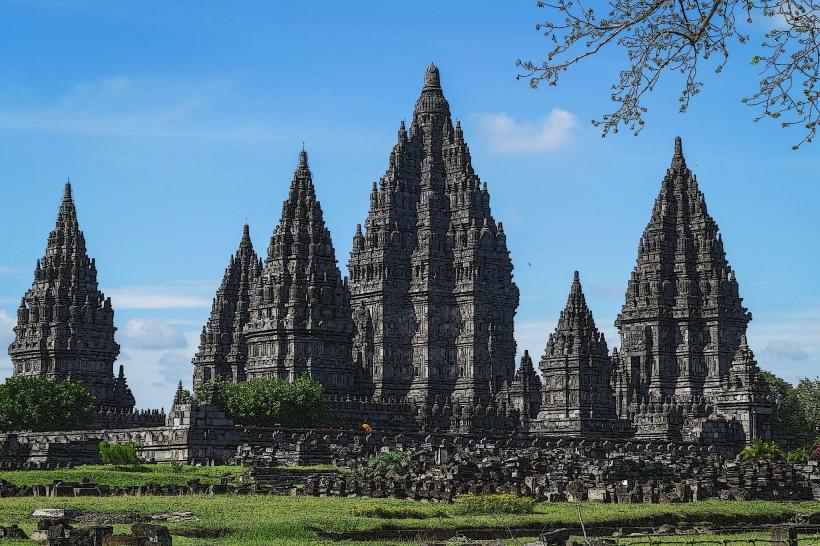
- Prambanan Temple (17km East)
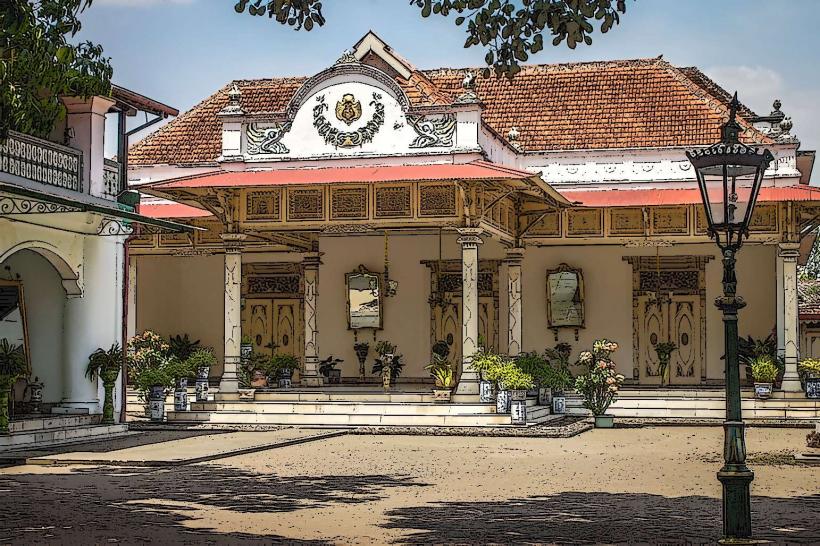
- Sultan's Palace (Kraton Yogyakarta) (40km Southeast)
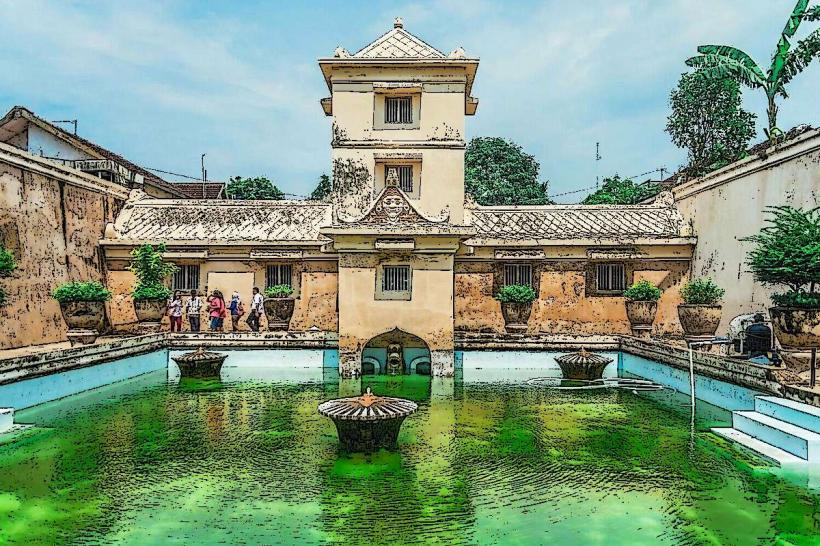
- Taman Sari Water Castle (41km Southeast)
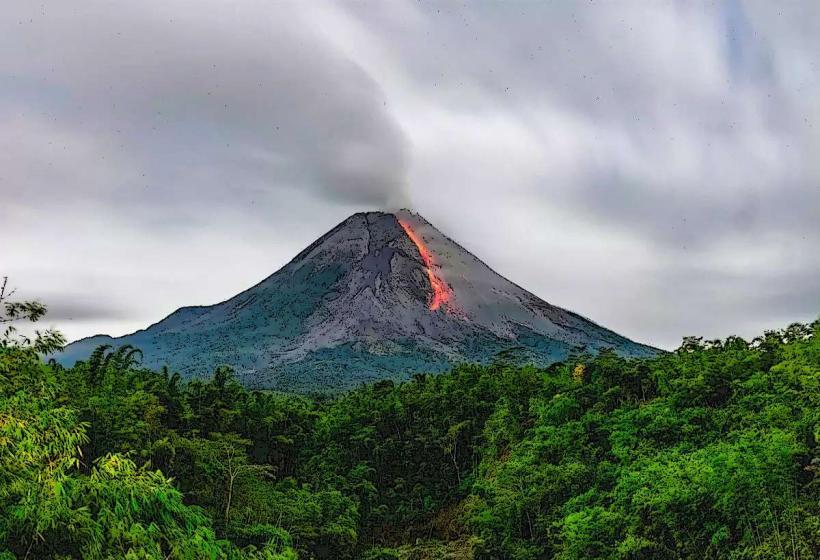
- Mount Merapi (45km Northeast)