Landmark: Candi Sewu
City: Yogyakarta
Country: Indonesia
Continent: Asia
Candi Sewu, Yogyakarta, Indonesia, Asia
Candi Sewu is a 9th-century Mahayana Buddhist temple complex located in Prambanan, Yogyakarta, Indonesia.
It is the second-largest Buddhist temple in Indonesia after Borobudur.
Visual Characteristics
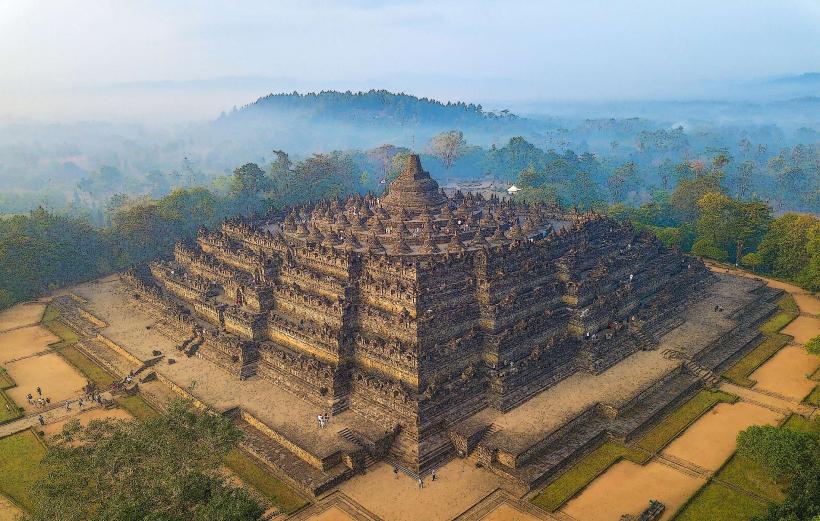
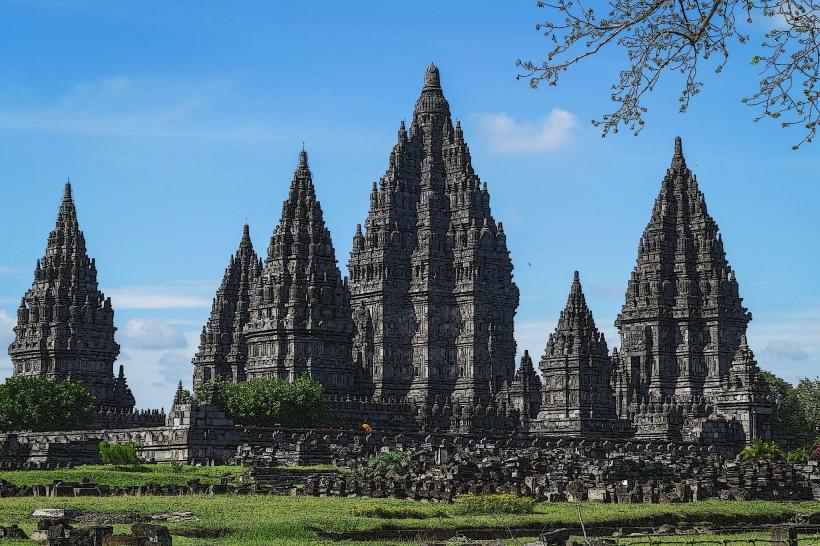
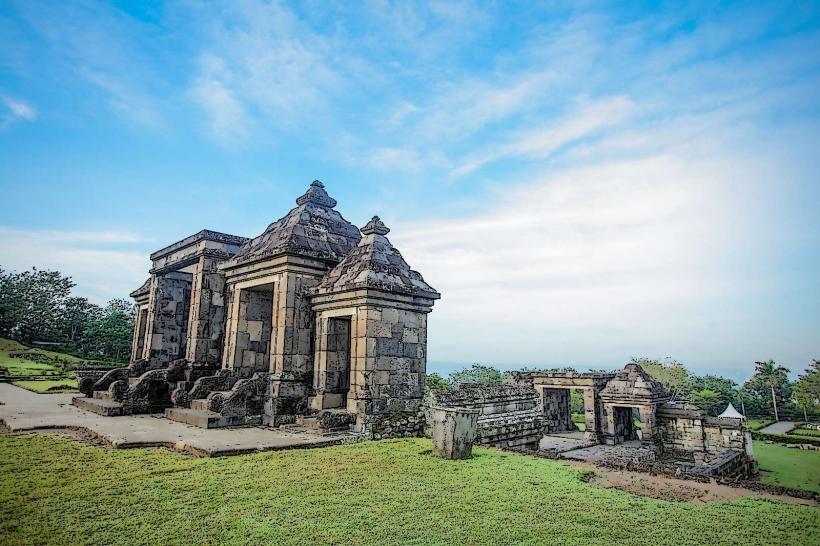
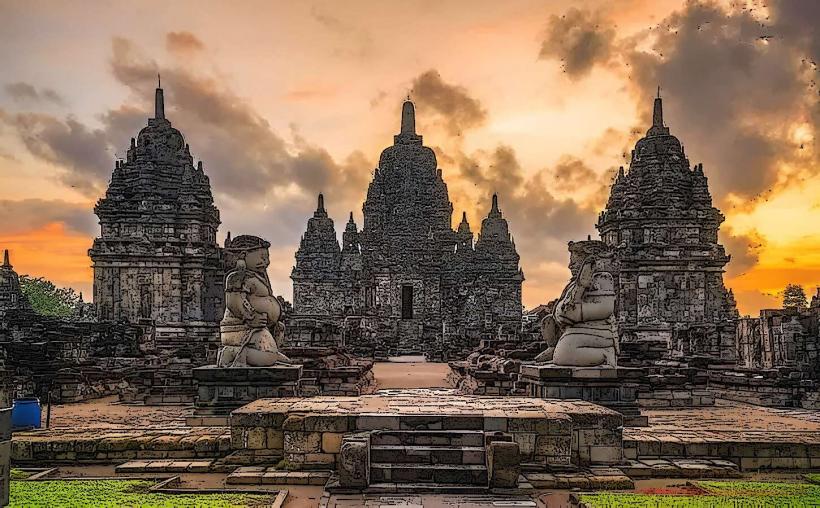
The main temple structure is composed of andesite stone. It is a large, multi-tiered structure with a central sanctuary and surrounding smaller temples. The complex originally featured a large central temple and 240 smaller pervara temples arranged in concentric rows. The remaining structures exhibit intricate carvings, including depictions of Buddhist deities and narrative scenes. The color of the stone is a weathered grey-brown.
Location & Access Logistics
Candi Sewu is situated approximately 1.5 kilometers north of the Prambanan Temple complex. Access is via Jalan Raya Solo-Yogya, a major arterial road. From Yogyakarta city center, it is approximately 17 kilometers east. Parking is available at the designated area near the Prambanan Temple complex entrance, with a short walk or shuttle service to Candi Sewu. TransJogja bus line 1A stops at the Prambanan terminal, from which Candi Sewu is accessible by foot.
Historical & Ecological Origin
Candi Sewu was constructed during the Sailendra Dynasty, likely in the mid-8th century CE, and completed in the early 9th century CE. Its original purpose was as a Mahayana Buddhist monastery and place of worship. The complex was built on a flat alluvial plain, typical of the region's geological formation.
Key Highlights & Activities
Exploration of the main temple structure and the surrounding pervara temple ruins is the primary activity. Visitors can observe the remaining architectural elements and stone carvings. Photography of the temple structures is permitted. No guided tours are currently offered on a fixed schedule, but local guides may be available for hire at the Prambanan complex.
Infrastructure & Amenities
Restrooms are available at the main Prambanan Temple complex. Shade is limited within the Candi Sewu site itself, primarily provided by existing trees. Cell phone signal (4G/5G) is generally available. Food vendors are located at the Prambanan Temple complex entrance, not directly at Candi Sewu.
Best Time to Visit
The best time of day for photography is during the early morning or late afternoon to utilize softer light. The dry season, from April to October, offers the most favorable weather conditions. There are no tidal considerations for visiting Candi Sewu.
Facts & Legends
Local legend states that Candi Sewu was built by the king of Boko in a single night to win the hand of Princess Loro Jonggrang. The name "Sewu" translates to "a thousand" in Javanese, referring to the numerous temples believed to have once stood there, though the actual number was closer to 240.
Nearby Landmarks
- Prambanan Temple Complex (0.5km South)
- Ratu Boko Palace (2.0km Southwest)
- Taman Wisata Candi Prambanan (0.7km South)
- Museum Prambanan (0.6km South)