Landmark: Prambanan Temple
City: Yogyakarta
Country: Indonesia
Continent: Asia
Prambanan Temple, Yogyakarta, Indonesia, Asia
Prambanan Temple is a 9th-century Hindu temple complex located in Special Region of Yogyakarta, Indonesia. It is dedicated to the Trimurti, the expression of God as the Creator, Preserver, and Destroyer.
Visual Characteristics
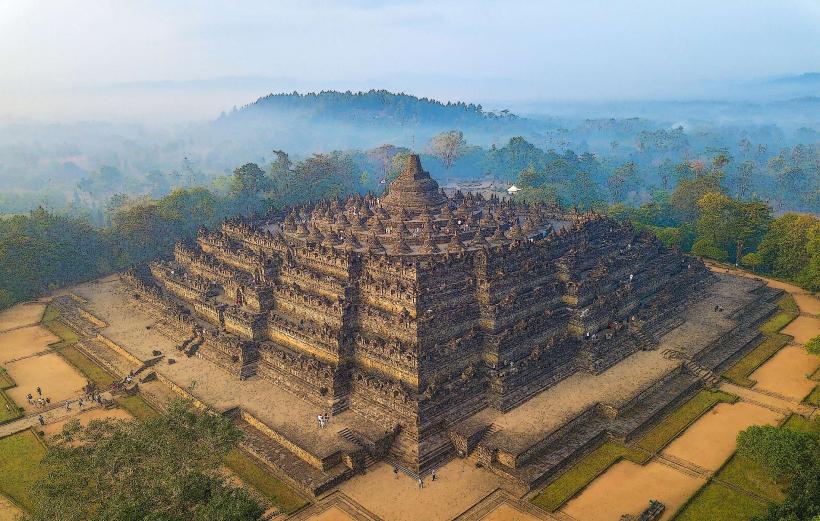
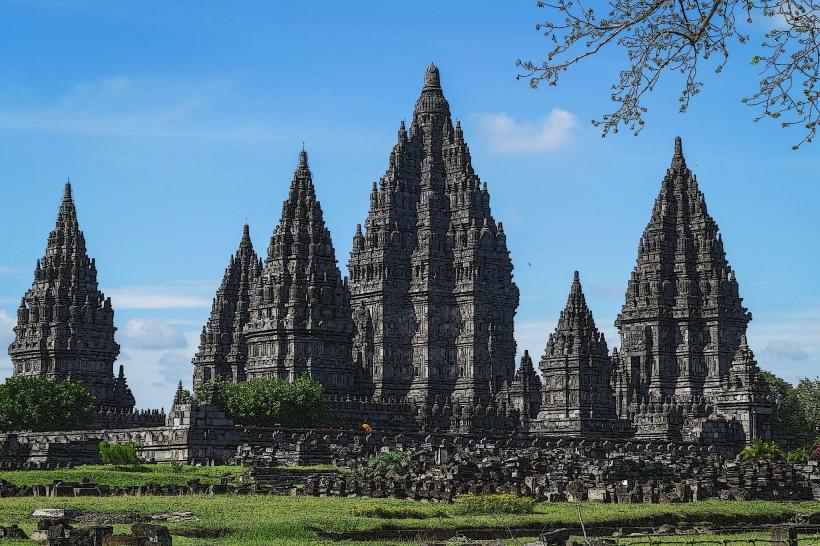
The complex comprises over 200 temples, with the three main temples dedicated to Brahma, Vishnu, and Shiva. These structures are constructed from red volcanic stone and stand at heights of up to 47 meters. Intricate relief carvings depicting the Ramayana epic adorn the temple walls. The central Shiva temple is the tallest and most prominent.
Location & Access Logistics
Prambanan Temple is situated approximately 17 kilometers northeast of Yogyakarta city center. Access is via Jalan Raya Solo-Yogya. Ample parking is available on-site for private vehicles. TransJogja bus route 1A serves the temple directly from various points in Yogyakarta. Taxis and ride-sharing services are also readily available.
Historical & Ecological Origin
Construction of Prambanan Temple began in the mid-9th century CE, attributed to the Mataram Kingdom. The original purpose was to honor the gods and serve as a place of worship. The site is built on a foundation of volcanic rock, typical of the geological makeup of the region.
Key Highlights & Activities
Visitors can explore the main temples, including the Shiva, Vishnu, and Brahma temples. Walking the perimeter of the complex provides views of the smaller shrines. Ramayana ballet performances are held on a stage near the temple complex on select evenings. Photography is permitted within the grounds.
Infrastructure & Amenities
Restrooms are located near the entrance and within the complex. Shaded areas are available in designated spots. Cell phone signal (4G) is generally consistent. Food vendors and small shops are situated outside the main temple entrance.
Best Time to Visit
For optimal lighting for photography, visit in the early morning (07:00-09:00) or late afternoon (15:00-17:00). The dry season, from April to October, offers the most favorable weather conditions. There are no tide-dependent access requirements.
Facts & Legends
Local legend states that the temple was built by a prince named Bandung Bondowoso in a single night to win the hand of Princess Loro Jonggrang. He was said to have commanded thousands of djinn to assist him. The temple's construction is a testament to advanced architectural and engineering skills of the era.
Nearby Landmarks
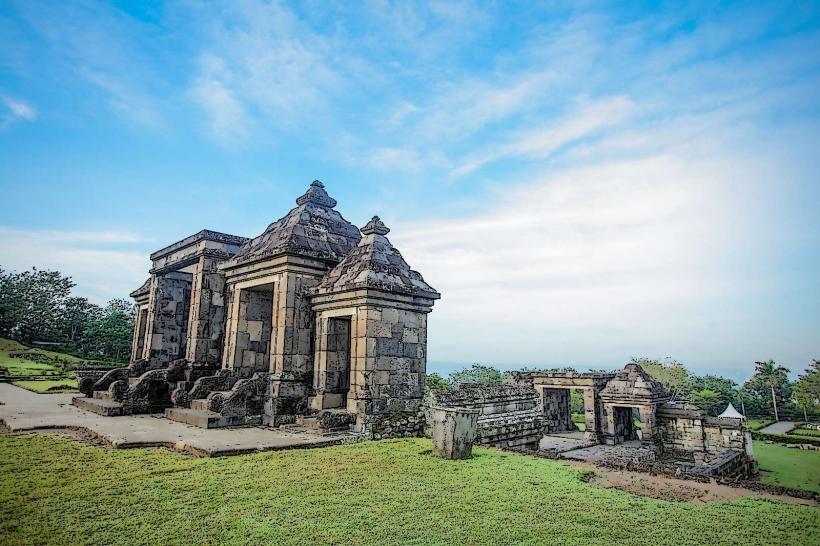
- Ratu Boko Palace (1.5km Southwest)
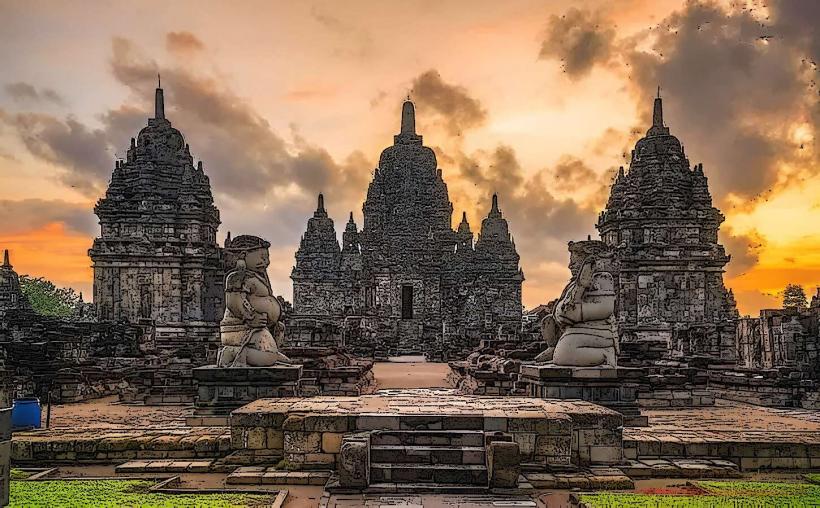
- Candi Sewu (1.5km North)
- Candi Lumbung (1.8km North)
- Candi Bubrah (1.9km North)