Landmark: Ratu Boko Temple
City: Yogyakarta
Country: Indonesia
Continent: Asia
Ratu Boko Temple, Yogyakarta, Indonesia, Asia
Ratu Boko Temple is an archaeological site located on a plateau south of Yogyakarta, Indonesia.
It is a complex of structures believed to have served as a palace or religious complex.
Visual Characteristics
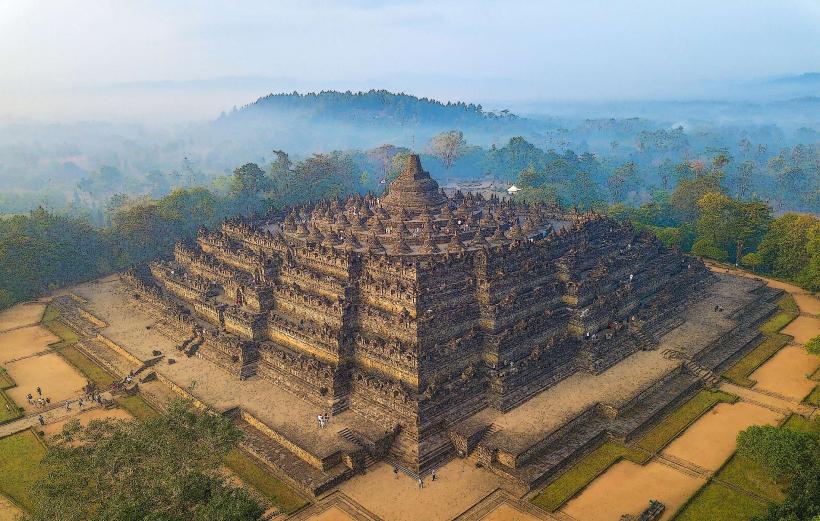
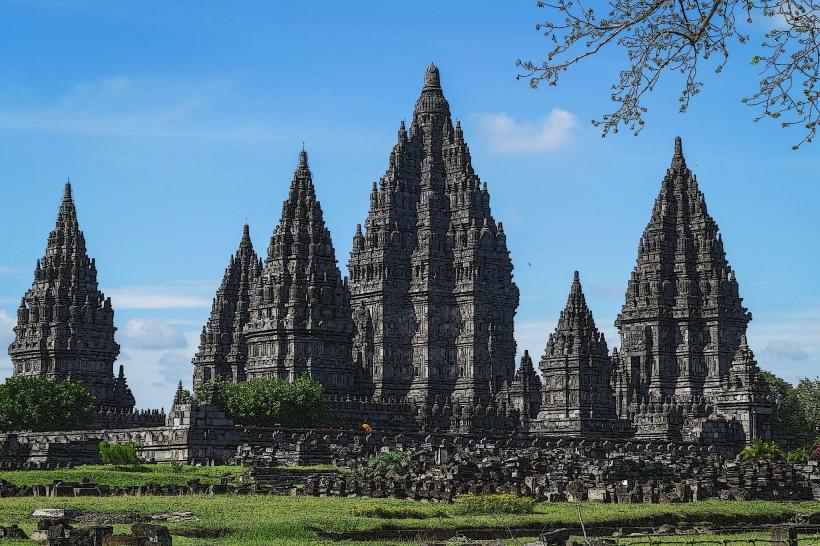
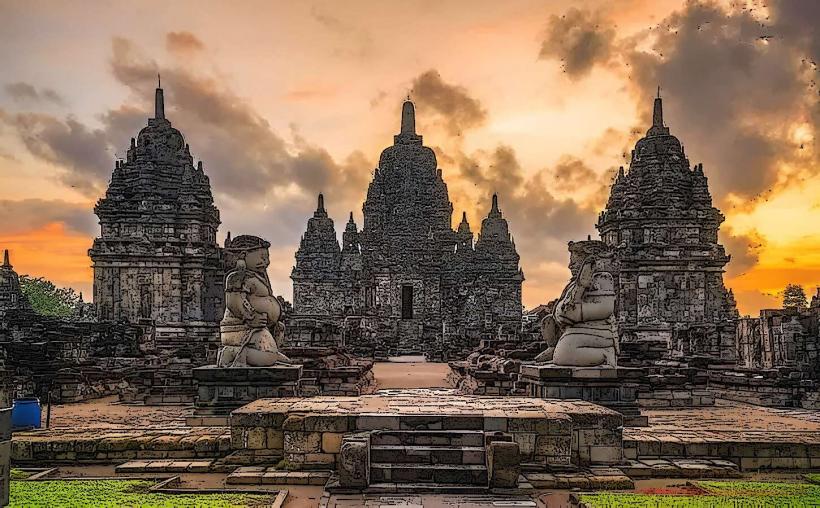
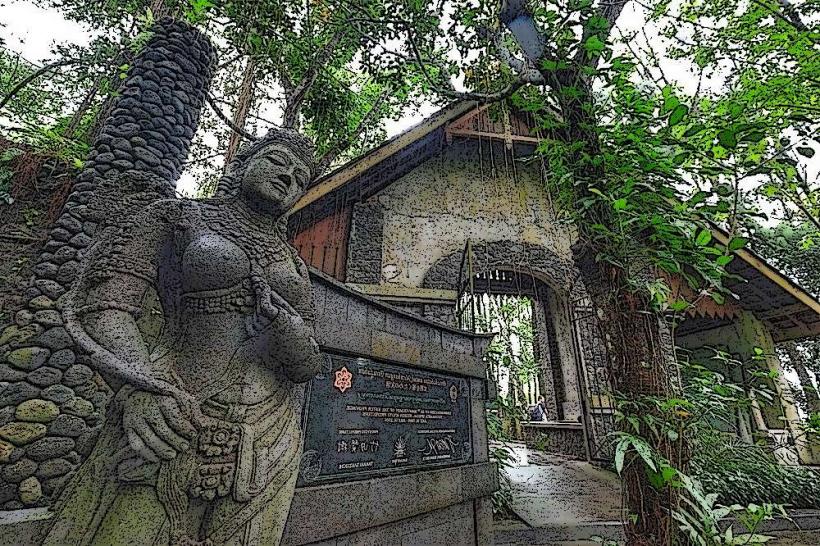
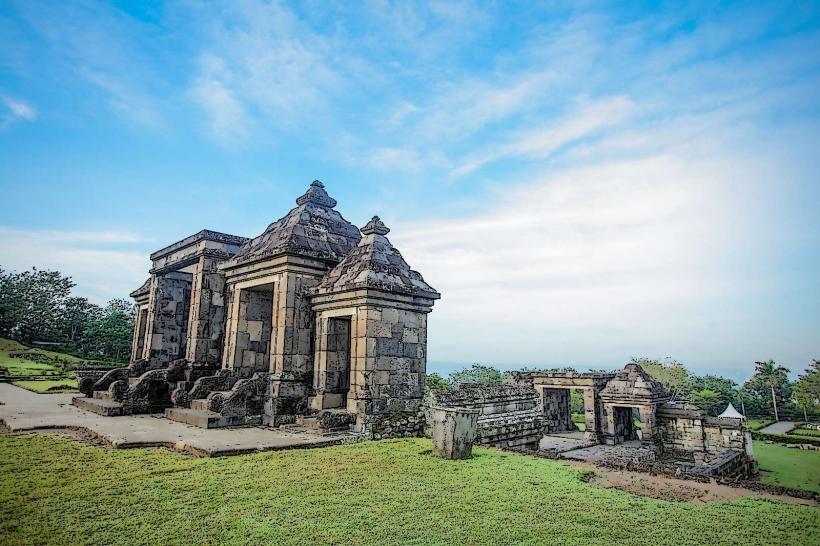
The site features stone structures constructed from andesite rock. The primary visible elements include a large gateway, terraces, and foundations of former buildings. The stone is weathered and exhibits a natural grey-brown coloration. The plateau offers an elevated perspective over the surrounding landscape.
Location & Access Logistics
Ratu Boko Temple is situated approximately 5 kilometers south of Yogyakarta city center. Access is via Jalan Raya Yogyakarta-Wonosari. Parking is available on-site. Public transport options include local buses heading towards Wonosari; disembark at the Ratu Boko stop. TransJogja bus corridor 1A stops near the entrance.
Historical & Ecological Origin
The site's construction is attributed to the Sailendra Dynasty, likely between the 8th and 9th centuries CE. Its original purpose is debated, with theories suggesting it was a royal palace, a religious complex, or a combination of both. The plateau itself is a natural geological formation.
Key Highlights & Activities
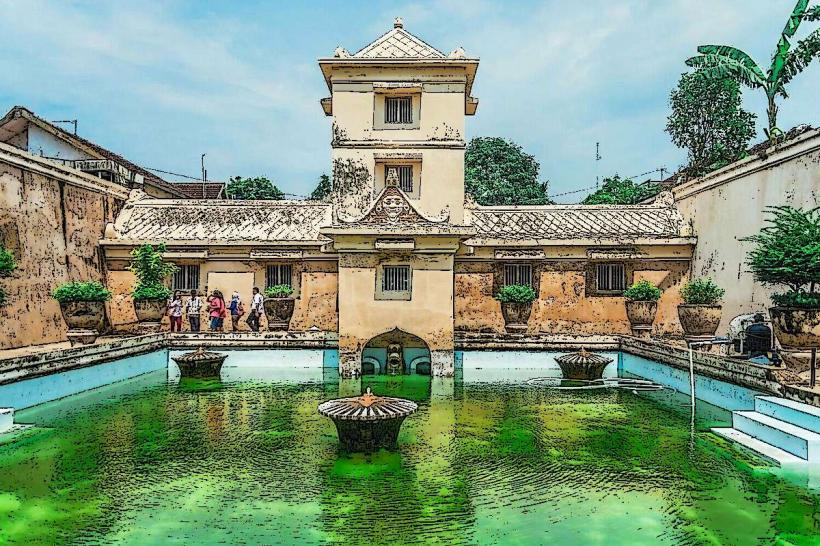
Visitors can explore the main gateway, the bathing pool area, and the foundations of various structures. Observation points offer views of the Prambanan plain. Photography is permitted throughout the site. Walking the perimeter of the plateau is possible.
Infrastructure & Amenities
Restrooms are available near the entrance. Limited shaded areas are present. Cell phone signal (4G) is generally reliable. Food vendors are located outside the main entrance, and small kiosks operate within the site during peak hours.
Best Time to Visit
For photography, the late afternoon (approximately 16:00-17:30) provides optimal lighting conditions due to the angle of the sun. The dry season, from May to September, offers the most favorable weather with less rainfall. There are no tide-dependent activities.
Facts & Legends
A local legend suggests that the site was built by King Boko, father of Loro Jonggrang, the princess central to the legend of Prambanan Temple. It is also believed to have been a place of meditation and spiritual retreat.
Nearby Landmarks
- Prambanan Temple (2.5km Northeast)
- Sari Temple (3.0km Northeast)
- Kalasan Temple (4.0km Northeast)
- Sewu Temple (3.5km Northeast)