Landmark: Sultan Palace (Kraton)
City: Yogyakarta
Country: Indonesia
Continent: Asia
Sultan Palace (Kraton), Yogyakarta, Indonesia, Asia
The Sultan Palace, known locally as Kraton Ngayogyakarta Hadiningrat, is the official residence of the Sultan of Yogyakarta, located in the city of Yogyakarta, Indonesia.
It serves as a cultural center preserving Javanese traditions and heritage.
Visual Characteristics
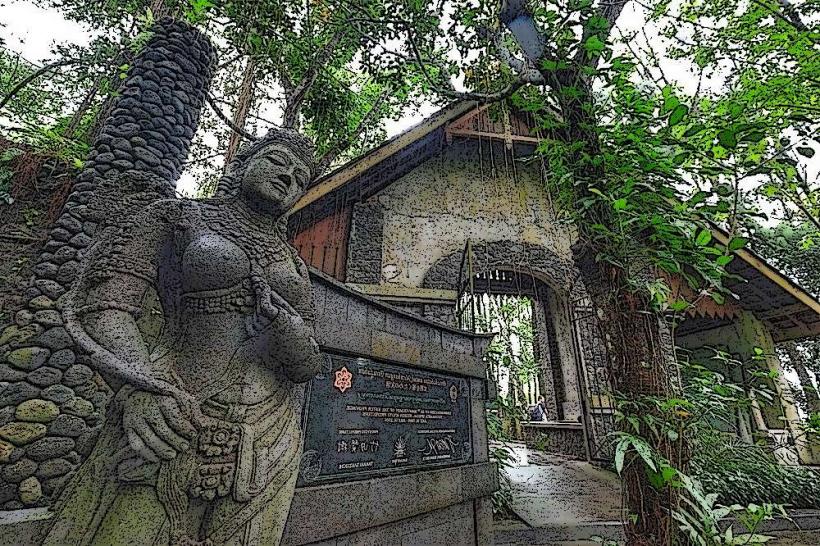
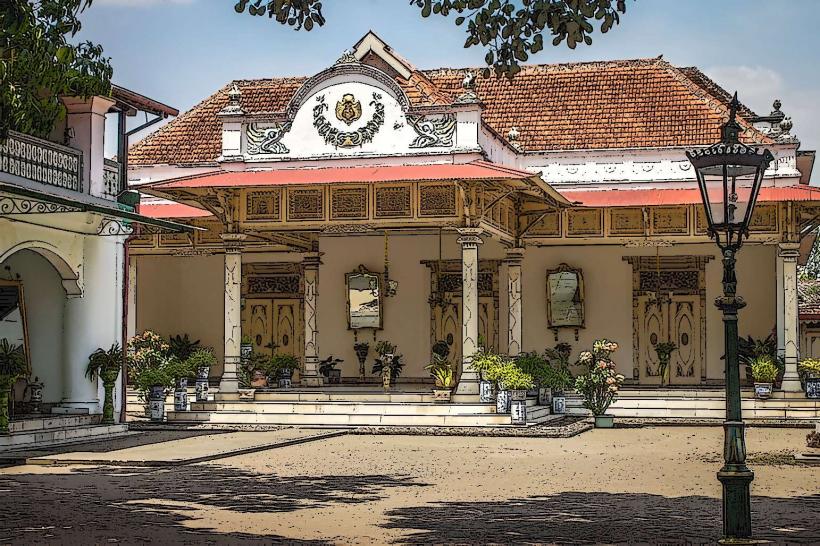
The Kraton complex comprises multiple courtyards and pavilions constructed primarily from red brick and white plaster. The architectural style is a blend of traditional Javanese design with European influences. Key structures feature intricately carved wooden beams, tiled roofs with tiered gables, and open-air verandas. The main buildings are single-story, with some elevated platforms. Decorative elements include ceramic tiles, stone carvings, and stained glass.
Location & Access Logistics
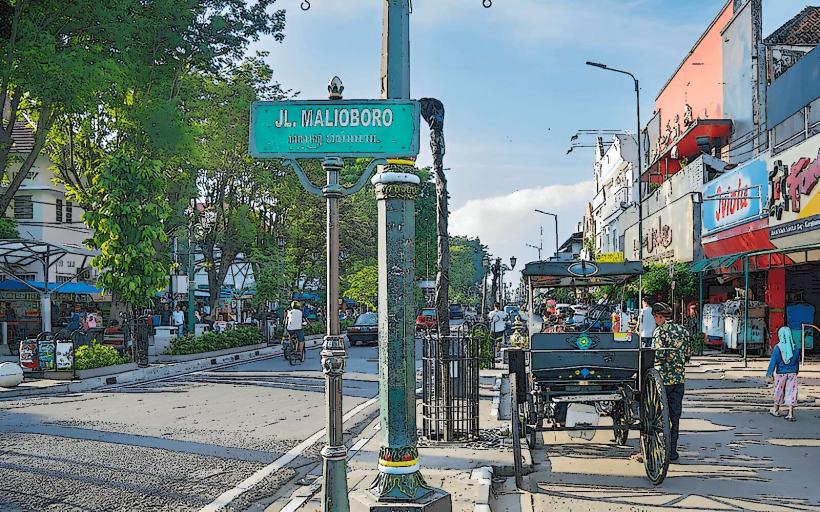
The Sultan Palace is situated in the center of Yogyakarta, approximately 1 kilometer south of Malioboro Street. Access is via Jalan Rotowijayan. Public parking is available on Jalan Rotowijayan and surrounding streets, with fees applicable. Trans Jogja bus lines 1A, 3A, and 8 stop at the Malioboro 1 and Malioboro 2 shelters, both within a 10-minute walk of the palace entrance.
Historical & Ecological Origin
Construction of the Kraton began in 1755 under Sultan Hamengkubuwono I, following the Treaty of Giyanti. It was designed as the administrative and spiritual heart of the Sultanate. The site was chosen for its strategic location and perceived spiritual significance. The complex has undergone several renovations and expansions over the centuries, particularly after earthquakes.
Key Highlights & Activities
Visitors can explore the various pavilions, including the Grand Hall (Bangsal Kencana), the Audience Hall (Pagelaran), and the Sultan's private quarters. Traditional Javanese dance performances are held in the Srimpi and Golek stages on specific days. Cultural exhibitions showcasing royal artifacts, gamelan instruments, and traditional attire are also present. Photography is permitted in designated areas.
Infrastructure & Amenities
Restrooms are available within the complex. Shaded areas are provided by the architecture of the pavilions and some trees. Cell phone signal (4G) is generally available within the complex. Food vendors and small shops are located outside the main entrance on Jalan Rotowijayan.
Best Time to Visit
The best time of day for photography is between 9:00 AM and 11:00 AM, when the sunlight illuminates the courtyards. The best months to visit are during the dry season, from May to September, to avoid heavy rainfall. The palace is open daily from 9:00 AM to 3:00 PM, with shorter hours on Saturdays and closed on Sundays.
Facts & Legends
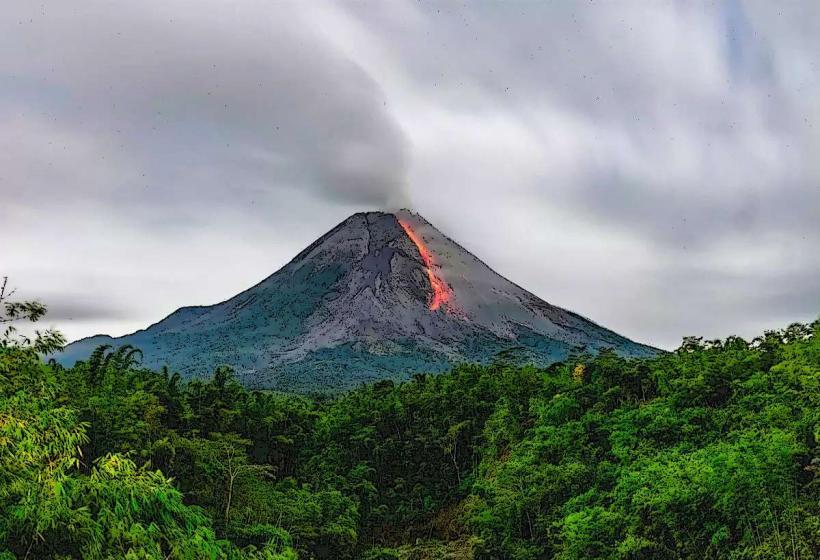
A unique aspect of the Kraton's design is its alignment with the mythical Mount Merapi to the north and the Indian Ocean to the south, forming a sacred axis. Legend states that the palace is protected by invisible guardians and that the Sultan's spiritual power is linked to the well-being of the land.
Nearby Landmarks
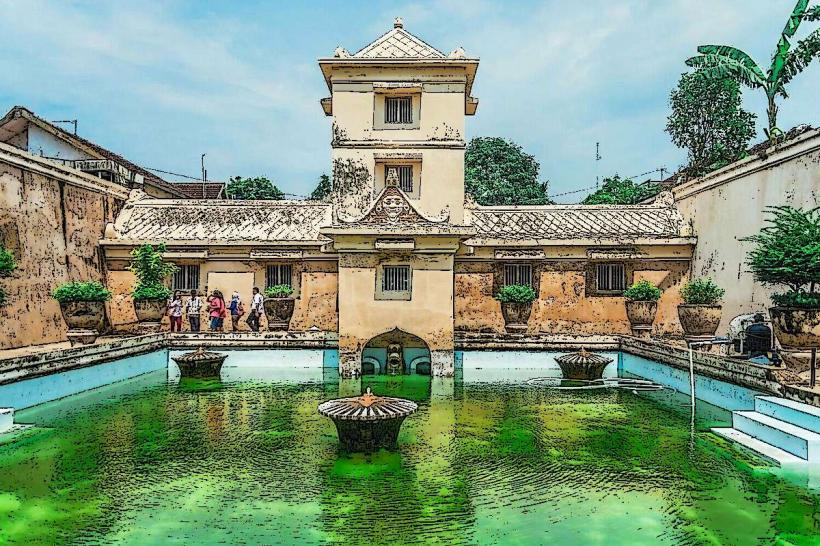
- Taman Sari Water Castle (0.3km Northwest)
- Malioboro Street (1km North)
- Fort Vredeburg Museum (1.2km Northeast)
- Sonobudoyo Museum (0.8km West)