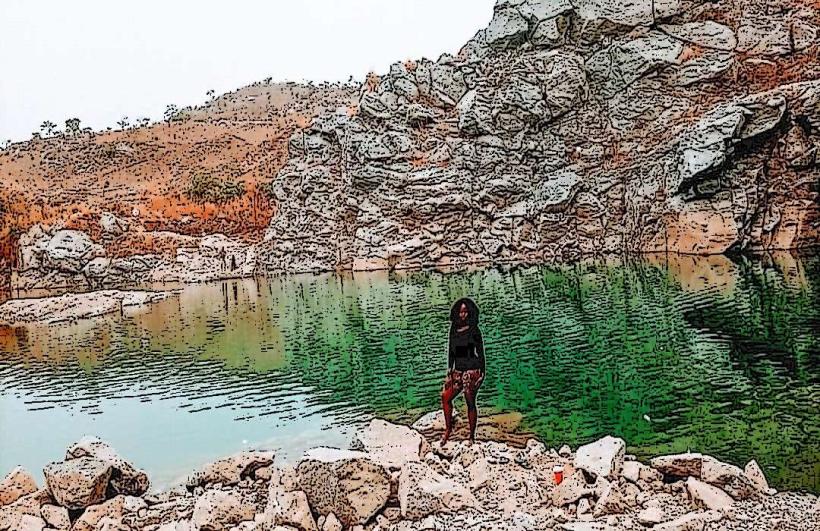
Landmark: Bwari Rock
City: Abuja
Country: Nigeria
Continent: Africa
Bwari Rock, Abuja, Nigeria, Africa
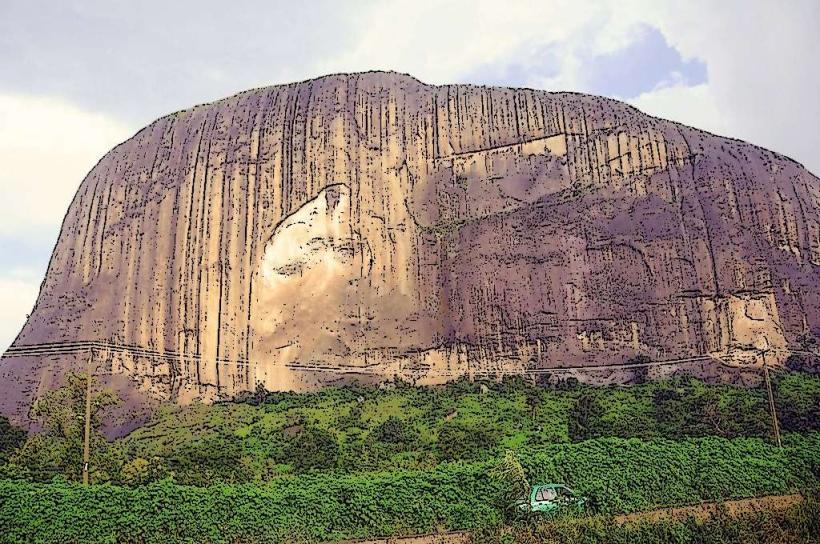
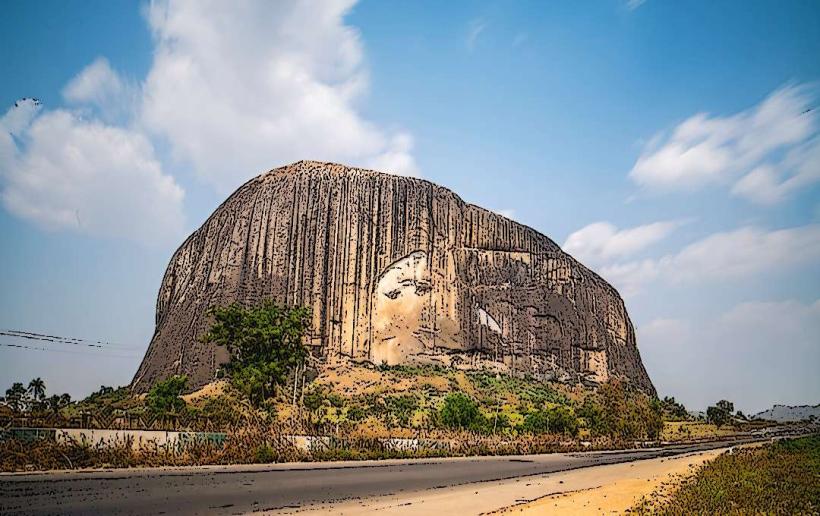
Bwari Rock is a significant geological formation located in the Bwari district of Abuja, Nigeria.
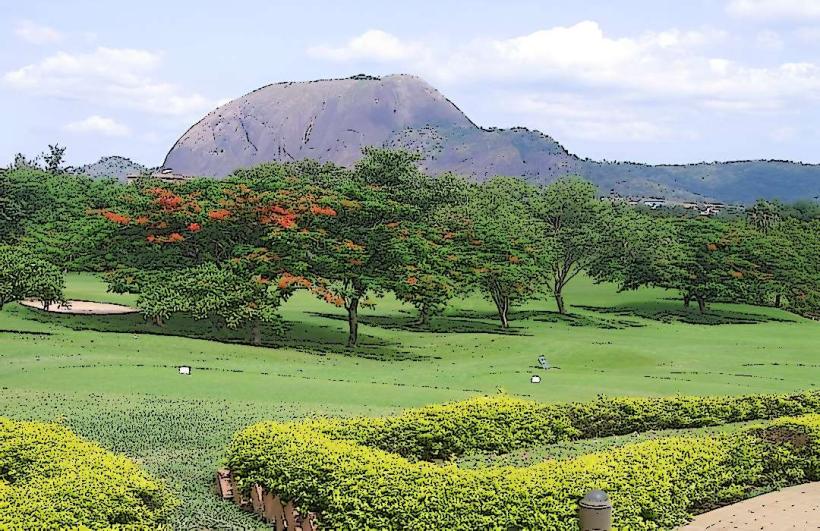
This granite inselberg rises prominently from the surrounding savanna landscape.
Visual Characteristics
The formation consists of a large, exposed granite dome with weathered surfaces. Its color ranges from grey to reddish-brown depending on the lighting and mineral content. The base is surrounded by sparse savanna vegetation, including grasses and scattered trees.
Location & Access Logistics
Bwari Rock is situated approximately 25 kilometers north of the Abuja city center. Access is via the Kubwa Expressway, turning onto Airport Road and then following local signage towards Bwari town. From Bwari town, local roads lead to the base of the rock. Parking is available on unpaved areas near the rock's base. Public transport options are limited; shared taxis (Danfo buses) operate from Abuja to Bwari, from where a motorcycle taxi (Okada) or a private vehicle is required for the final approach.
Historical & Ecological Origin
Bwari Rock is an inselberg, a remnant of a larger granite massif that has been eroded over millions of years by weathering and denudation. It is a product of the Precambrian basement complex of Nigeria.
Key Highlights & Activities
Climbing the rock offers panoramic views of the surrounding Bwari area and distant Abuja skyline. Hiking trails, though not formally marked, allow for exploration of the rock's base and lower slopes. The area is suitable for photography, particularly during sunrise and sunset.
Infrastructure & Amenities
There are no formal facilities at Bwari Rock. Restrooms, shade, and food vendors are not present at the site itself. Cell phone signal (4G/5G) is generally available in the vicinity.
Best Time to Visit
The best time of day for photography is early morning or late afternoon to capture optimal lighting on the rock's surface. The dry season, from November to March, offers the most favorable weather conditions with less rainfall and lower humidity. The wet season (April to October) can make access more challenging due to muddy conditions.
Facts & Legends
Local folklore suggests that the rock is a sacred site, and some believe it possesses spiritual significance. It is also a popular spot for local youth to gather and engage in recreational activities.
Nearby Landmarks
- National Arboretum (2.5km Southwest)
- Jabi Lake (18km South)
- Aso Rock Presidential Villa (22km South)
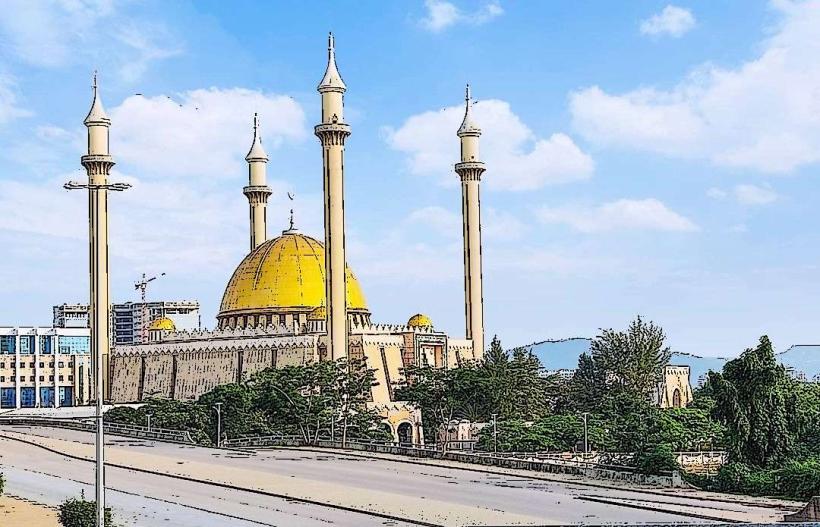
- Abuja National Mosque (24km South)
- Eagle Square (26km South)