Information
Landmark: Federal Secretariat ComplexCity: Abuja
Country: Nigeria
Continent: Africa
Federal Secretariat Complex, Abuja, Nigeria, Africa
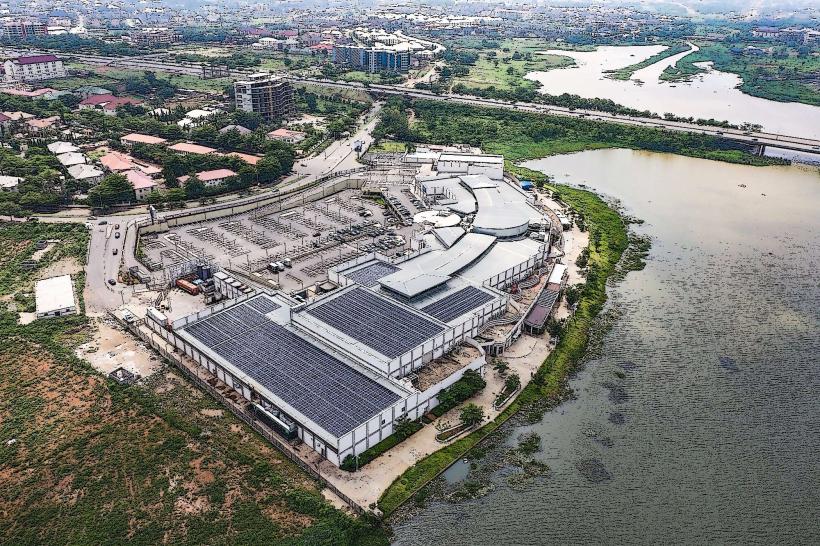
The Federal Secretariat Complex is a governmental administrative center located in the central district of Abuja, Nigeria.
It comprises multiple interconnected buildings designed to house various federal government ministries and departments.
Visual Characteristics
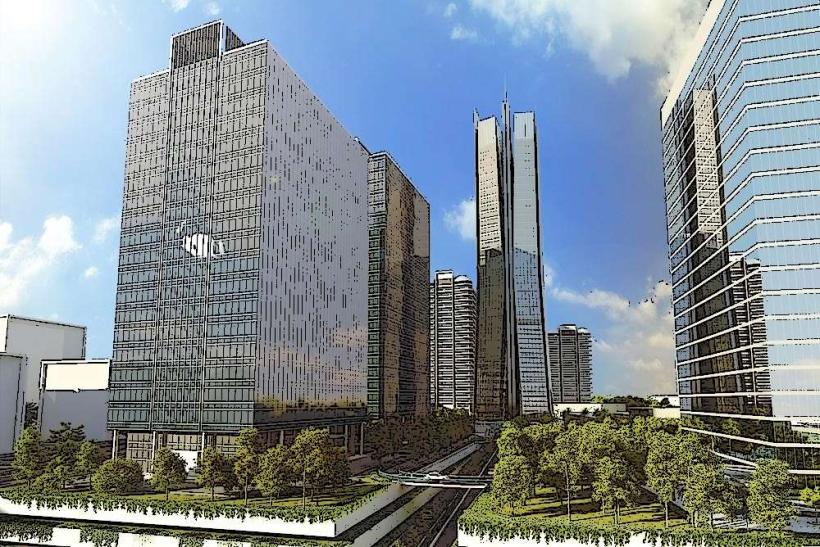
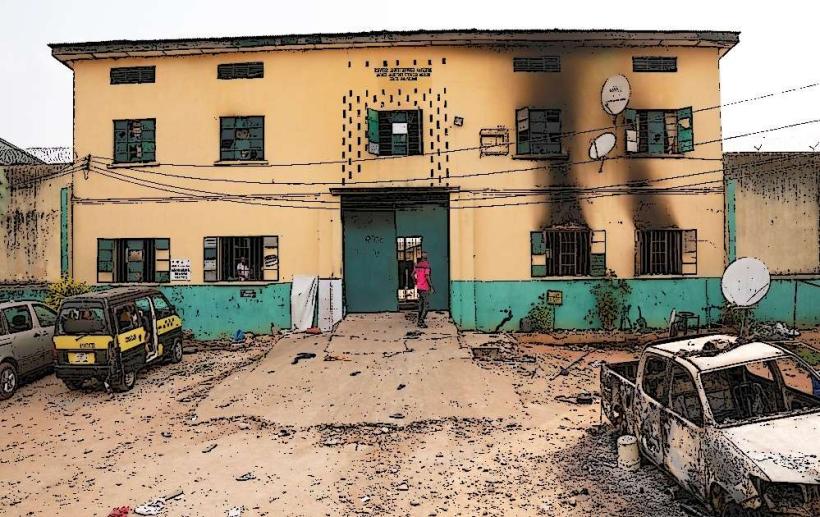
The complex is characterized by its modernist architectural style, featuring large, rectangular concrete structures. The primary materials are reinforced concrete and glass. Buildings are generally low-rise, with most structures not exceeding five stories. The exterior surfaces are predominantly painted in neutral tones, such as off-white and grey, with sections of exposed concrete. The overall impression is one of functional, utilitarian design.
Location & Access Logistics
The Federal Secretariat Complex is situated in the Three Arms Zone of Abuja, approximately 3 kilometers south of the city center. Access is primarily via Constitution Avenue and Independence Avenue. Limited visitor parking is available within designated areas, though it can be restricted during peak government hours. Public transport options are limited directly to the complex; visitors typically rely on taxis or ride-sharing services from other parts of the city.
Historical & Ecological Origin
Construction of the Federal Secretariat Complex began in the early 1980s, coinciding with the development of Abuja as Nigeria's new federal capital. The complex was designed by various architectural firms contracted by the Nigerian government to consolidate administrative functions. Its original purpose was to centralize federal government operations, moving them from Lagos to the newly established capital.
Key Highlights & Activities
The primary function of the complex is governmental administration. Public access to specific offices is generally restricted to scheduled appointments. Visitors may observe the exterior architecture and the surrounding grounds. Security personnel are present throughout the complex.
Infrastructure & Amenities
Restrooms are available within individual ministry buildings, accessible to authorized personnel and visitors with appointments. Shade is provided by the buildings themselves and limited landscaping. Cell phone signal (4G/5G) is generally available within the complex. There are no public food vendors or restaurants within the immediate vicinity of the complex; amenities are located in nearby commercial districts.
Best Time to Visit
For observing the exterior architecture, the best time of day is during daylight hours, from approximately 9:00 AM to 4:00 PM, to ensure adequate lighting. The best months for visiting Abuja, in general, are during the dry season, from November to March, when temperatures are moderate and rainfall is minimal. Access can be more straightforward on weekdays outside of major public holidays.
Facts & Legends
A notable aspect of the complex is its role as a symbol of Nigeria's federal governance. During periods of political transition or significant national events, the complex often becomes a focal point for official announcements and public gatherings in its vicinity.
Nearby Landmarks
- Aso Rock Presidential Villa (1.5km Northwest)
- National Assembly Complex (0.8km North)
- Supreme Court of Nigeria (0.3km West)
- Eagle Square (0.6km Northeast)