Landmark: Nnamdi Azikiwe International Airport
City: Abuja
Country: Nigeria
Continent: Africa
Nnamdi Azikiwe International Airport, Abuja, Nigeria, Africa
Nnamdi Azikiwe International Airport (ABV) is the primary international airport serving Abuja, Nigeria. It is situated approximately 37 kilometers (23 miles) northeast of the city center.
Visual Characteristics
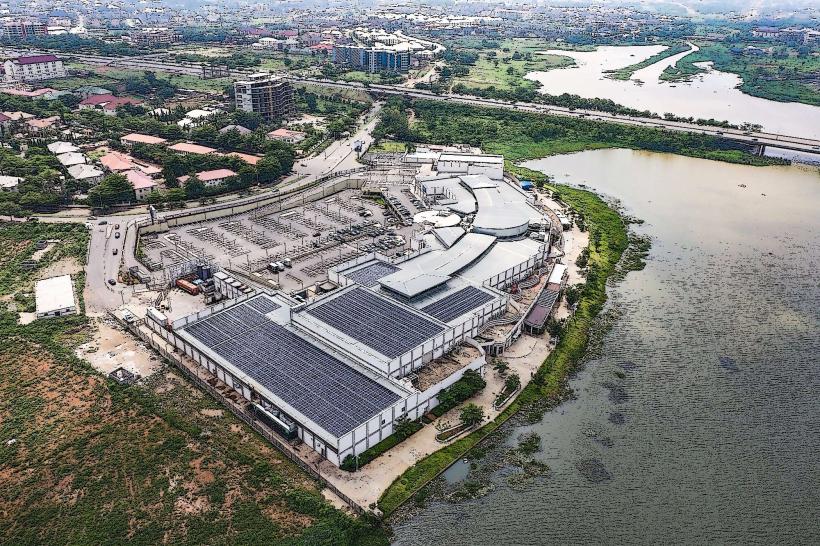
The airport complex comprises two main terminals: Terminal 1 (Domestic) and Terminal 2 (International). Terminal 1 is a single-story structure constructed primarily of concrete and glass, featuring a pitched roof. Terminal 2 is a multi-story building with a modern facade of steel and glass. The tarmac area accommodates multiple aircraft parking stands and taxiways. The surrounding landscape is characterized by cleared land with sparse vegetation.
Location & Access Logistics
Access to Nnamdi Azikiwe International Airport is via the Airport Road, which connects directly to the Abuja city center. The journey from the city center typically takes 30-45 minutes depending on traffic conditions. Ample parking is available in designated lots adjacent to both terminals, with both short-term and long-term options. Public transport options include taxis and ride-sharing services readily available within Abuja. There are no direct bus routes from the city center to the airport.
Historical & Ecological Origin
Construction of Nnamdi Azikiwe International Airport commenced in the early 1980s, with the aim of establishing a modern gateway for Nigeria's capital city. It was officially commissioned in 1992. The site was chosen for its relatively flat topography and distance from dense urban development, facilitating expansion and minimizing noise pollution. The land itself is part of the Guinea savanna ecological zone.
Key Highlights & Activities
The primary function of the airport is air travel facilitation. Passengers can check-in for domestic and international flights, clear immigration and customs, and access departure lounges. Retail outlets and food services are available within the terminals. Aircraft spotting is possible from designated external viewing areas, though access may be restricted.
Infrastructure & Amenities
Both terminals are equipped with restrooms, seating areas, and baggage claim facilities. Terminal 2 offers a greater number of amenities, including currency exchange services, duty-free shops, and various dining options. Wi-Fi connectivity is available throughout the terminals, with varying signal strength. Cell phone reception (4G/5G) is generally good within the airport buildings.
Best Time to Visit
For photography of aircraft movements, early morning (07:00-09:00) and late afternoon (16:00-18:00) offer favorable lighting conditions. The airport operates 24 hours a day, with peak travel times typically occurring in the morning and evening. Weather is generally consistent year-round, though the rainy season (May-October) can occasionally cause flight delays.
Facts & Legends
A notable historical detail is the airport's original name, Abuja International Airport, before it was renamed in honor of Nnamdi Azikiwe, the first President of Nigeria. Local lore suggests that the airport's construction was influenced by a desire to create a symbol of Nigeria's progress and modernity.
Nearby Landmarks
- Unity Fountain (15km Southwest)
- National Mosque of Nigeria (20km Southwest)
- Aso Rock Presidential Villa (22km Southwest)
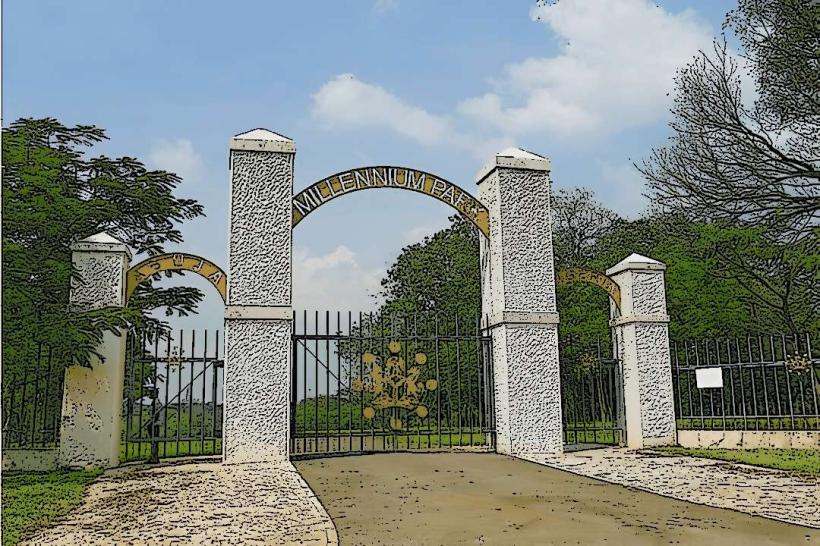
- Millennium Park (25km Southwest)