Information
Landmark: National Botanical GardenCity: Abuja
Country: Nigeria
Continent: Africa
National Botanical Garden, Abuja, Nigeria, Africa
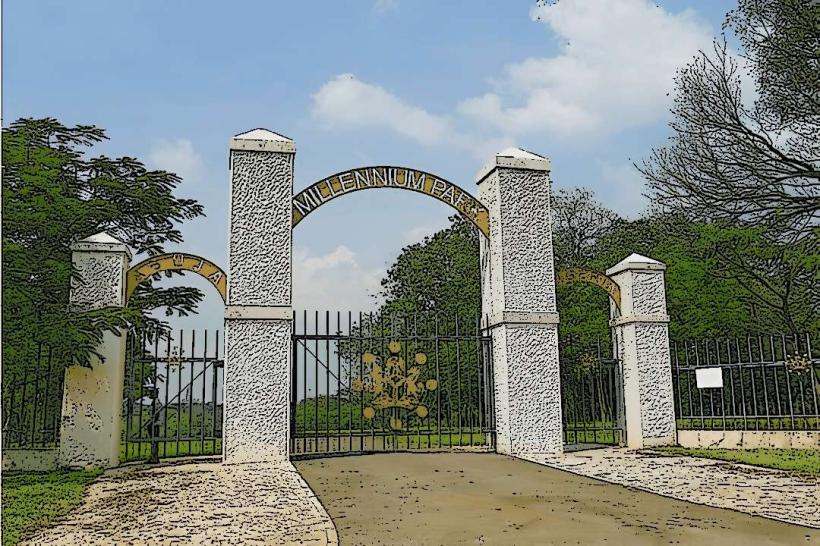
The National Botanical Garden is a protected area located in Abuja, Nigeria. It serves as a repository for Nigeria's diverse plant species.
Visual Characteristics
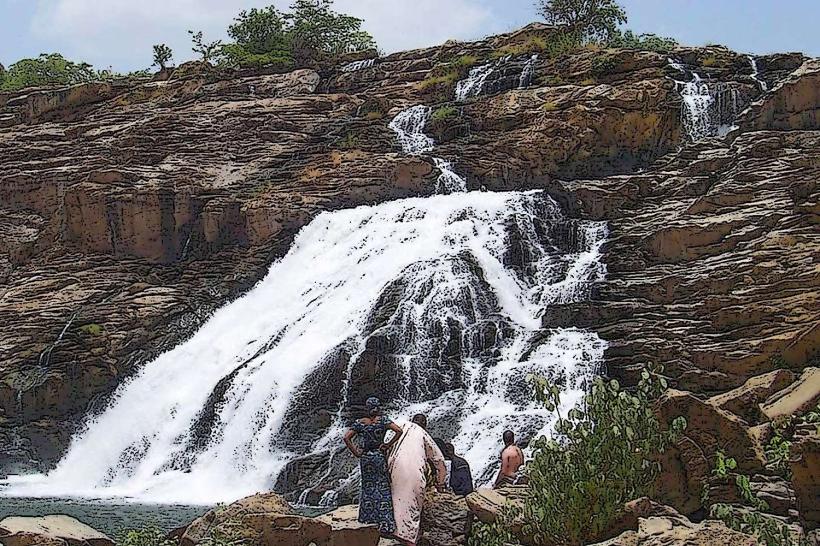
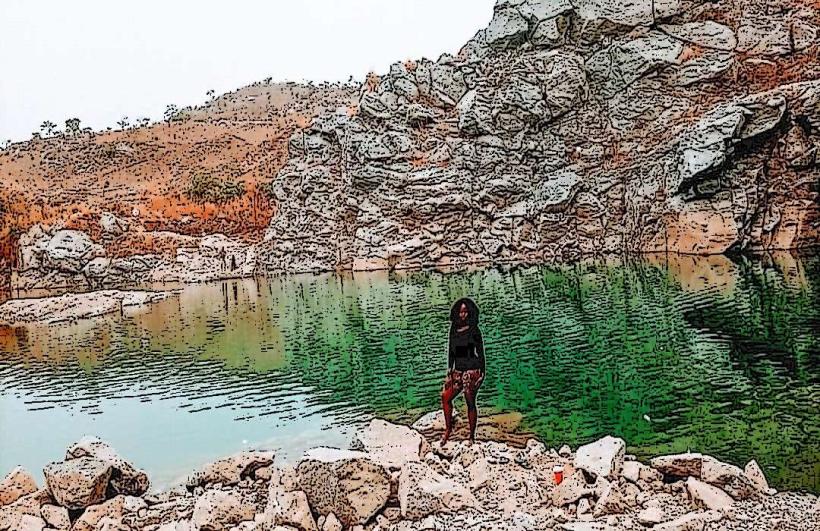
The garden covers an area of approximately 80 hectares. It features a variety of plant collections organized into distinct zones, including a savanna section, a forest section, and a water garden. Paths are constructed from compacted earth and gravel. The landscape includes open grassy areas, mature trees, and water features.
Location & Access Logistics
The garden is situated approximately 10 kilometers south of the city center of Abuja. Access is via the Airport Road (Nnamdi Azikiwe Expressway). Turn off at the sign for the National Botanical Garden. Parking is available on-site in a designated lot. Public transport options are limited; taxis or private vehicles are the primary means of access.
Historical & Ecological Origin
Established in 1990, the National Botanical Garden was conceived as a national center for the conservation, study, and display of Nigerian flora. Its ecological origin is based on preserving representative samples of Nigeria's various vegetation types, including Guinea savanna, derived savanna, and rainforest ecosystems.
Key Highlights & Activities
Visitors can walk the designated trails to observe plant collections. Specific activities include bird watching and photography. Educational tours focusing on plant identification and conservation are available upon request.
Infrastructure & Amenities
Basic restroom facilities are present near the entrance. Limited shaded areas are available under trees and in designated gazebos. Cell phone signal (primarily 2G/3G) is inconsistent within the garden. No food vendors operate within the garden premises; visitors are advised to bring their own provisions.
Best Time to Visit
The best time of day for photography is in the early morning or late afternoon when the light is softer. The dry season, from November to March, offers the most pleasant weather conditions. No specific tide requirements apply.
Facts & Legends
A notable feature is the "Tree of Life," an ancient Baobab tree within the garden, which is a significant specimen of the savanna ecosystem. Local folklore suggests that the tree possesses healing properties.
Nearby Landmarks
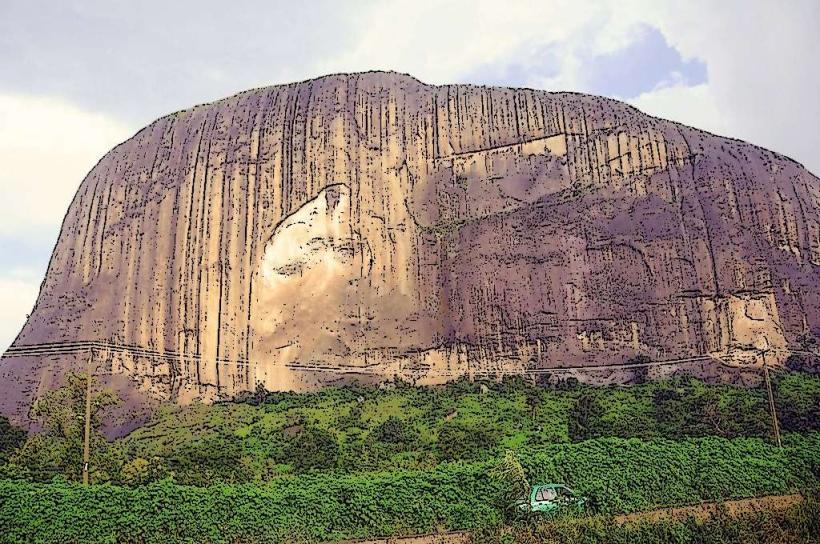
- Aso Rock (5km Northwest)
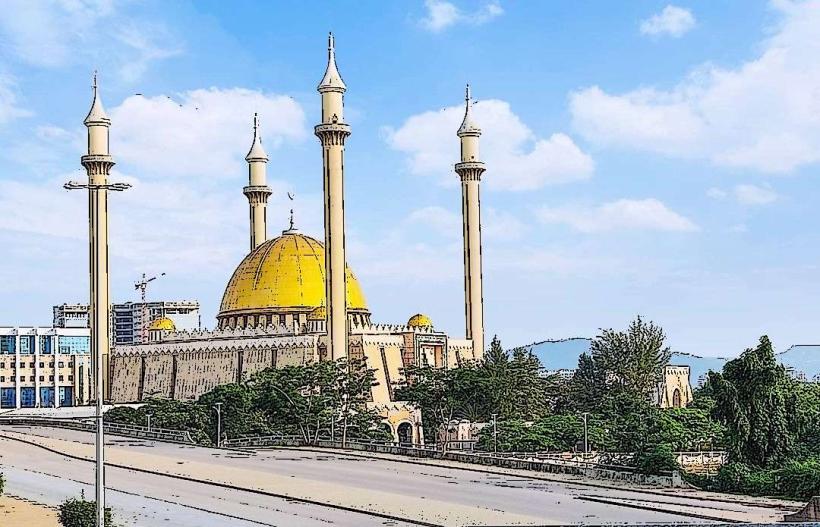
- National Mosque of Nigeria (8km North)
- Eagle Square (9km North)
- National Assembly Complex (9km North)